Buying a home on Manhattan’s Upper East Side can feel exciting—until you hear the phrase every buyer dreads: board approval required. Whether you’re a first-time buyer or moving from a condo, the co-op board is the final gatekeeper to your new apartment. The process can feel intimidating, but with the right preparation, it’s predictable—and manageable.
Here’s a complete guide to how Upper East Side co-op approvals work, what boards look for, and how to assemble a winning board package.
Understanding Co-ops
A co-op isn’t just an apartment—it’s a corporation that owns the building. When you buy a co-op, you purchase shares in the corporation and receive a proprietary lease for your apartment. Unlike condos, you can’t simply close on a unit; board approval is required to complete the purchase.
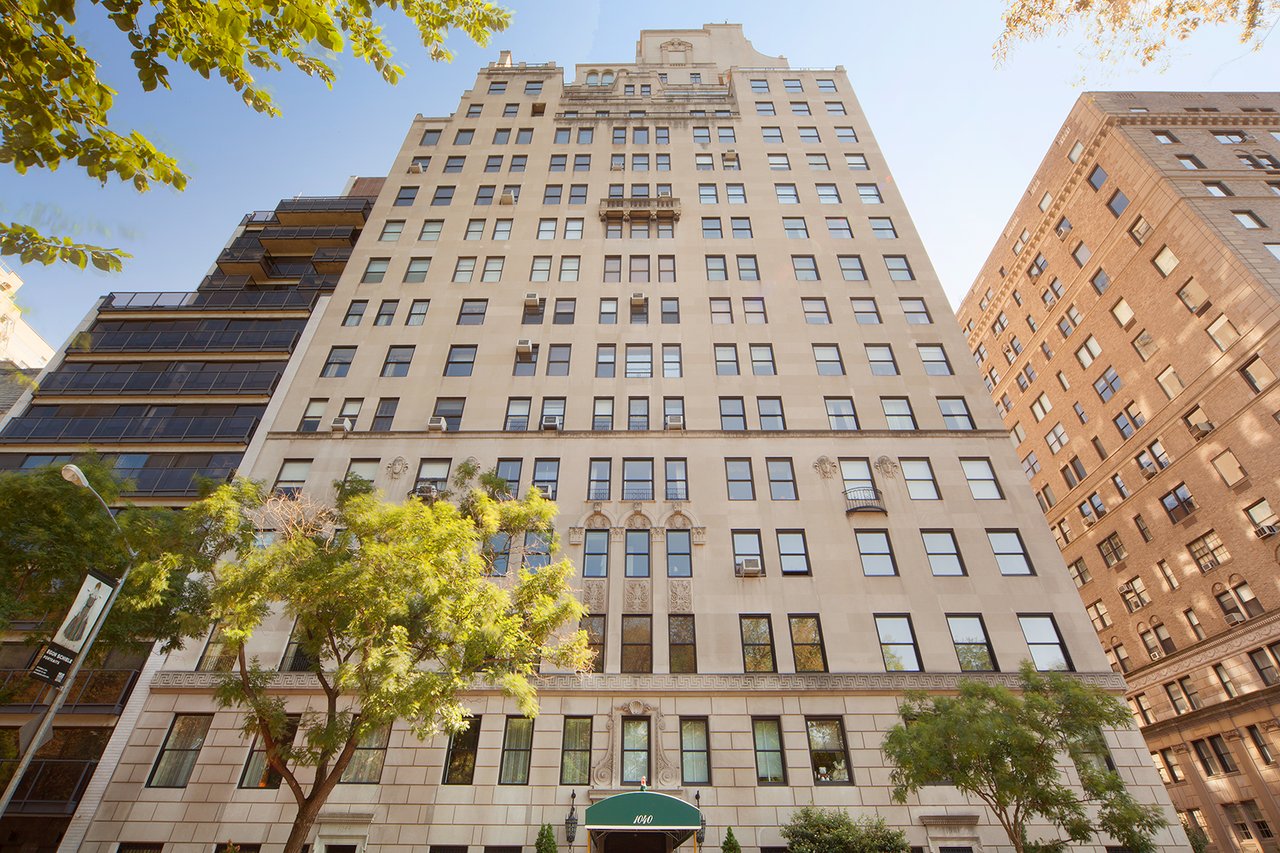
On the Upper East Side, many co-ops—especially along Park and Madison Avenue—are prewar, full-service buildings with active boards. These boards often require more documentation, stricter financial review, and formal interviews than most condos.
The Co-op Approval Process
1. Before Making an Offer
- Check the building’s rules: down payment minimums, subletting policy, renovation guidelines, and review timelines.
- If financing, get pre-qualified for a mortgage—boards expect strong financial documentation.
2. Preparing Your Board Package
After signing a contract, you’ll create a “board package,” the file the board uses to evaluate you. It typically includes:
After signing a contract, you’ll create a “board package,” the file the board uses to evaluate you. It typically includes:
- Building application & questionnaire
- Signed purchase contract
- 2–3 years of tax returns, W-2s/1099s, and recent paystubs
- Bank and investment statements
- Proof of post-closing reserves
- Mortgage commitment or proof of funds
- Reference letters (personal, professional, landlord if renting)
- Photo ID, and sometimes a short bio or resume
- For self-employed buyers: business tax returns and profit & loss statements
3. Board Review Timeline
- Package prep: 1–4 weeks
- Board review: 1–6 weeks
- Interview scheduling: 1–3 weeks
- Final decision: at the meeting or shortly after
4. The Interview
Interviews typically last 10–30 minutes and confirm your package details. Expect questions about your job, income, apartment use, renovations, pets, and prior co-op or condo experience. Buyers, board members, and often the managing agent attend. Attorneys rarely join unless invited.
Interviews typically last 10–30 minutes and confirm your package details. Expect questions about your job, income, apartment use, renovations, pets, and prior co-op or condo experience. Buyers, board members, and often the managing agent attend. Attorneys rarely join unless invited.
What Boards Look For
Financial Strength
- Down payment: Many boards expect 20–30%, but Park and Madison Avenue often prefer 30–50% or more.
- Liquidity: Proof of post-closing reserves to cover several months of carrying costs.
- Debt profile & income verification: Stable, well-documented income is key; heavy debt can be a concern.
Background & References
Boards may check references, employment, and public records. Past financial difficulties aren’t automatically disqualifying if explained transparently.
Use & Lifestyle Fit
Many co-ops prioritize primary residences. Subletting is limited and often requires board approval. Renovations usually need pre-approval and proper permits. Pet policies vary.
Tips for First-Time and Condo Buyers
First-Time Buyers
- Provide proof of income, tax returns, and verified funds for down payment and reserves.
- Include personal and professional references.
- Secure firm mortgage pre-approval.
Condo-to-Co-op Buyers
- Explain your condo sale timeline and financing plan.
- Show liquidity beyond the down payment.
- Highlight responsible homeowner experience.
- Outline renovation plans and confirm compliance with building rules.
How to Avoid Delays and Denials
Common Delays:
- Incomplete board package
- Monthly board meeting schedules
- Follow-up questions or lender delays
Reasons for Denial:
- Insufficient post-closing reserves
- High debt or financial instability
- Plans that conflict with building rules
- Negative references or misrepresentations
Pro Tips:
- Be transparent about any financial or personal issues.
- Increase down payment or reserves if possible.
- Use an approved guarantor if allowed.
- Work with an experienced real estate attorney and agent familiar with Upper East Side co-ops.
After the Board Decision
- Approval: The board issues a consent letter. Your attorney coordinates with co-op counsel and lender for closing. Make sure any conditions are documented.
- Denial: Boards rarely give detailed reasons, but you can request general feedback, correct gaps, and resubmit if allowed—or explore another building that fits your profile.
FAQs
- How long does board approval take? 2–8 weeks, depending on board schedules and additional document requests.
- Preferred down payment? Typically 20–30%, but some Park and Madison Avenue boards prefer 30–50%+.
- Post-closing reserves? Enough to cover several months of carrying costs.
- Can I buy a pied-à-terre or investment property? Some buildings allow it, but many prioritize primary residences.
- Does being self-employed hurt approval chances? Not if you provide detailed tax records, profit & loss statements, and strong liquidity.
With preparation, transparency, and a complete board package, you can confidently navigate the Upper East Side co-op approval process. The right strategy ensures a smoother path from offer to move-in, turning your Manhattan dream home into reality.