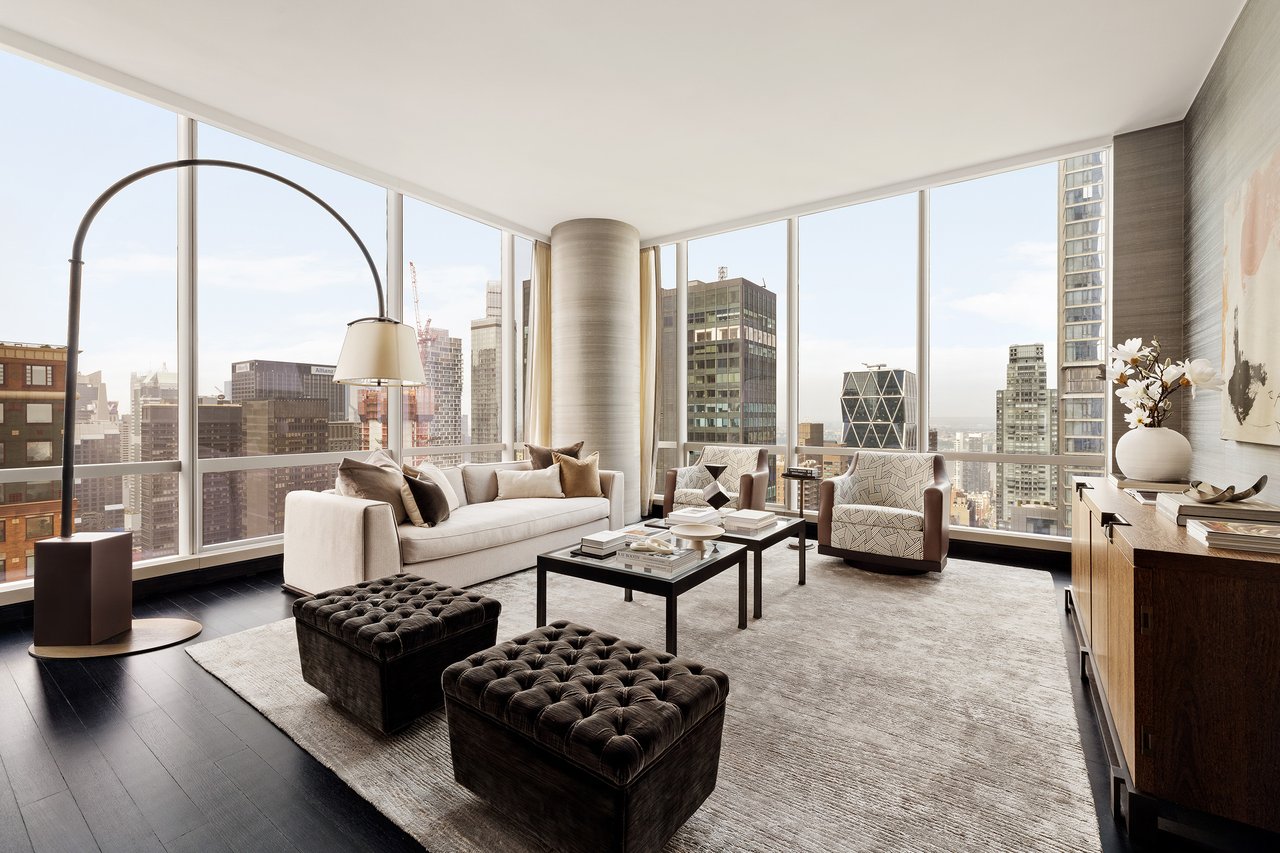
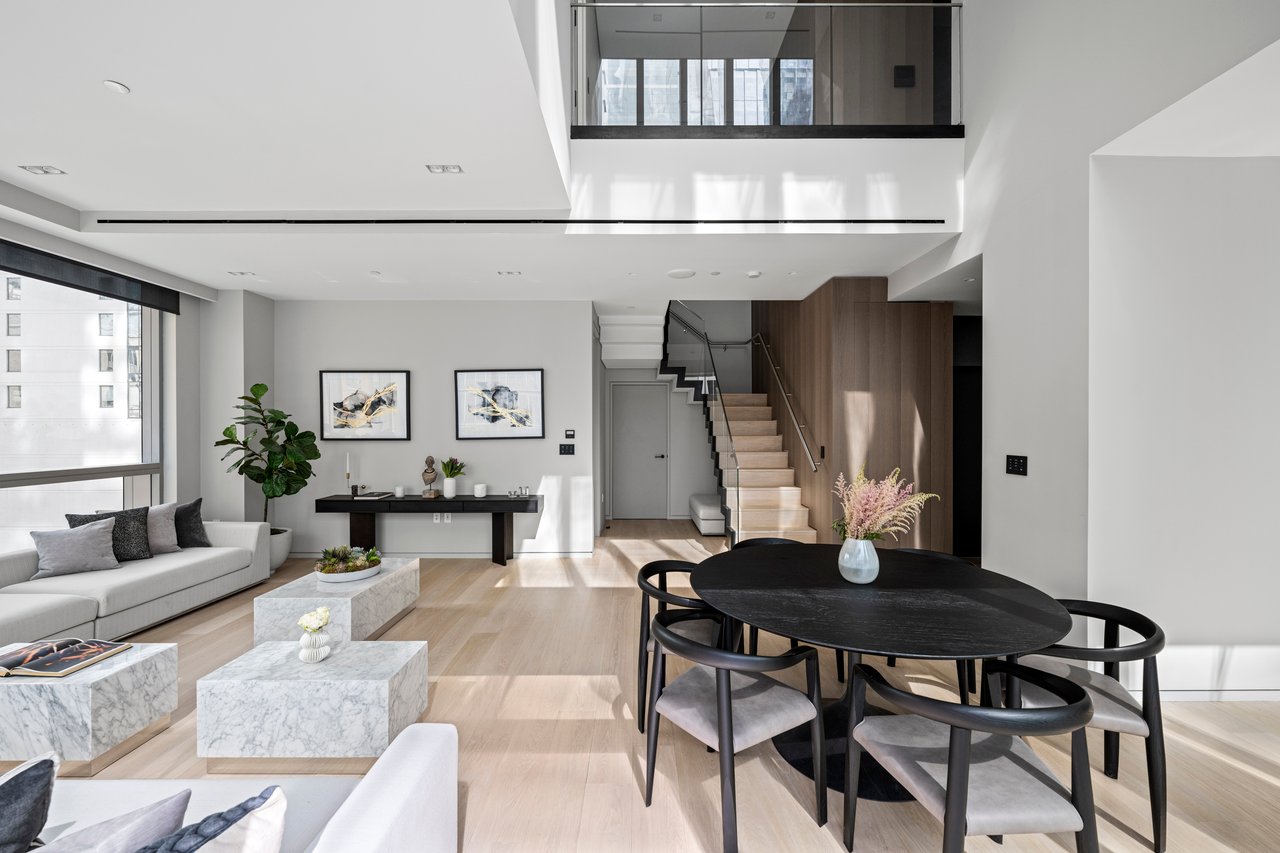
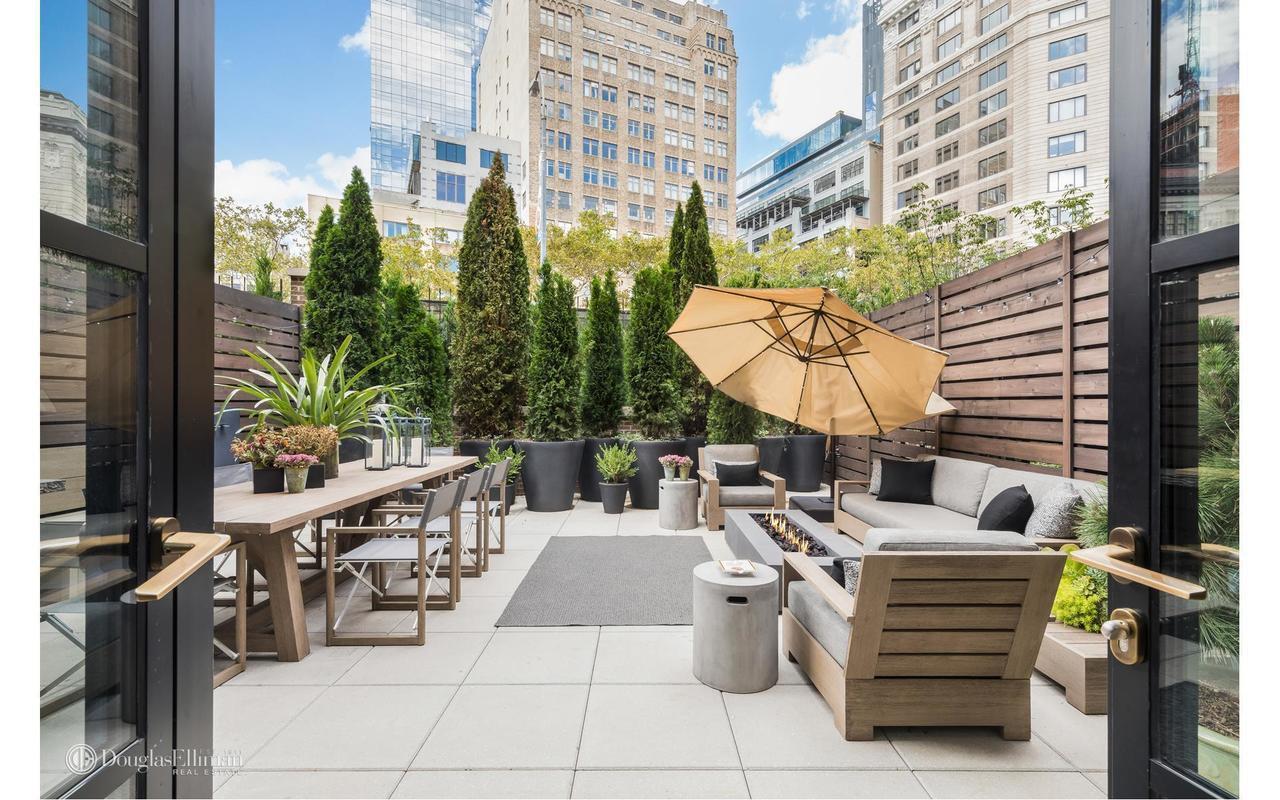
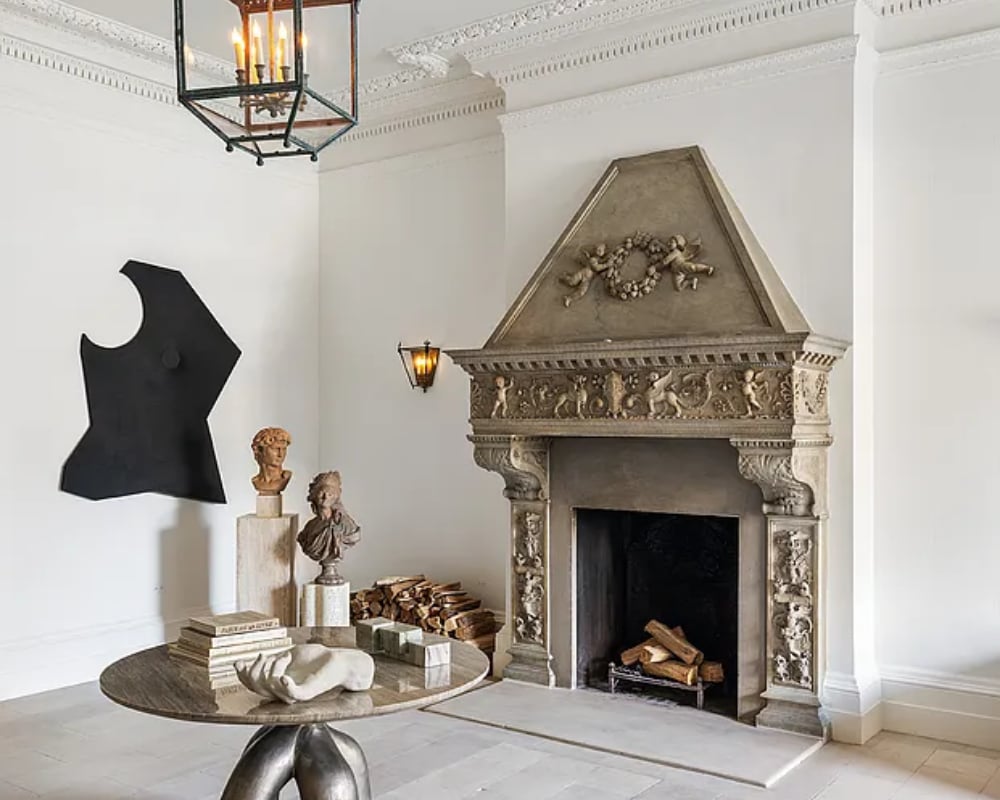
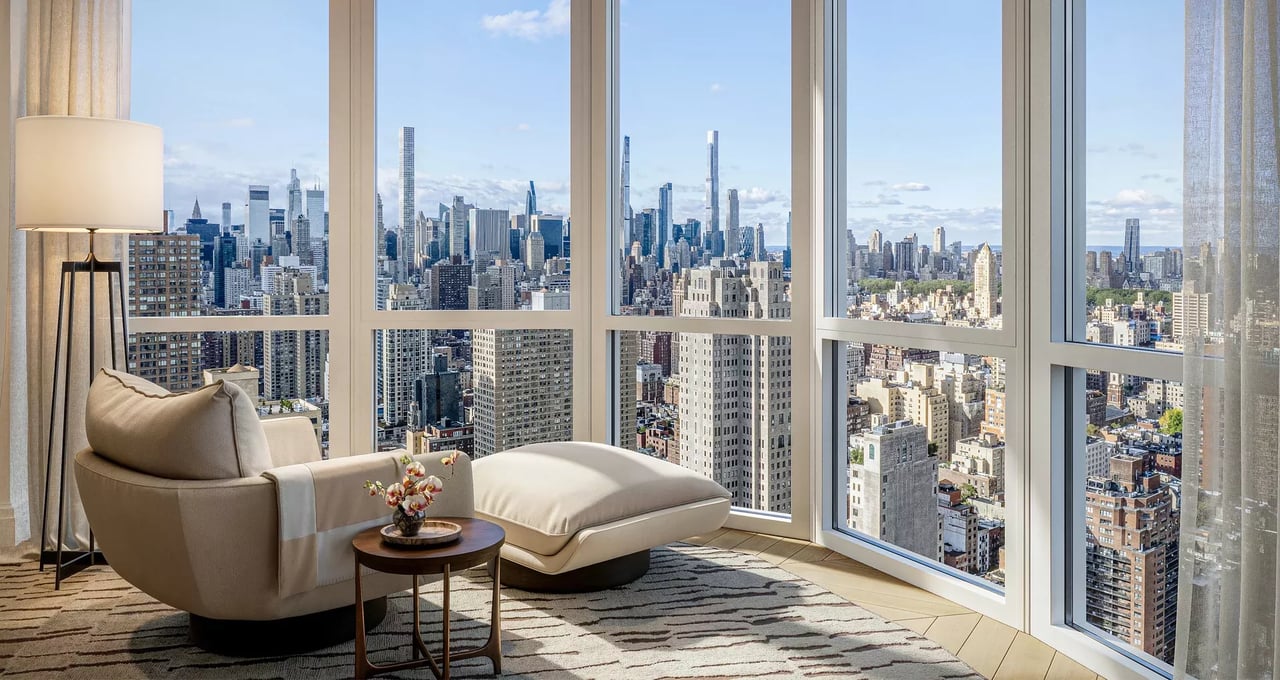
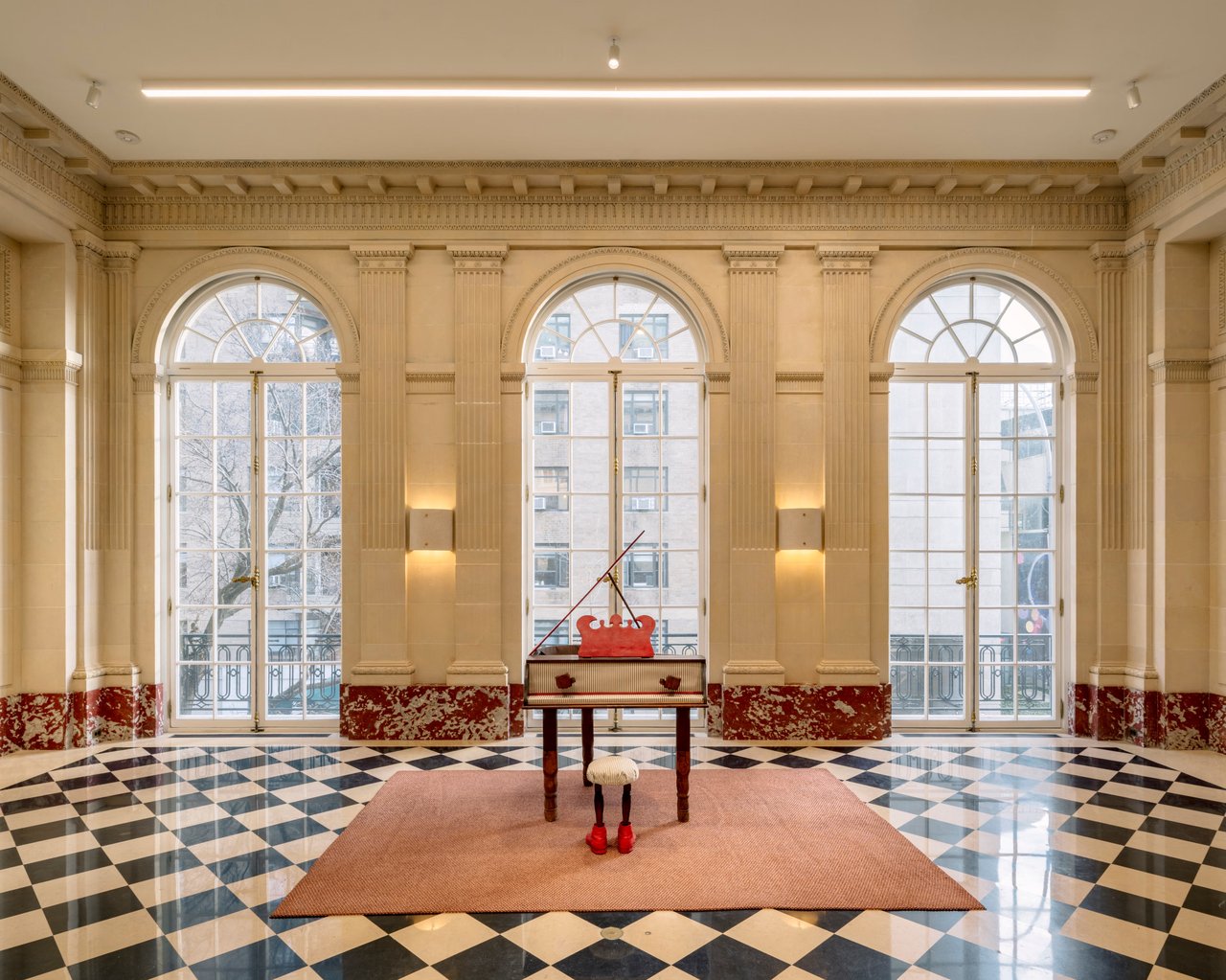
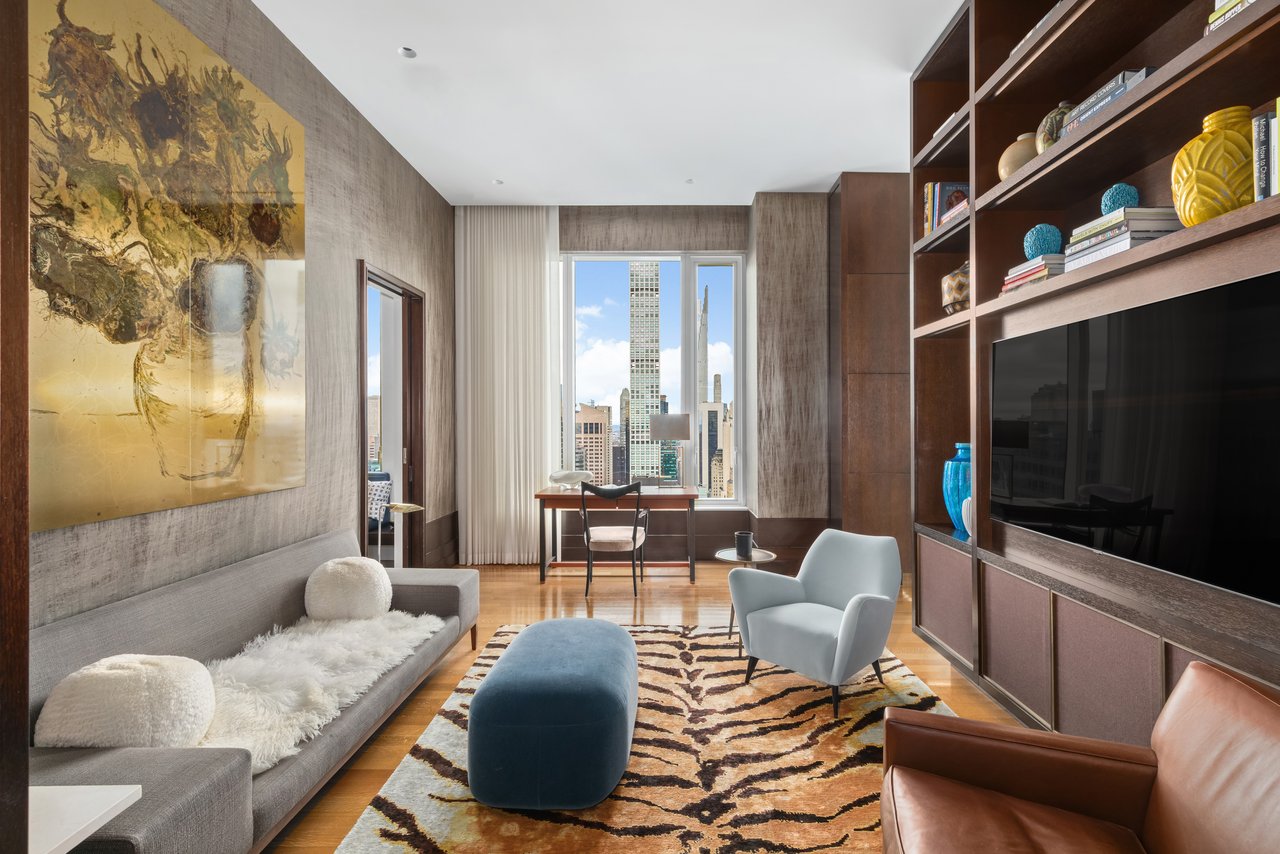
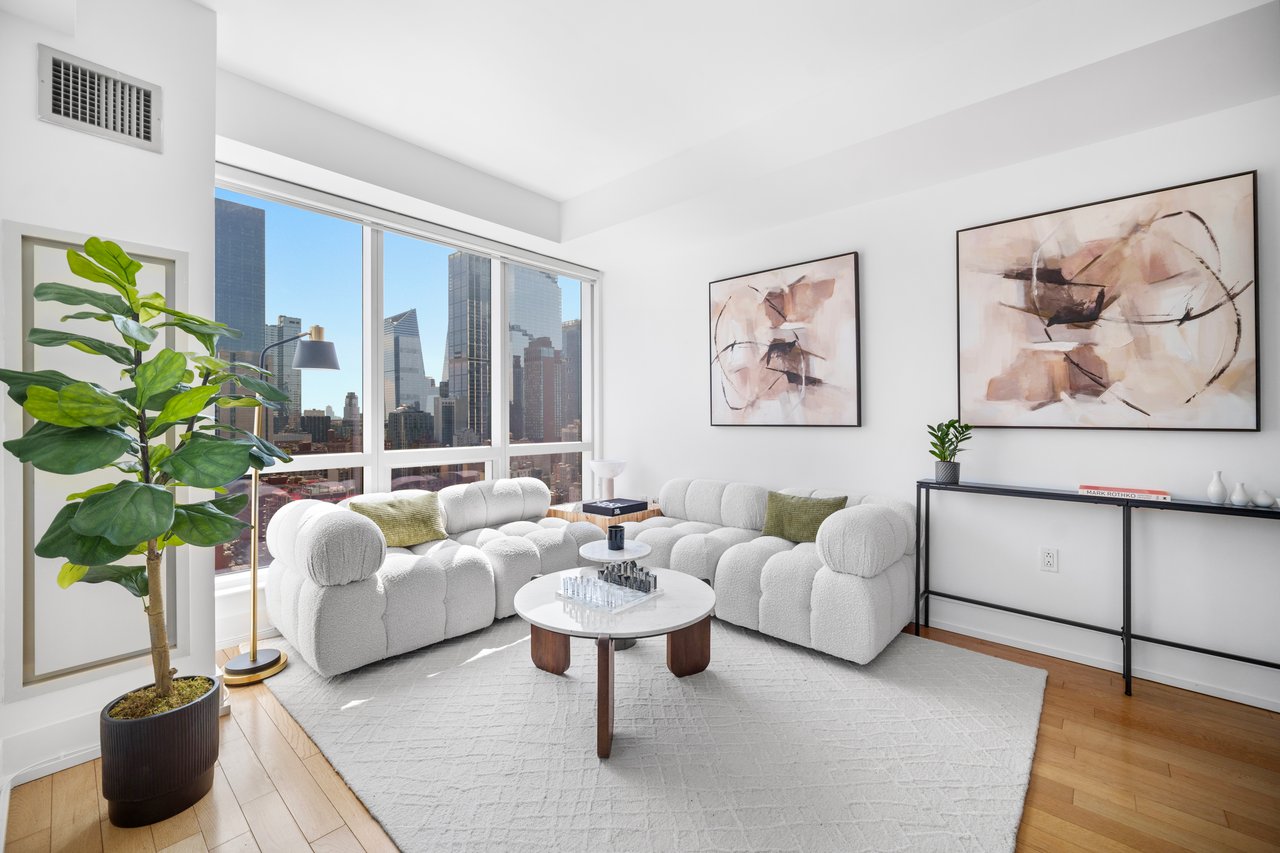
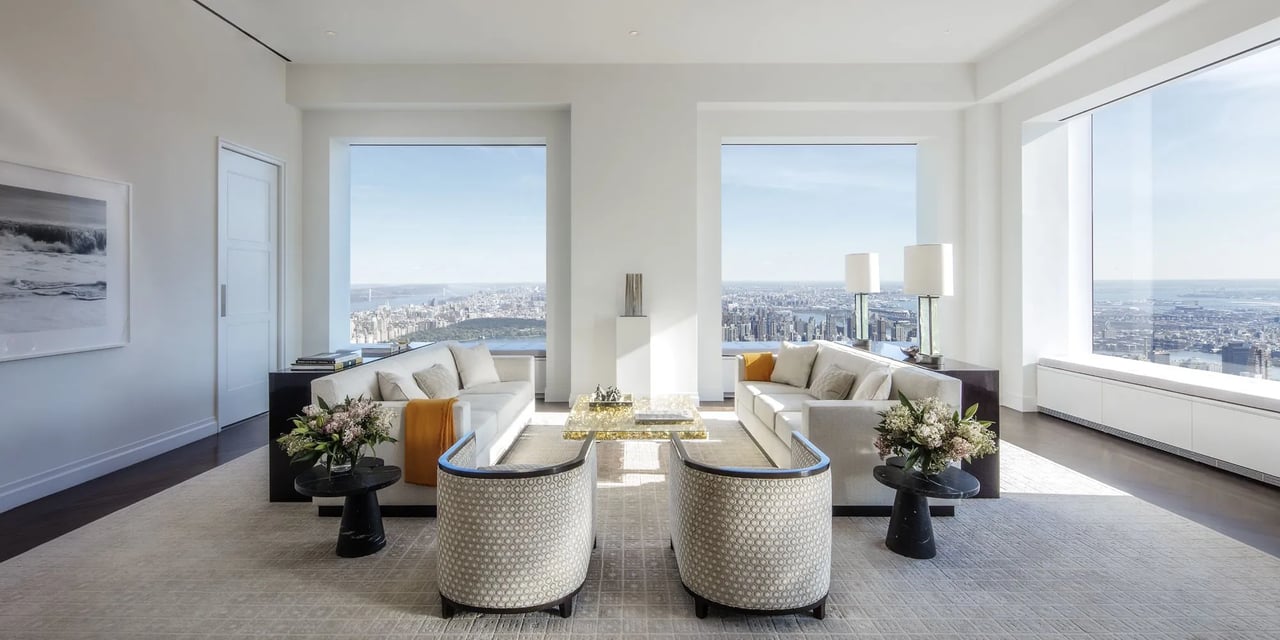
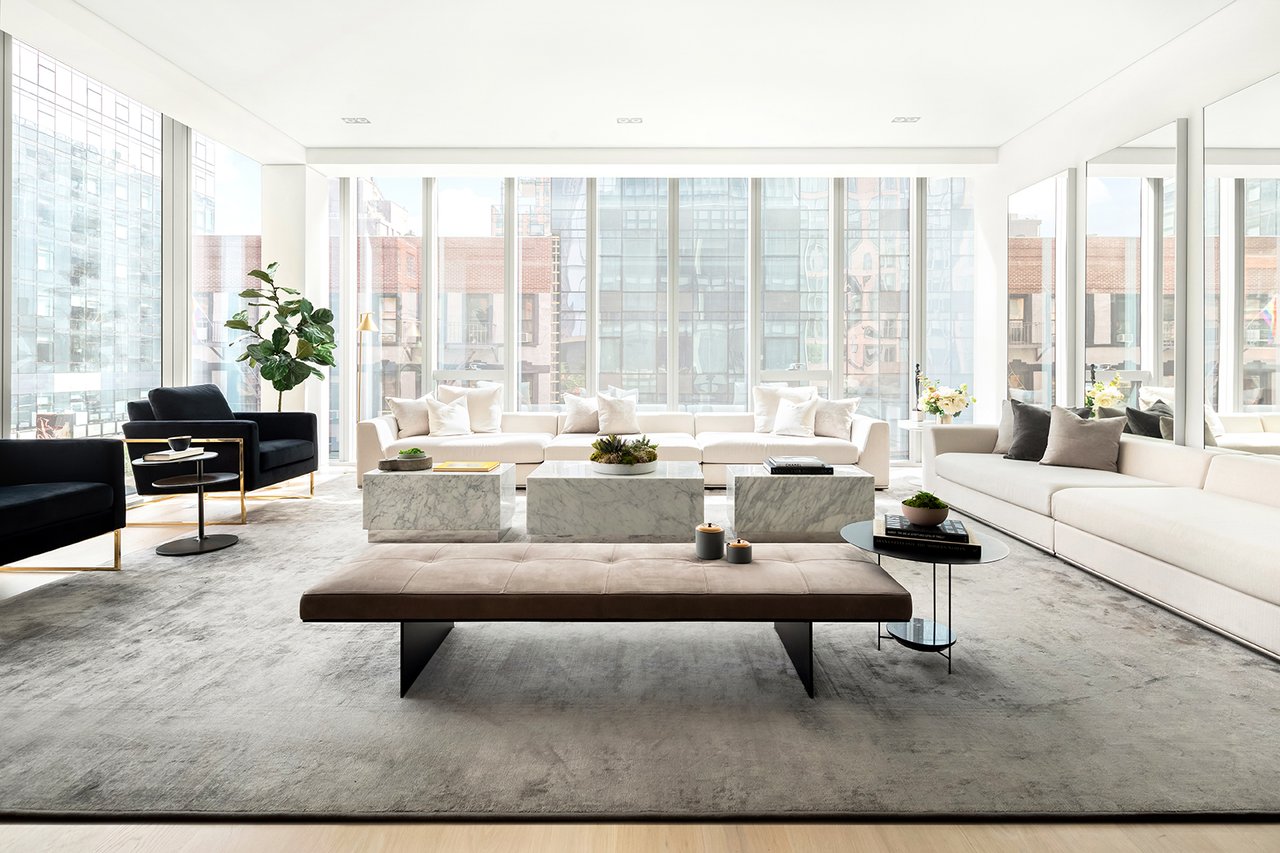
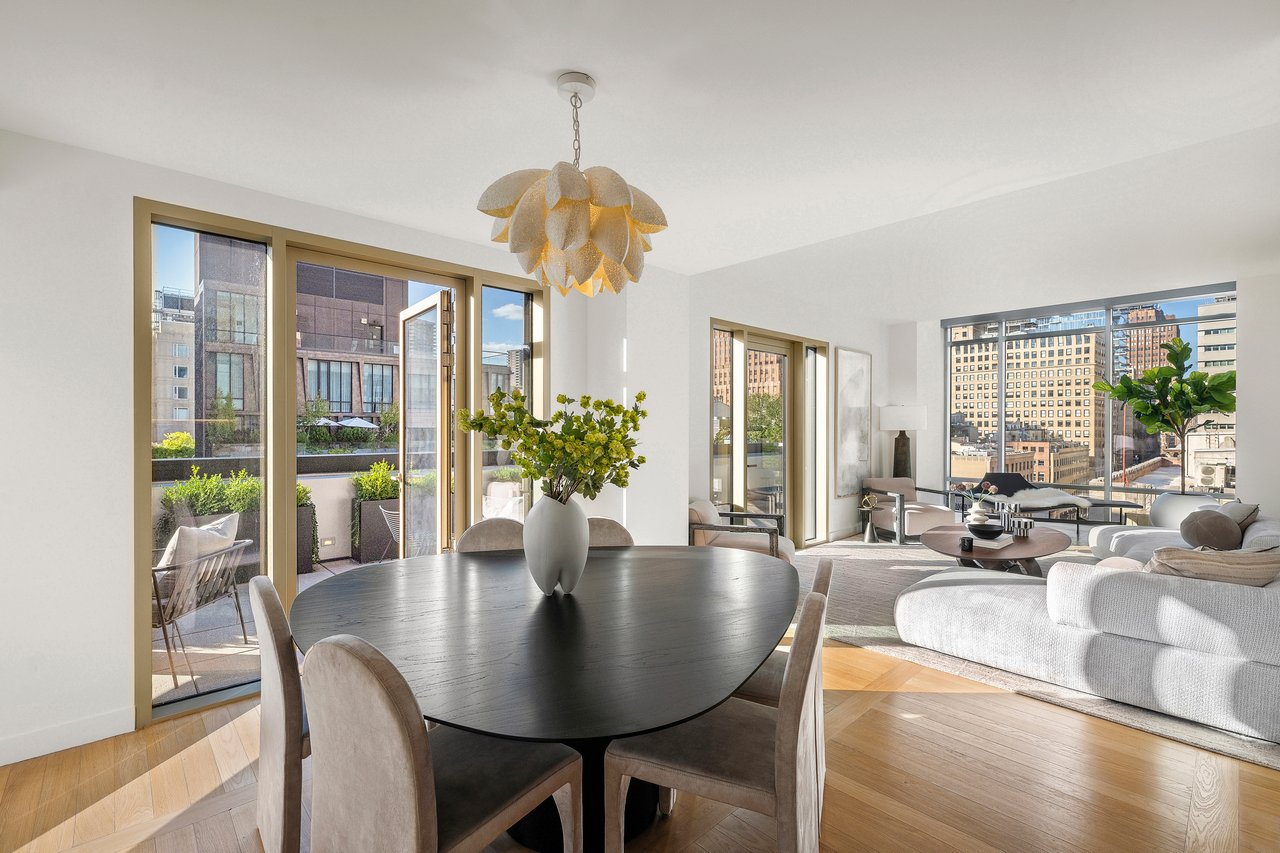
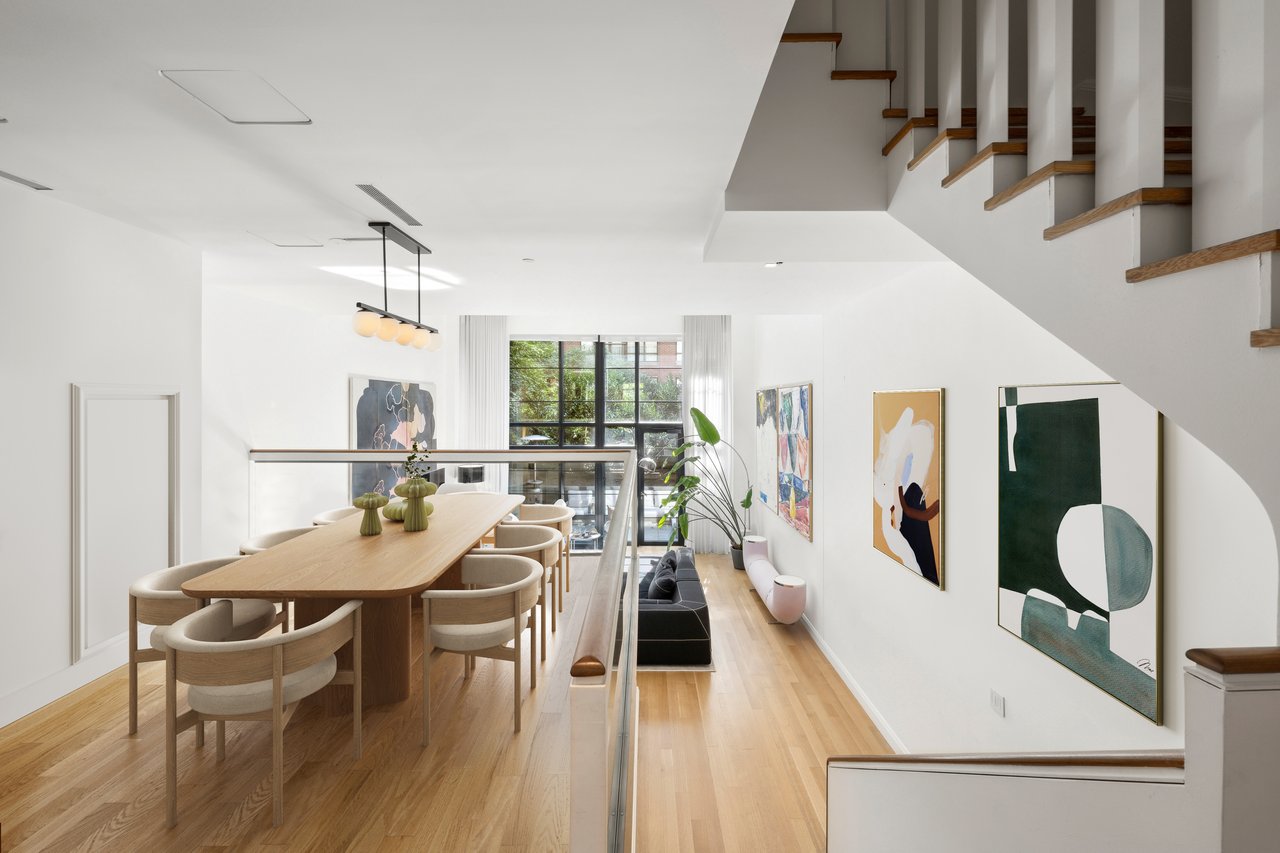
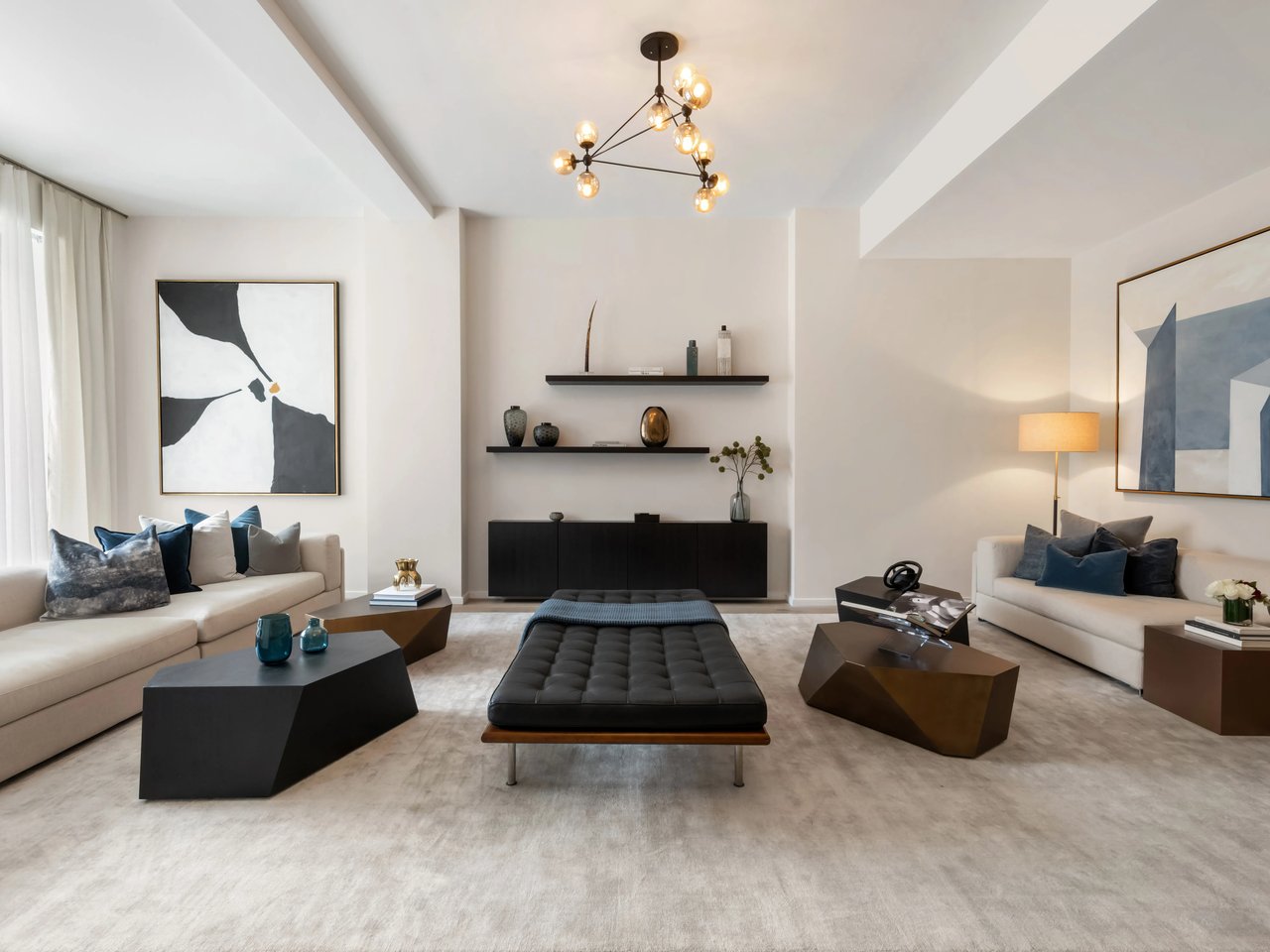
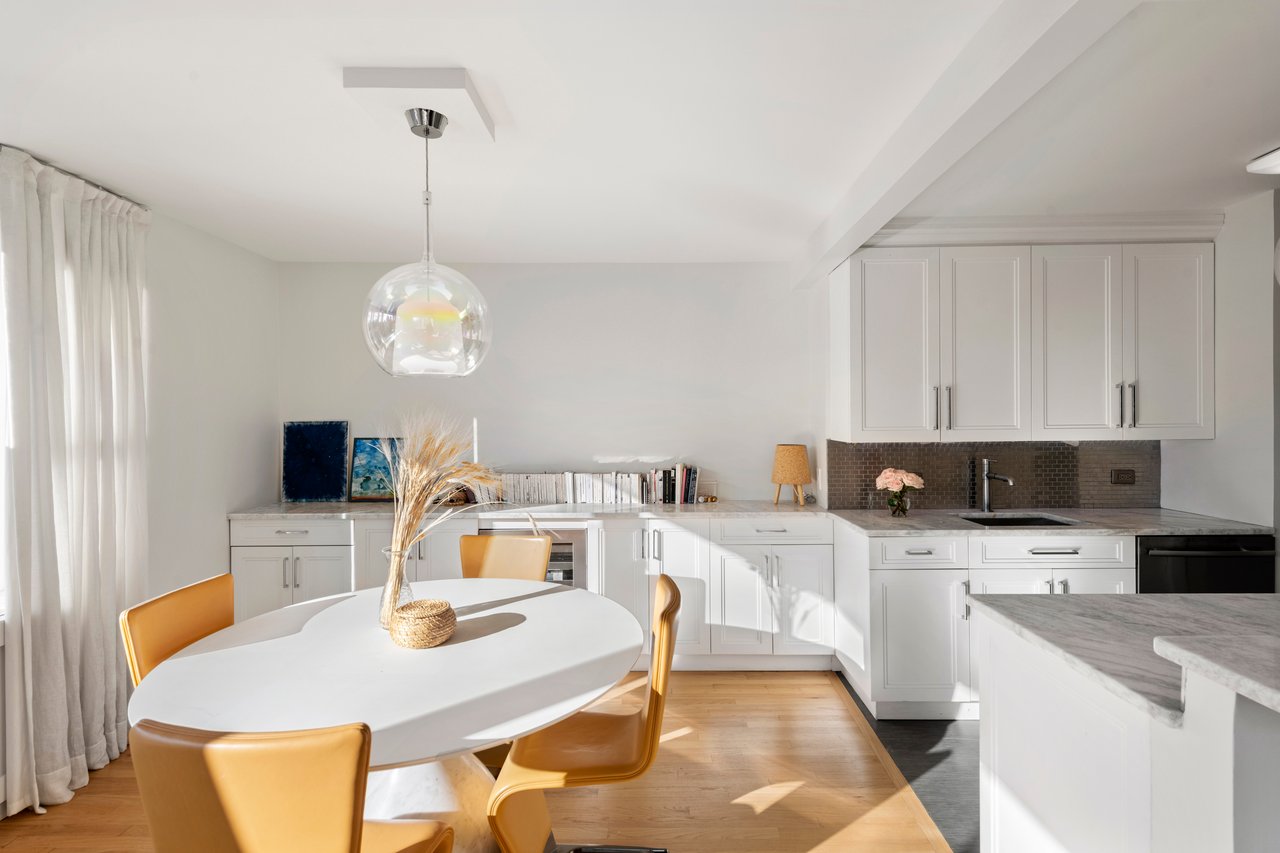
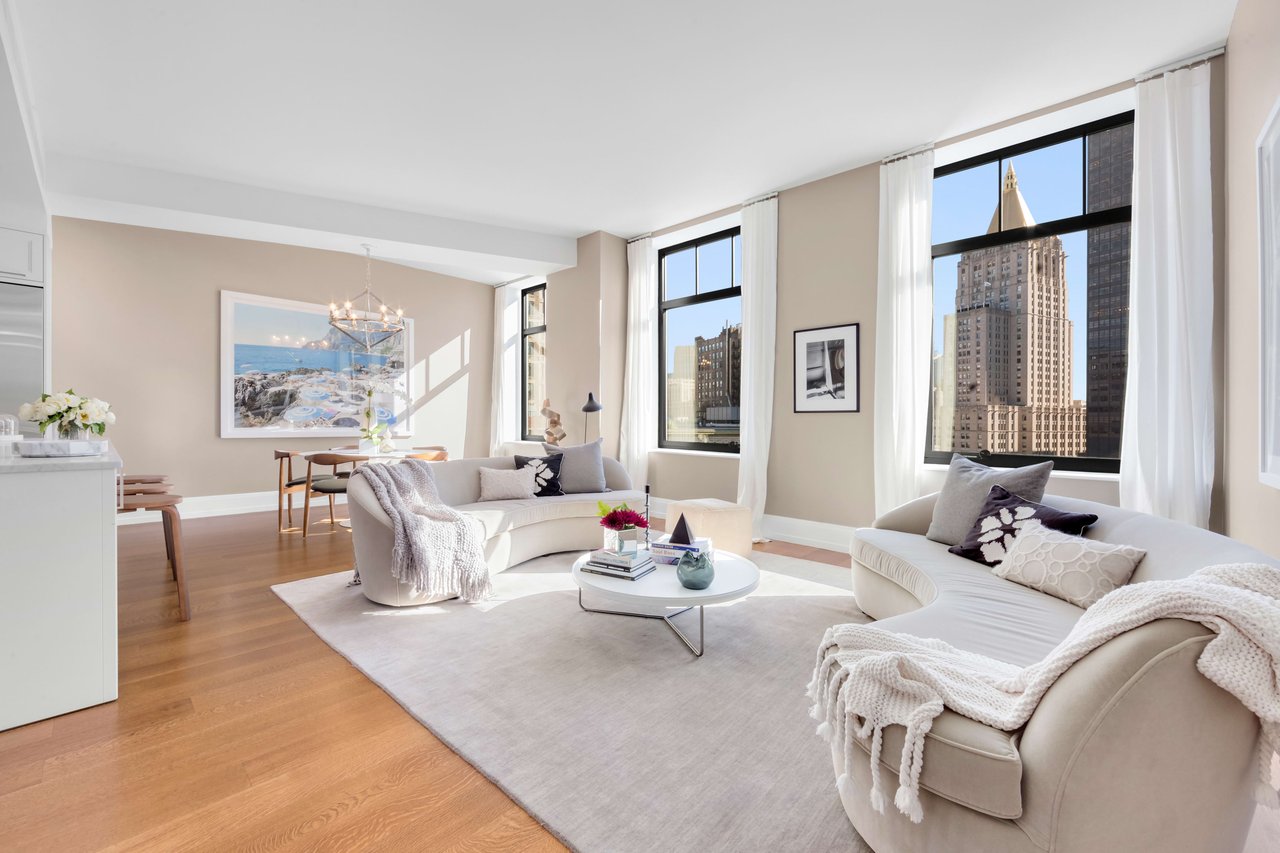
A well-staged Manhattan luxury listing sells roughly 45% faster and can command 5–15% more than an unstaged one. On a $10 million apartment, a $30,000–$50,000 staging investment translates to 600–1,000% ROI. In a market where buyers are comparing dozens of similar listings online before ever booking a showing, presentation isn't decoration — it's the difference between a listing that sits and one that sells at asking or above.
Does Staging Actually Increase the Sale Price?
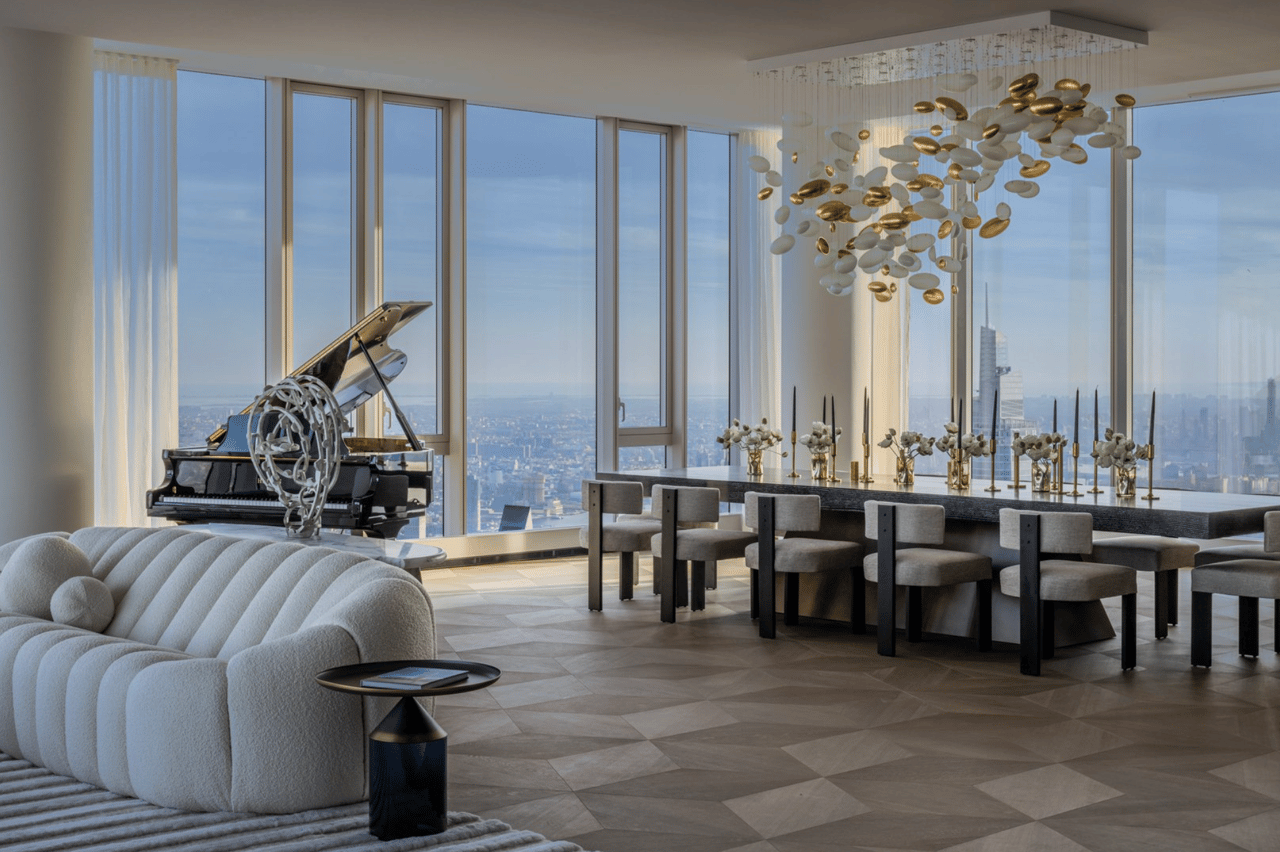
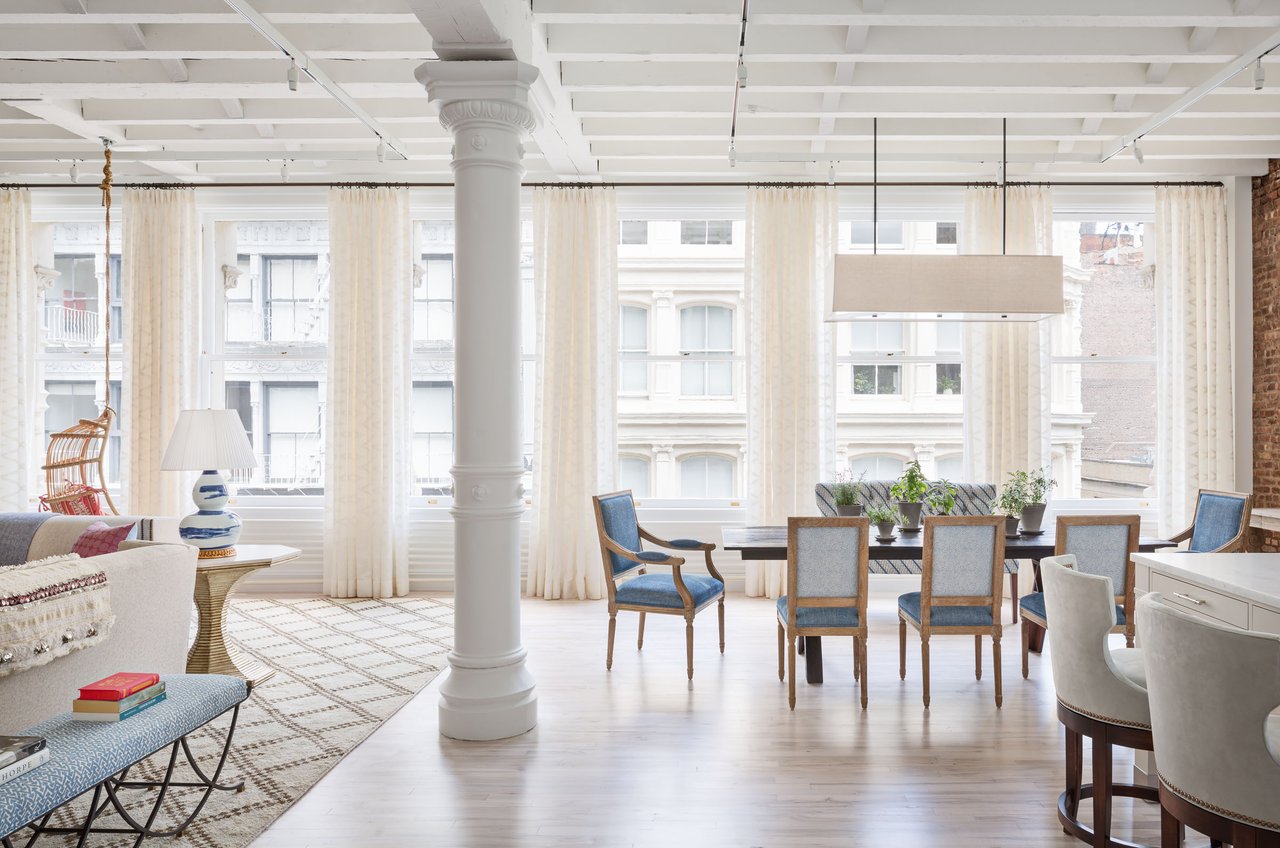
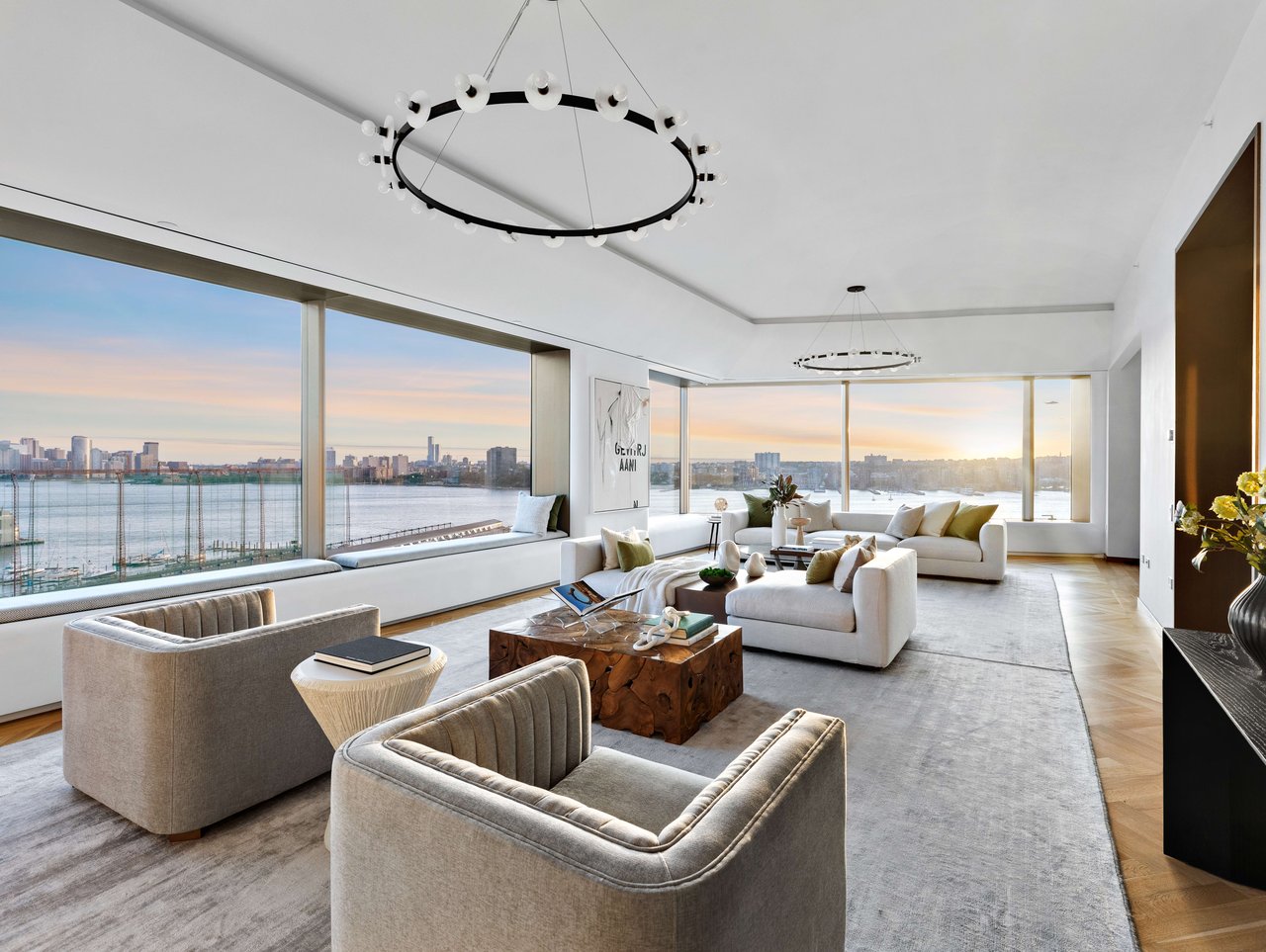
Yes, and the data holds up specifically at the luxury end of the market. Nationally, staged homes sell for 5–15% more than unstaged comparables, with roughly one in five sellers' agents reporting offers 1–5% above asking and another 10% reporting 6–10% above. At Manhattan price points, that percentage translates into real money fast: on a $5 million listing, even the low end of that range is an extra $250,000 at the closing table. Industry data on luxury listings specifically found staged $2 million-plus properties sold 45% faster than the broader market — a gap that widens, not narrows, as price climbs, since buyers at higher price points expect turnkey presentation as a baseline.
Why Do Staged Listings Sell Faster in Manhattan?
Because buyer behavior starts online, not in the apartment. The overwhelming majority of buyers now rule listings in or out from photos before ever requesting a showing — an unstaged or vacant unit photographs cold, makes rooms hard to read for scale, and gets scrolled past in favor of listings that already look move-in ready. Vacant properties in national data spend significantly longer on market and are more likely to require a price cut to attract offers, while staged listings routinely go from listed to under-contract in under three weeks. In Manhattan specifically, where buyers are actively comparing multiple similar units in the same building or neighborhood within days of each other, presentation becomes the tiebreaker — the listing that shows better wins the showing, and often the offer.
What Does Staging a Luxury Manhattan Apartment Actually Cost?
More than a standard staging job, but proportionally small next to the return. National average staging runs $1,849 to a few thousand dollars, but luxury properties cost more to stage properly — rental furniture and décor at a level that matches a $3M+ finish package simply costs more, and many rental companies require a minimum three-month contract regardless of how quickly the unit sells. On true high-end listings, expect a $30,000–$50,000 staging investment. Against that, an NAR-cited 10% price lift on a $10 million property is $1 million in additional sale price — a 600–1,000% return that's difficult to match with almost any other pre-sale investment.
Which Rooms Matter Most When Staging a Manhattan Listing?
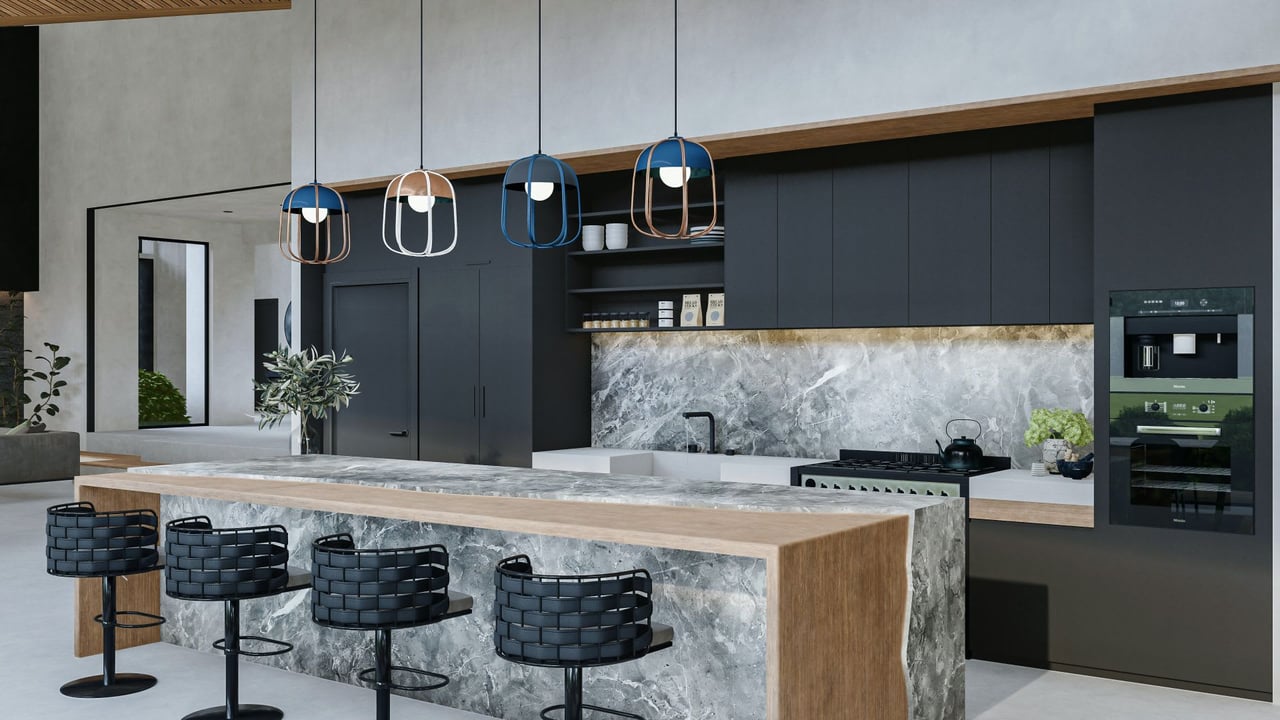
Buyers consistently prioritize the same three spaces. National buyer-agent surveys rank the living room as the most important room to stage (cited by 37% of buyers as their top priority), followed by the primary bedroom (34%) and kitchen (23%). Guest bedrooms and home offices matter least and are often the first rooms professional stagers skip when working with a limited budget or a partial-staging strategy — a common approach in occupied Manhattan apartments where full staging isn't practical.
Vacant vs. Occupied: Does Staging Matter More for One?
Vacant units benefit the most, and by a wide margin. Empty rooms are the hardest for buyers to read — no sense of scale, no warmth, no story. Data on vacant listings specifically shows staged vacant homes selling dramatically faster than their unstaged counterparts. For Manhattan sellers who've already moved out — a common scenario with relocations, estate sales, and new development sponsor units — staging isn't optional at this point; it's the only thing standing between the listing and a cold, hard-to-photograph empty box that buyers skip past online.
Is Staging Worth It in a Competitive or a Slower Market?
Both, though for different reasons. In a hot market, staging helps a listing stand out enough to generate the multiple-offer competition that drives price above asking. In a slower or more buyer-favorable stretch — which is exactly what parts of the co-op market are seeing in 2026 while condo pricing stays firm — staging matters even more, because buyers who have more inventory to choose from gravitate toward the listing that already shows well and skip the ones that don't. If you're weighing whether now is the right moment to list, our market update breaks down current conditions by segment so your staging and pricing strategy match where the market actually stands.
Frequently Asked Questions
- How much does it cost to stage a luxury apartment in Manhattan? High-end staging typically runs $30,000 to $50,000, factoring in the cost of rental furniture and décor at a level matching premium finishes, plus minimum rental contract terms some vendors require regardless of how fast the unit sells.
- Does staging really help a home sell faster in NYC? Yes — luxury listings priced at $2 million-plus that were professionally staged sold roughly 45% faster than the broader market in recent industry data, and staged listings overall spend significantly less time on market than unstaged ones.
- Is staging worth it for a vacant apartment? Especially so. Vacant units photograph the coldest and are hardest for buyers to evaluate for scale and flow, which is why staged vacant listings consistently outperform unstaged vacant listings by the widest margin of any staging comparison.
- Which rooms should I prioritize if I can't stage the whole apartment? The living room, primary bedroom, and kitchen — in that order, based on what buyers consistently rank as most important to their decision. These three rooms alone can carry most of a partial staging strategy's impact.
- Who pays for staging when selling a Manhattan property? Sellers typically cover staging costs upfront, though some listing agents front the expense and are reimbursed at closing if they expect the investment to pay off in a stronger sale price — a strategy worth discussing directly with your agent based on your specific listing.
Ready to showcase your Manhattan property at its best? Contact Elena Ash, licensed real estate agent with Compass, to craft a staging strategy that drives stronger offers and faster sales. Read more about Elena's background and approach.