Before Tribeca became shorthand for a certain kind of New York life — the kind with cobblestone streets, discreet wealth, and a collective agreement not to make too much noise about any of it — John F. Kennedy Jr. and Carolyn Bessette were already living there.
If you've been watching the FX series Love Story on Hulu, you already know the mythology. But the real estate story underneath it is worth telling on its own terms.
The Apartment
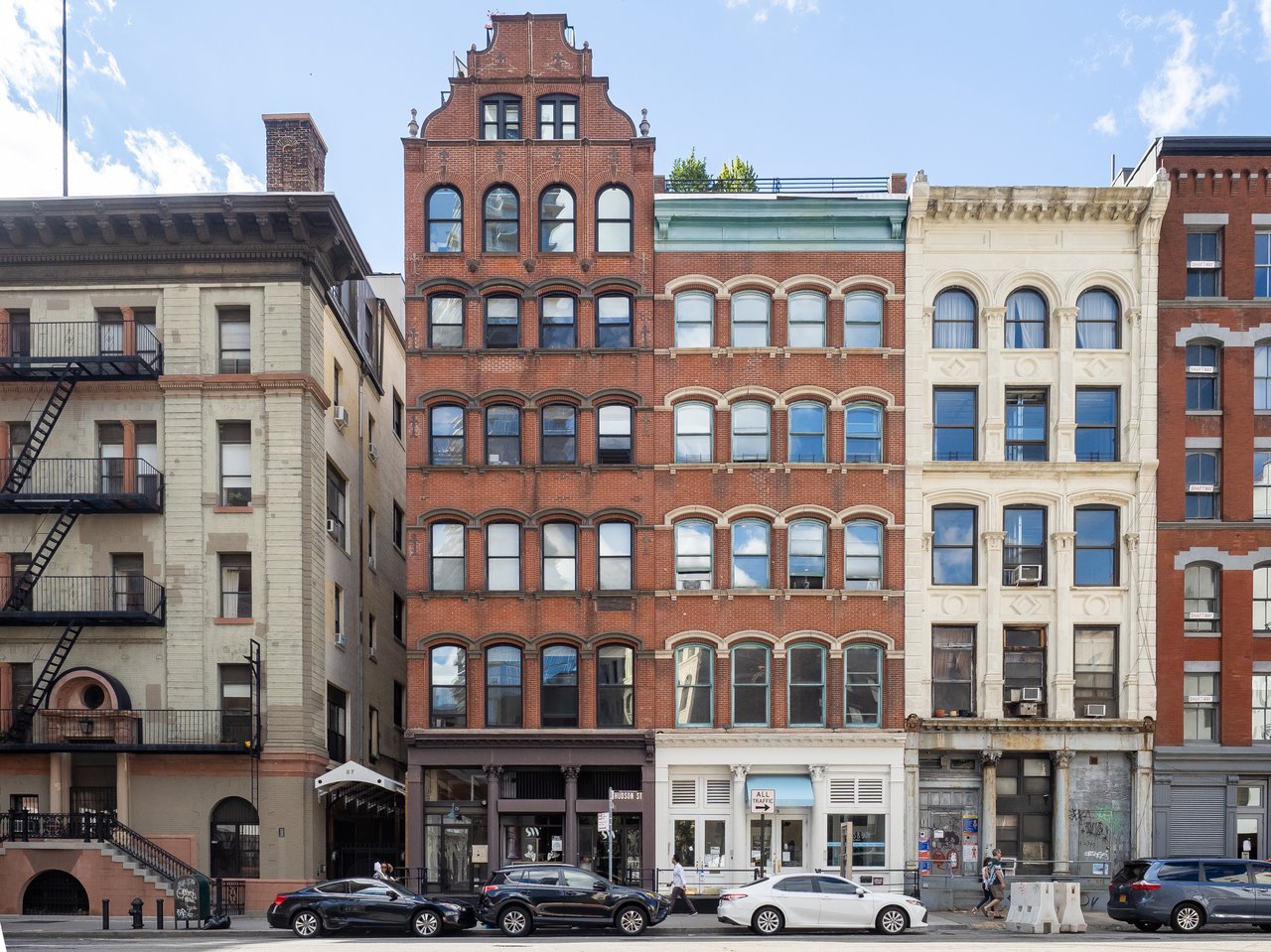
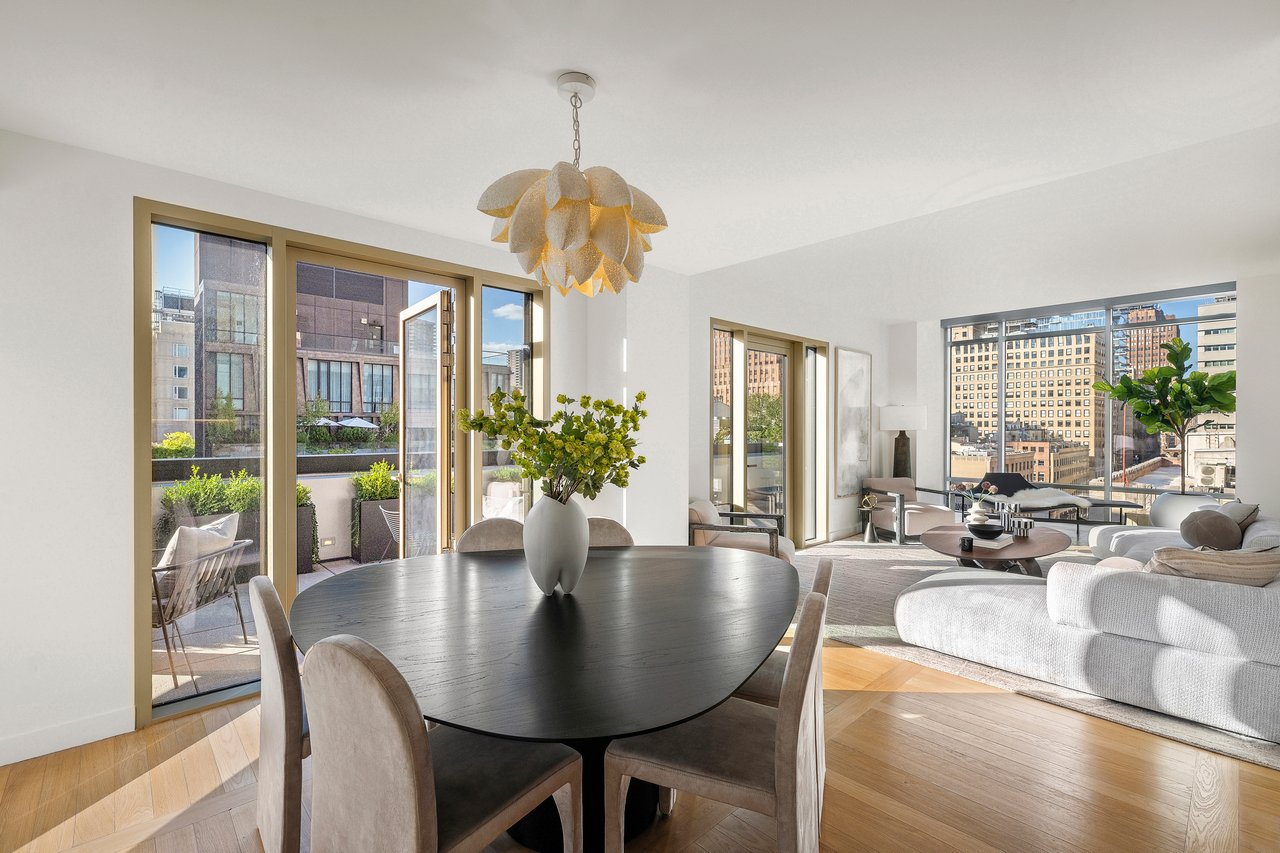
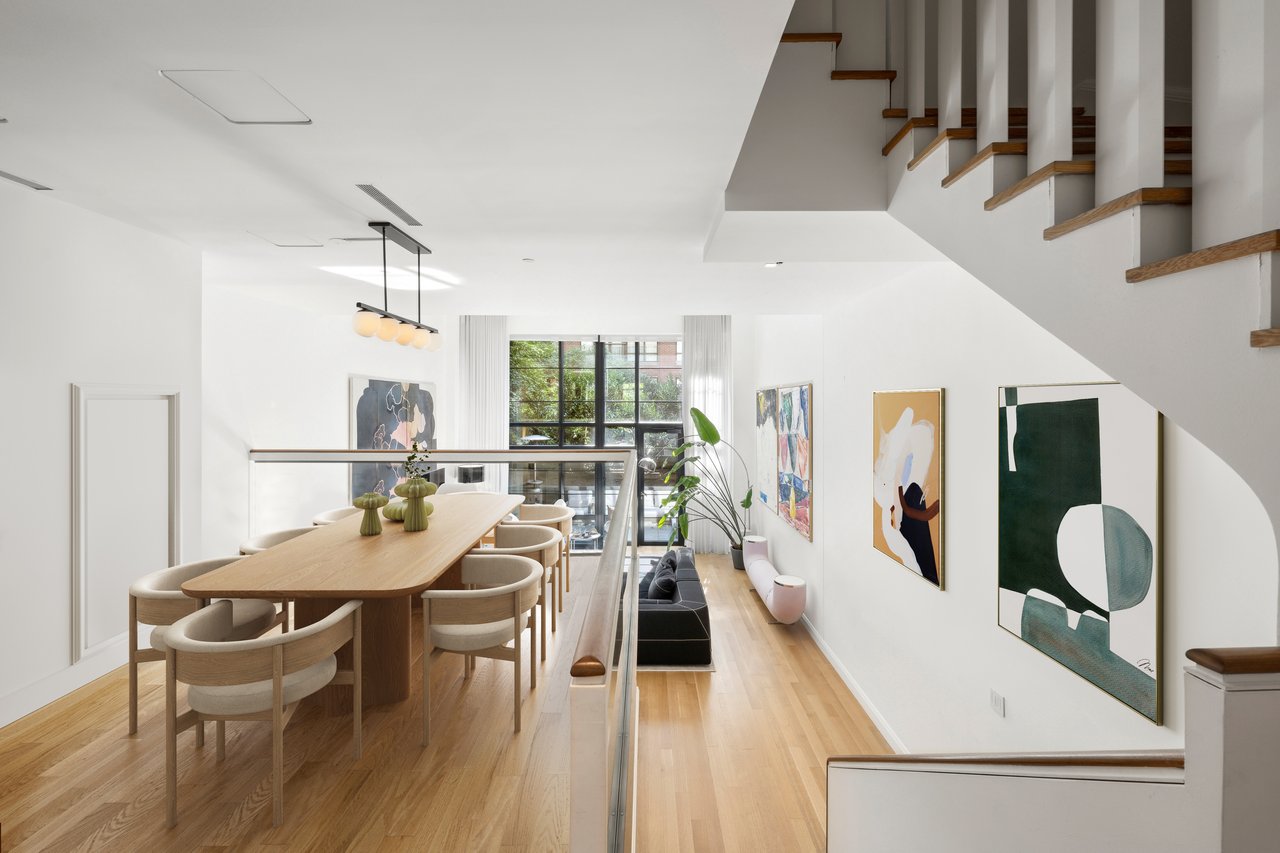
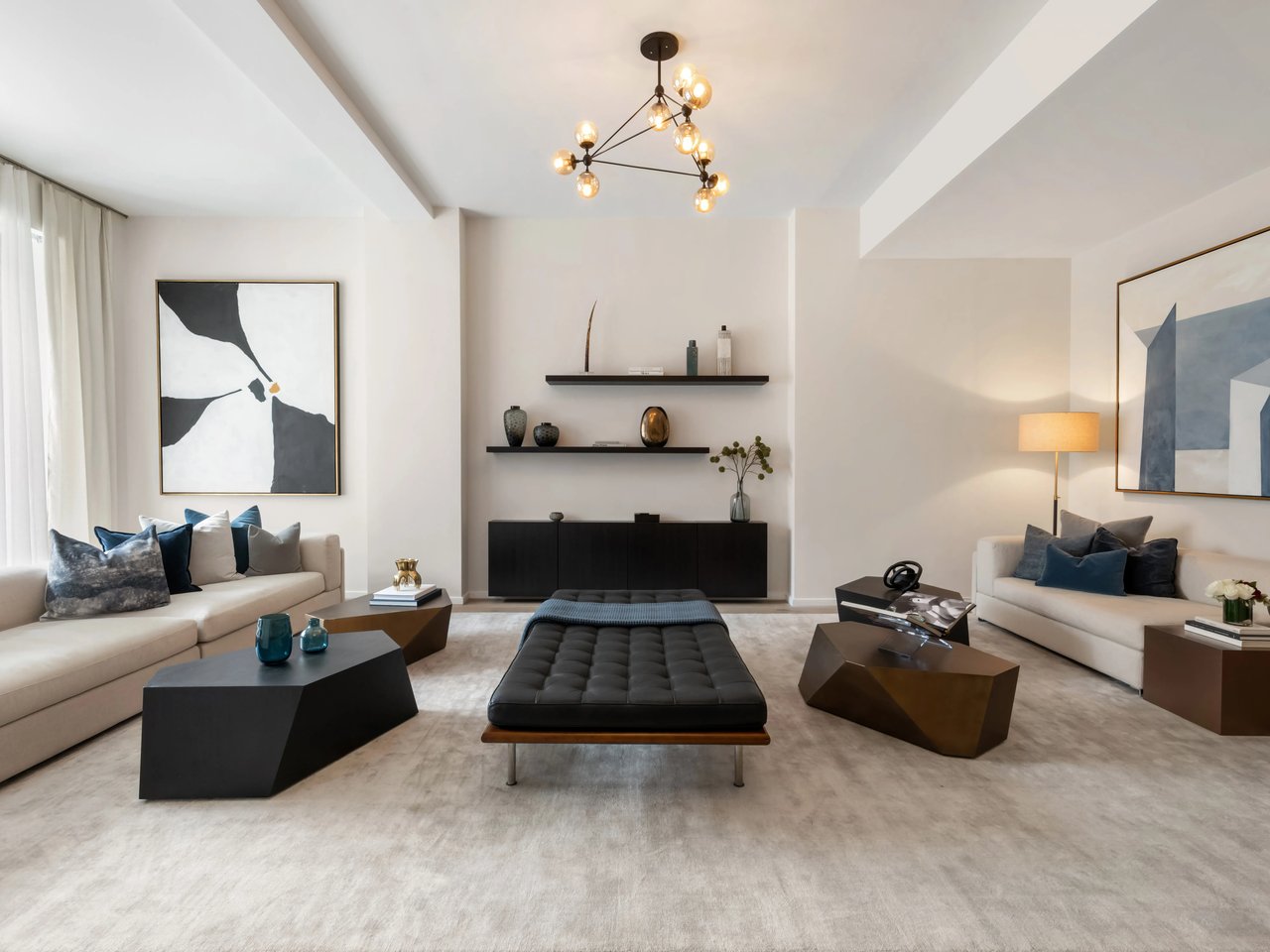
In 1994, JFK Jr. purchased a top-floor loft at 20 North Moore Street for approximately $700,000. At the time, Tribeca wasn't what it is today. It was industrial. Quiet. Slightly ahead of the mainstream. The kind of neighborhood that appealed to people who wanted space and anonymity over address recognition.
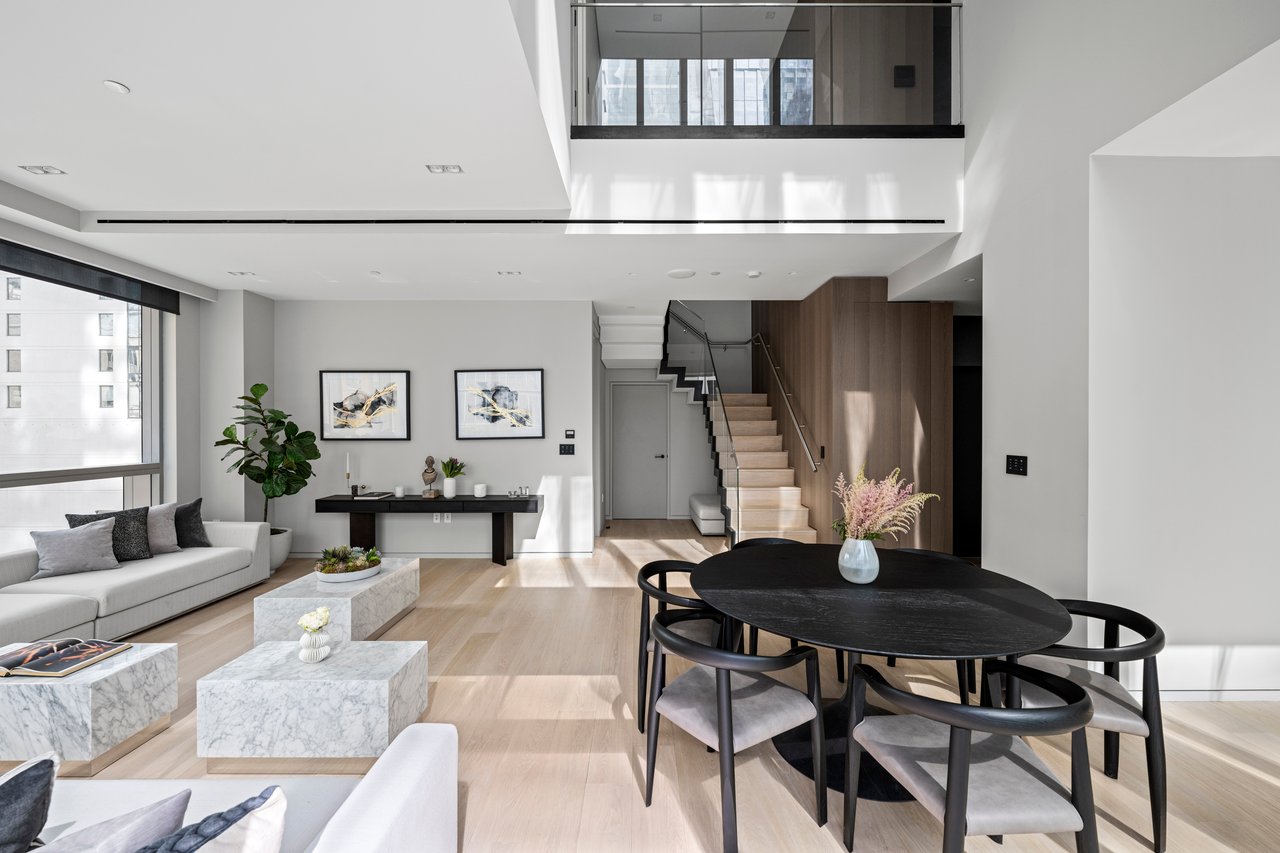
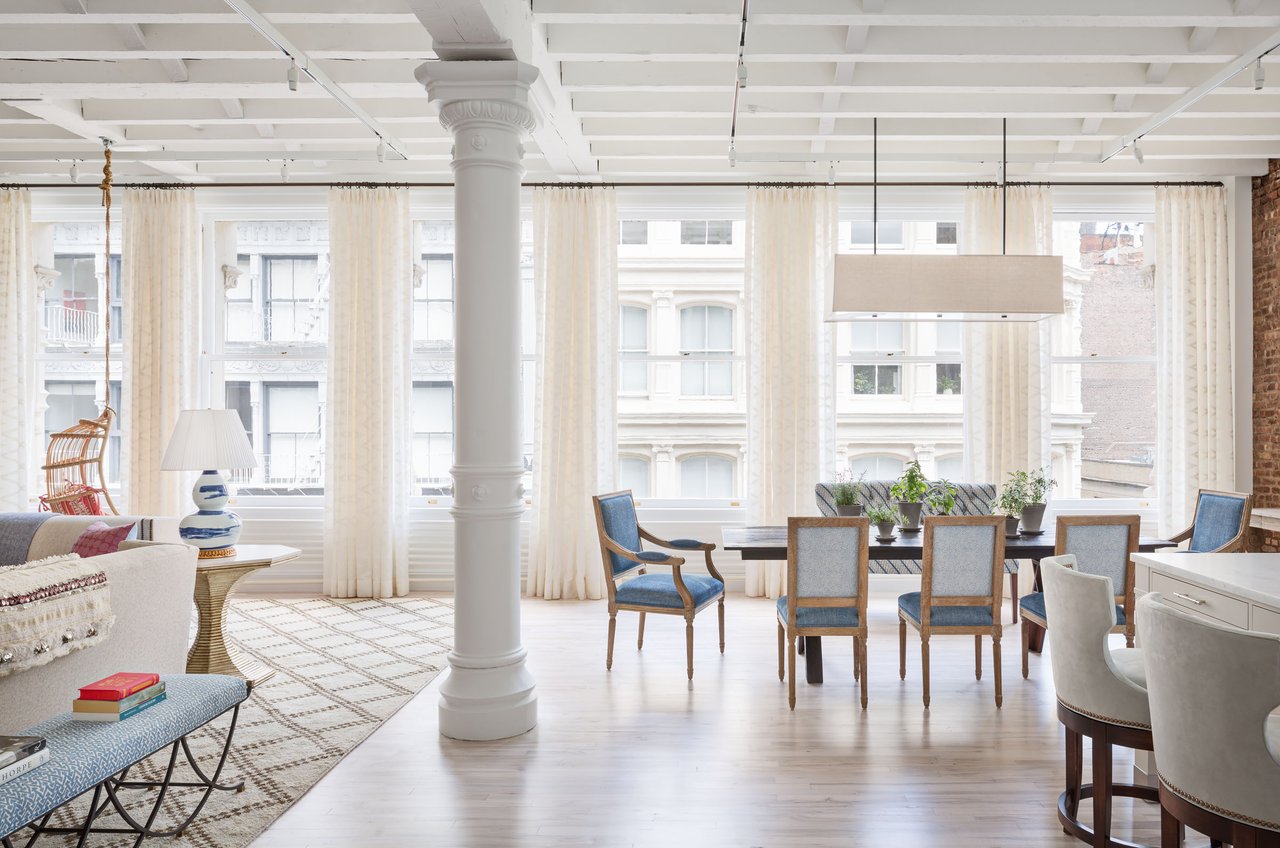
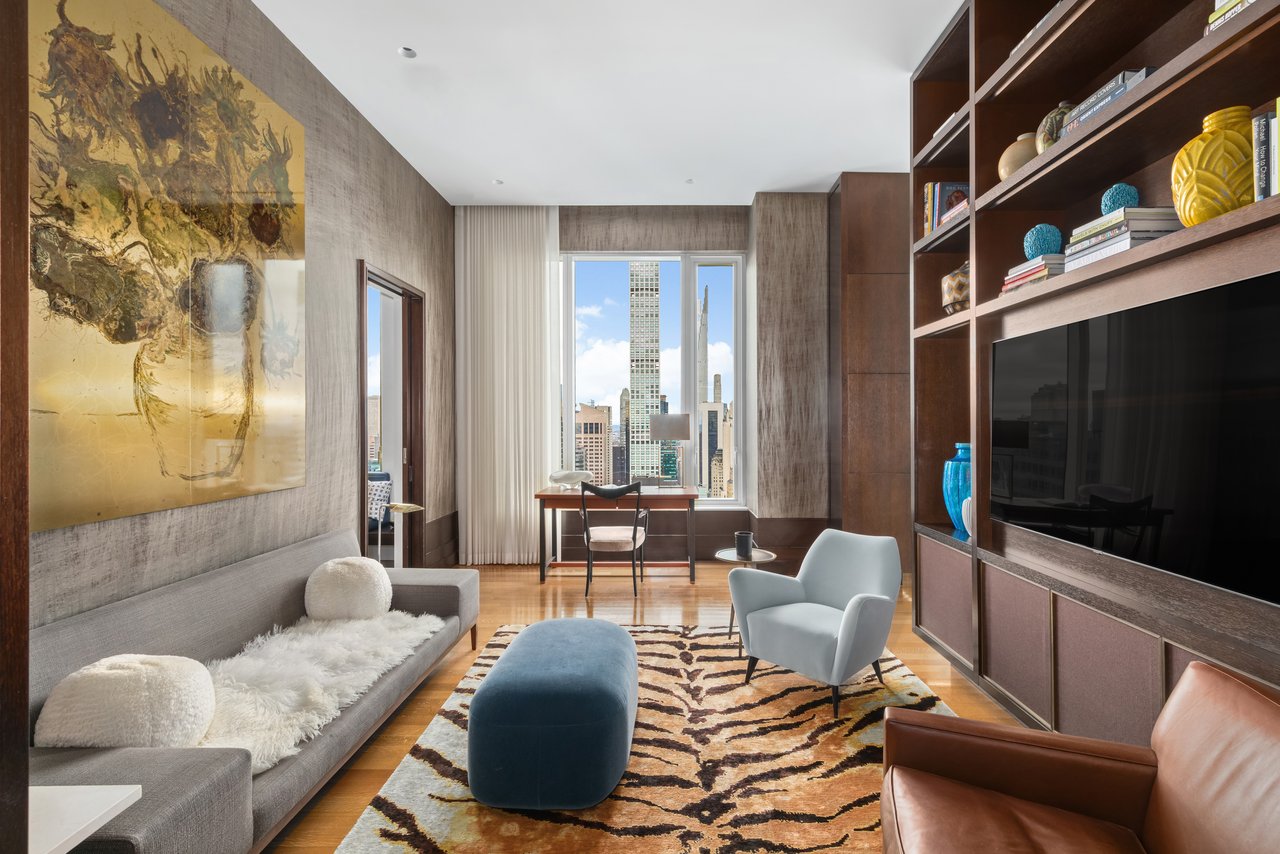
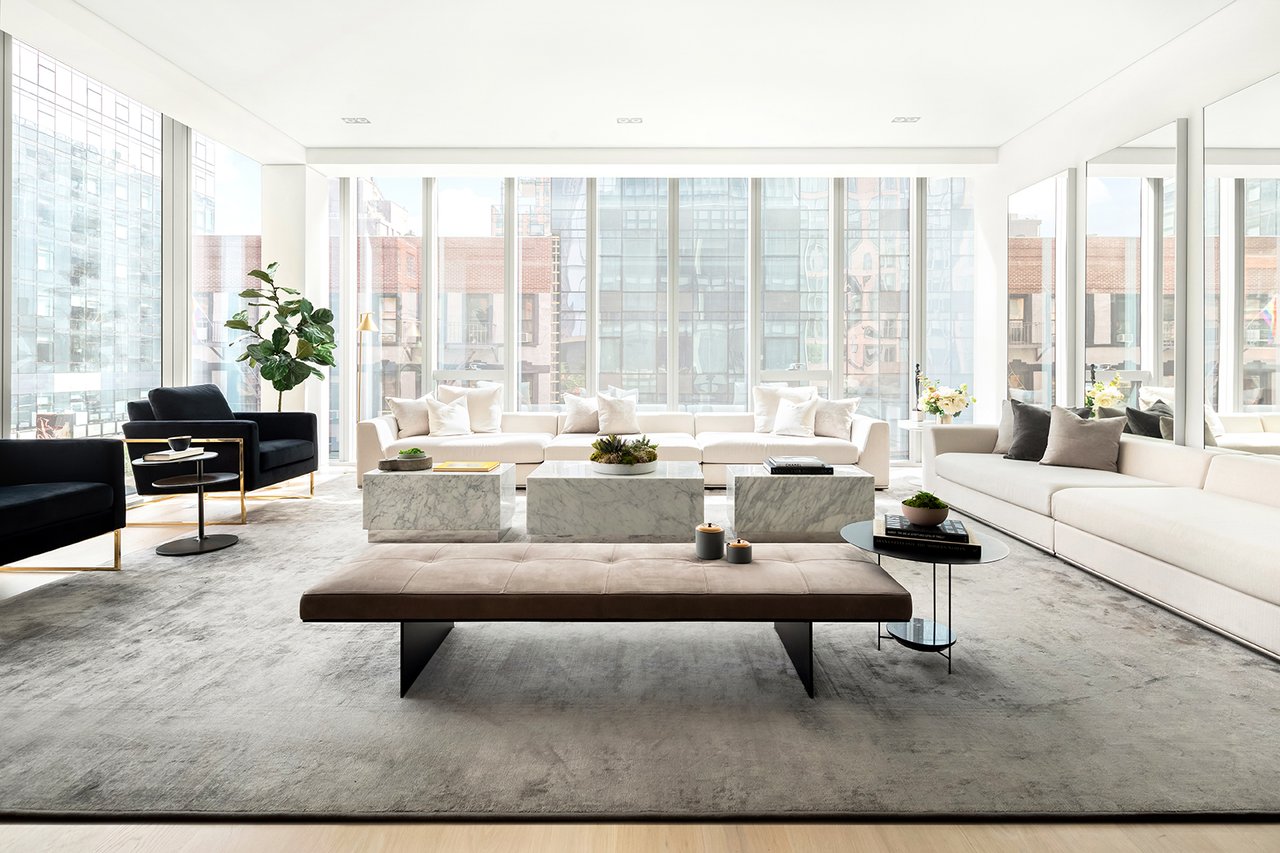
The apartment itself reflected exactly that instinct: full-floor proportions, high ceilings, industrial bones, nothing gratuitous. John was running George magazine. Carolyn was at Calvin Klein. Their aesthetic was polished but deliberately anti-establishment. They were not Fifth Avenue people. They were downtown by conviction.
Six years later, after the tragedy of 1999, that loft sold for roughly $2.5 million — more than triple what he paid. Comparable full-floor units in the building have since traded in the $4 to $5 million range.
The arc from $700,000 to nearly $5 million in under three decades isn't hype. It's what happens when you buy architectural integrity in a neighborhood before it fully arrives.
Tribeca rewarded that bet. Manhattan almost always rewards that kind of patience.
What the 20 North Moore Story Actually Teaches Us
New York doesn't appreciate everything. It's selective.
What it rewards consistently is scarcity, permanence, and restraint — buildings with real loft proportions and historic bones, in neighborhoods with a genuine identity that can't be manufactured or replicated elsewhere. Tribeca has all of that. It has it more than almost anywhere else in the city. And the supply of truly irreplaceable product there is only getting smaller.
JFK Jr. didn't choose 20 North Moore because it was the most prestigious address available to him. He could have lived anywhere. He chose it because it matched something true about who he was — and it turned out that the market agreed with that instinct for decades afterward.
That's the real lesson. Not that Tribeca became valuable. But that it became valuable because the people who chose it early were choosing permanence before permanence became obvious.
The Broader Kennedy Downtown Blueprint
Their choice of Tribeca wasn't accidental or purely aesthetic. It was a statement about how they wanted to move through the world. Downtown in the mid-90s was still emerging — not yet the glossy, stroller-lined neighborhood it would become. It required a certain confidence to choose it, a willingness to bet on bones over branding.
That confidence turned out to be extraordinarily well placed.
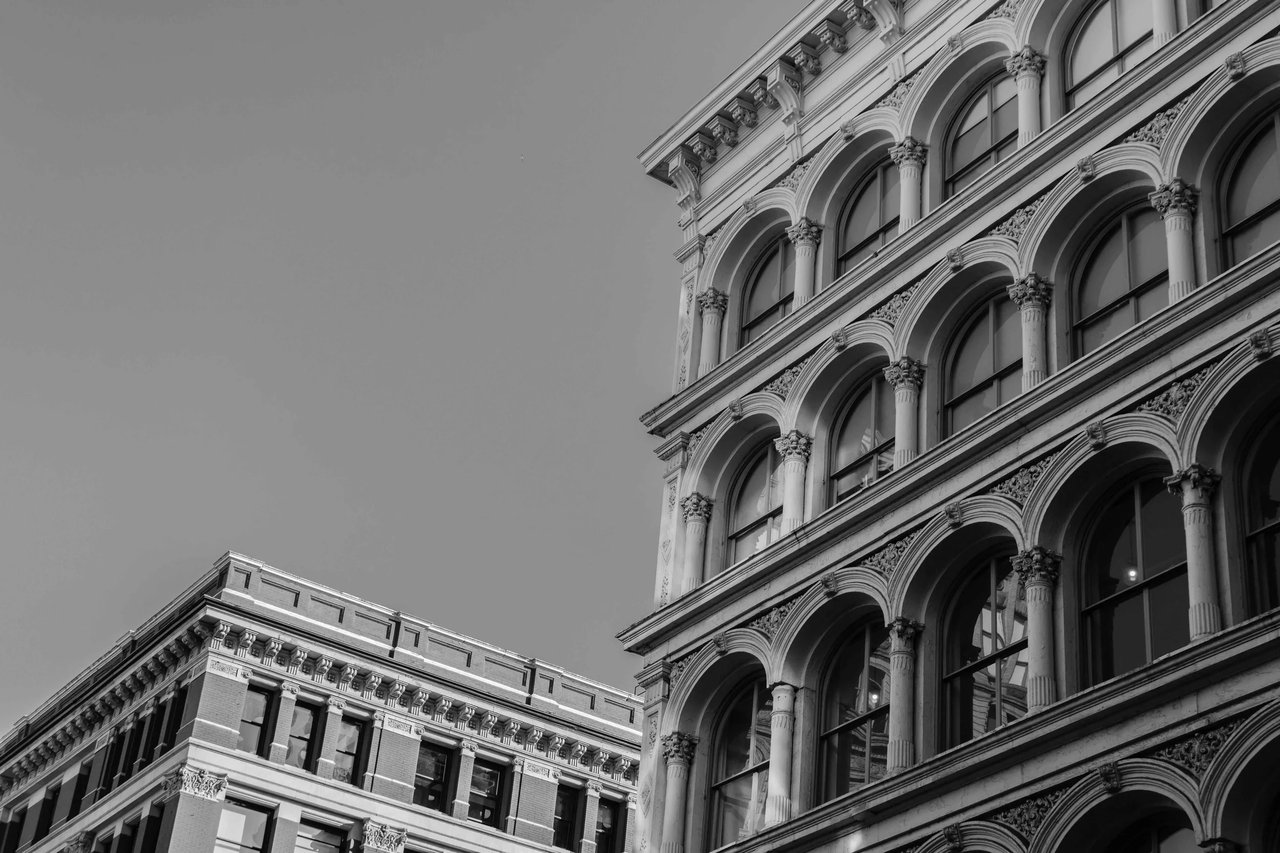
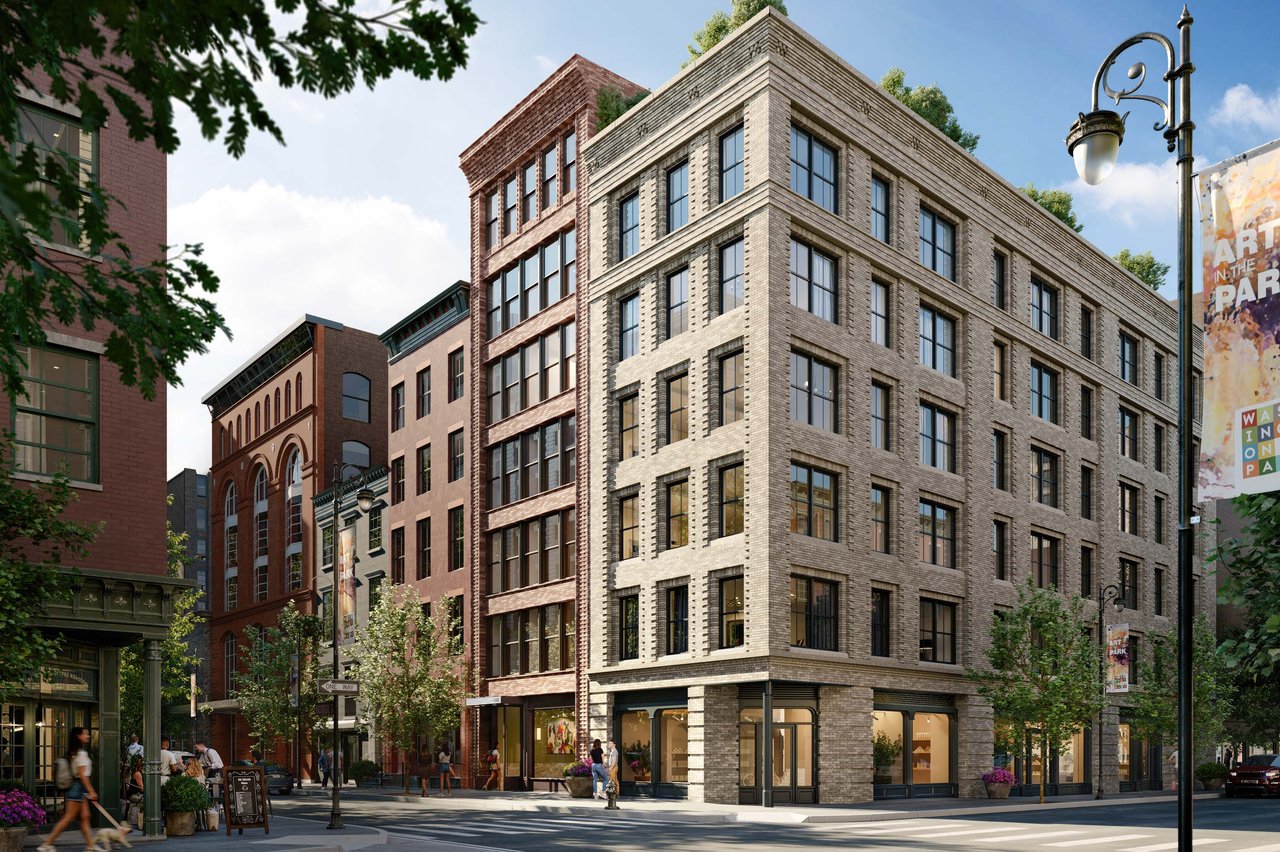
The cobblestone streets, the cast-iron architecture, the loft proportions that simply cannot be rebuilt — these aren't features that date. They're features that compound. Every year that passes without new supply of genuinely comparable product makes the existing inventory more valuable, not less.
This is what separates Tribeca from neighborhoods that simply became fashionable. Tribeca became foundational. There is a difference, and it shows up in the price history.
What It Means to Buy Here Now
The buyers I work with who are drawn to Tribeca are not chasing a trend. The trend is decades old. What they're recognizing is something more durable: that a neighborhood with this combination of architectural authenticity, cultural history, limited supply, and established cachet is genuinely rare on a global scale.
Tribeca is not cheap. It was never meant to be. But within the context of what Manhattan offers — and what the world offers, for buyers who are thinking across borders — the value proposition of owning a true loft in this neighborhood remains one of the most compelling in the city.
The window JFK Jr. walked through in 1994 is closed. But the underlying logic that made that bet a good one — buy architectural integrity in a place with a real identity and finite supply — still applies. It applies right now, to the right properties, for buyers who are paying attention.
A Final Thought
When you look at a Tribeca loft today, you're not just looking at square footage and ceiling height. You're looking at the accumulated result of fifty years of artists, activists, visionaries, and yes, a few mythologized couples who chose downtown before downtown chose them back. That history doesn't add sentimentality to a purchase. It adds permanence.
And in New York real estate, permanence is the only thing that has ever really mattered.
If you're looking for that kind of property — at any scale — I'd love to help you find it.