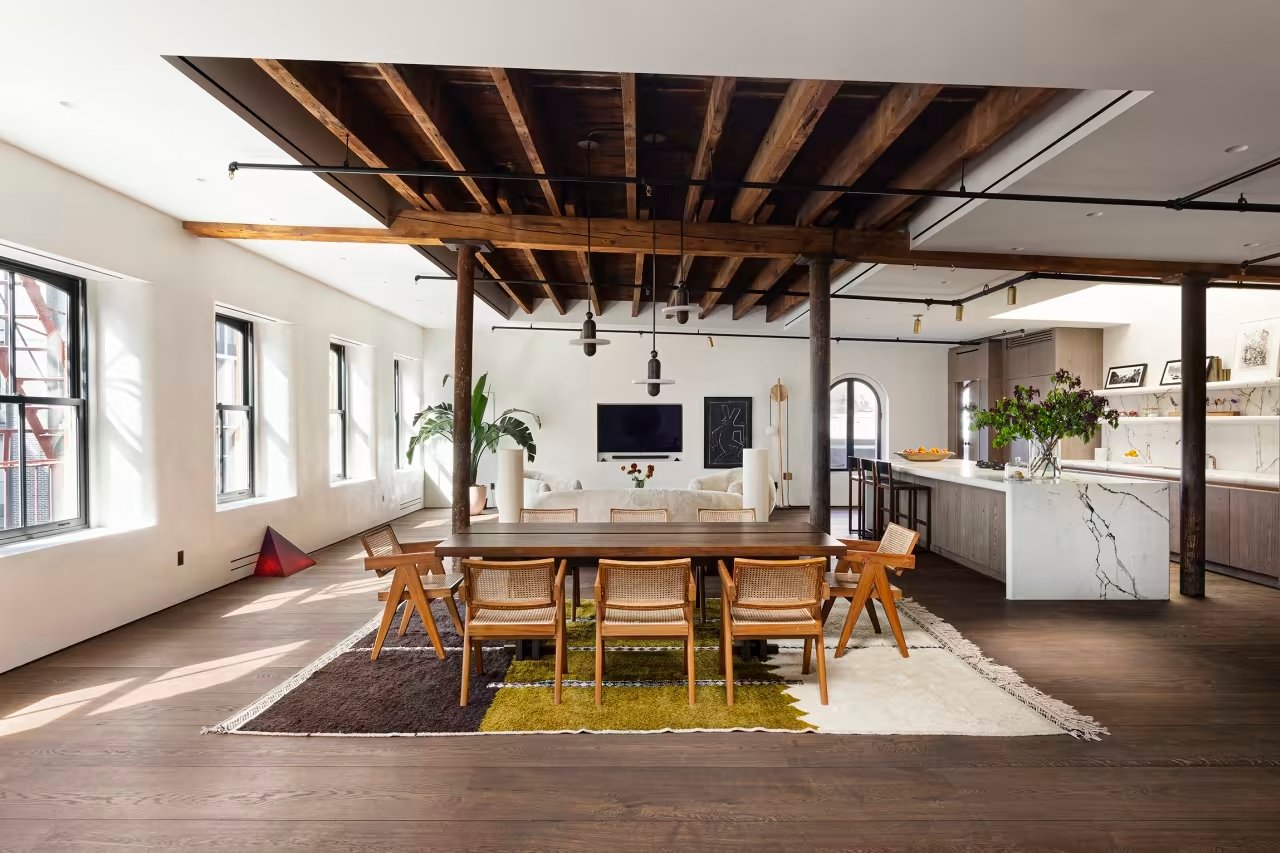
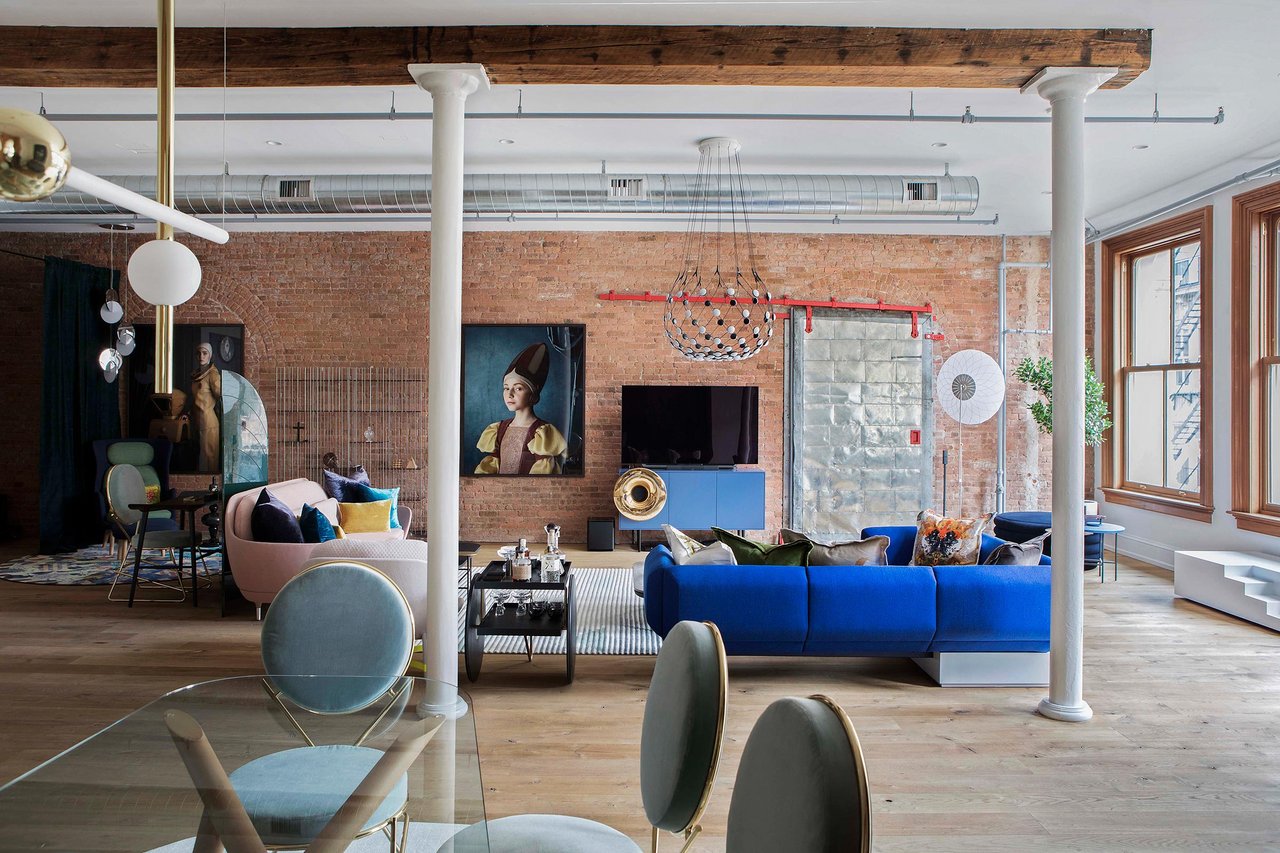
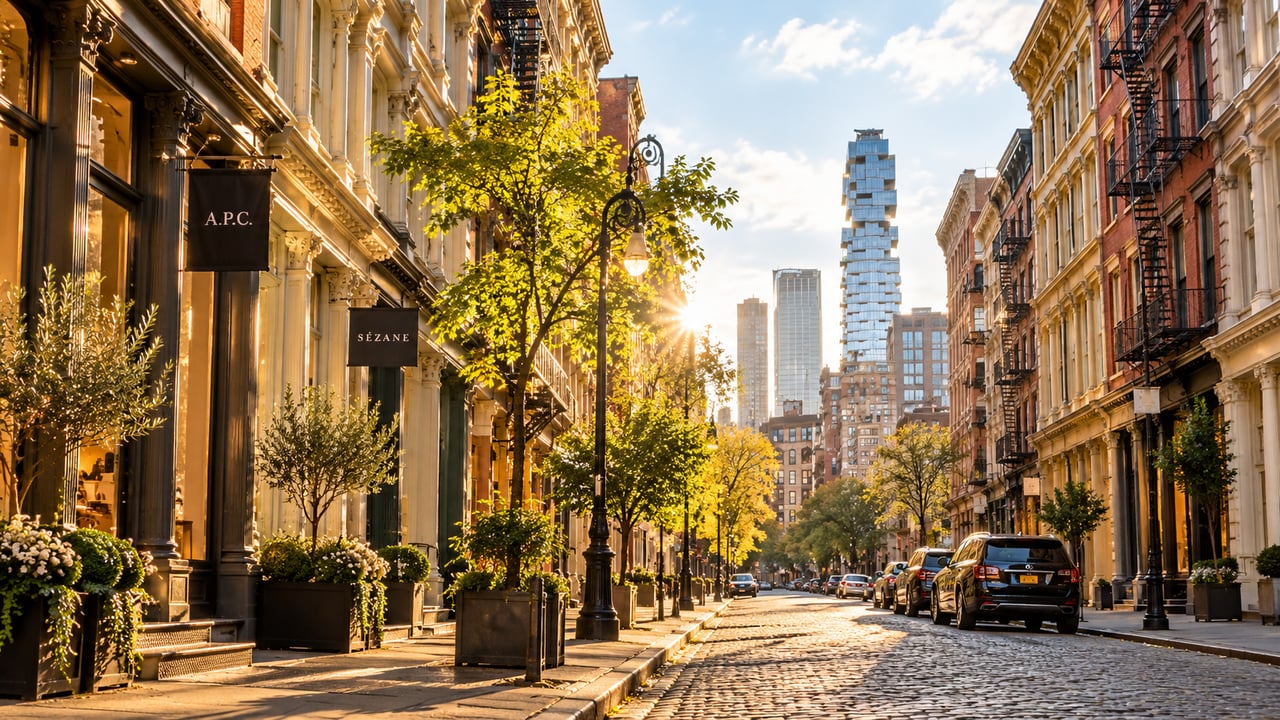
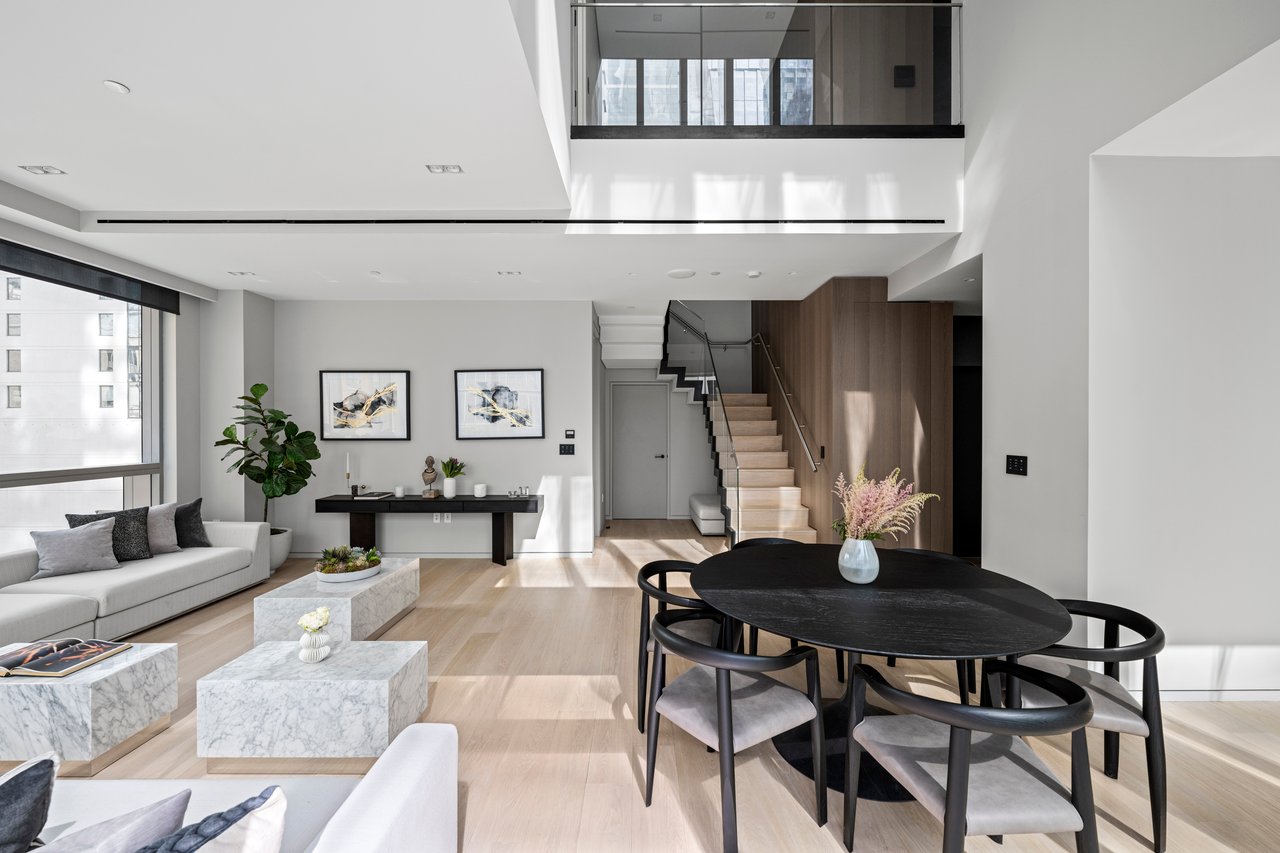
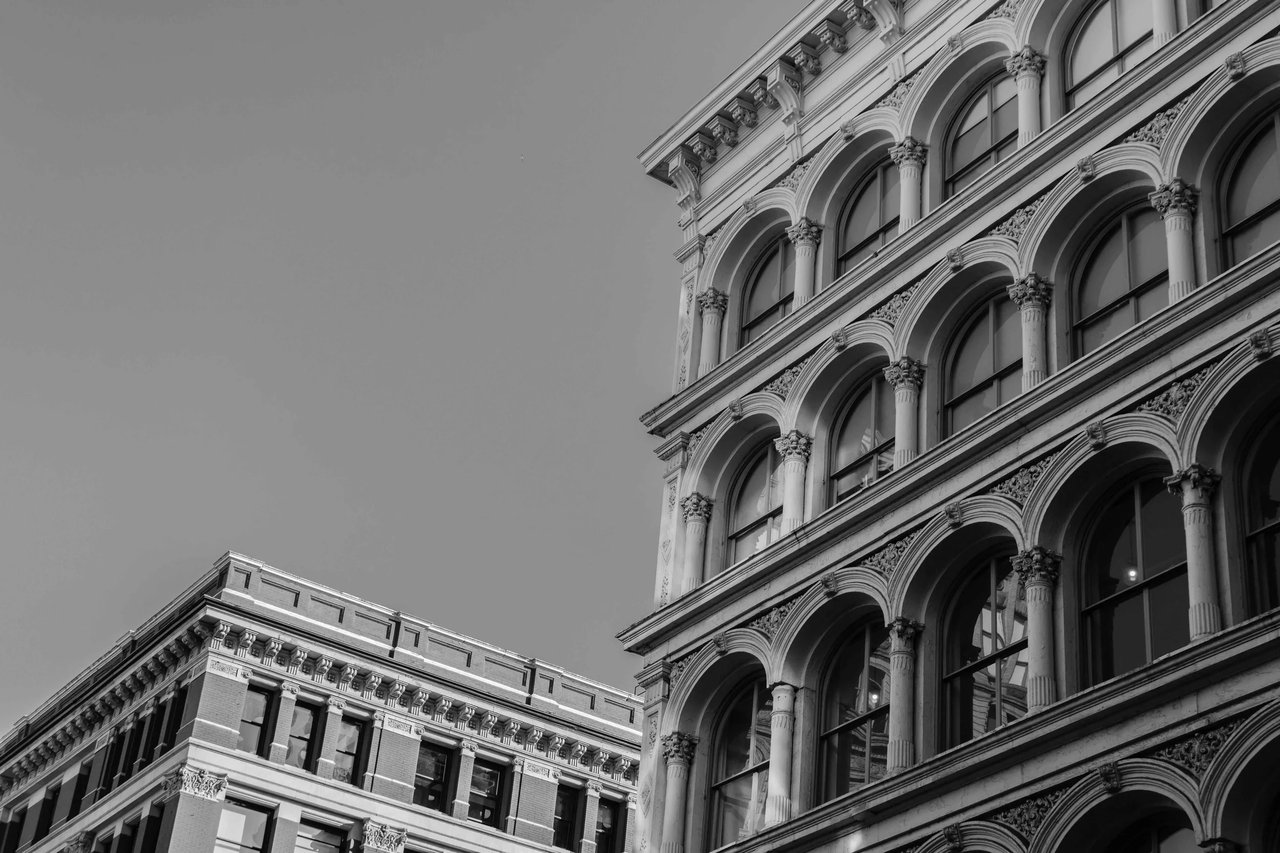
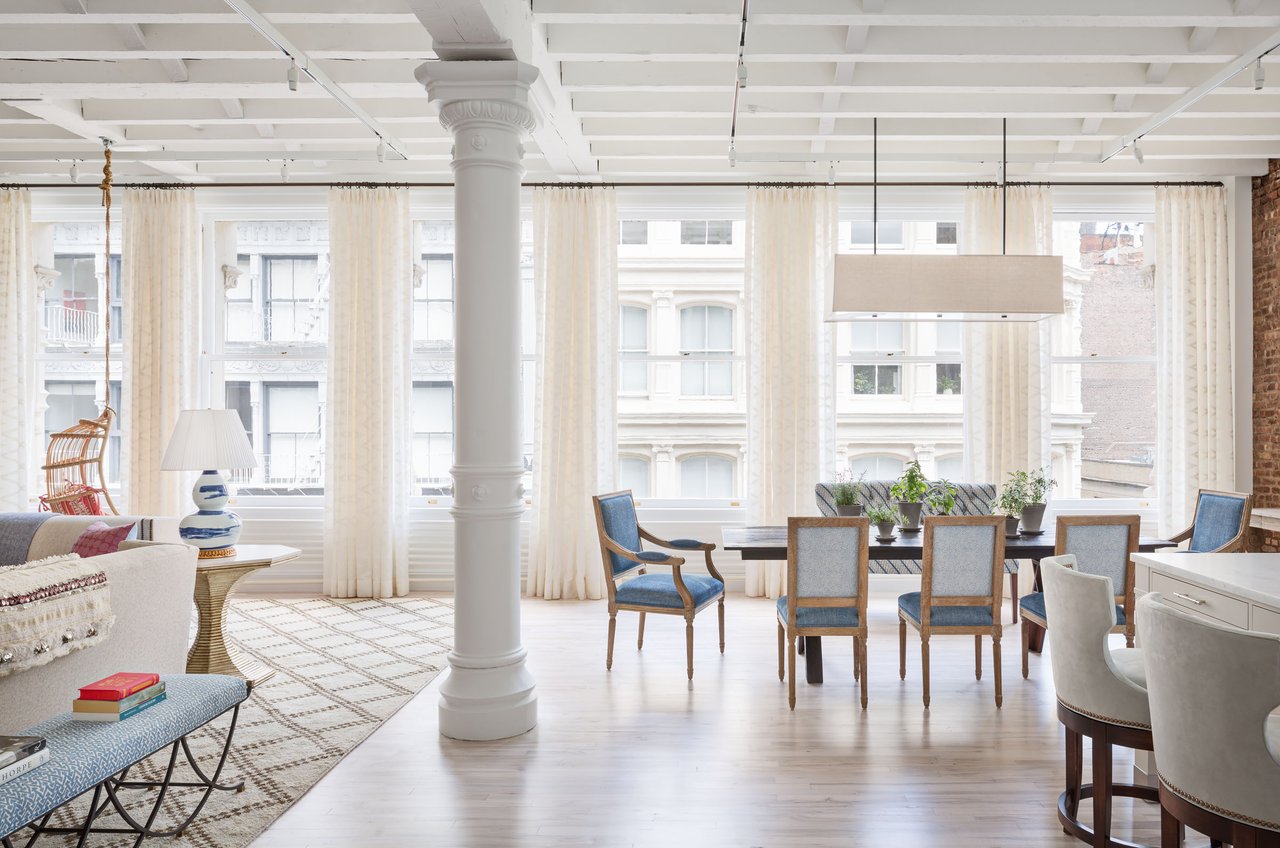
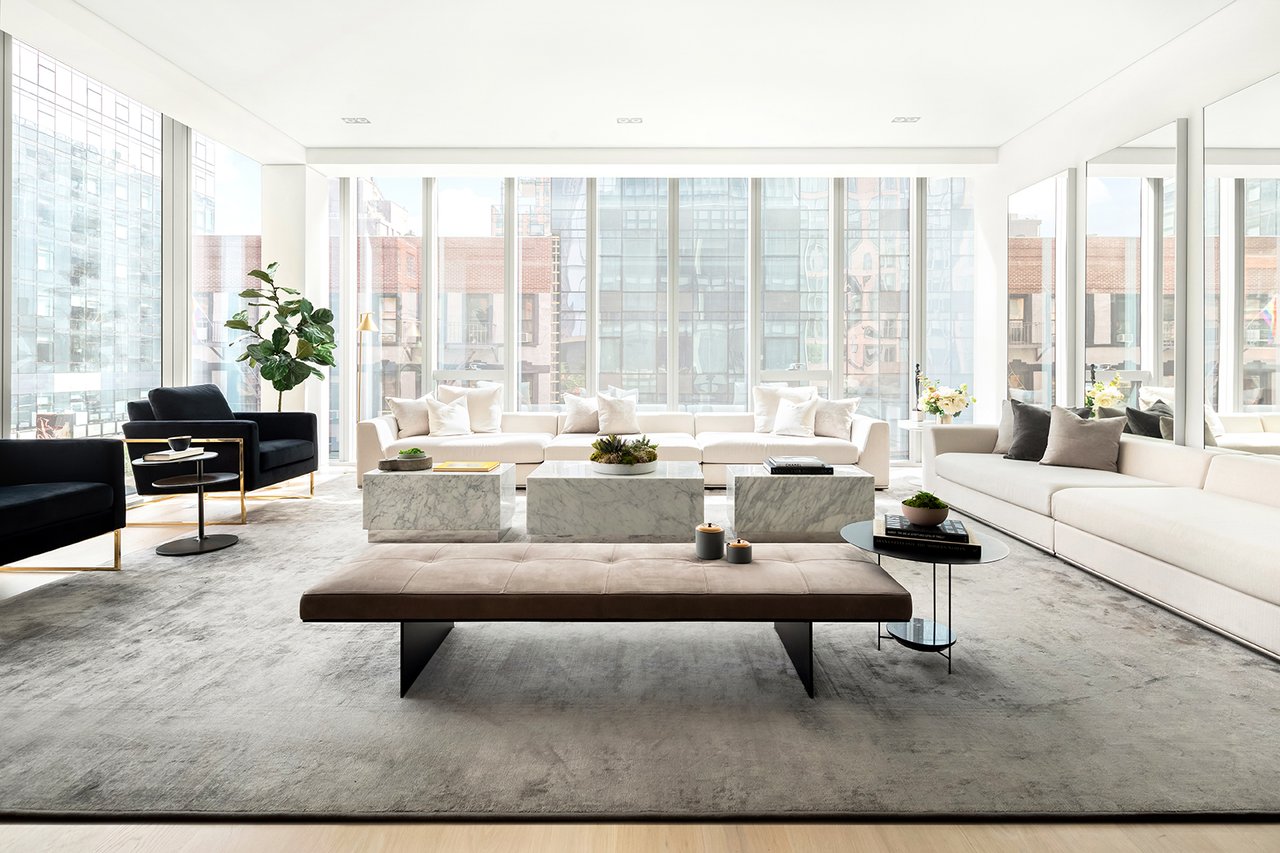
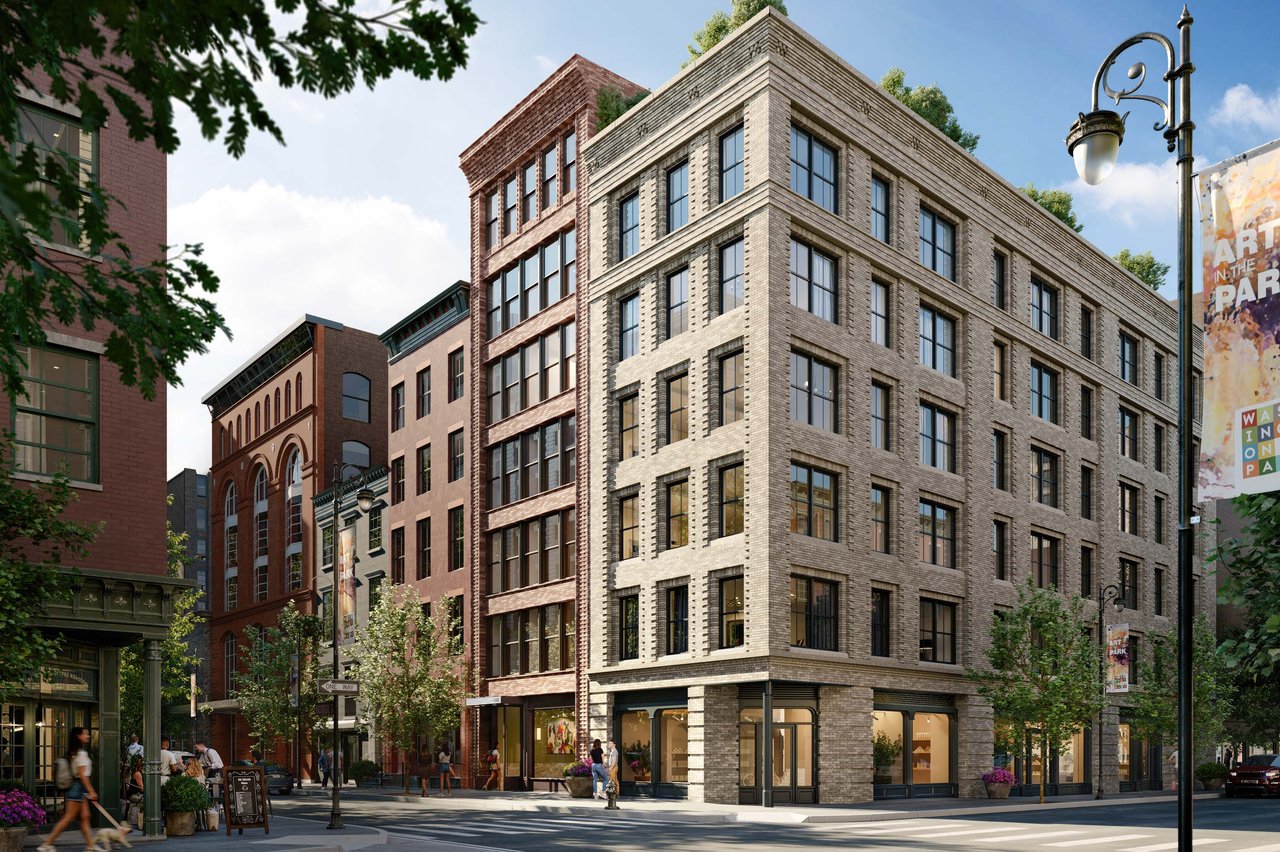
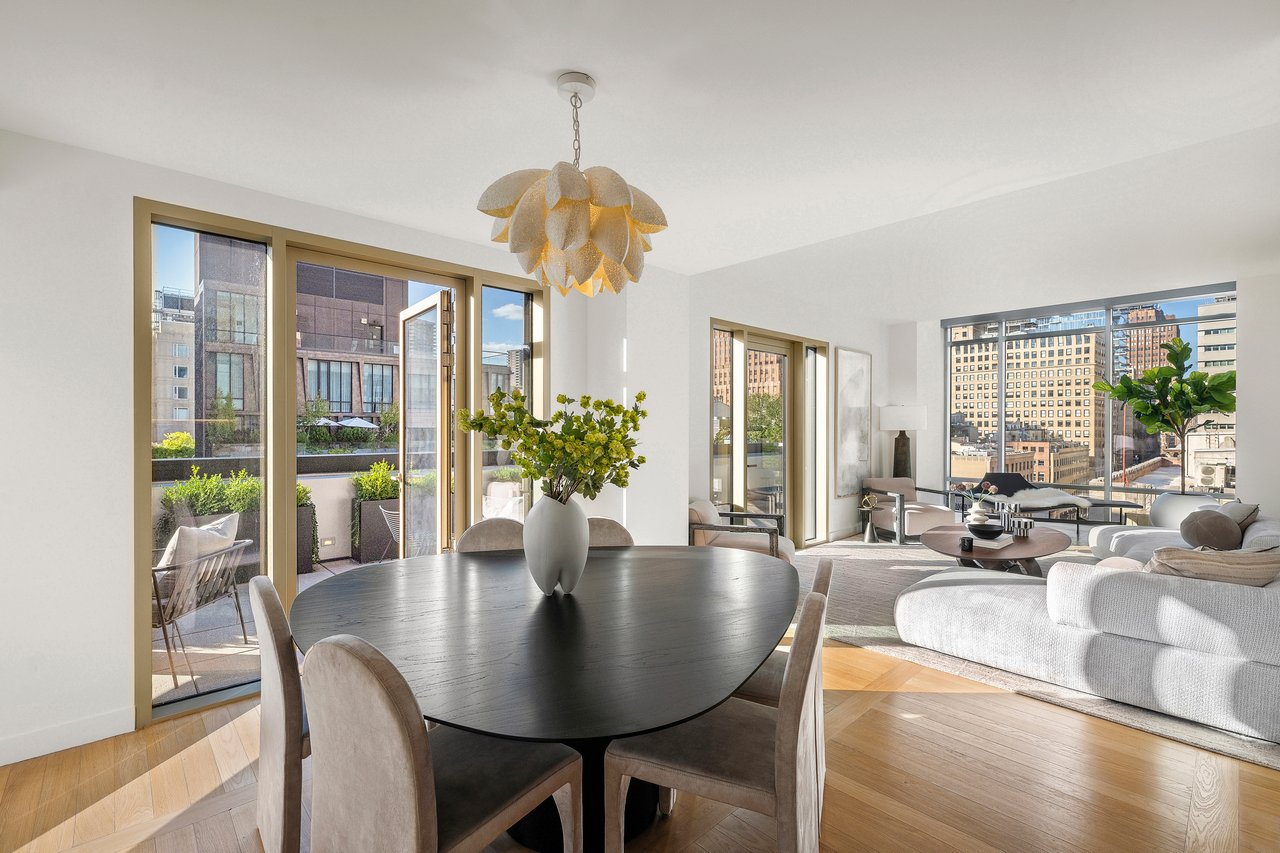
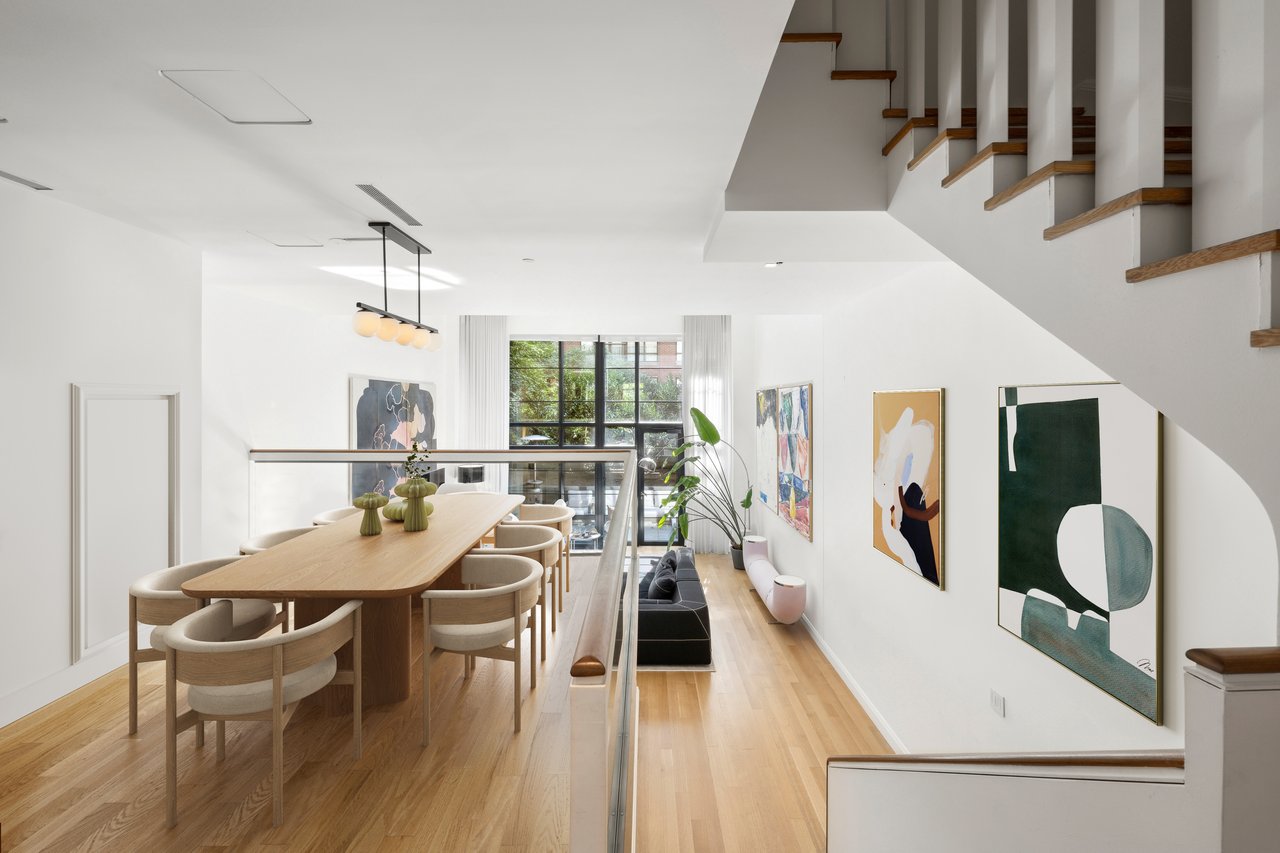
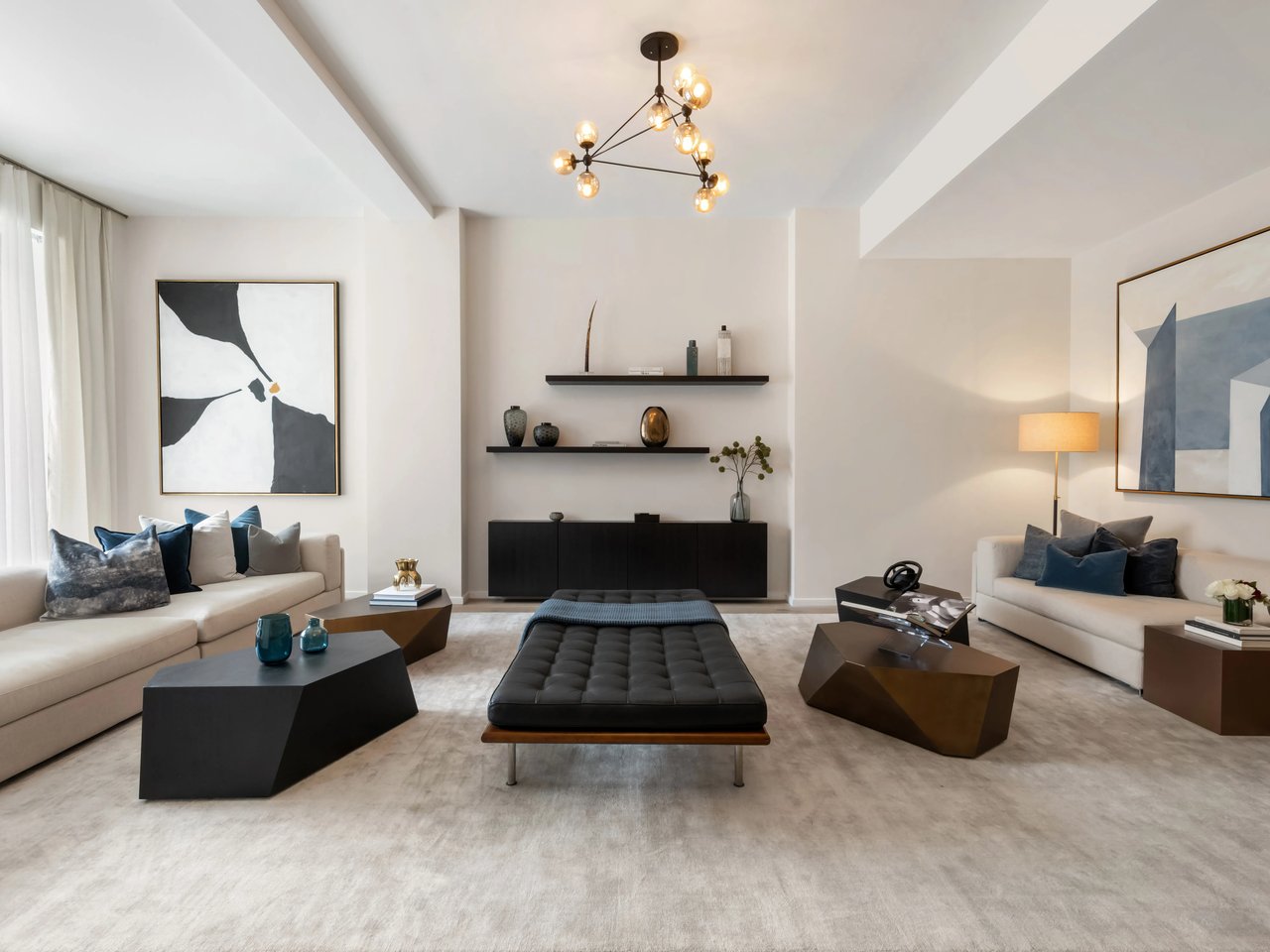
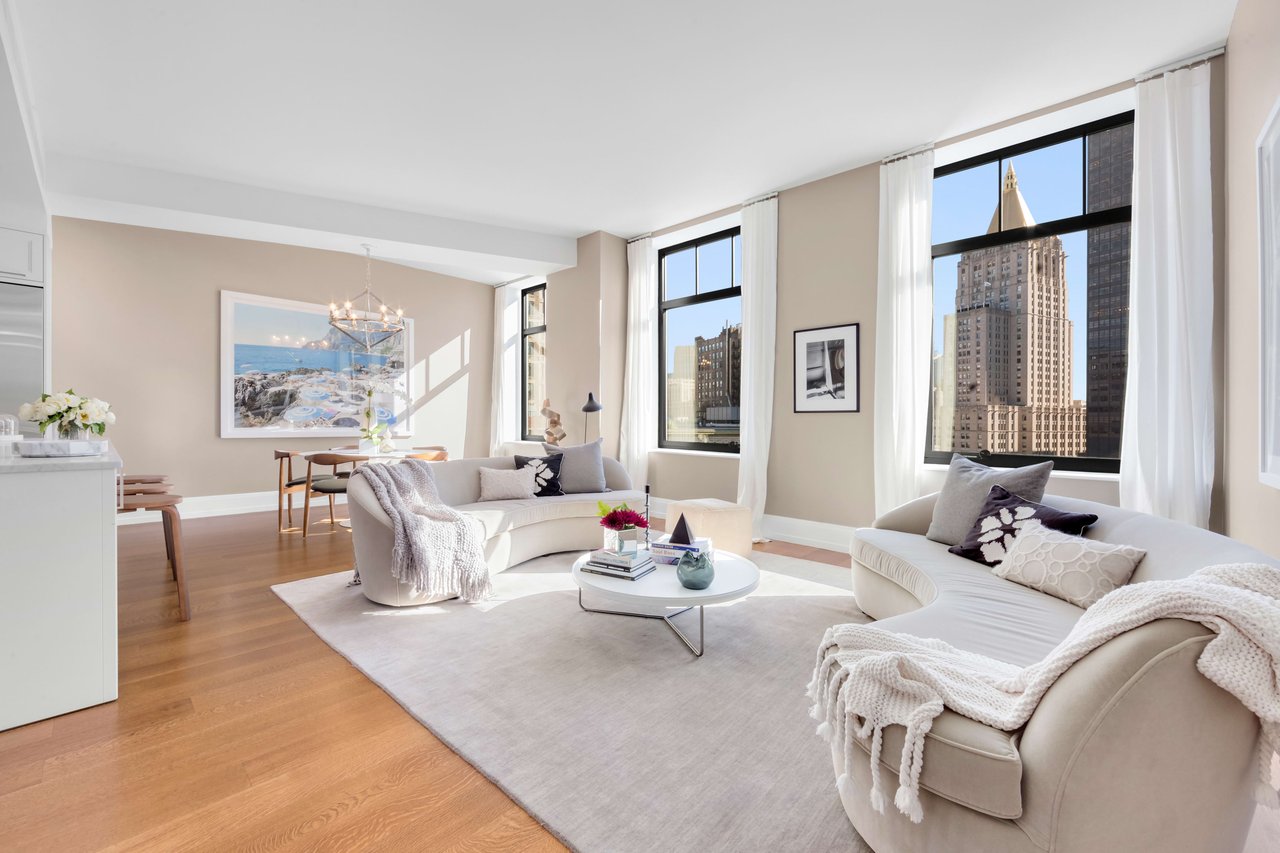
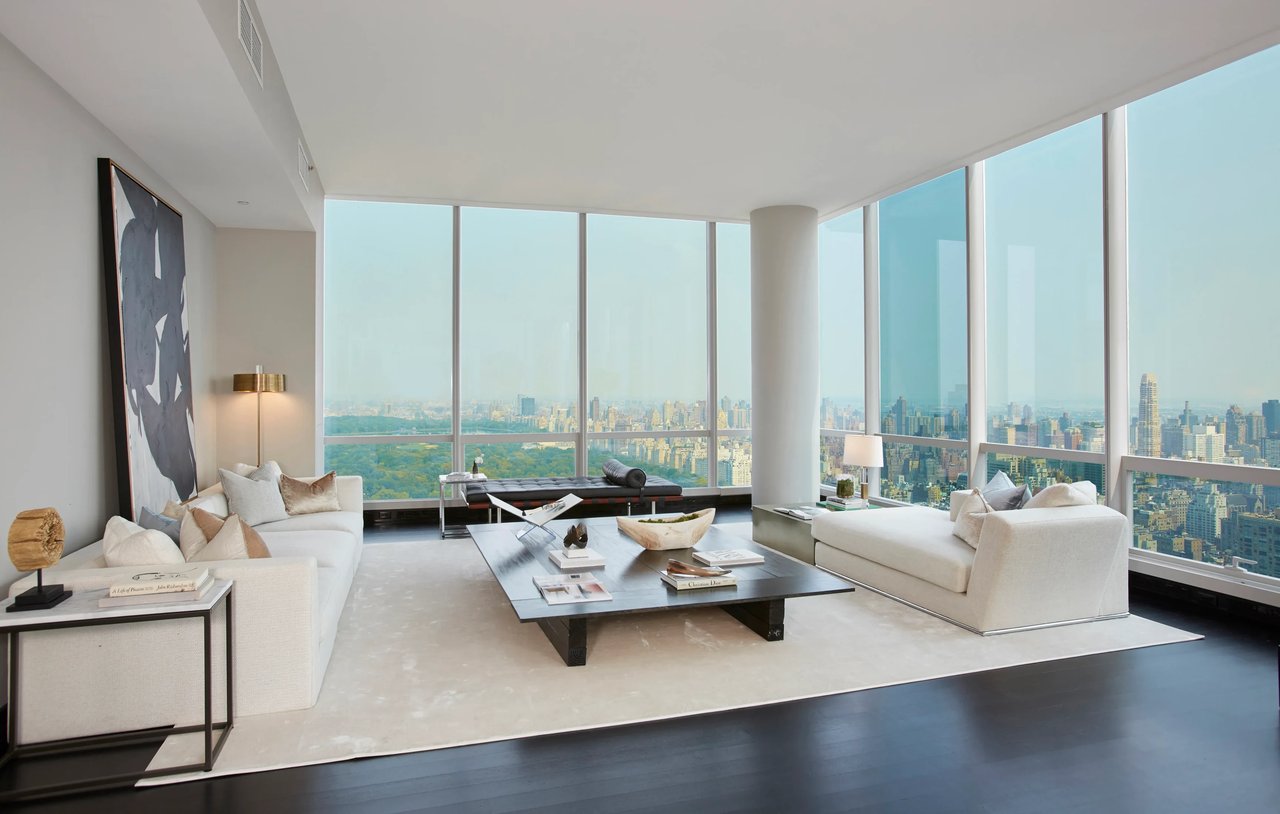
If you've ever fallen in love with a SoHo loft — the soaring ceilings, the oversized windows, the cast-iron columns that feel like they belong in a museum — you've fallen in love with something that wasn't supposed to exist.
That's not hyperbole. It's zoning history.
How an Illegal Housing Movement Became a Landmark Neighborhood
In the 1960s, SoHo was a working industrial district. Artists started moving into the manufacturing lofts quietly, unofficially, and with full awareness that they were technically breaking the law. The spaces were cavernous, the light was extraordinary, and the rent was nothing. They hung hand-painted signs reading "A.I.R." — Artist In Residence — on their doors so firefighters would know a human being was sleeping inside a building with no legal residential occupancy.
By 1971, after sustained organizing by the SoHo Artists Association, the city formalized what had already been happening: it legalized "Joint Live-Work Quarters for Artists," or JLWQA. This created a new category of legal occupancy that treated certified artists as the functional equivalent of light manufacturers — which, in zoning terms, was the only way to make it work.
Over the next five decades, enforcement was essentially nonexistent. The $1,250 maximum fine was less than the cost of a dinner for four at Balthazar. Non-artists moved in, the market opened up, and loft values in SoHo became some of the most sought-after in the city.
That era of benign neglect is over.
What Changed — and What It Means for Buyers Today
In 2021, the city rezoned SoHo and NoHo from industrial to mixed-use, which was widely celebrated as a long-overdue modernization. What came with it was less celebrated: a formal, and expensive, pathway to converting an artist loft into a standard residential unit. As of August 2024, that conversion fee is $115.76 per square foot, paid as a contribution to the SoHo-NoHo Arts Fund. On a 2,500 square foot loft, you're looking at roughly $289,000. That number belongs in every offer conversation.
Earlier this year, the courts affirmed this framework — though appeals are expected to continue for years. The law is real, and buyers and sellers alike need to price it in.
The Six Things You Actually Need to Know
1. Someone will ask now. For decades, no one did. That's changed. With a formal conversion process on the books, expect scrutiny around occupancy status and artist certification — especially at closing.
2. Artist certification is specific. To legally occupy a JLWQA unit, at least one resident must be a "Certified Artist" as defined by the NYC Department of Cultural Affairs and/or the NY State Council on the Arts. This means someone regularly engaged in fine arts, performing arts, choreography, filmmaking, or musical composition on a professional basis. Hobbyists and enthusiasts don't qualify.
3. The conversion fee is a real number. At $115.76/sf, it's not a rounding error. Both sides of a transaction need to factor it into their underwriting — and smart buyers will be looking at it as a negotiating point.
4. Pre-2021 residents are protected. If you were living in one of these lofts before December 15, 2021, you can continue to do so legally regardless of your artistic credentials. That grandfathering provision was an important protection, and it holds.
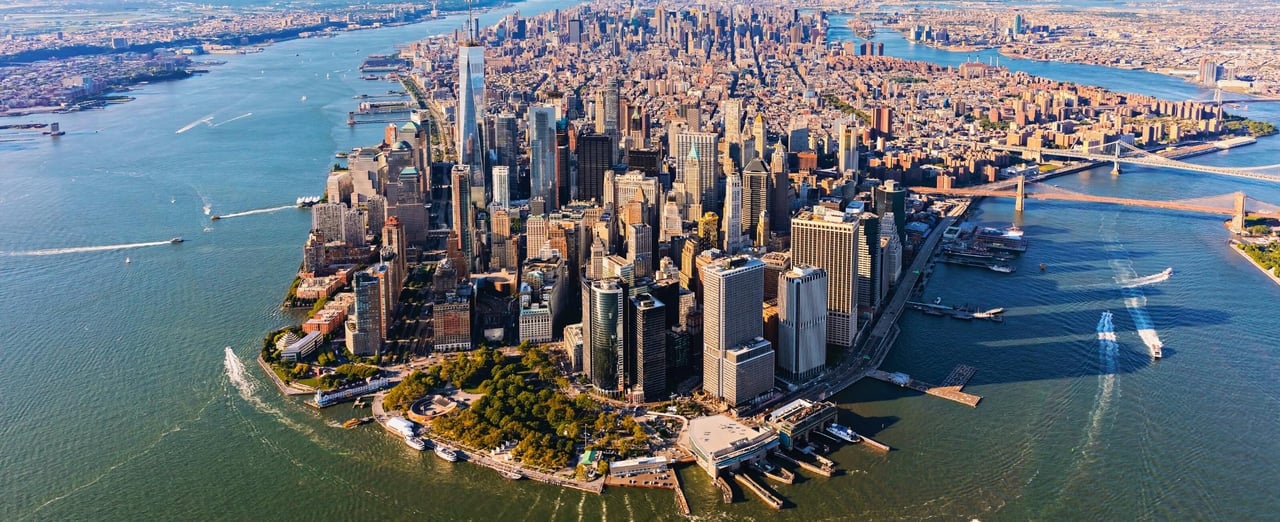
5. Know the geography. The A.I.R. framework applies to a roughly 56-block stretch of Lower Manhattan: north to Astor Place/East 8th Street, south to Canal, west to West Broadway/Sixth Avenue, and east to Bowery/Lafayette. If a property sits within this boundary, pull the Certificate of Occupancy from the DOB website and look for designations like JLWQA, 17D, J-2, RES, or SNX — or call someone who knows what they're looking at.
6. You're not just buying square footage. The artists who fought for these spaces in the 1970s also fought off Robert Moses' proposed Lower Manhattan Expressway, which would have cut directly through Broome Street and erased the neighborhood entirely. When you buy a loft in SoHo, you're acquiring something that was preserved through activism, shaped by creativity, and protected by people who believed the built environment was worth fighting for.
That's the part no disclosure document will ever tell you.