Waterfront Living in Tribeca Along the Hudson
If you’re drawn to downtown Manhattan’s energy but don’t want to sacrifice open views or a sense of space, Tribeca’s western edge is worth serious attention. This part of the neighborhood offers a calmer, more balanced lifestyle shaped by the Hudson River, expansive park access, and classic loft architecture—all while staying closely connected to the rest of Lower Manhattan. It’s a combination that feels not just appealing, but genuinely livable day to day.
Where Tribeca Meets the River
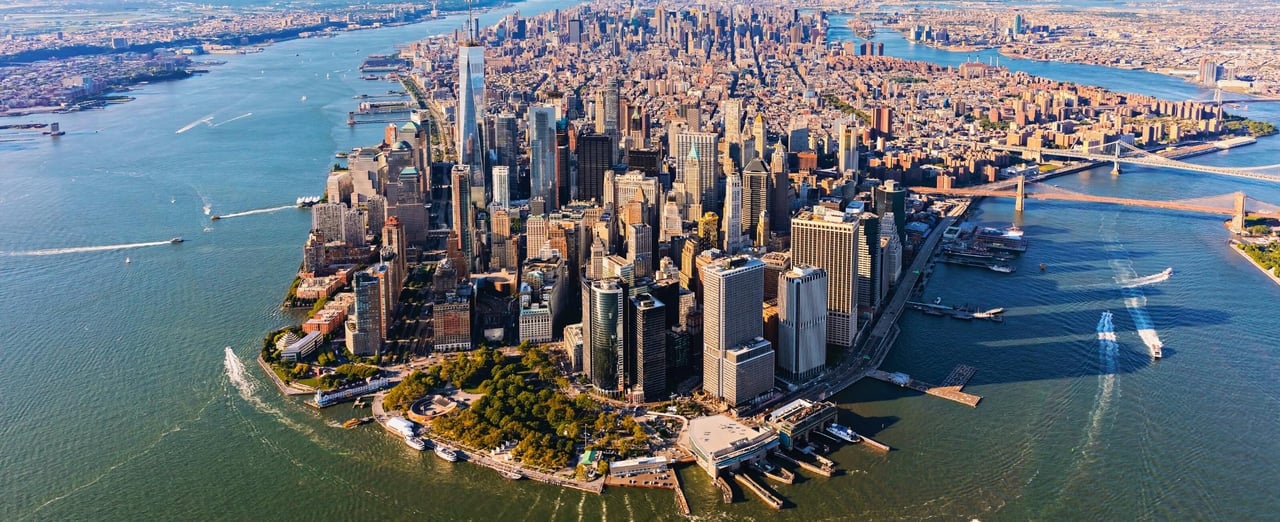
On the west side, Tribeca extends toward the Hudson along West Street, where the neighborhood opens up to the waterfront and Hudson River Park. North Tribeca is generally framed by Canal Street to the north, Broadway to the east, and Walker and Beach Streets to the south. Within that layout, the blocks closest to the river feel noticeably different from the more interior parts of the neighborhood.
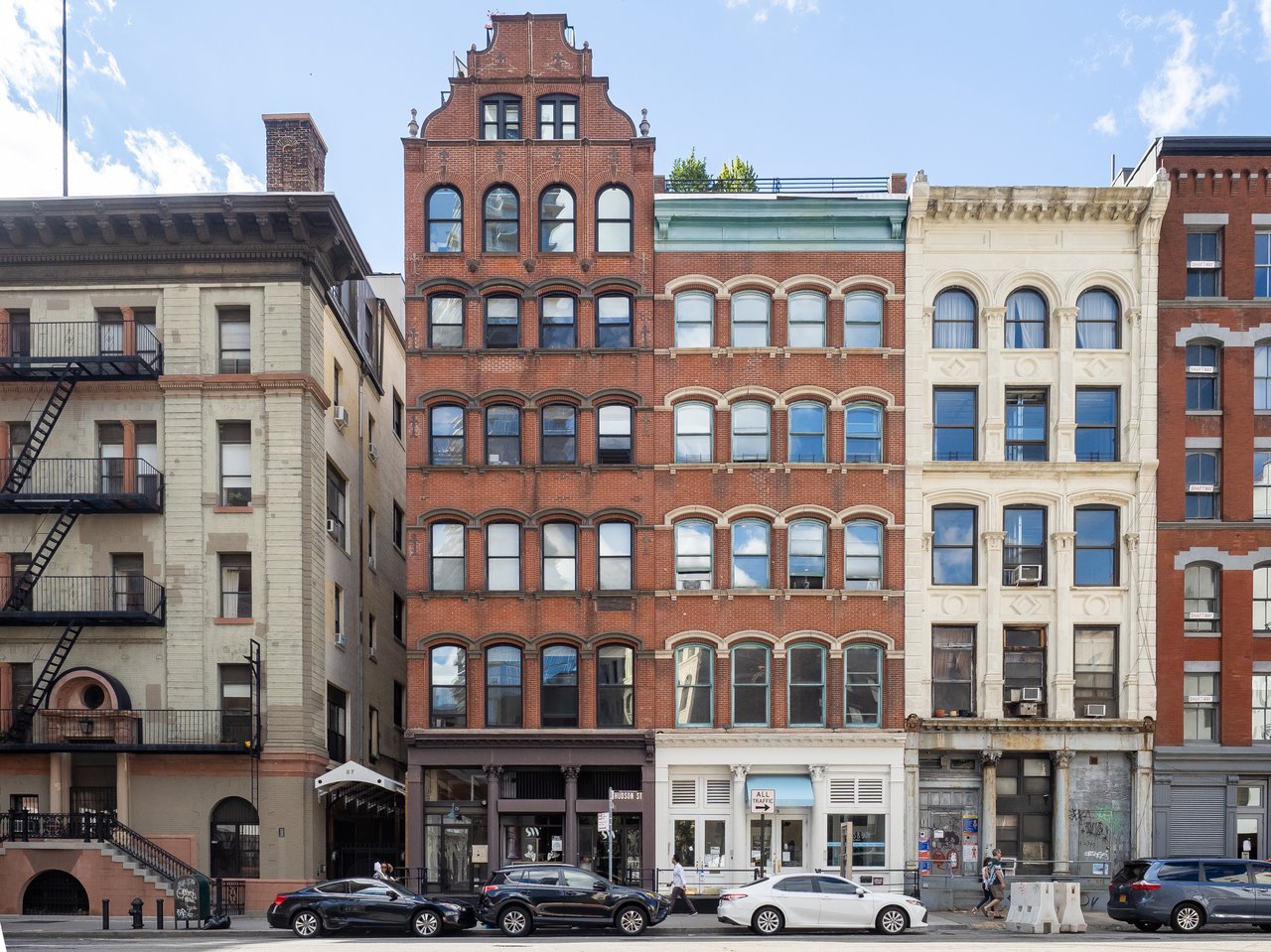
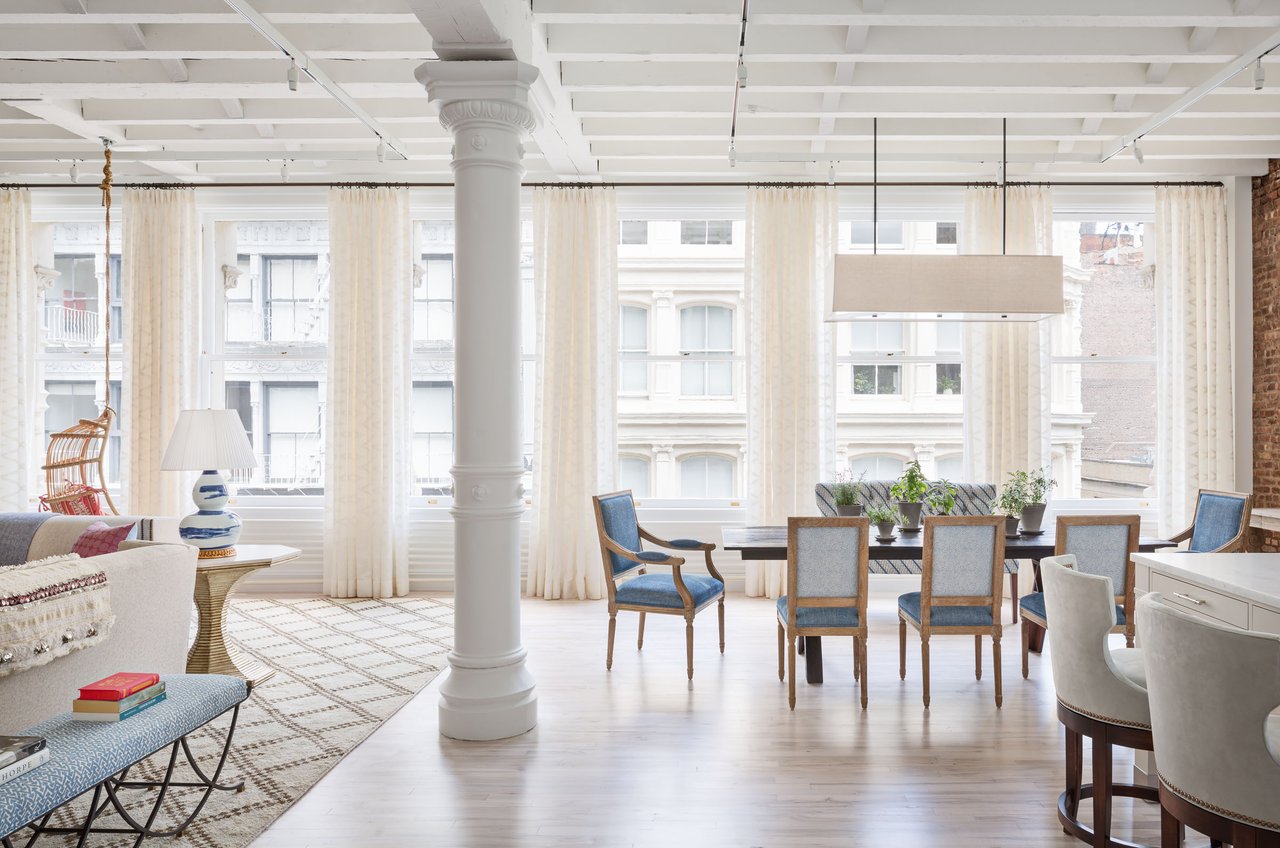
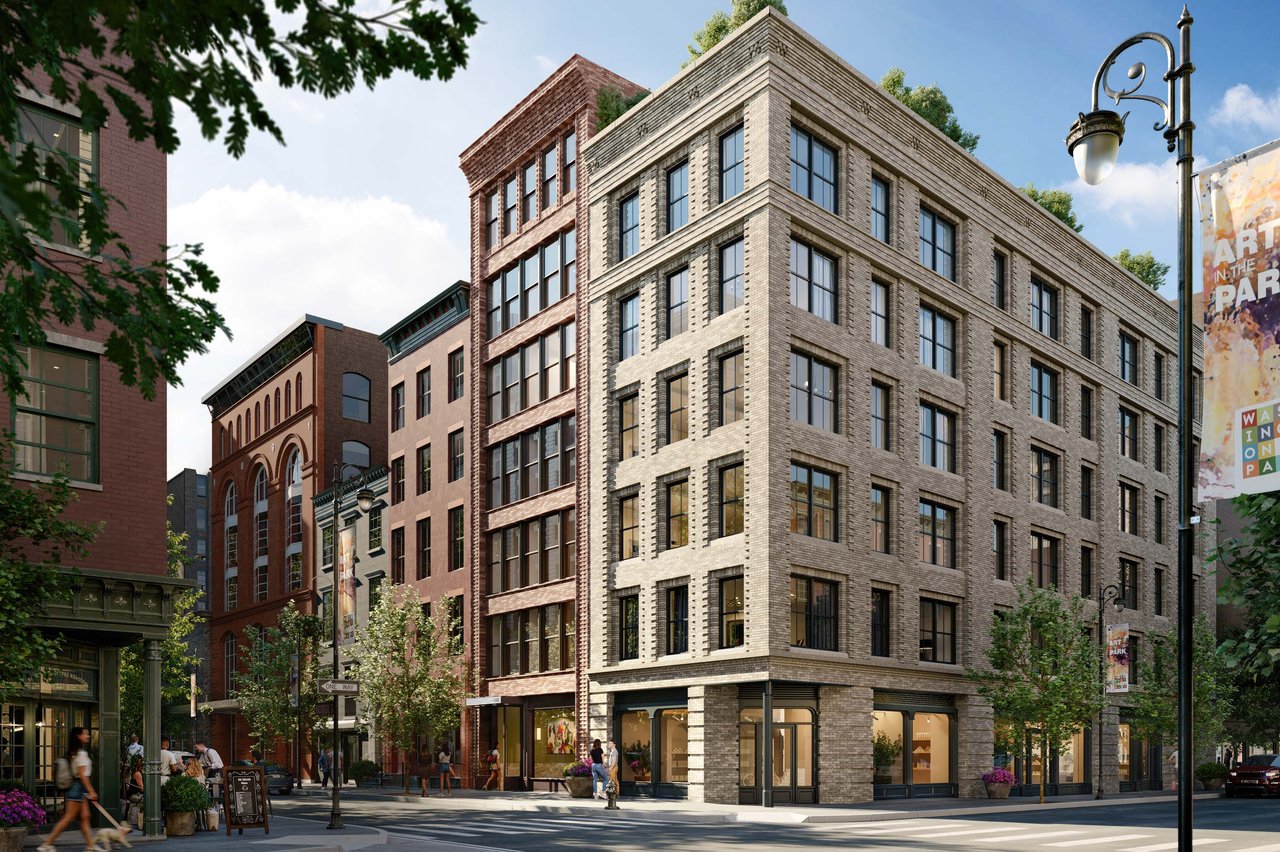
This stretch has gradually evolved from a mixed-use district into a more residential environment, while still preserving the cast-iron buildings and masonry lofts that define Tribeca’s identity. The result is a setting that feels rooted in downtown history but naturally connected to the waterfront.
What Makes the Waterfront Feel Unique
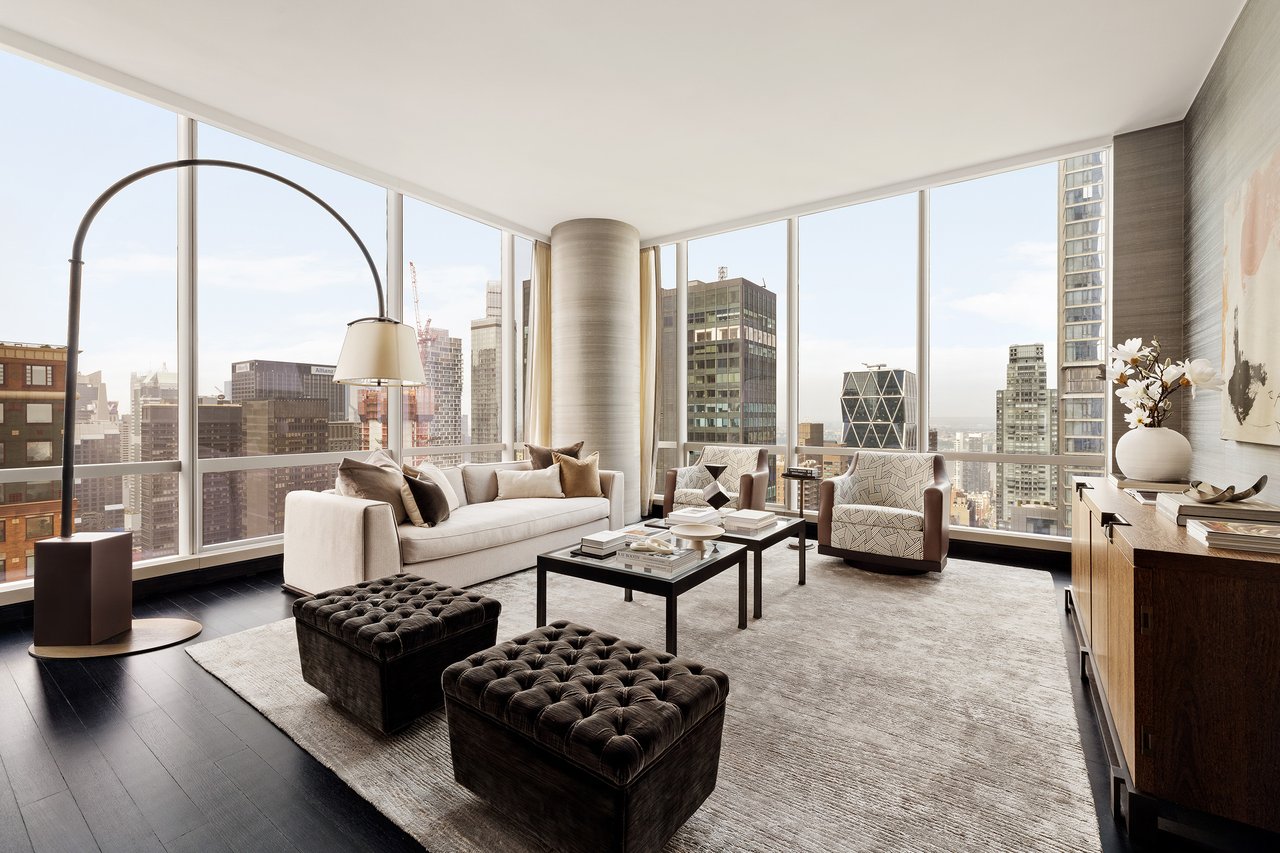
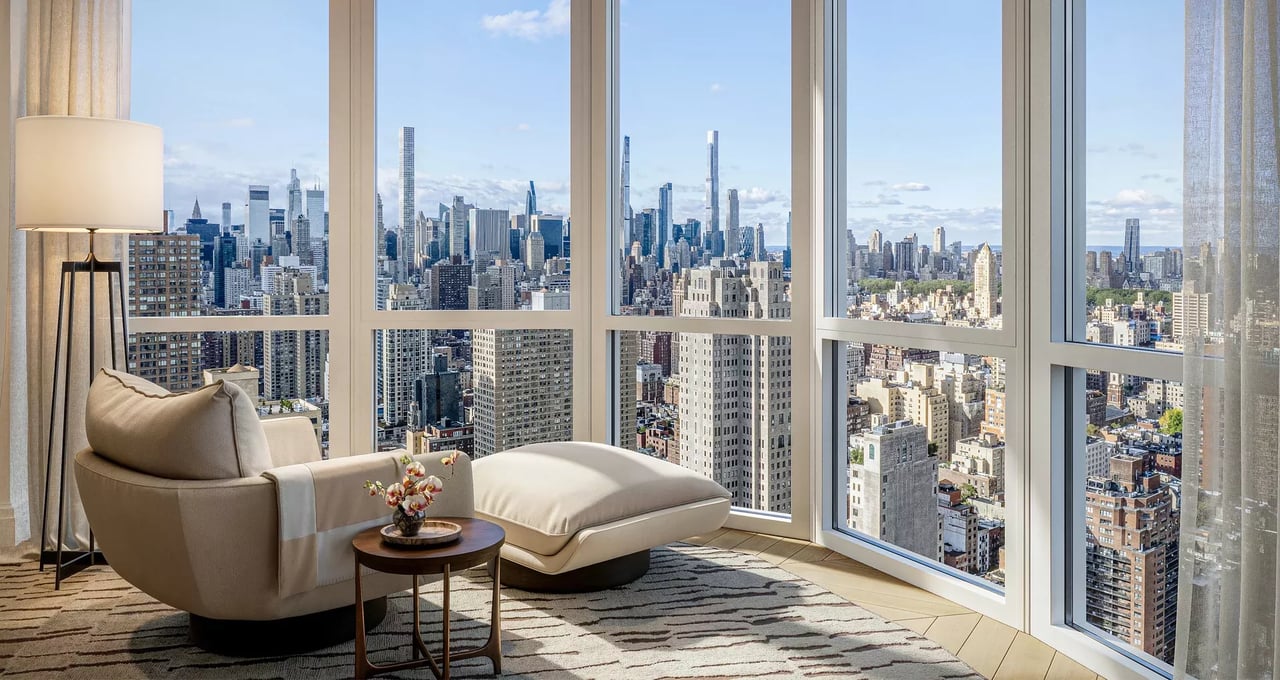
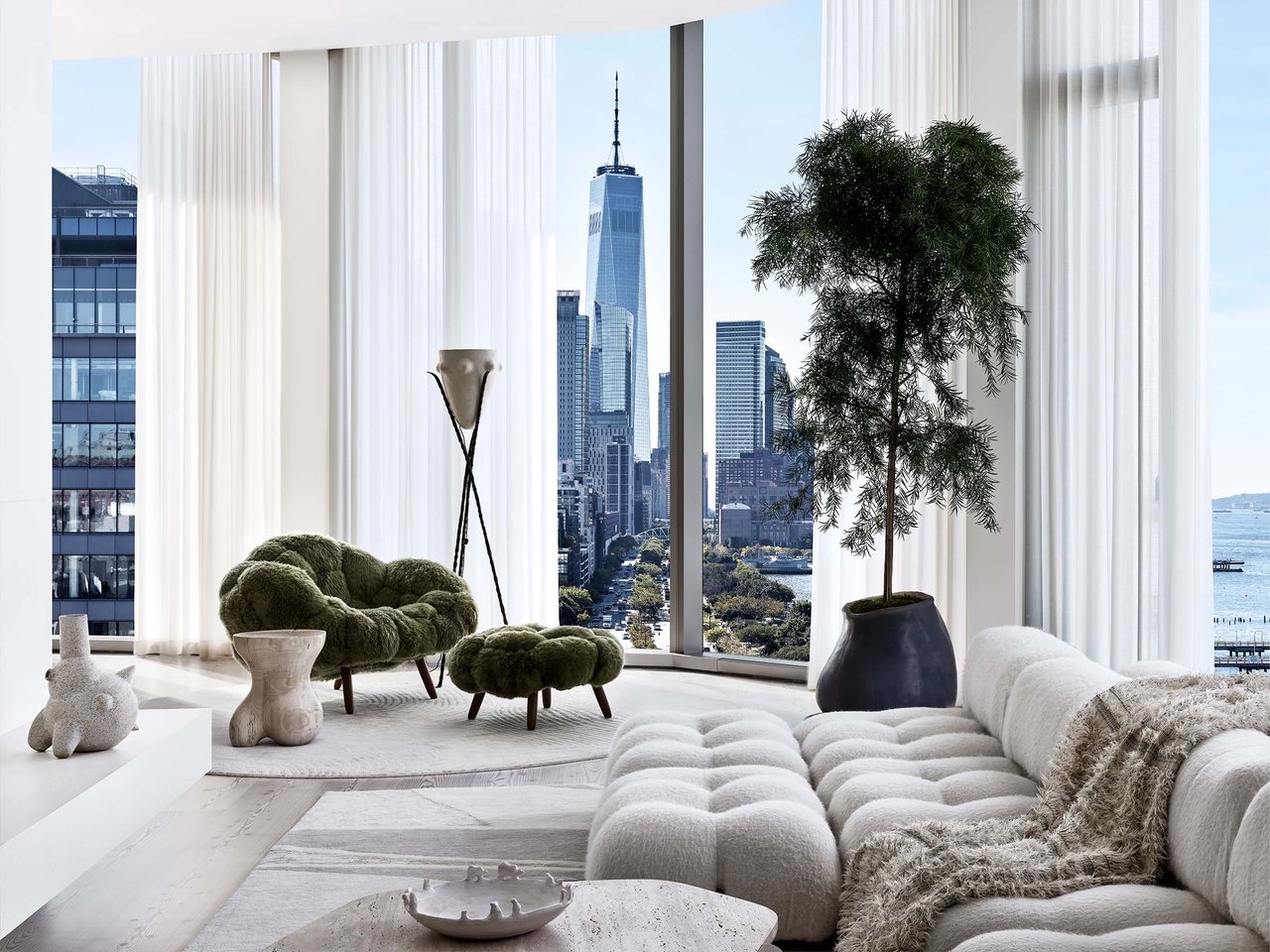
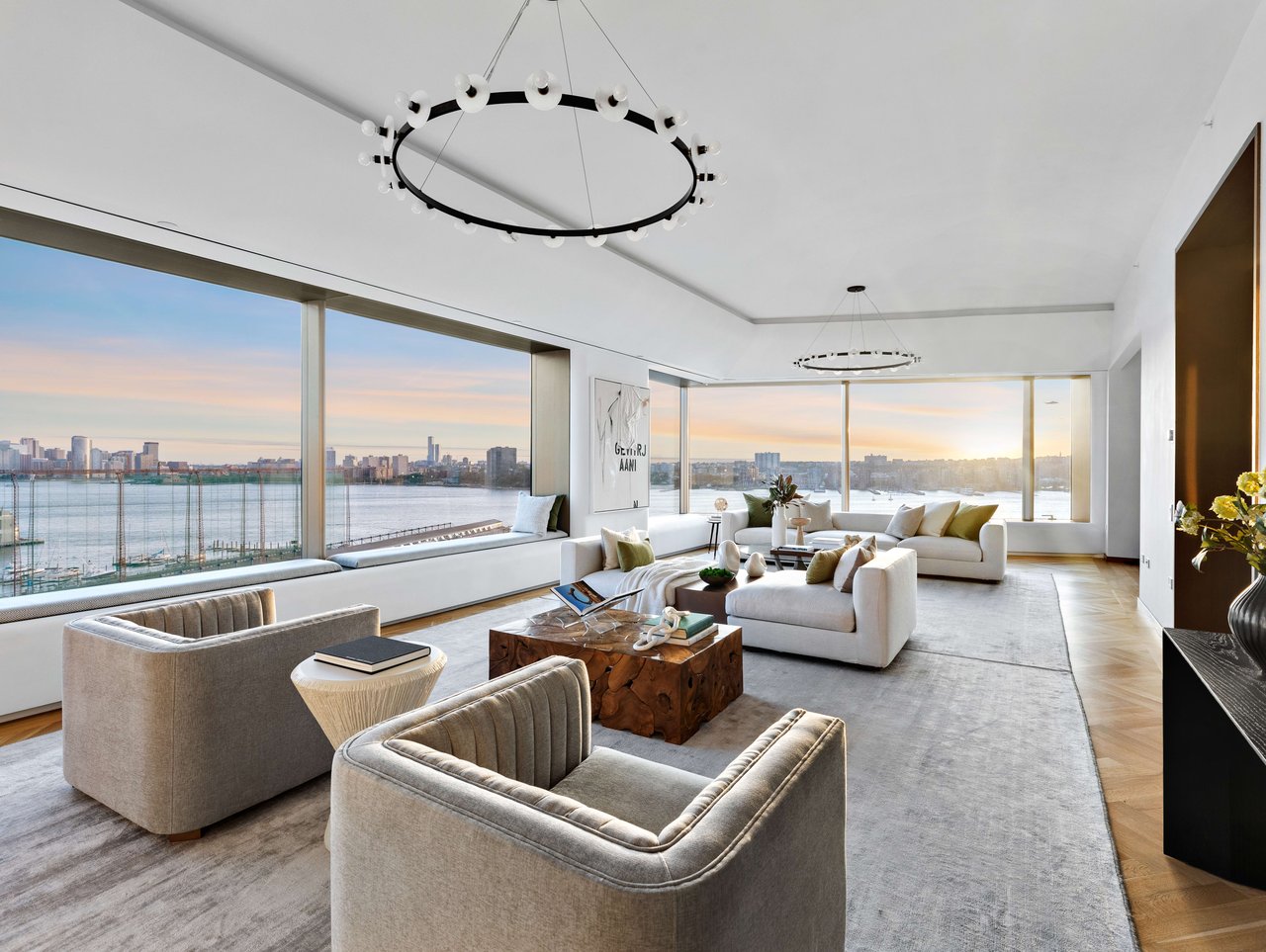
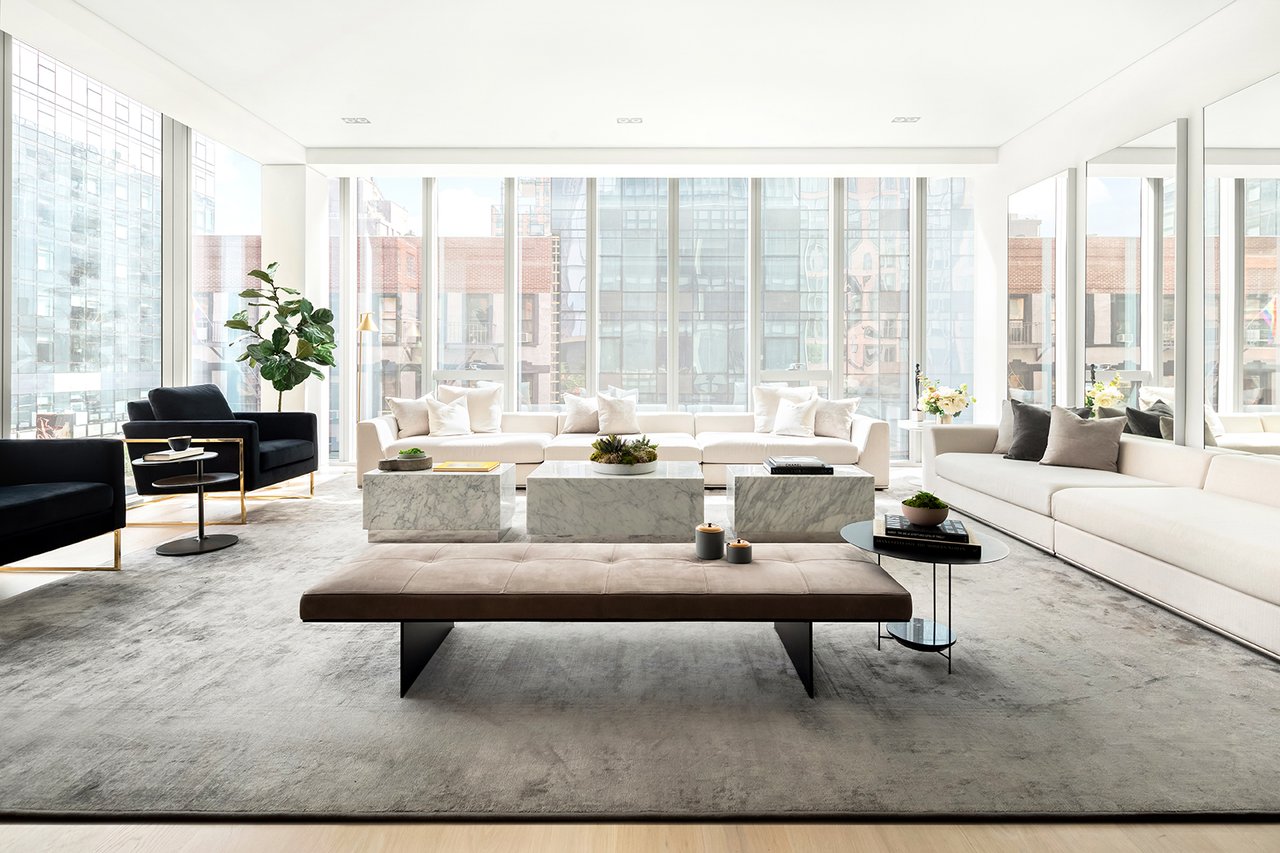
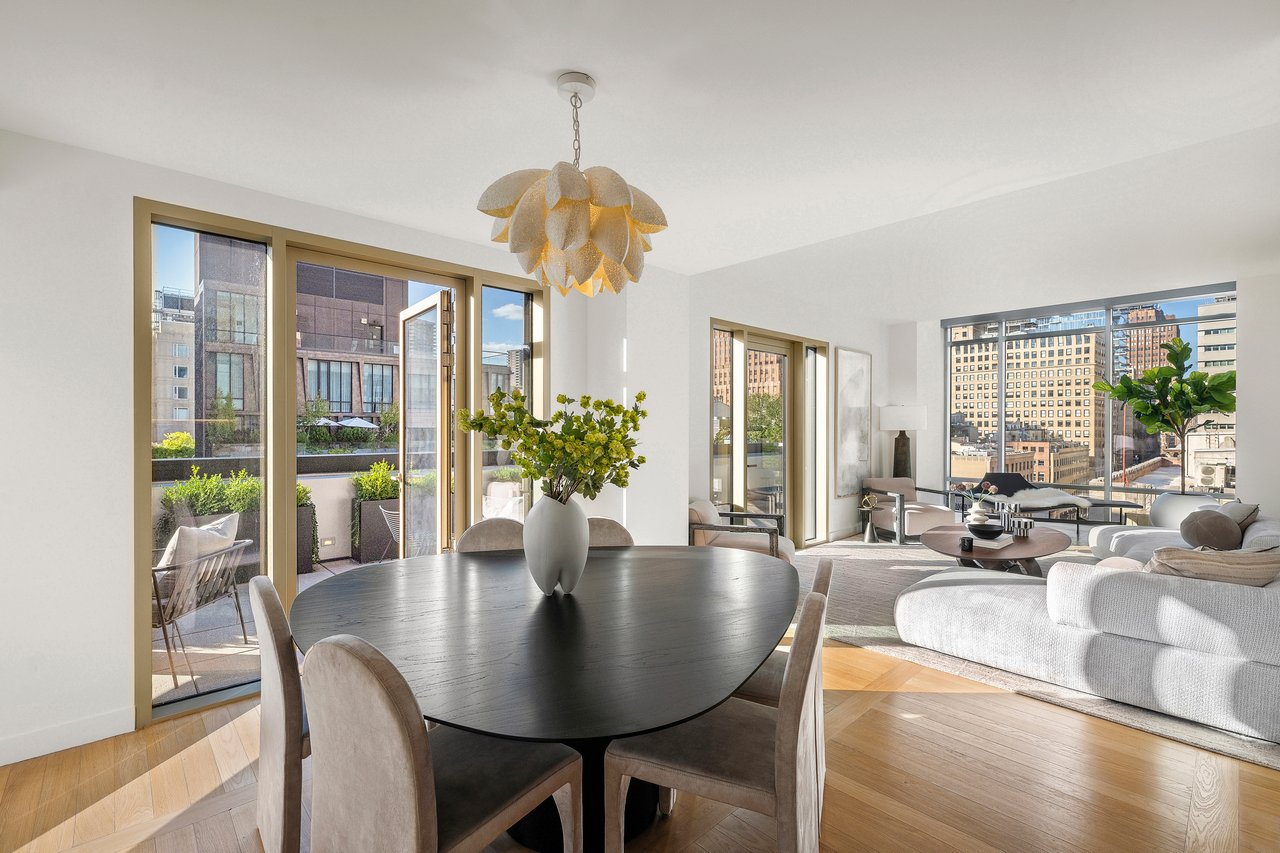
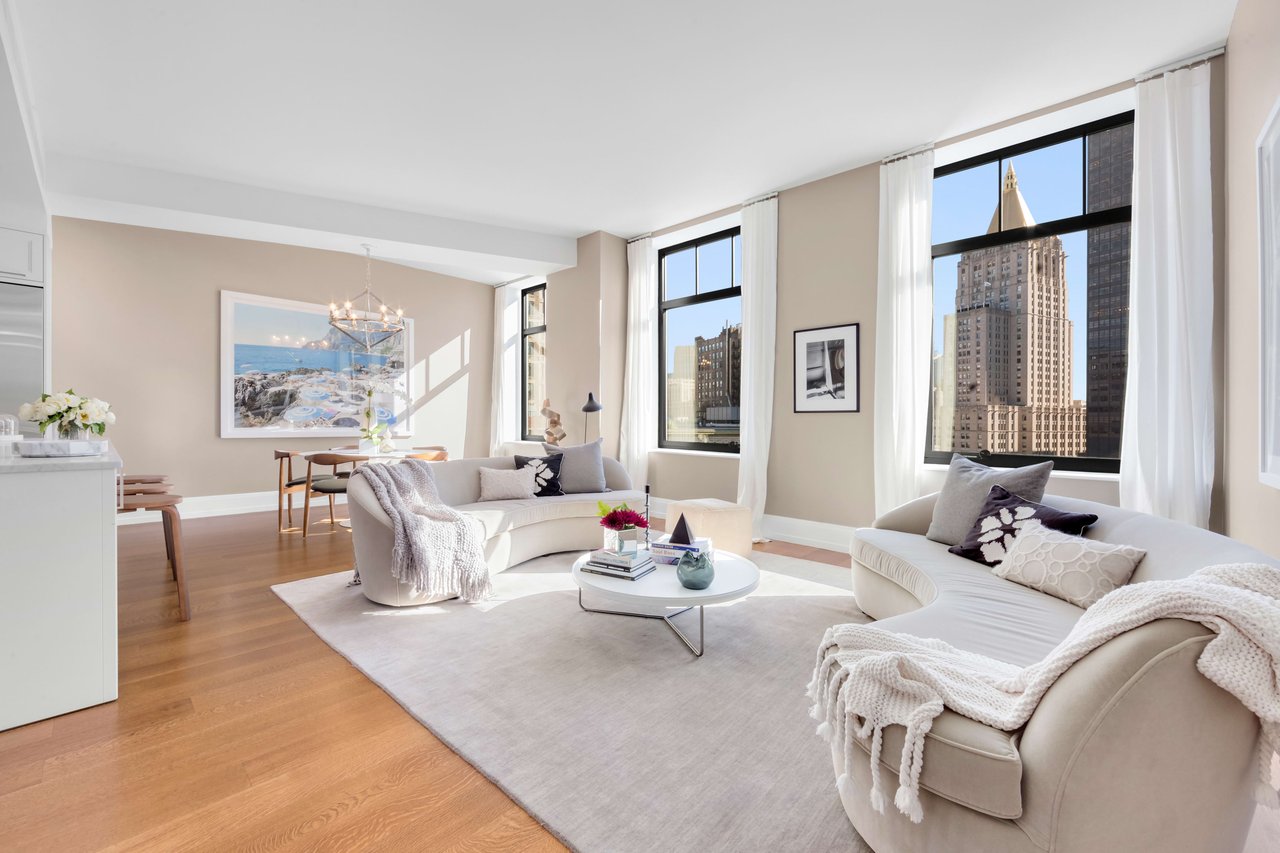
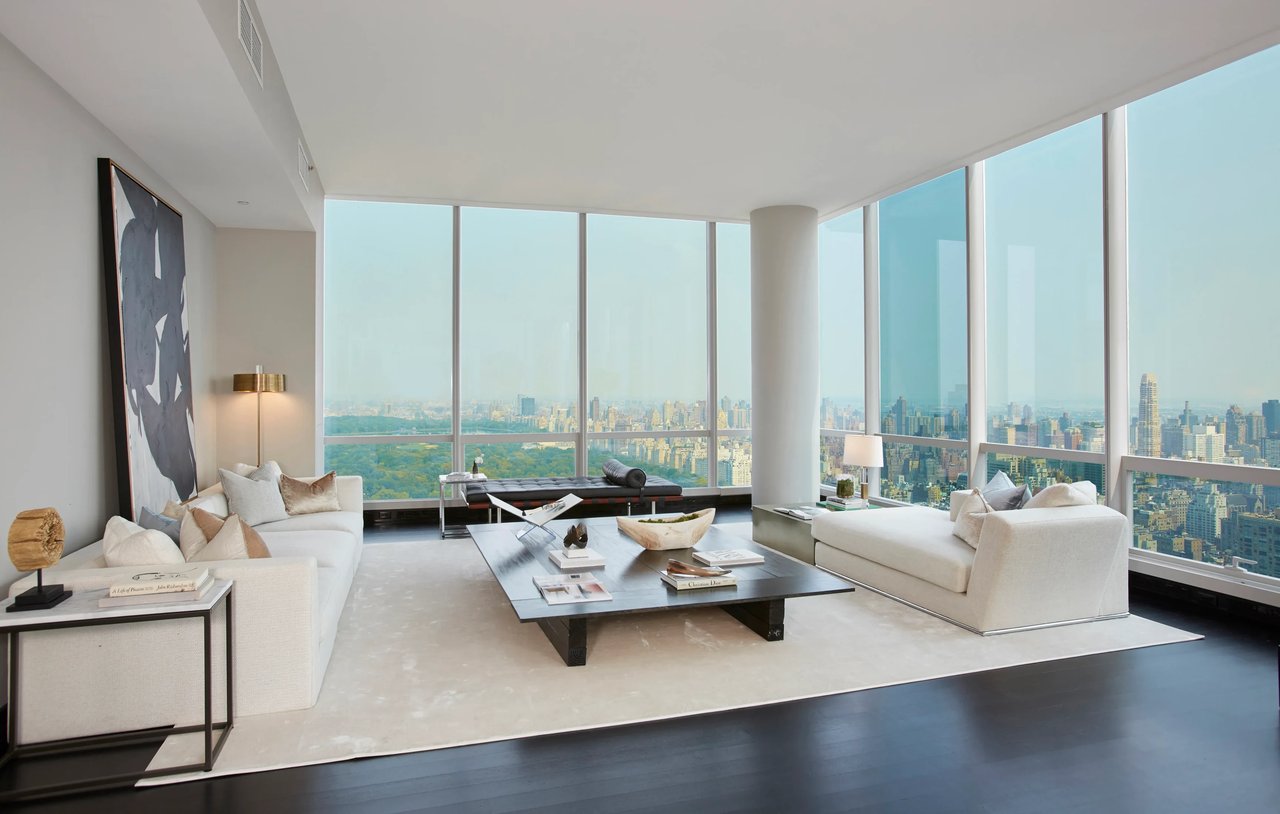
Living along the Hudson introduces a sense of openness that’s rare in downtown Manhattan. Instead of narrow streets and enclosed views, you get wider sightlines, more natural light, and immediate access to one of the city’s largest public outdoor spaces. That shift can subtly but meaningfully change your daily routine — from morning runs to quiet evenings by the water.
There’s also a different pace here. While you’re still firmly in Lower Manhattan with easy transit and access to everything downtown offers, the presence of the park brings a calmer, more grounded feel to everyday life. For many buyers, that balance is exactly the point.
Hudson River Park as an Everyday Amenity
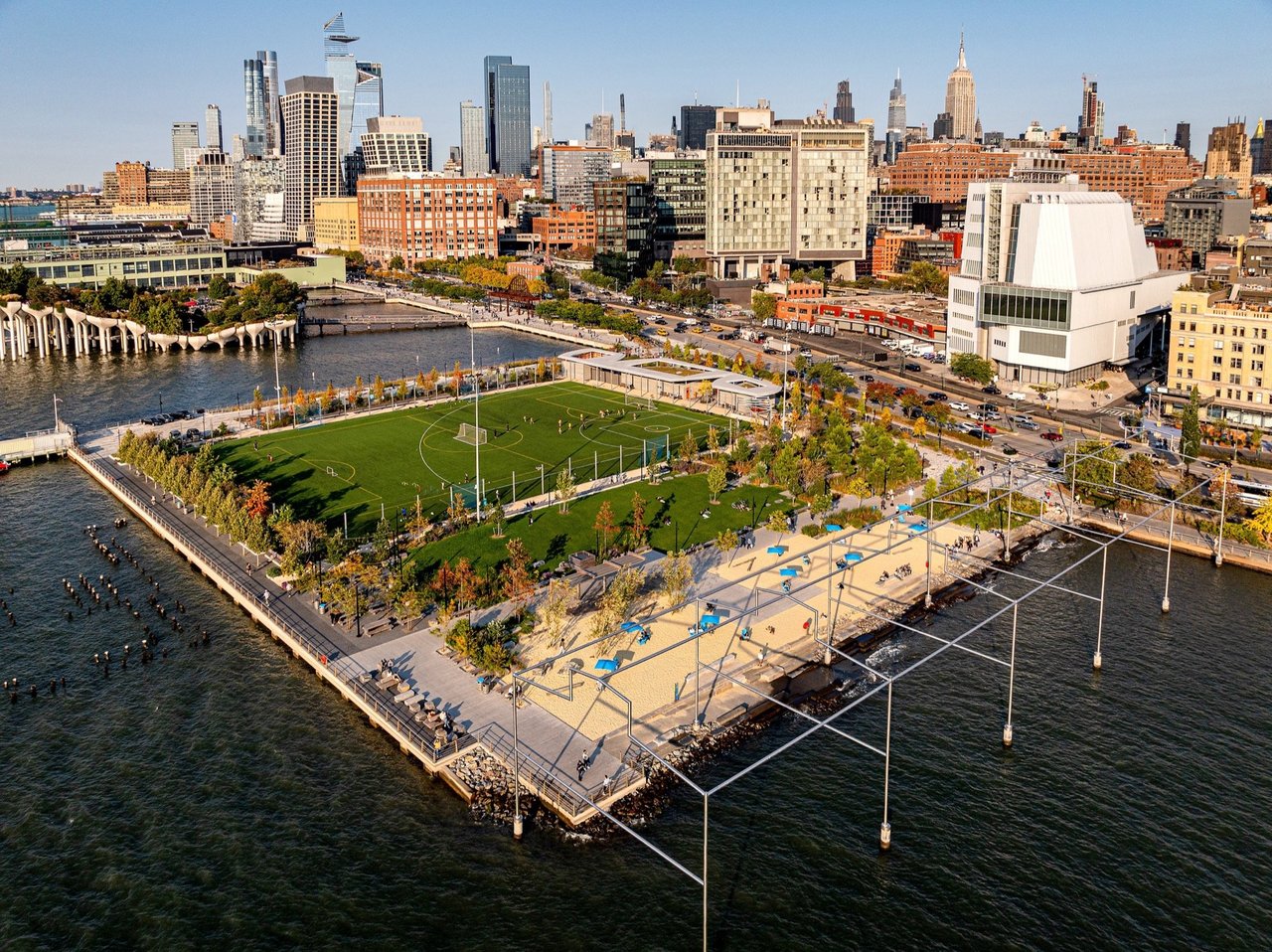
Hudson River Park stretches for miles along Manhattan’s west side and plays a central role in daily life along Tribeca’s waterfront. Open from early morning until late at night, it becomes a natural extension of the neighborhood rather than just a destination.
In this area, the experience revolves around Pier 25, Pier 26, Tribeca Upland, and Pier 34—each offering a slightly different atmosphere and use. Together, they create a waterfront that feels dynamic without being overwhelming.
Pier 25: Social and Active
Pier 25 is the most energetic part of the waterfront here. With open views of Lower Manhattan and the harbor, it features everything from mini golf and volleyball to a skatepark, playground, marina, and casual dining spots. It’s the kind of place that invites spontaneous use—whether that’s a quick walk, meeting friends outside, or just enjoying the view.
Pier 26: Nature-Focused and Reflective
Pier 26 offers a quieter, more nature-oriented experience. With its lawn, tide deck, and kayaking access, it brings a more contemplative atmosphere while still encouraging activity. The design highlights the river itself, making it a place where you can slow down and actually engage with the environment.
Tribeca Upland: Built for Daily Routine
Tribeca Upland is where the waterfront really proves its practicality. A winding boardwalk, scenic overlooks, dog runs, and sports courts make it easy to incorporate movement and outdoor time into everyday life. It’s less about occasional visits and more about consistent use—morning walks, quick workouts, or time outside with a dog.
Pier 34: Evenings by the Water
Pier 34 is especially popular for running routes and sunset views. It reflects one of the quieter luxuries of waterfront living: having a peaceful, beautiful place to end the day. Here, the focus shifts from activity to routine, offering a simple but valuable sense of escape within the city.
Architecture and Atmosphere
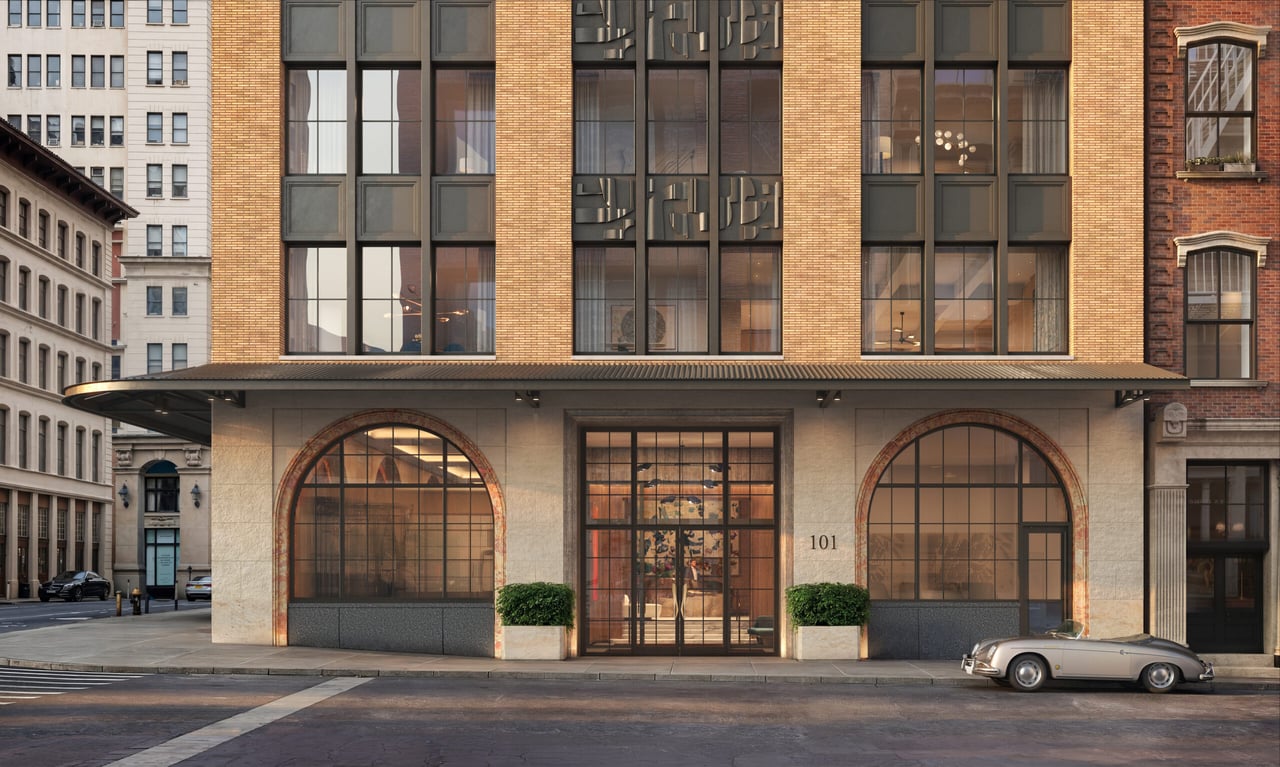
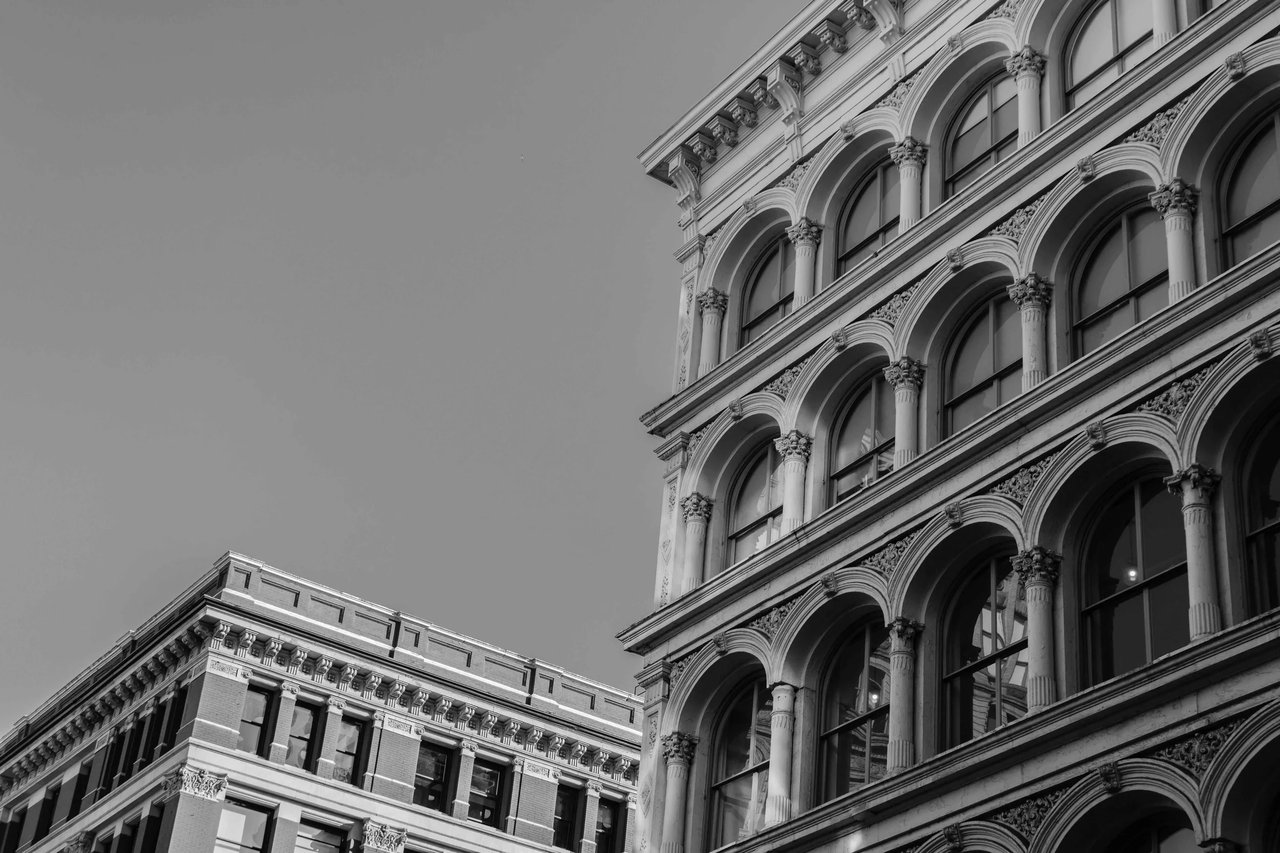
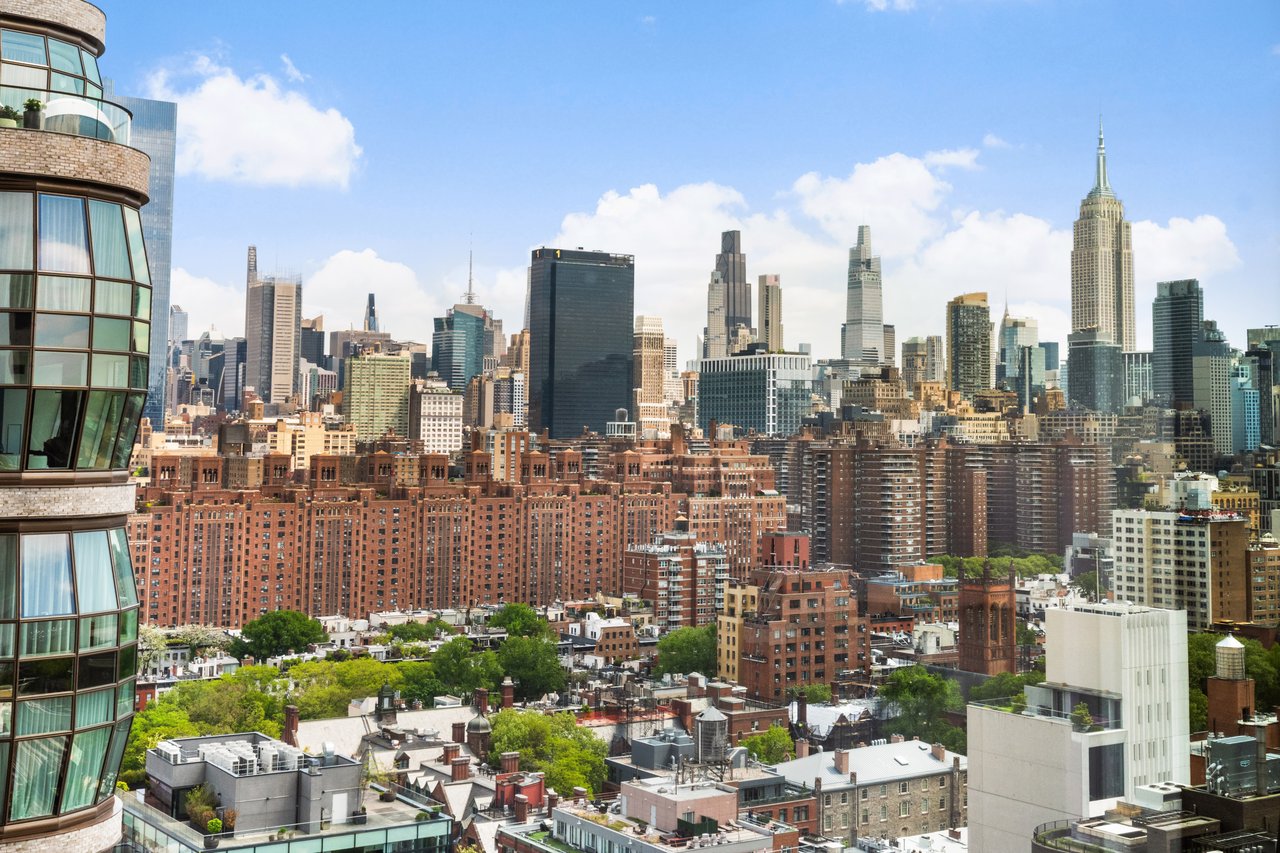
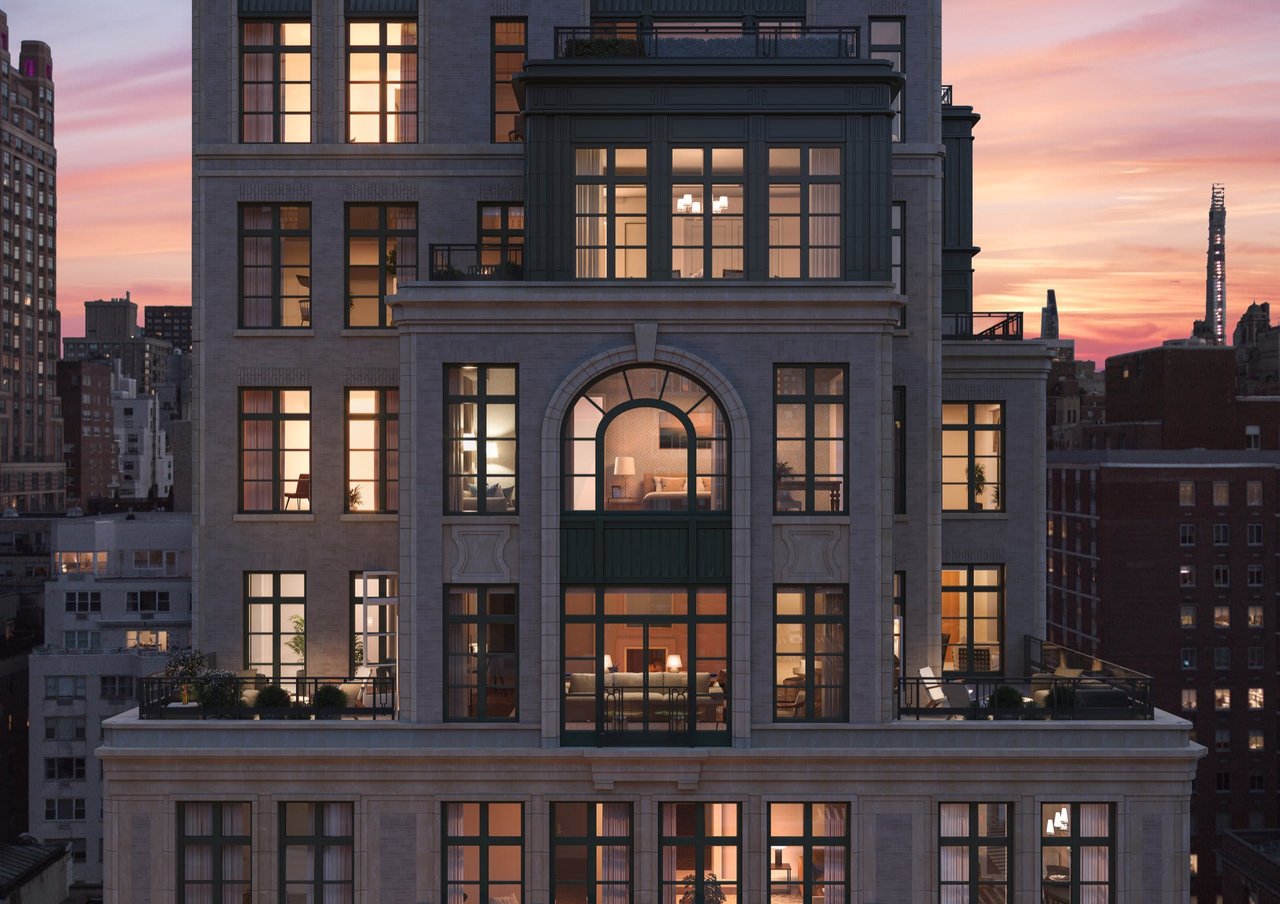
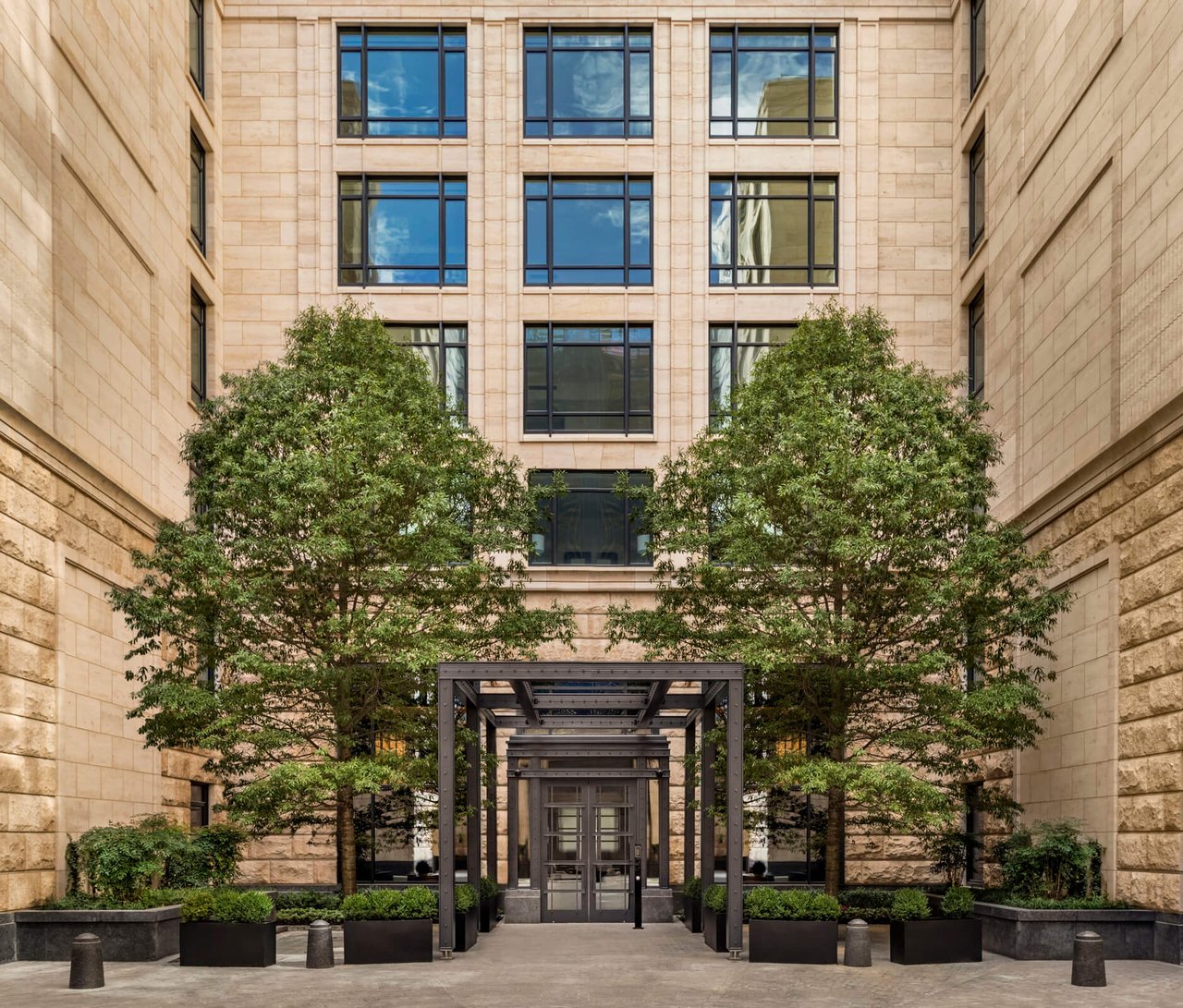
Tribeca’s appeal isn’t only about the river—it’s also deeply architectural. The neighborhood’s historic districts preserve a mix of cast-iron and masonry buildings from the 19th and early 20th centuries, giving the area a distinctive texture and scale.
Along the waterfront, this creates a compelling contrast: industrial-era loft buildings set against open sky and river views. For buyers who care about design, it’s a rare blend of character and livability.
A More Residential Side of Downtown
While this part of Tribeca is still considered mixed-use, it has steadily taken on a more residential identity. Compared to other downtown neighborhoods, it tends to feel quieter and more settled, without losing the accessibility and energy that define Manhattan living.
At the same time, strong transit connections keep everything within reach. You get the benefit of a calmer home environment without feeling disconnected from the city.
What Stands Out Right Away
When exploring the waterfront blocks, a few things tend to be immediately noticeable: easier access to open space, better light and views, convenient routes for walking or running, and a more residential feel overall. The architecture adds depth, reinforcing the sense that this is a neighborhood with both history and purpose.
These aren’t just aesthetic details—they shape how the area feels on an average weekday, not just during moments of leisure.
Is Waterfront Tribeca the Right Fit?
For buyers looking to combine city living with access to the outdoors, Tribeca’s waterfront offers a distinct advantage. It brings together space, recreation, architectural character, and everyday convenience in a way that’s hard to replicate elsewhere in Manhattan.
What defines it most is consistency. It’s less about dramatic moments and more about how seamlessly it supports daily life. For many, that’s the real luxury.