Start with financing, not apartment listings. First-time NYC buyers who get pre-approved and understand programs like HomeFirst before touring apartments move faster and win more competitive bids. With mortgage rates at 6.23%, Manhattan co-op medians at $850,000, and up to $100,000 in down payment assistance available through NYC HPD, 2026 is a workable year to buy — if your financing is lined up first.
How Much Money Do You Actually Need to Buy a First Home in NYC?
More than the down payment alone, and this is where most first-time buyers underestimate their real number. Beyond the down payment, NYC buyers pay closing costs that don't exist in most other markets: an attorney is legally required on every transaction, and financed buyers pay a mortgage recording tax of 1.925% on any loan over $500,000. On top of that, any purchase over $1 million triggers the NYC mansion tax, starting at 1% and rising progressively — on a $1.2 million first home, that's $12,000 due at closing on top of everything else.
The good news: several down payment assistance programs exist specifically to close this gap. NYC's HomeFirst program offers qualified first-time buyers up to $100,000 toward a down payment or closing costs on a condo, co-op, or 1–4 family home anywhere in the five boroughs, structured as a forgivable loan. SONYMA's DPAL programs and the Federal Home Loan Bank of New York's Dream Program can add another $30,000–$60,000 in grant funding for buyers who qualify. The catch: these programs require HPD-approved homebuyer counseling that can take weeks to complete, and FHLBNY grants are first-come, first-served and often exhaust before year-end — so start the application process months before you plan to make offers, not after you've found a place.
Do You Need to Be Pre-Approved Before You Start Touring Apartments?
Yes, and in NYC specifically, it's not optional if you want to compete. Pre-approval does two things: it tells you your real budget once mortgage recording tax, mansion tax, and monthly carrying costs are factored in, and it signals to sellers that your offer is real. In a market where inventory sits at a five-year first-quarter low, unrepresented and unfinanced offers get passed over fast — sellers and their agents are prioritizing buyers who can close, not the ones still shopping lenders.
Co-op or Condo for a First Home — Which Should You Choose?
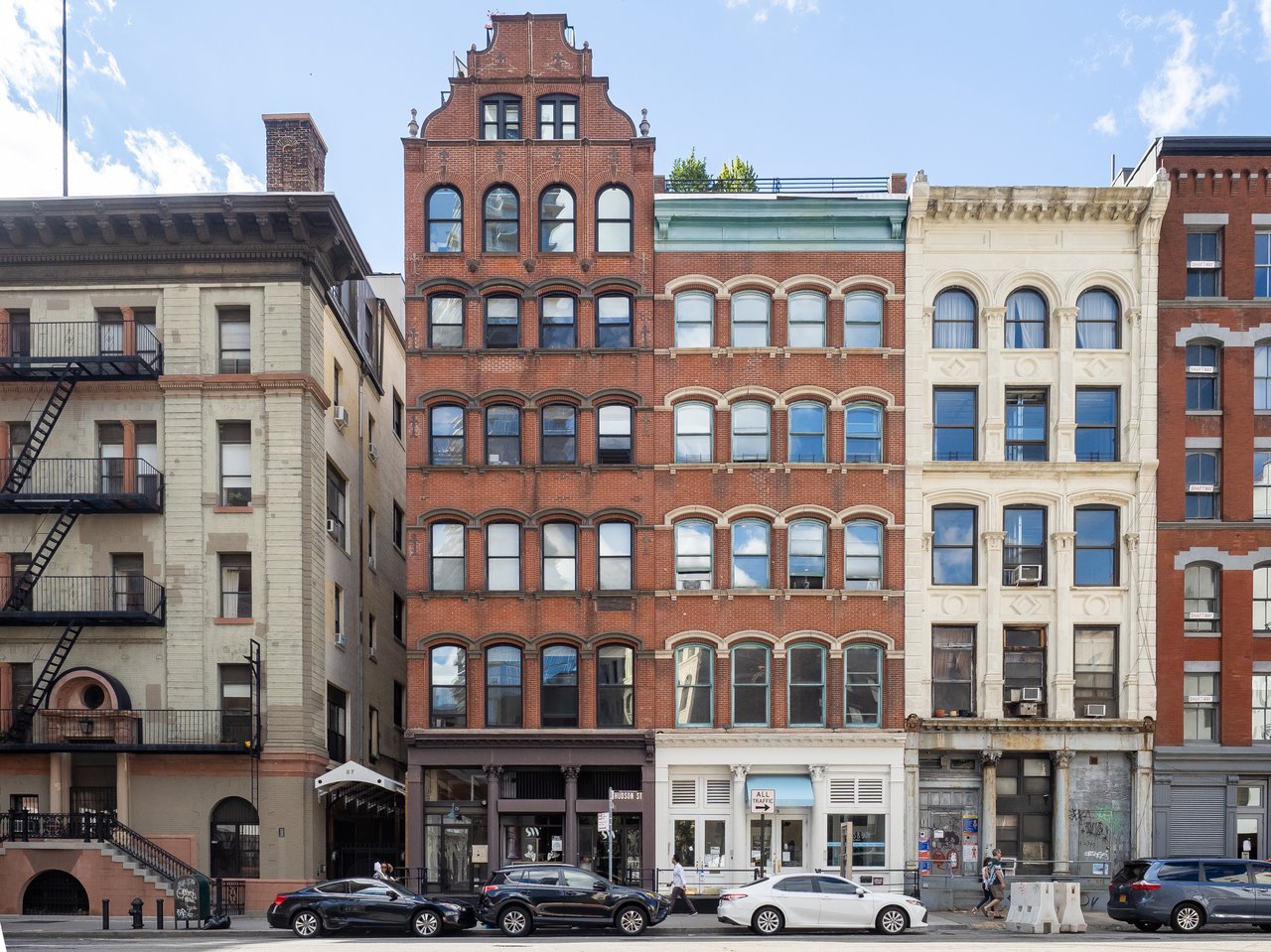
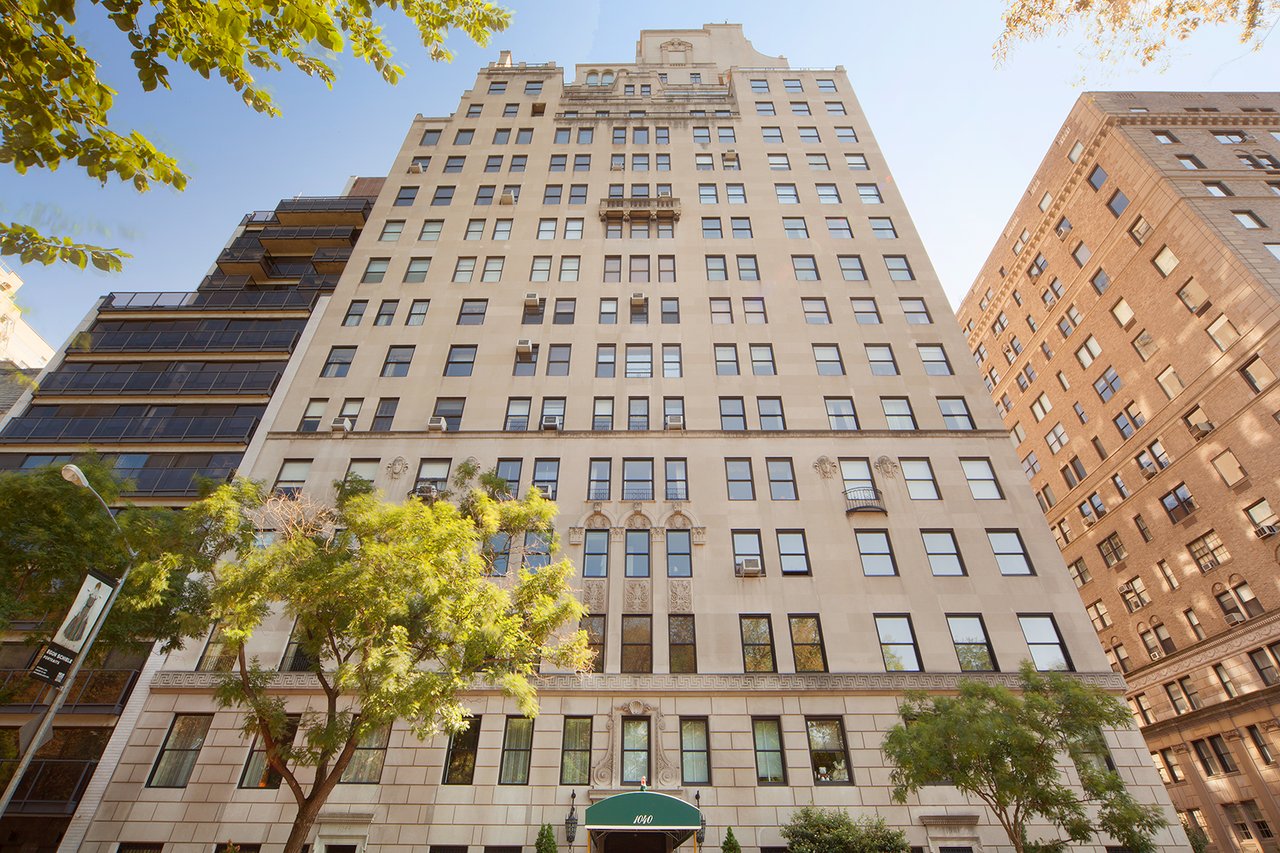
For most first-time buyers, this comes down to timeline and flexibility versus price. Co-ops make up roughly 70–75% of Manhattan's housing stock and trade well below condos — the Q1 2026 co-op median sat at $850,000 versus $1,750,000 for condos — but co-op boards require a full financial package, reference letters, and often a personal interview, adding real time to your purchase. Most boards also require at least 20% down, which can be a hard floor for a first-time buyer relying on down payment assistance. Condos allow more flexible financing, sometimes as low as 10% down, and skip the board interview entirely, which is why many first-time buyers use HomeFirst or SONYMA funds toward a condo purchase specifically to avoid the co-op approval bottleneck. For the full cost comparison, see our guide on condo vs. co-op vs. townhouse.
What Should a First-Time Buyer Know About Home Inspections in NYC?
Older buildings are the norm here, not the exception, and inspection priorities shift accordingly. For co-ops and condos, an inspection focuses less on structural issues covered by the building and more on unit-specific systems — plumbing, electrical, windows, and any signs of water damage — plus a review of the building's financials, since a co-op with high common charges or a large underlying mortgage can affect both your monthly costs and your ability to resell. For 1-4 family homes or townhouses, a full structural inspection matters much more, covering roof, foundation, and mechanical systems that you alone will be responsible for maintaining after closing.
Why Do First-Time Buyers in NYC Need Their Own Agent?
Because listing agents represent the seller, not you, and NYC's contract process moves fast enough that unrepresented buyers routinely lose leverage they didn't know they had. A buyer's agent — typically at no direct cost to you, since commission is usually paid from the seller's side — reviews comparable sales, helps you determine your realistic odds with a specific co-op board before you make an offer, and negotiates price and terms on your behalf. This matters even more if you're buying new construction, where the purchase agreement is drafted entirely by the sponsor's attorneys rather than following standard resale contract terms — our guide on buyer representation in new development covers exactly what that process looks like.
How Do You Win a Bidding War as a First-Time Buyer?
Speed and preparation, more than the highest number. In a market with 6,000 active listings against steady buyer demand, well-priced apartments routinely draw multiple offers within days. The buyers who win aren't always the highest bidder — they're the ones who are fully pre-approved, have already lined up any down payment assistance paperwork, and can move to signed contract quickly once an offer is accepted. Coming in with a clean offer — minimal contingencies, proof of funds ready, an attorney already retained — often beats a slightly higher offer that comes with financing uncertainty.
Frequently Asked Questions
- How much do I need saved to buy my first home in NYC? Beyond your down payment, budget separately for closing costs (roughly 2–5% of the purchase price for condos/townhouses, including the 1.925% mortgage recording tax), plus the mansion tax starting at 1% on purchases over $1 million. Programs like HomeFirst can cover up to $100,000 of this, but most require you to contribute at least 3% of the purchase price from your own savings.
- What down payment assistance programs are available for first-time buyers in NYC? The main options are NYC's HomeFirst program (up to $100,000, forgivable after 10–15 years of owner-occupancy), SONYMA's DPAL programs, and the Federal Home Loan Bank of New York's Homebuyer Dream Program (up to $60,000 in combined grants). Eligibility depends on income limits and completing HPD-approved homebuyer counseling.
- Is it easier to buy a co-op or a condo as a first-time buyer in NYC? Condos are generally faster and more flexible — no board interview, and financing as low as 10% down in some cases. Co-ops are typically cheaper upfront but require board approval, reference letters, and often 20% or more down, which can be harder to combine with down payment assistance programs.
- How long does it take to buy a first home in NYC? For a condo or townhouse purchase using down payment assistance, expect roughly 45–75 days from accepted offer to closing. Co-op purchases can take longer due to board approval timelines, which vary by building.
- Do I really need a real estate attorney to buy my first home in NYC? Yes — New York State requires an attorney on every residential real estate transaction. Your attorney reviews the contract of sale, conducts due diligence on the building's finances, and represents you at closing, working alongside your real estate agent rather than replacing them.
Ready to start your first-home search in NYC? Contact Elena Ash, licensed real estate agent with Compass, to build a financing and search strategy before you start touring. Read more about Elena's background and approach.