Because the sales team in the gallery works for the developer, not you. They're trained to protect pricing optics, hit sellout benchmarks, and answer only what you ask. A buyer's agent costs you nothing extra in most deals, reviews the sponsor's offering plan, negotiates closing cost credits, and tells you what the sales gallery won't — like which unit lines have already sold at a discount.
Who Actually Represents You in a New Construction Sale?
Nobody — unless you bring your own agent. The on-site sales team at a new development is legally the sponsor's representative. Their job is to maintain pricing optics, protect the building's construction loan covenants, and hit sellout benchmarks on the developer's timeline, not to get you the best deal. That distinction matters more in new construction than in any other type of NYC purchase, because unlike a resale, the sponsor drafts its own purchase agreement — there's no boilerplate contract protecting you the way there is in a standard resale deal.
A buyer's agent works under a completely different legal standard: a fiduciary duty to secure you the best possible price and terms. They still owe the sponsor's side fair dealing, but their loyalty sits with you. And critically, this representation typically costs the buyer nothing — commissions are usually paid out of the sponsor's marketing budget, the same way they're built into resale deals.
What Won't the Sales Gallery Tell You?
Quite a lot, and none of it is disclosed unless you know to ask. In active NYC new development sales offices, common gaps buyers walk into include: a nearby parcel with filed plans for a tower that will block the view, a unit line that's already traded at a discount in a previous contract, floors near mechanical equipment with resale-impacting noise, common charges projected to increase after year one, and construction deadlines that have quietly shifted. A "last available unit" pitch is also, more often than not, a sales tactic rather than a fact — sponsors frequently hold back inventory to control pricing perception as a building sells down.
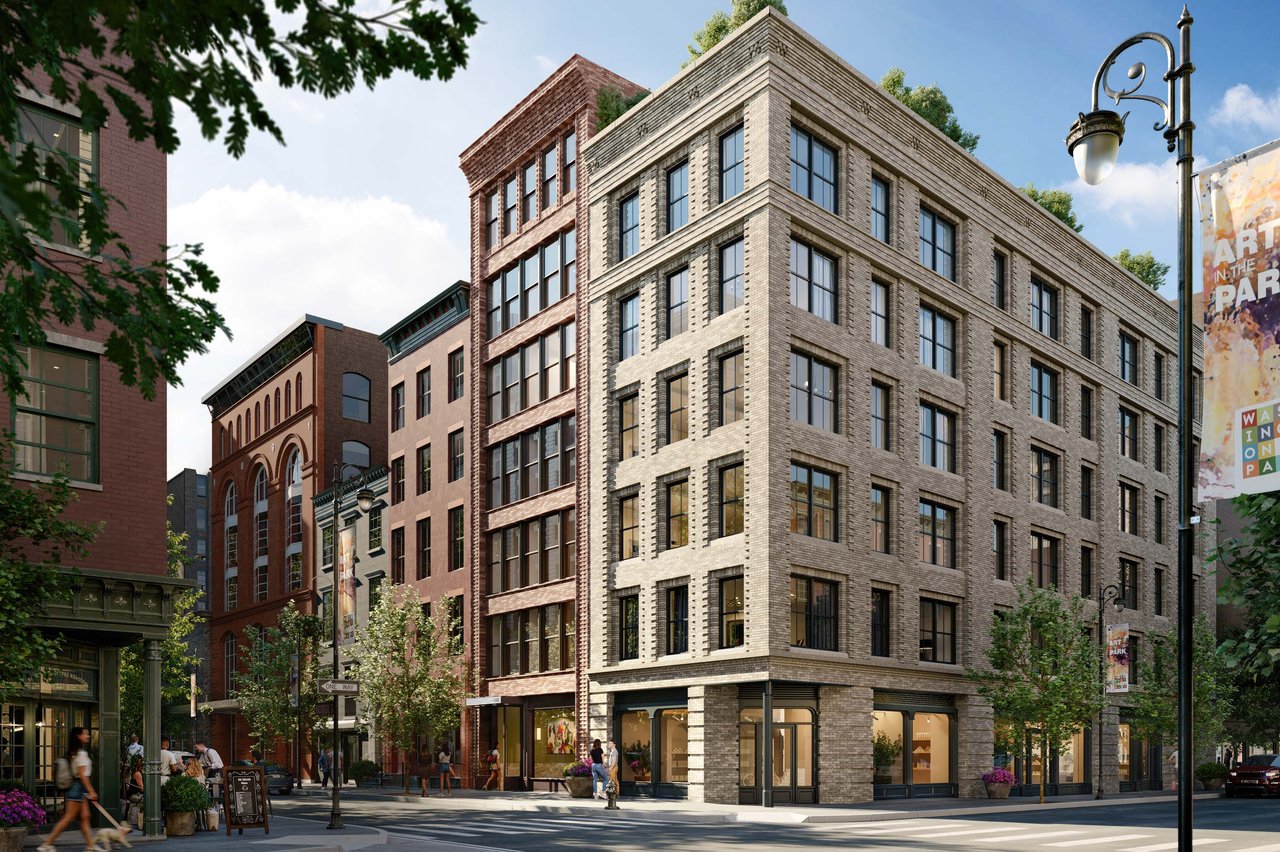
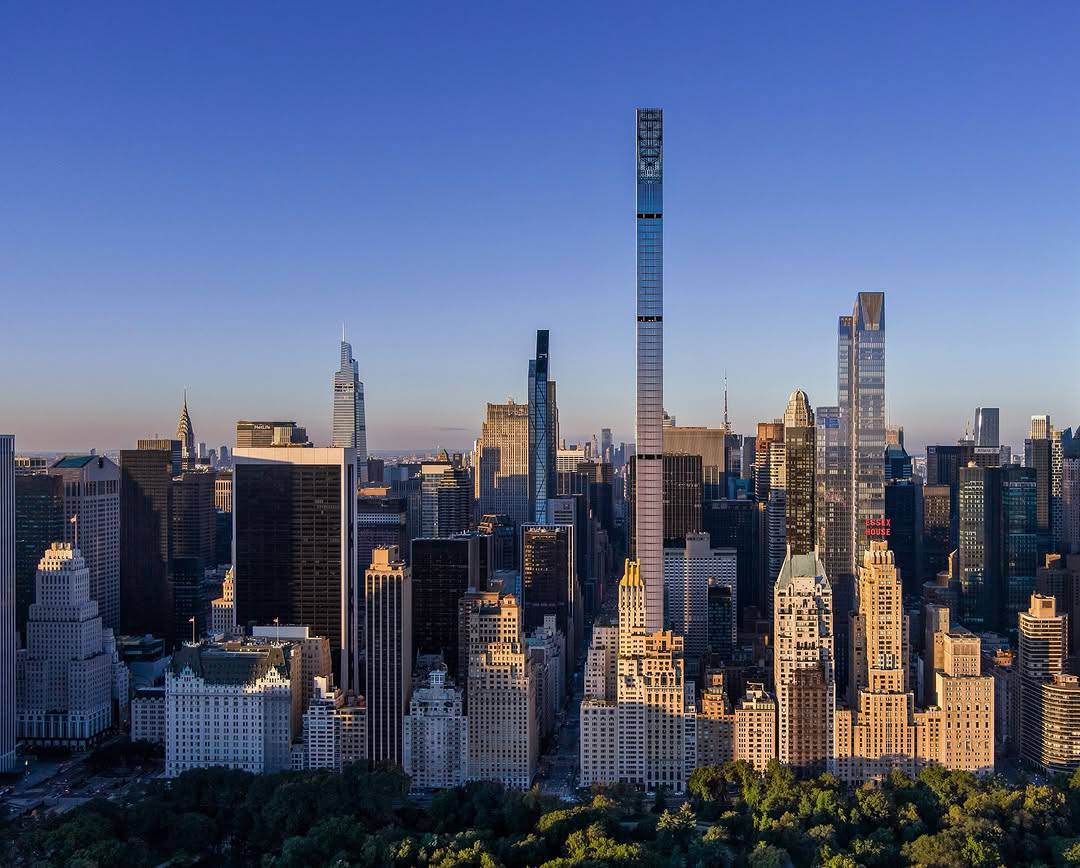
An experienced buyer's agent tracks absorption velocity, comparable contract data, and sales-cycle phases across comparable buildings — the same discipline that's shaped recent negotiated deals in buildings like One Domino Square, The Huron, Vandewater, and 111 West 57th Street.
What Does Buying New Construction Actually Cost Beyond the Sticker Price?
More than most buyers expect, and this is exactly where representation earns its keep. New development sponsor sales carry cost categories that don't exist in a resale transaction:
- Sponsor's attorney fee: typically a flat $5,000, charged to the buyer to cover the sponsor's legal representation at closing.
- Working capital contribution: often two months of common charges, paid into the building's reserve fund at closing.
- NYC and NYS transfer tax pass-through: many offering plans are written so the buyer absorbs the sponsor's transfer tax, roughly 1.825% of the purchase price, a cost a resale seller would normally pay.
Combined, these new-development-only line items can add 2–3% to a buyer's total closing costs beyond standard expenses. On a $3 million new development condo, that's an additional $60,000–$90,000 compared to an equivalent resale — and it's precisely the kind of term a buyer's agent reviews in the offering plan and pushes to negotiate down before you're in contract.
How Is a New Development Purchase Contract Different From a Resale?
The sponsor writes it, not a standard form. Every NYC new development sale is governed by an offering plan — a state-mandated disclosure document covering the building's finances, physical condition, and governance structure. It's dense, heavily lawyered, and drafted entirely to protect the sponsor. Buyers and their advisors are expected to review it as part of due diligence, and it's a document most first-time buyers have never seen before, let alone negotiated against. A buyer's agent flags the terms that matter — how common charges are projected to escalate, what rights the sponsor retains post-sellout, and where there's actual room to negotiate credits — before you sign anything binding.
When Do Sponsors Actually Negotiate?
New development, like any market, moves in cycles — and those cycles are largely invisible if you're not tracking a building's sales pace daily. Prestigious projects go through predictable phases where sponsors become measurably more flexible: typically as a building approaches a lending covenant deadline, after a slow sales stretch, or late in a sellout when remaining inventory needs to move. Buyers who walk in during the wrong phase of that cycle are the ones who overpay — not because the unit itself is priced wrong, but because they bought at the sponsor's most favorable moment instead of theirs. This is the single biggest reason representation pays for itself in new construction: an agent who tracks the building's absorption data knows when leverage has shifted toward the buyer.
If you're actively comparing new developments, our new developments blog tracks which buildings are in active sales phases right now and which are approaching the kind of deadline that tends to open up negotiating room.
Frequently Asked Questions
- Do I have to pay for a buyer's agent when purchasing new construction in NYC? In most transactions, no — buyer's agent commissions are typically paid out of the sponsor's marketing budget, the same structure used in resale deals. Your agent will disclose the exact commission structure for any specific building before you tour it.
- Is it more expensive to buy new construction than a resale in Manhattan? Usually yes, once you account for sponsor-specific fees. New development purchases can add 2–3% in additional closing costs beyond standard buyer expenses — on a $3 million condo, that's roughly $60,000 to $90,000 more than an equivalent resale.
- Can I negotiate the price on a new development condo in NYC? Yes, though sponsors typically hold firmer pricing than individual sellers. Negotiating room opens up at specific points in a building's sales cycle — near a lending deadline, after a slow sales stretch, or late in sellout — which is why timing your offer matters as much as the number itself.
- What is a sponsor unit, and is it different from a regular new construction listing? A sponsor unit is any apartment that has never been sold to an individual buyer since the building's construction or conversion. In new condos, that's simply first-sale inventory. Buying directly from the sponsor typically bypasses board approval, but comes with the added closing costs outlined above.
- Do I need a real estate attorney in addition to a buyer's agent for new construction? Yes — New York requires an attorney for all real estate transactions, and in new development specifically, your attorney reviews the offering plan and purchase agreement in detail alongside your agent's market and pricing guidance.
Considering a new development purchase in Manhattan? Contact Elena Ash, licensed real estate agent with Compass, for representation that works only for you — at no added cost in most sponsor sales. Read more about Elena's background and approach.