A sponsor unit is simply an apartment that has never been individually sold — it's still held by the developer or converting entity, not a previous owner. That single fact changes the deal differently depending on whether it's a condo or a co-op: sponsor condos offer never-lived-in space and sometimes even pre-move-in customization, while sponsor co-ops offer something arguably more valuable — the ability to skip board approval and negotiate outside a board's usual financial requirements.
What Does "Sponsor Unit" Actually Mean?
"Sponsor" refers to whoever originally converted or built the property — a developer in new construction, or the entity that converted a rental building into a co-op decades ago. Any unit that entity still owns and hasn't yet sold to an individual buyer is a sponsor unit, regardless of how long ago the building itself went up. That's why you'll sometimes see "sponsor unit" attached to a listing in a brand-new Hudson Yards tower and, just as often, attached to a prewar co-op that converted back in the 1970s or 1980s — the label describes who's selling, not when the building was constructed.
What Are the Advantages of a Sponsor Unit in a Condo?
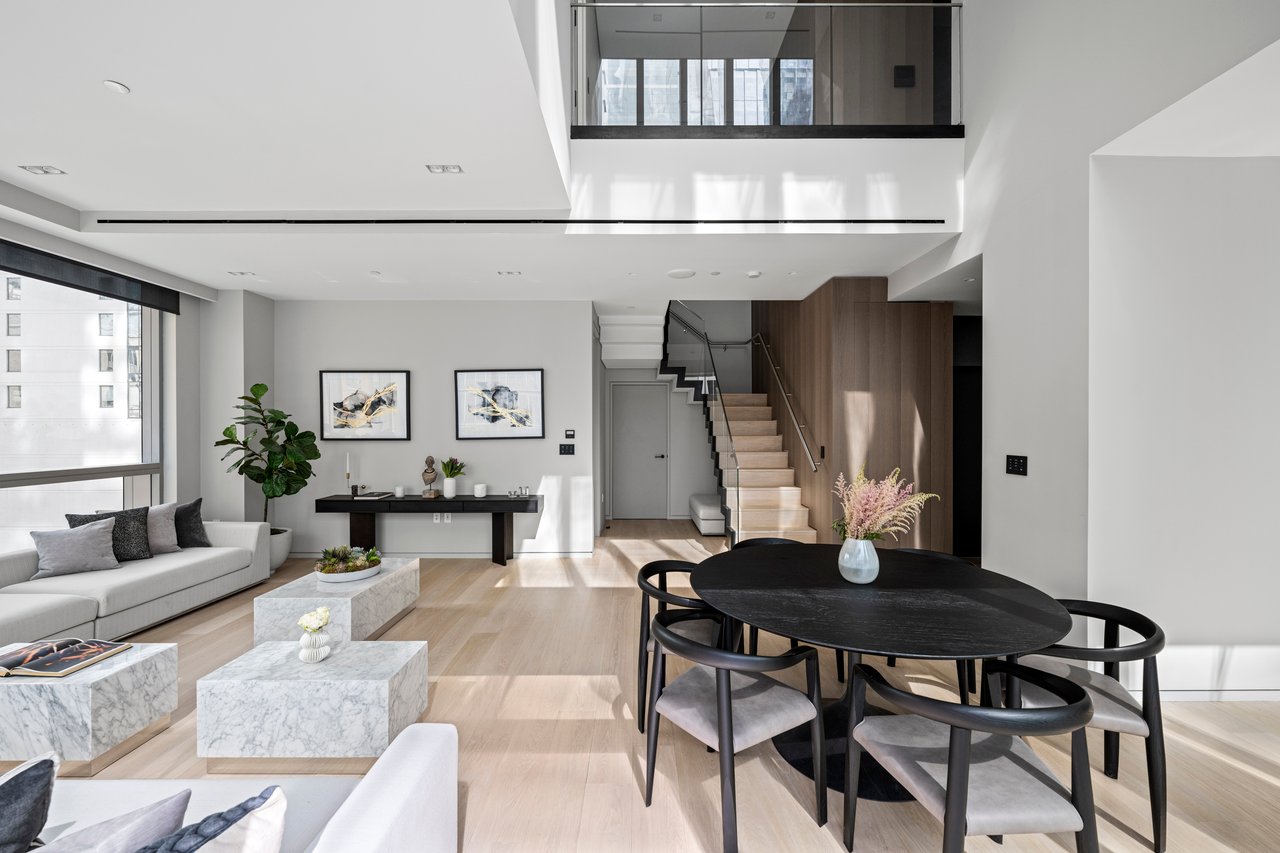
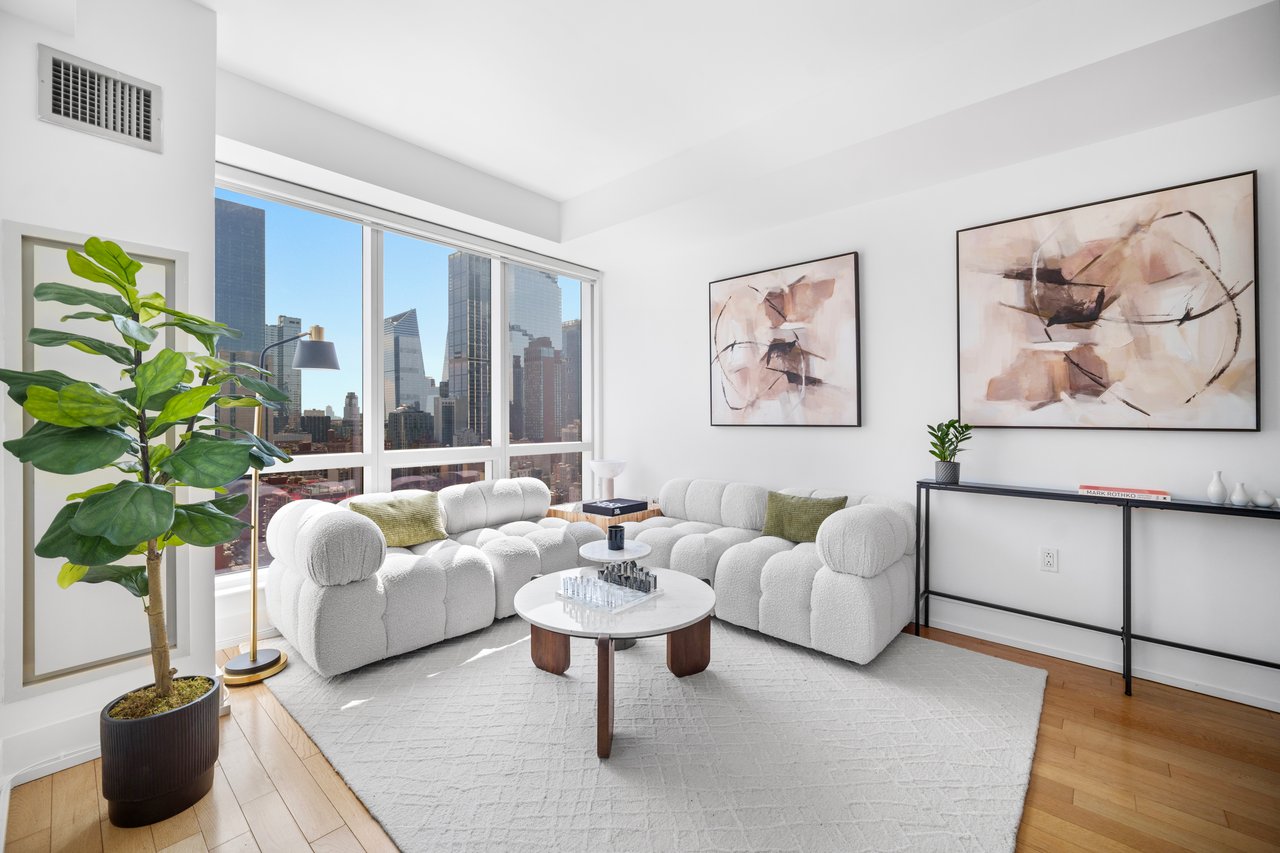
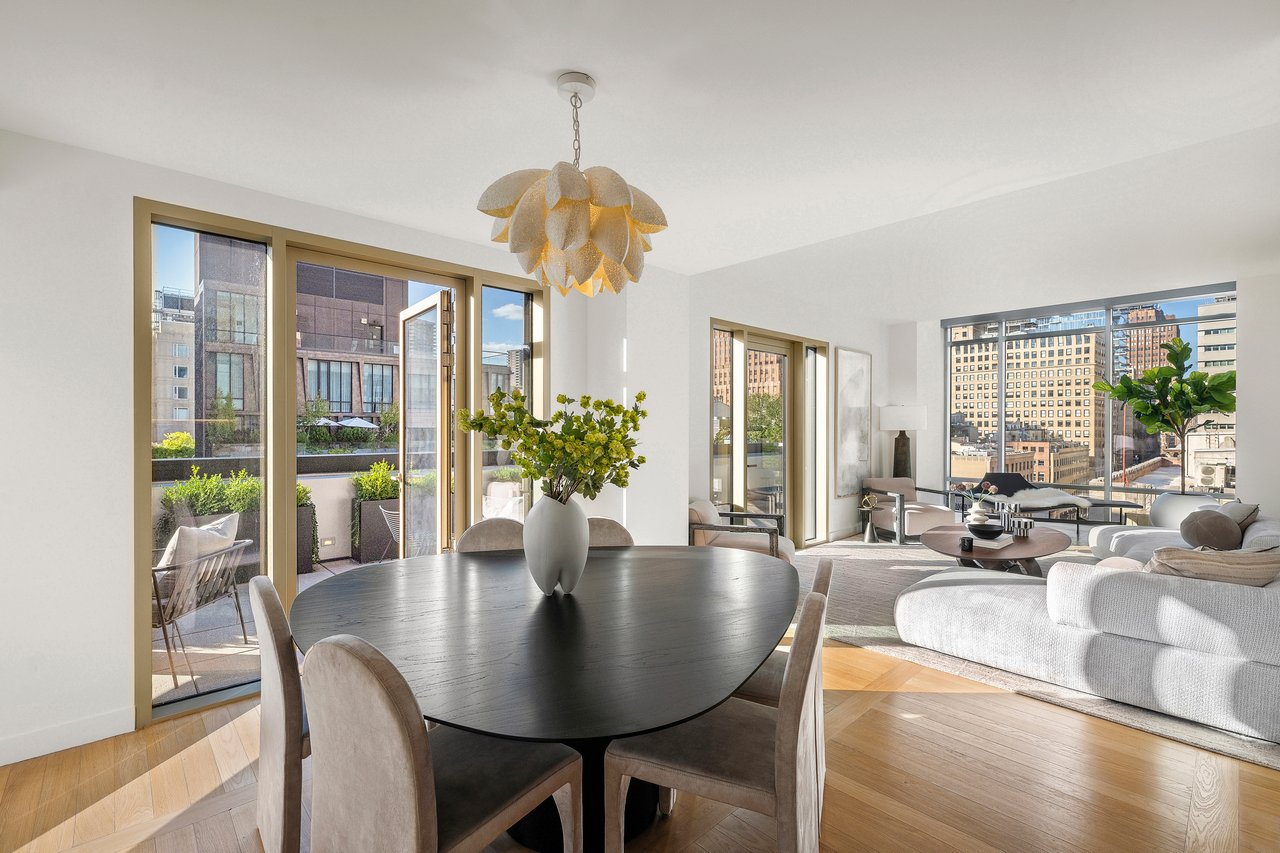
The biggest one is condition. Most sponsor condos sit inside new construction buildings and are sold directly by the developer, which means you're buying space with zero prior wear — no previous owner's flooring choices, no inherited paint jobs, nothing to undo. Depending on how far along construction is, some buyers can still request custom touches before closing: combining adjacent units into one larger layout, adding smart-home wiring, or making other build-out decisions a resale buyer never gets a say in.
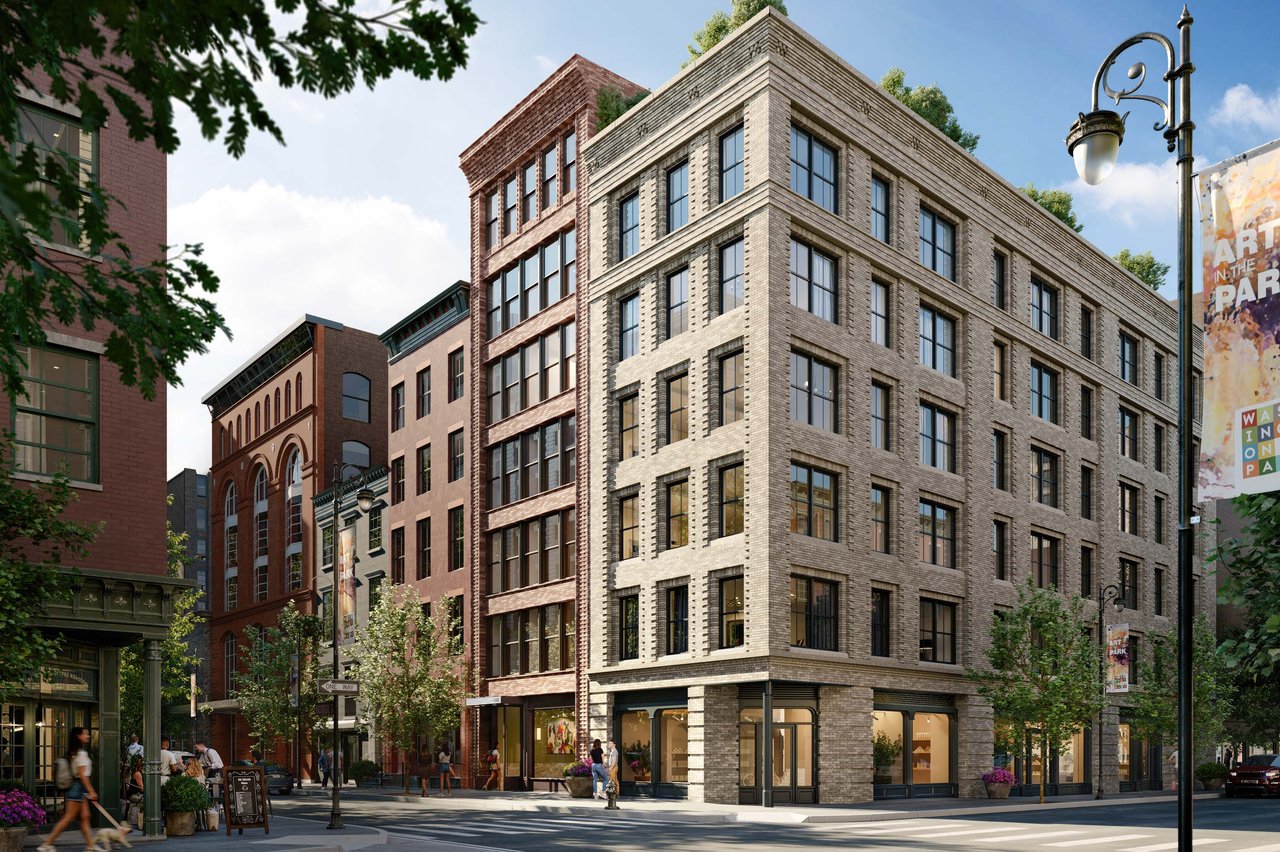
Sponsor condos aren't limited to ground-up new construction, either. When a sponsor scoops up a batch of units inside an already-established condo building — say, from a bulk purchase or a building-wide renovation program — those units often get refreshed with new finishes and appliances before hitting the market. That gives buyers a rare combination: the polish of a freshly renovated unit, inside a building that's already worked out its early operational issues, which brand-new towers sometimes haven't.
What Are the Downsides of a Sponsor Unit in a Condo?
Two things stand out: cost allocation and uncertainty. In a typical resale, the seller covers New York's transfer taxes. In a sponsor sale, that obligation usually shifts to the buyer — worth factoring into your total budget alongside the mansion tax if the purchase price clears $1 million. Some developers offset this by covering transfer taxes themselves as a closing incentive, particularly when a building is trying to accelerate its sellout pace, so it's always worth asking directly whether that's on the table.
The bigger risk applies specifically to units still under construction: there's no finished product yet to point to, which creates uncertainty for both sides of the transaction. Buyers can compare floor plans against similar units in nearby completed buildings, but there's no guarantee the finished apartment matches expectations. Lenders face a version of the same problem — appraising a unit that doesn't physically exist yet is inherently harder than appraising a resale, which is one reason many sponsors partner with preferred lenders who are already familiar with the project and sometimes offer better terms as a result. None of this matters, of course, if you're paying in cash.
What Are the Advantages of a Sponsor Unit in a Co-op?
Sponsor co-ops are less common than they once were, but they still surface — sometimes inside classic prewar buildings, sold not by the original sponsor but by whoever inherited that entity's remaining unsold shares. Two advantages make them worth a serious look whenever they do appear.
The first is negotiating room. Because sponsor units aren't subject to a co-op board's standard financial requirements, sponsors have more flexibility to structure a deal outside a board's usual playbook — accepting higher loan-to-value financing, waiving an escrow requirement, or working with a buyer whose income doesn't fit a conventional board package. Sponsors still care about a buyer's ability to pay, but they aren't bound to enforce the same rules the building's board applies to every other purchase, which opens the door for buyers who'd otherwise get filtered out before they ever reached an interview.
The second is skipping board approval entirely. The buyer still becomes a full shareholder with all the same rights and obligations as anyone else in the building, but never has to sit through the board package process — the years of financial documents, personal reference letters, and an interview that can (fairly or not) scrutinize everything from a buyer's finances to their choice of pet. For buyers who've been through — or heard horror stories about — a tough NYC co-op board interview, avoiding that process altogether is often reason enough on its own.
What Are the Downsides of a Sponsor Unit in a Co-op?
The flexibility comes with trade-offs. Unless a sponsor has already renovated the unit before listing it, expect what brokers often call "estate condition" — original details that can be genuinely beautiful (crown moldings, prewar layouts, vintage fixtures) but paired with systems and finishes that may not have been touched in decades. In the more extreme cases, that means budgeting for a full gut renovation before the unit is livable, not just a cosmetic refresh.
There's also a due-diligence step buyers shouldn't skip: understanding who lived in the unit before. A sponsor co-op coming to market for the first time in decades was frequently occupied by a rent-controlled or rent-stabilized tenant, and it's worth confirming that tenant's departure was handled properly and legally before you're in contract — improperly terminated tenancies can create legal exposure for a new owner down the line.
Finally, don't assume "no board approval" means "cheaper." The very features that make sponsor units appealing — lighter financial scrutiny, no interview — tend to put them in high demand, which often pushes their price above comparable non-sponsor units in the same building. And like sponsor condos, sponsor co-op sales typically carry additional closing costs that a standard resale wouldn't. For the full breakdown of what those costs look like at closing, see our closing costs guide.
Condo or Co-op Sponsor Unit — Which Fits Your Situation?
If pristine, never-lived-in condition and the possibility of pre-move-in customization matter most, a sponsor condo is the stronger fit — just budget for the transfer tax shift and go in clear-eyed about buying into an unfinished building if it's new construction. If your priority is avoiding a co-op board's scrutiny entirely, or you need financing terms a board wouldn't approve, a sponsor co-op can open a door that's otherwise closed — provided you're prepared for a renovation and have done your homework on the unit's history. Either way, sponsor sales move differently than standard resales, and having an agent who's negotiated one before matters. Our guide on new development buyer representation covers how that process works specifically in ground-up construction.
Frequently Asked Questions
- Is a sponsor unit cheaper than a regular resale in the same building? Usually not — sponsor units tend to sell at a premium because of the flexibility they offer, whether that's skipping board approval in a co-op or getting never-lived-in condition in a condo. Any savings tend to show up in financing flexibility, not sticker price.
- Do I need an agent to buy a sponsor unit if there's no board approval required? Yes, especially for co-ops. Without a standardized board package to guide the process, a good agent is what protects you on price negotiation, closing cost allocation, and verifying the unit's tenancy history before you sign anything.
- Why do so many sponsor co-op units need renovation? Many sat occupied by long-term rent-stabilized or rent-controlled tenants for decades before the sponsor could sell them, so original finishes and systems often haven't been updated since the building's earliest years.
- Who pays transfer taxes on a sponsor unit — the buyer or the seller? In most sponsor sales, the buyer pays, which differs from a standard resale where the seller typically covers it. Some developers cover this cost themselves as a purchase incentive, so it's always worth asking before you assume it's on you.
- Can I get a mortgage on a sponsor condo that's still under construction? Yes, though lenders sometimes have a harder time appraising units in buildings that aren't finished yet. Many sponsors work with preferred lenders already familiar with the project, which can smooth the process — or it's a non-issue entirely for an all-cash purchase.
Considering a sponsor unit in a condo or co-op? Contact Elena Ash, licensed real estate agent with Compass, to review current sponsor listings and negotiate the terms that matter most to you. Read more about Elena's background and approach.