Manhattan has always been more than a real estate market. It operates as a global benchmark for how people want to live in a major city. Even as luxury markets expand across Miami, London, Dubai, and Los Angeles, Manhattan continues to hold a distinct position because its value extends beyond square footage or amenities alone.
People buy into Manhattan for proximity, energy, architecture, culture, and the ability to move through daily life in a way few cities replicate.
That difference becomes especially clear once you understand how Manhattan neighborhoods function beyond headlines and listing prices.
The Shift Toward Lifestyle-Driven Buying
Today’s Manhattan buyer is increasingly focused on lifestyle rather than status alone.
Several years ago, the conversation around luxury real estate centered heavily on scale: larger apartments, taller towers, bigger amenity packages. While those factors still matter, buyers are now paying far closer attention to how a property actually supports day-to-day living.
Walkability has become one of the strongest drivers of demand. Access to restaurants, parks, cafés, wellness studios, private clubs, and cultural institutions now shapes buying decisions just as much as finishes or views.
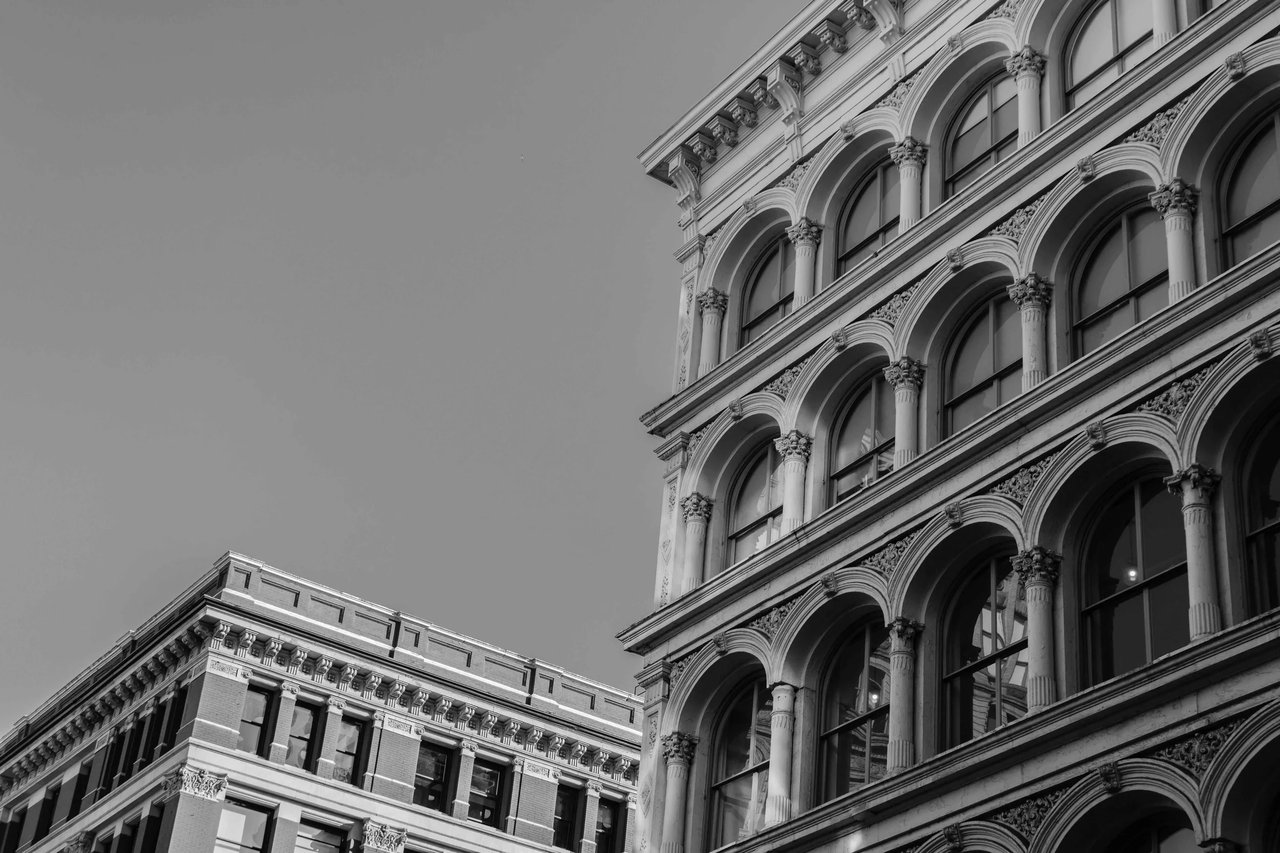
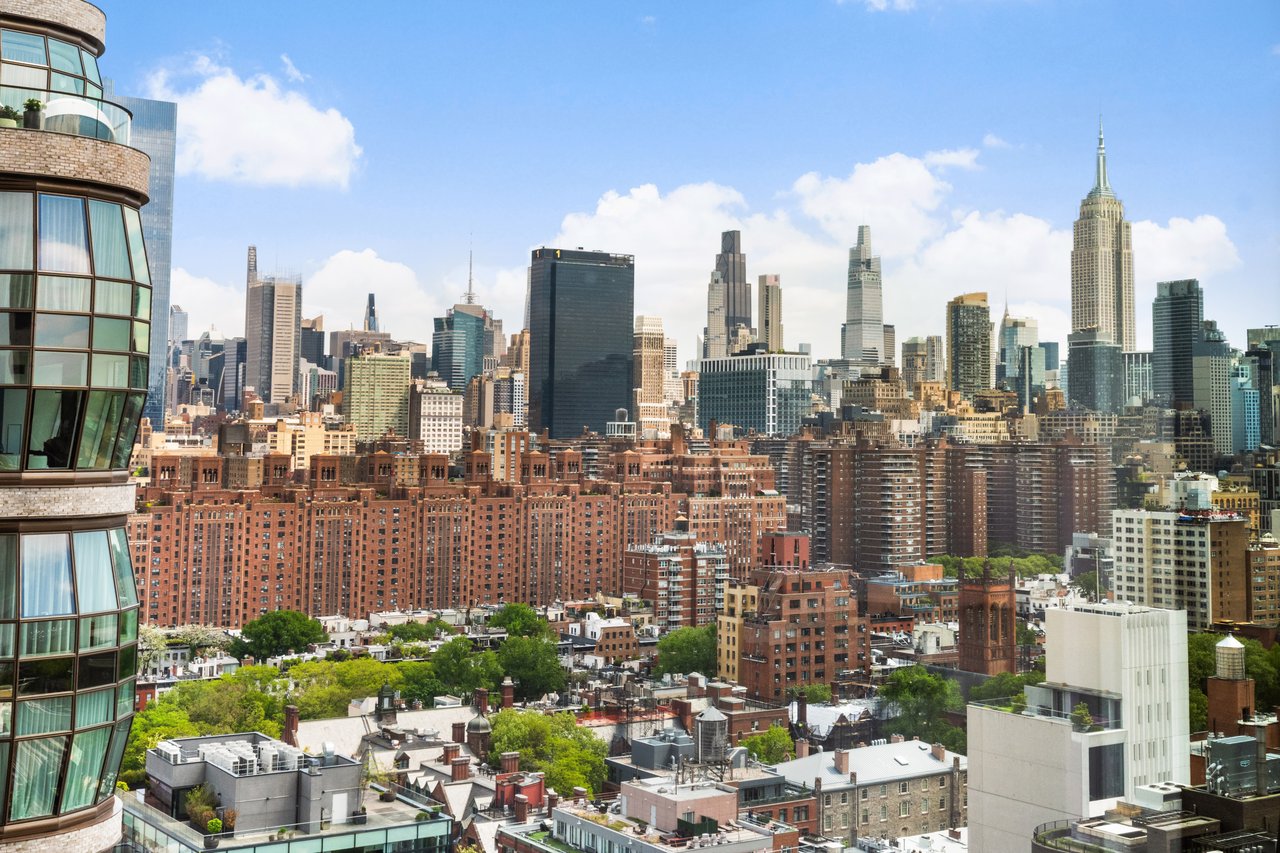
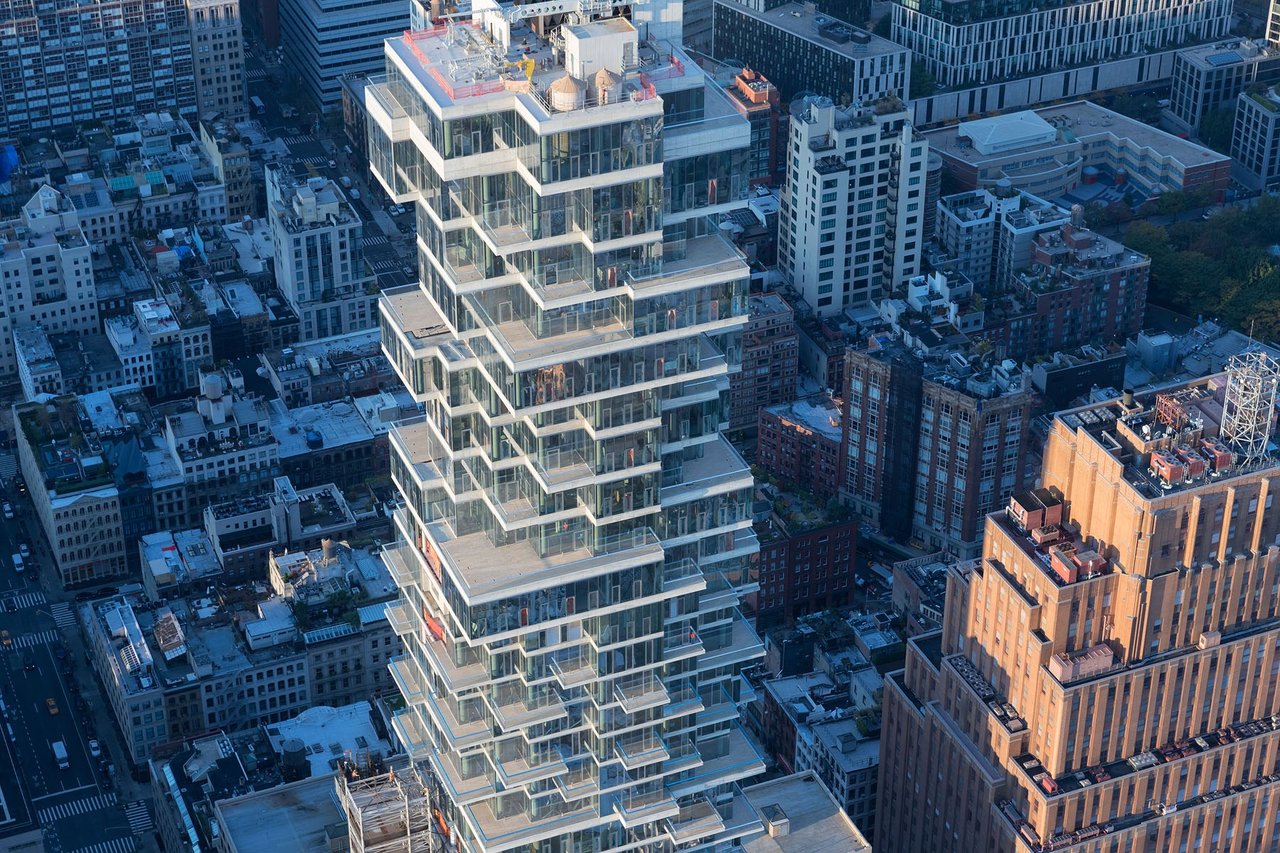
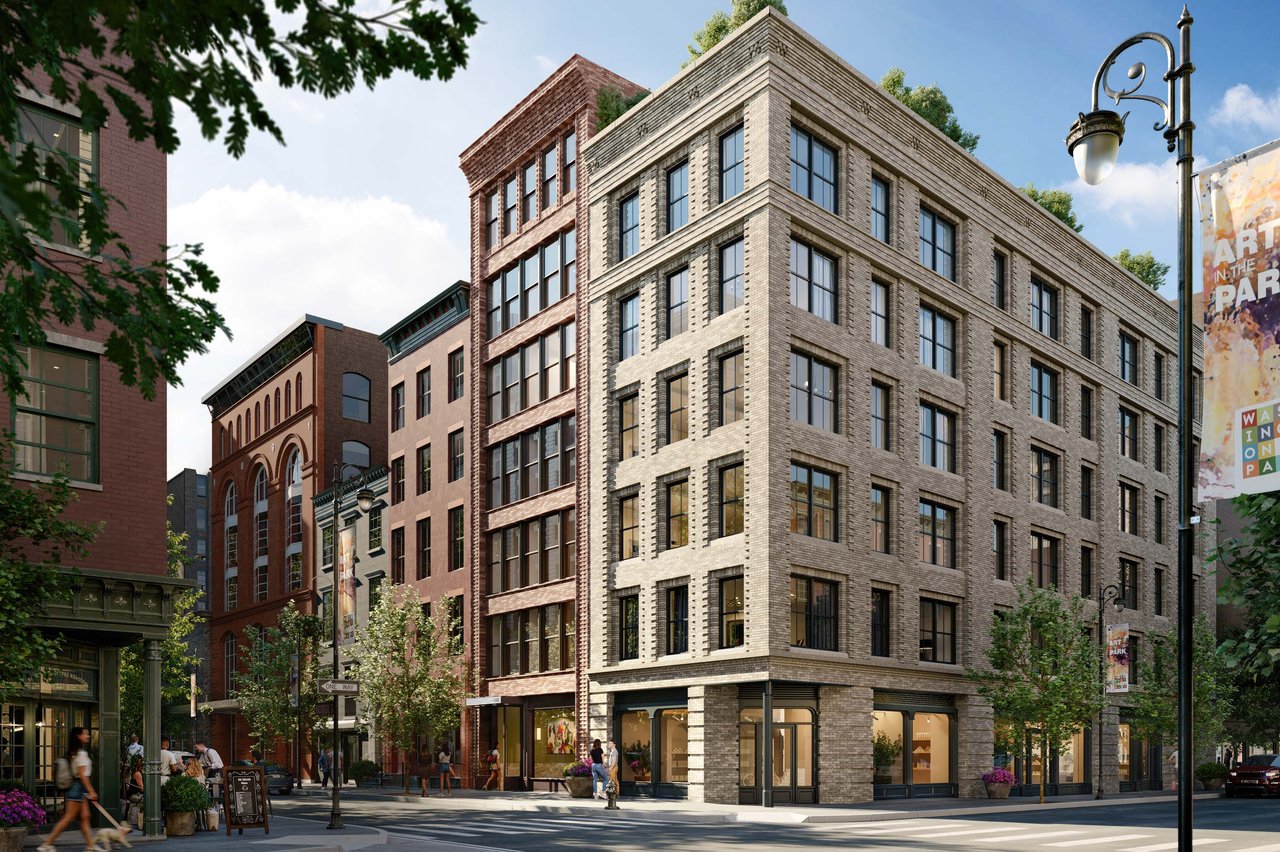
That is one reason downtown Manhattan continues attracting attention. Neighborhoods such as Tribeca, SoHo, and the West Village offer a type of daily convenience paired with architectural identity that many newer luxury districts cannot fully recreate.
Rather than relying entirely on building amenities, these neighborhoods extend the living experience into the streets themselves.
Why Manhattan Neighborhoods Matter More Than Ever
In Manhattan, location has never simply meant geography. Each neighborhood operates almost like its own ecosystem.
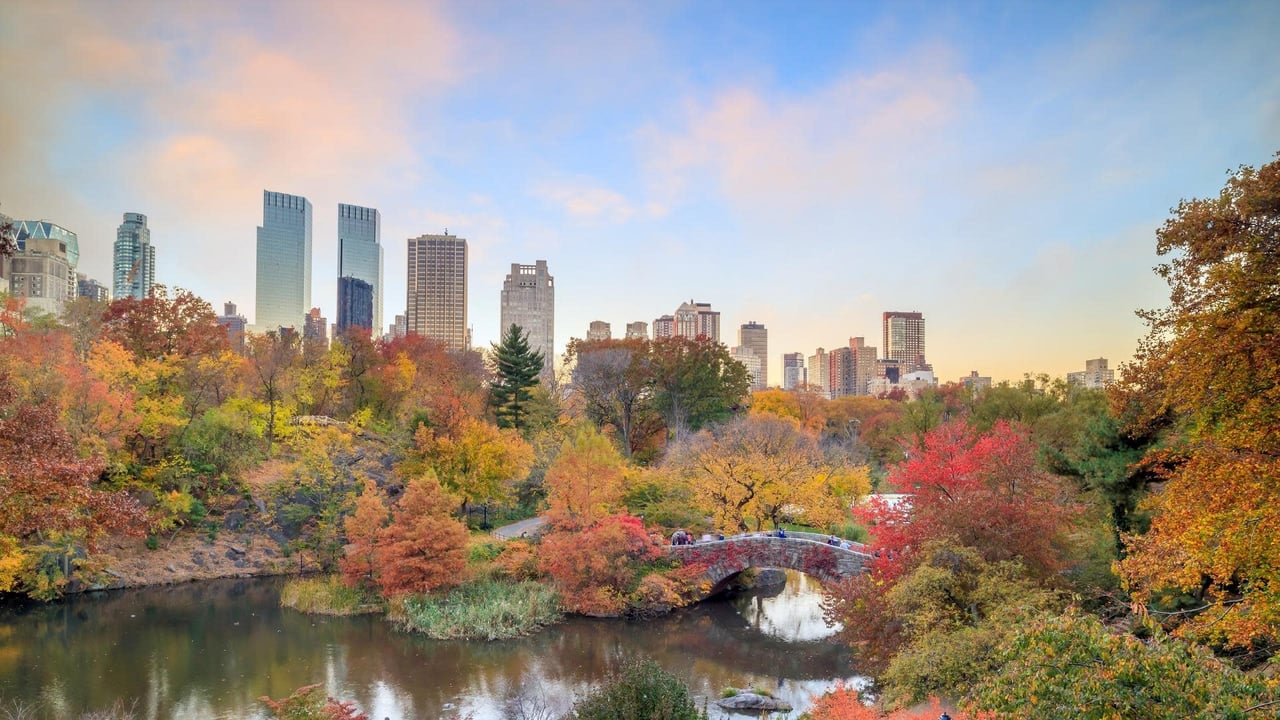
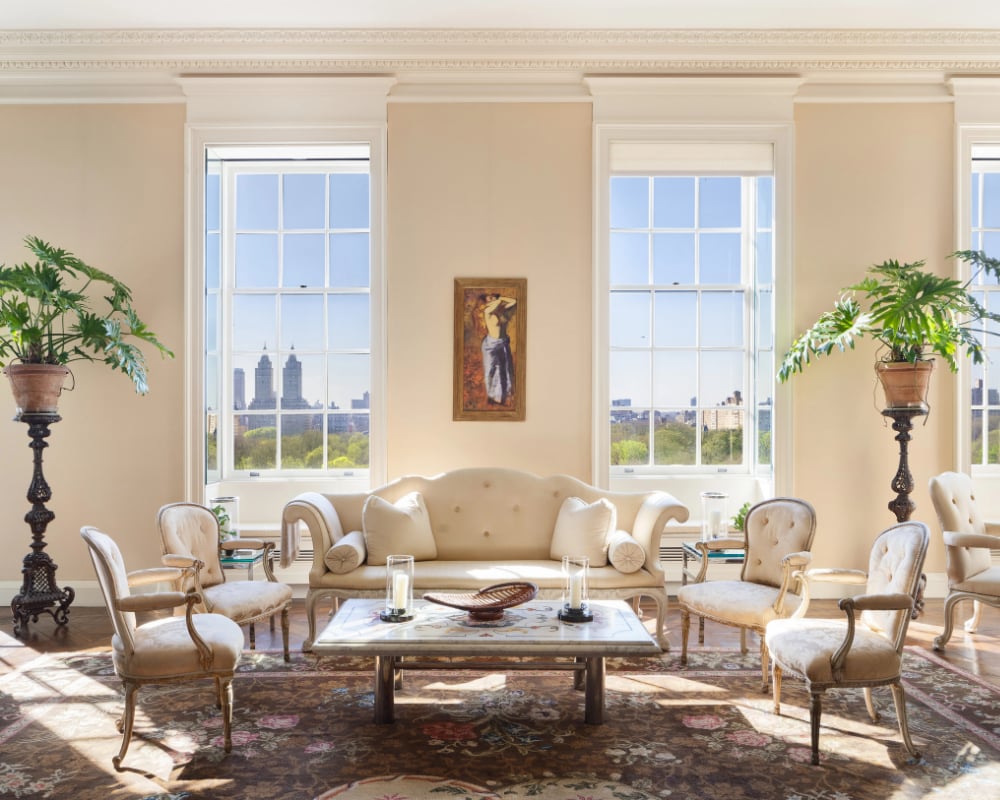
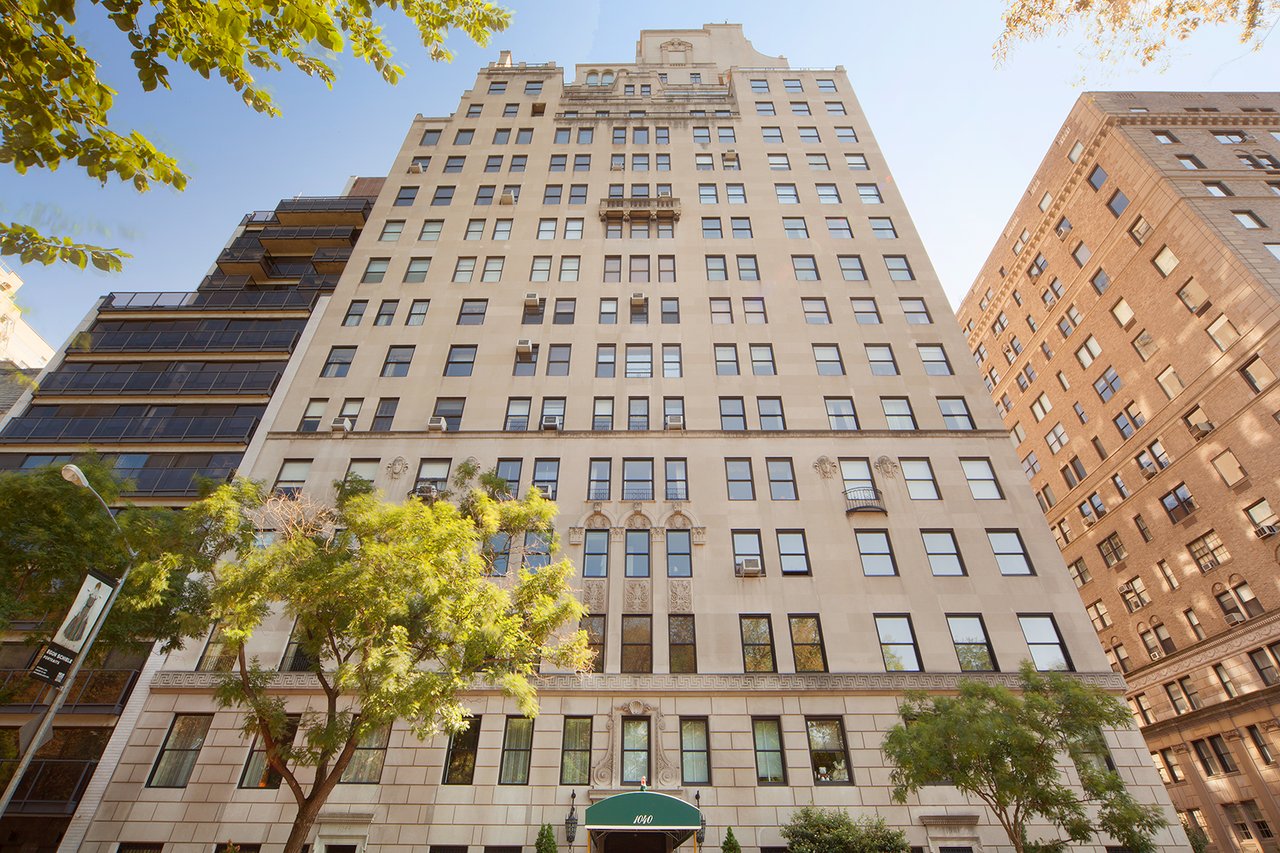
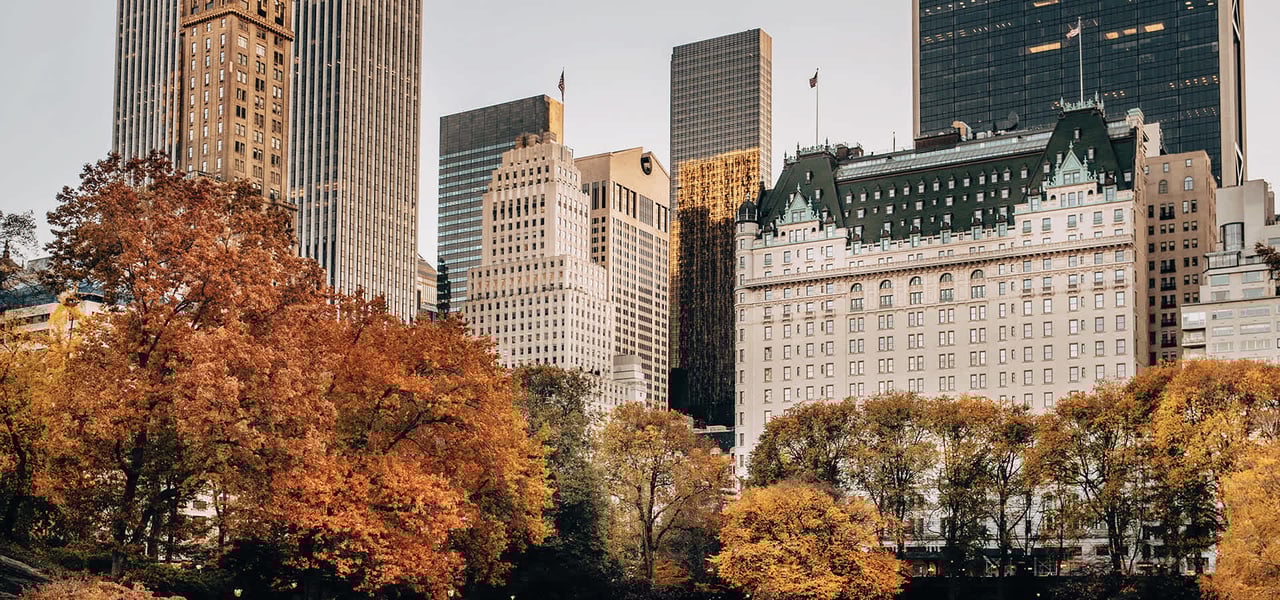
Tribeca appeals to buyers seeking privacy, larger layouts, and a quieter luxury atmosphere. SoHo attracts those drawn to design, fashion, and historic architecture. The Upper East Side continues to resonate with buyers prioritizing tradition, established residential character, and proximity to Central Park.
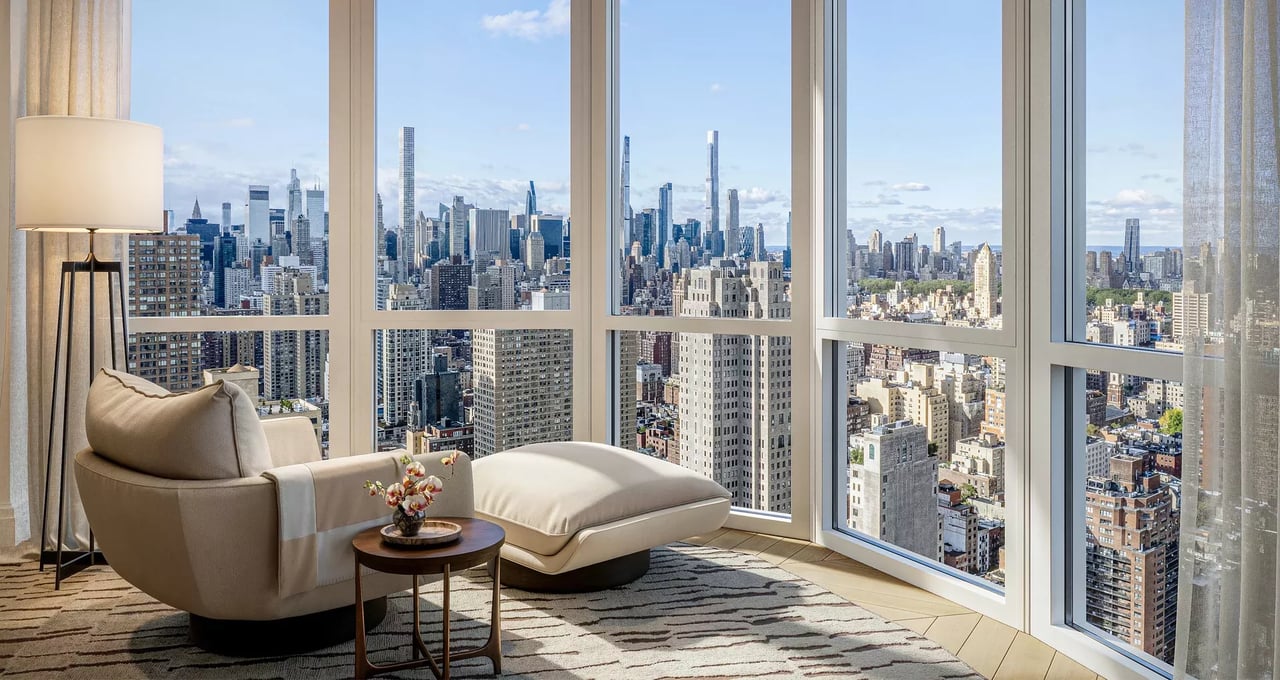
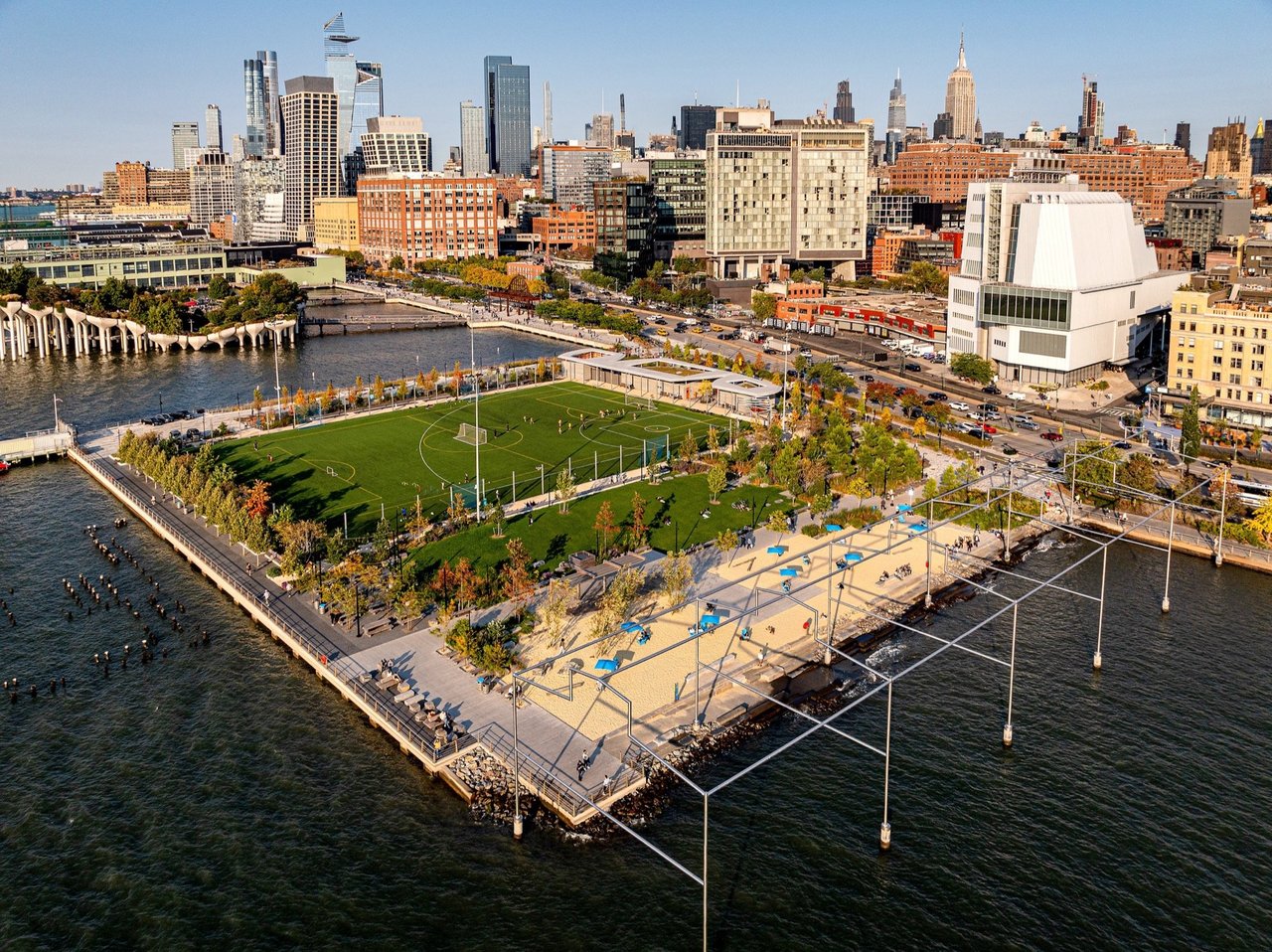
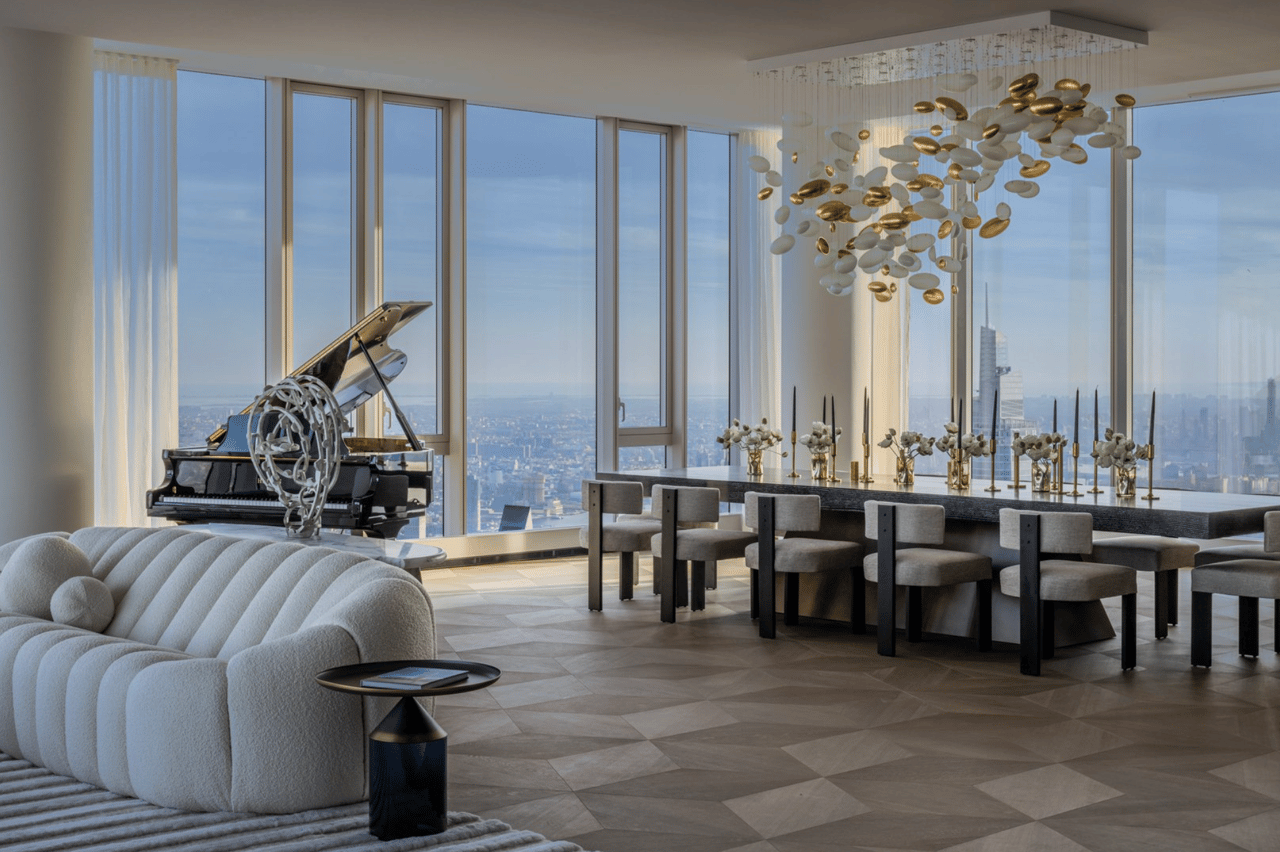
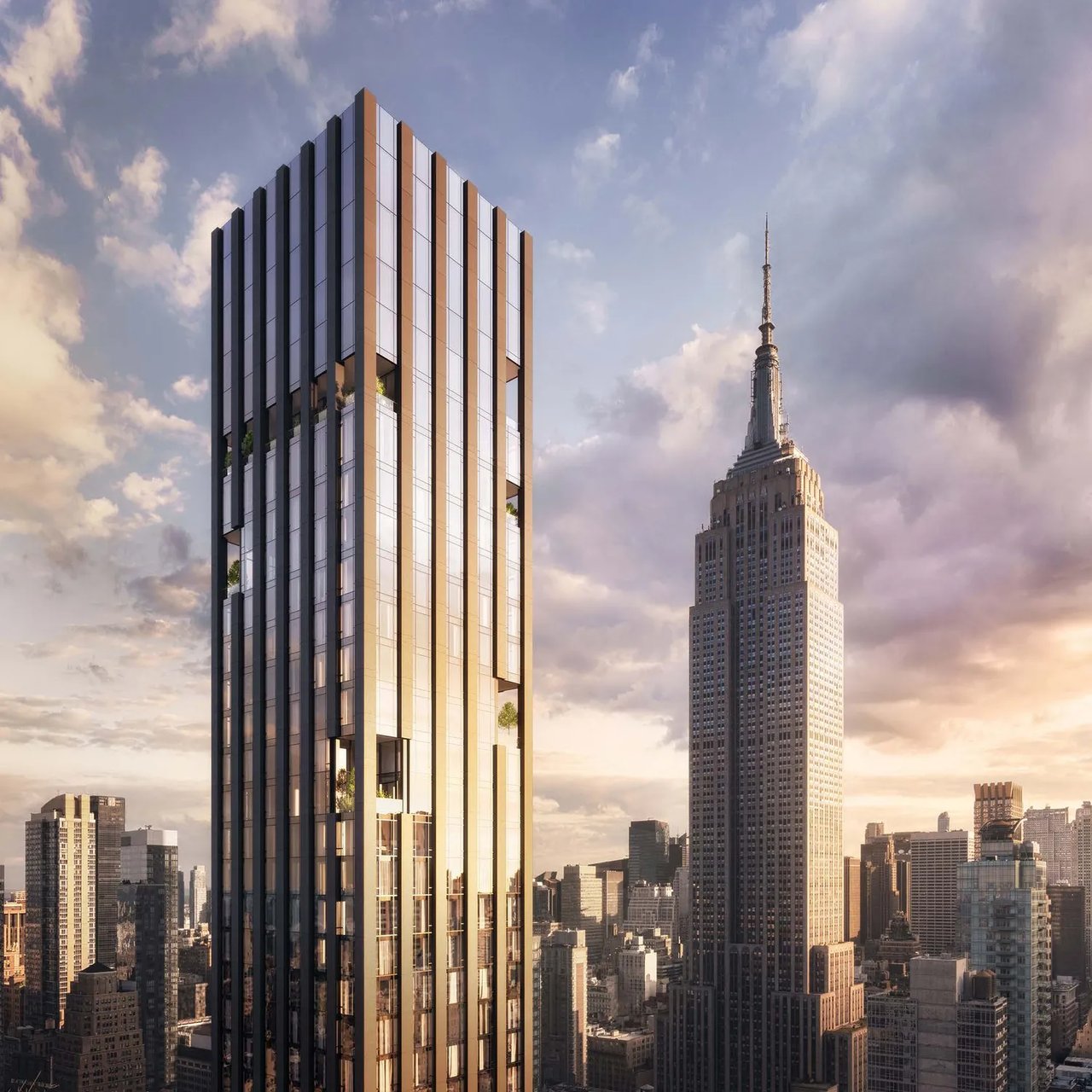
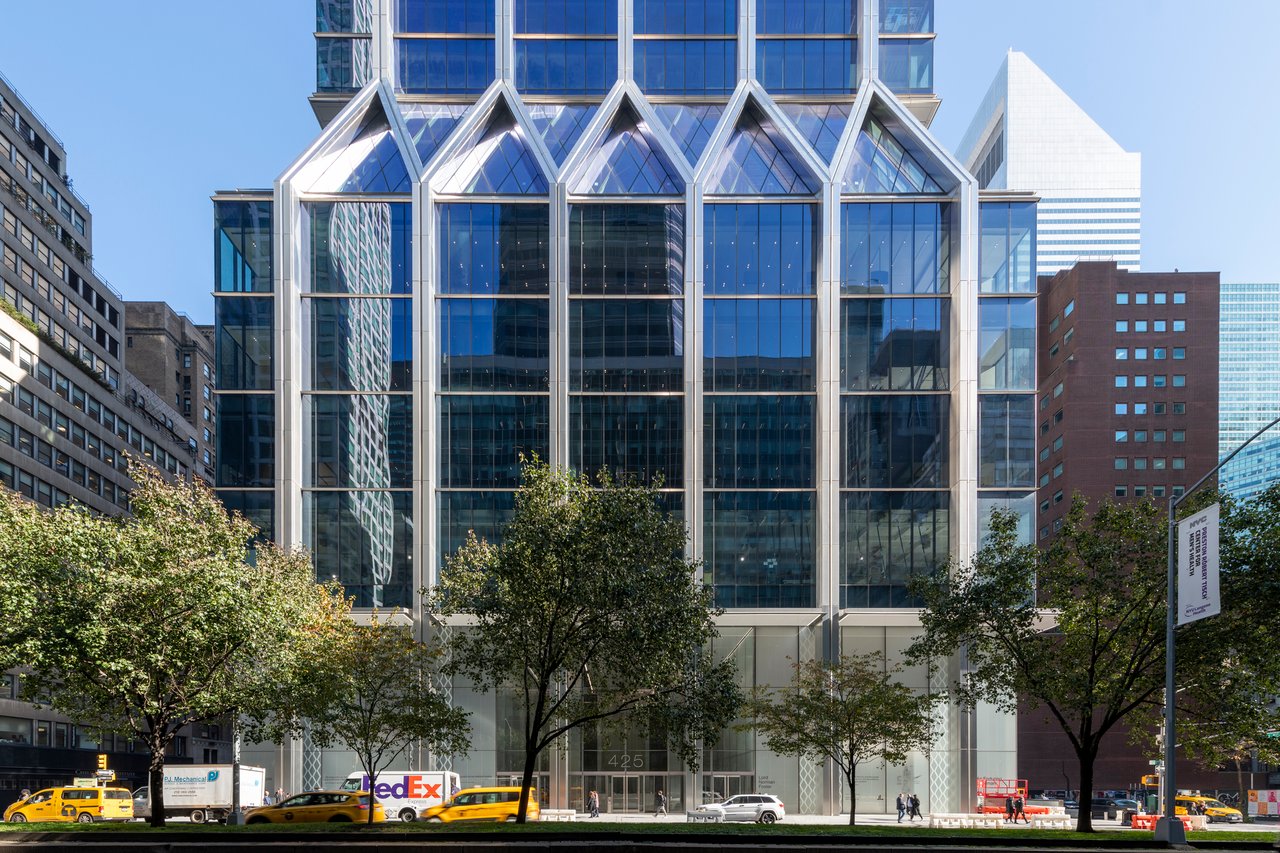
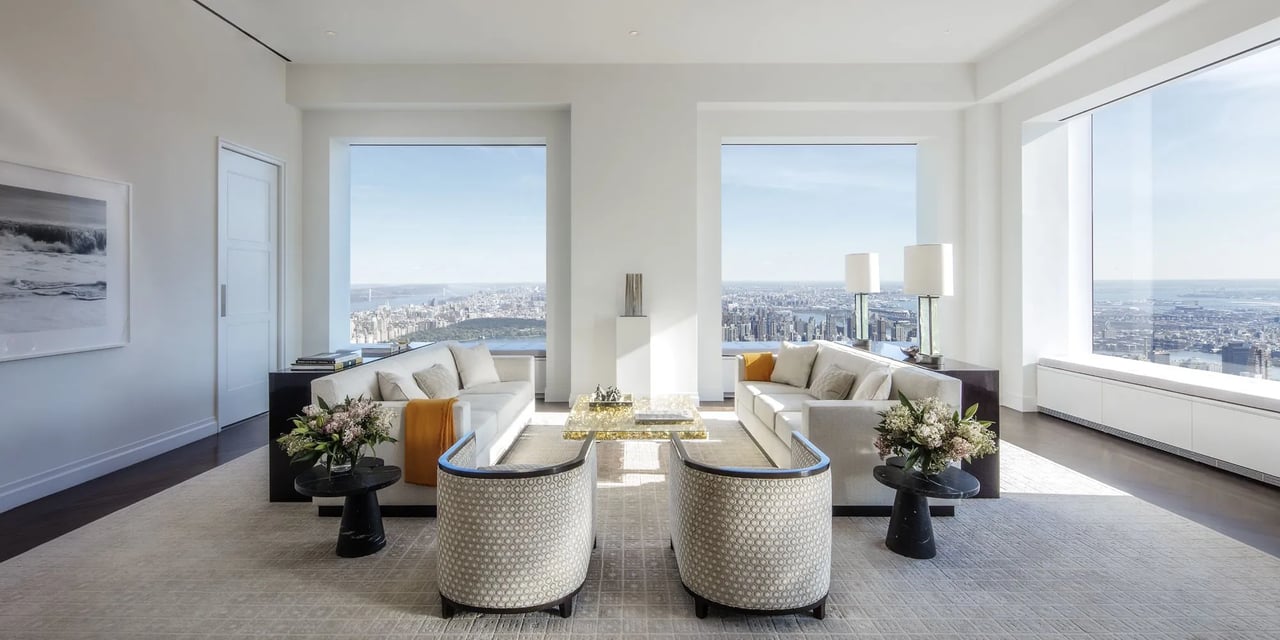
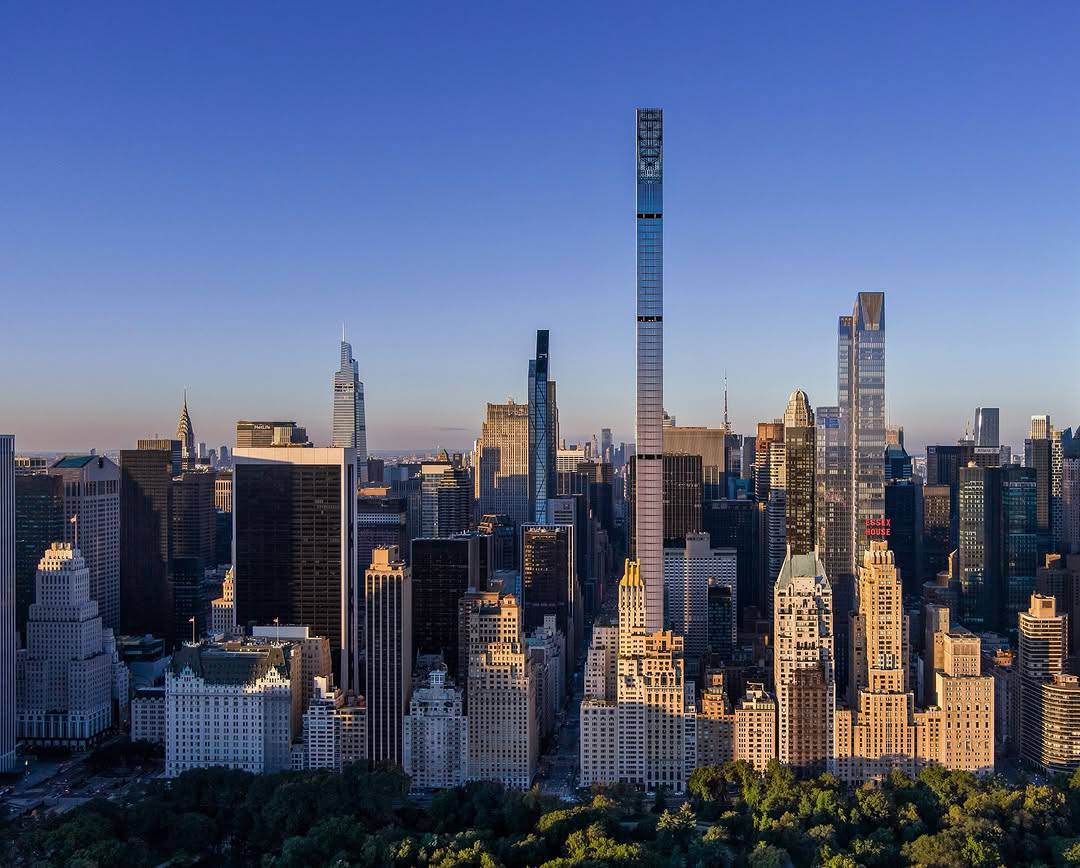
Meanwhile, newer developments around Hudson Yards and Billionaires’ Row appeal to buyers looking for full-service modern towers with extensive amenities and skyline positioning.
This neighborhood-driven identity is one of Manhattan’s strongest advantages as a market. Buyers are not choosing only an apartment — they are choosing a rhythm of living.
That distinction becomes especially important in a city where daily routines are deeply tied to the surrounding streetscape.
The Continued Demand for Full-Service Buildings
One consistent trend across Manhattan luxury real estate is the growing expectation for service.
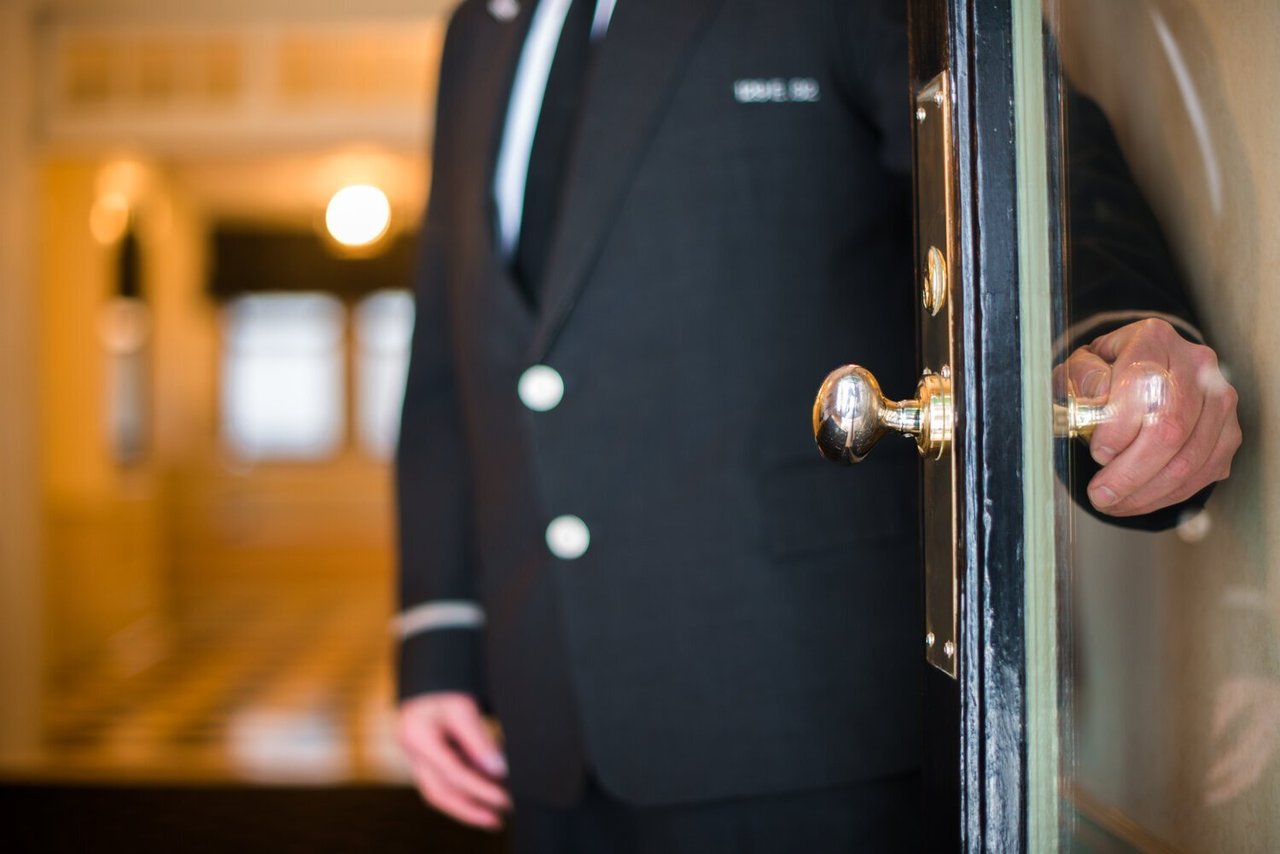
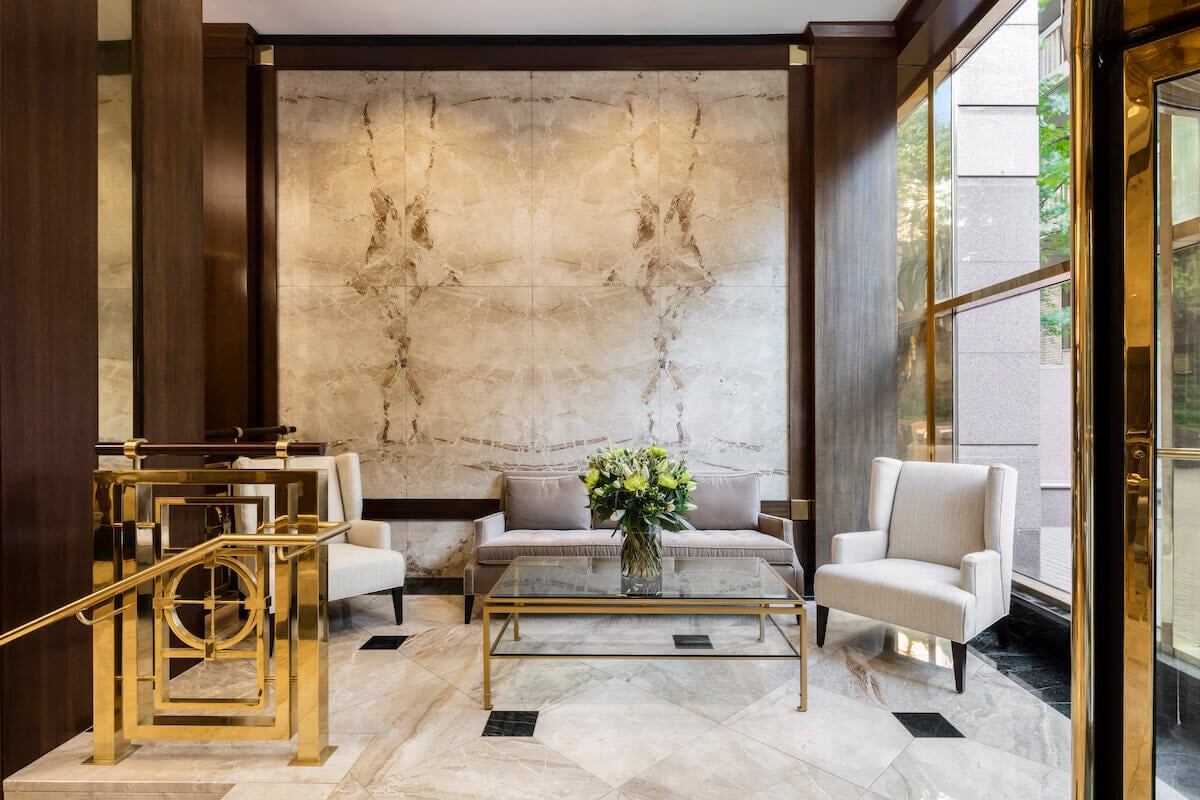
Buyers increasingly prioritize buildings that simplify daily life through concierge teams, wellness spaces, private lounges, valet services, fitness centers, and hospitality-style management.
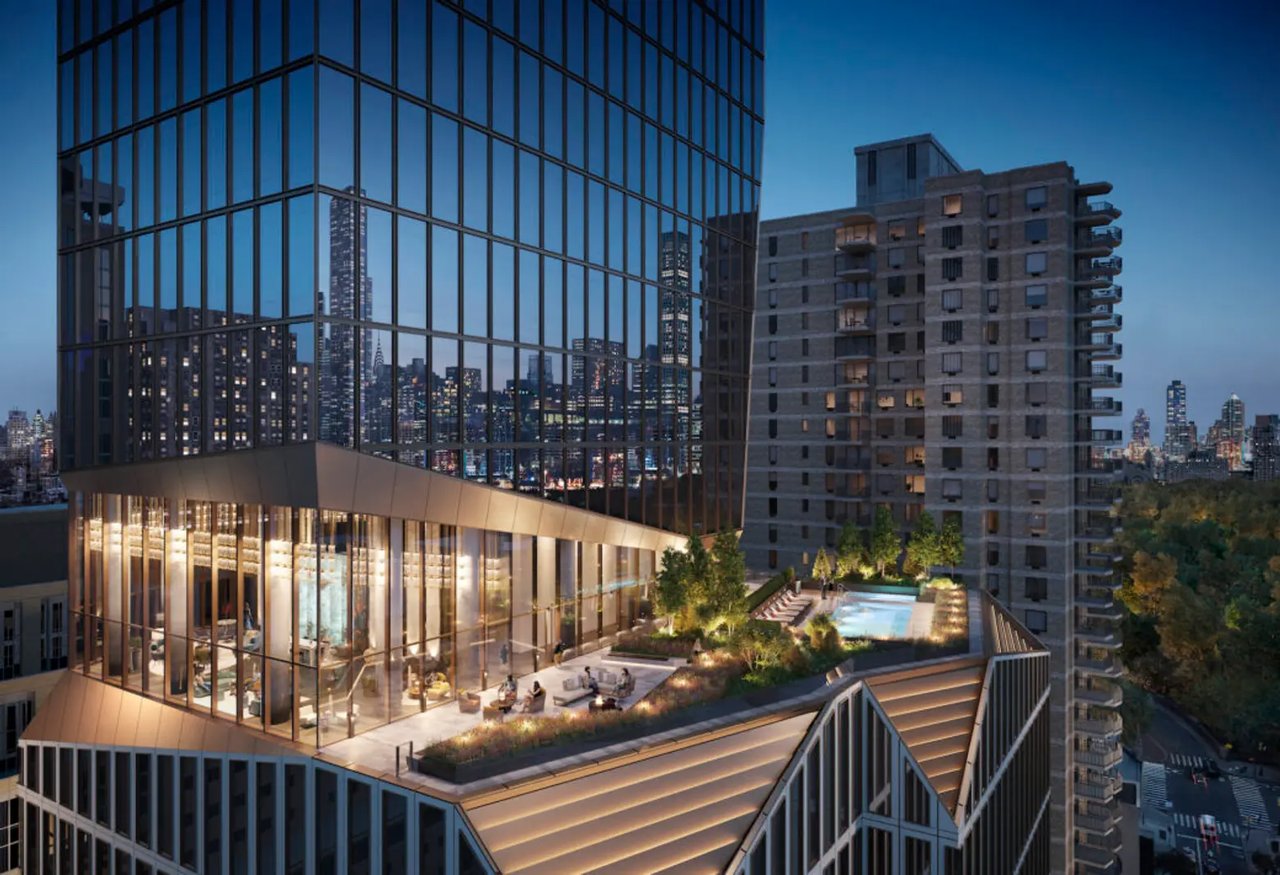
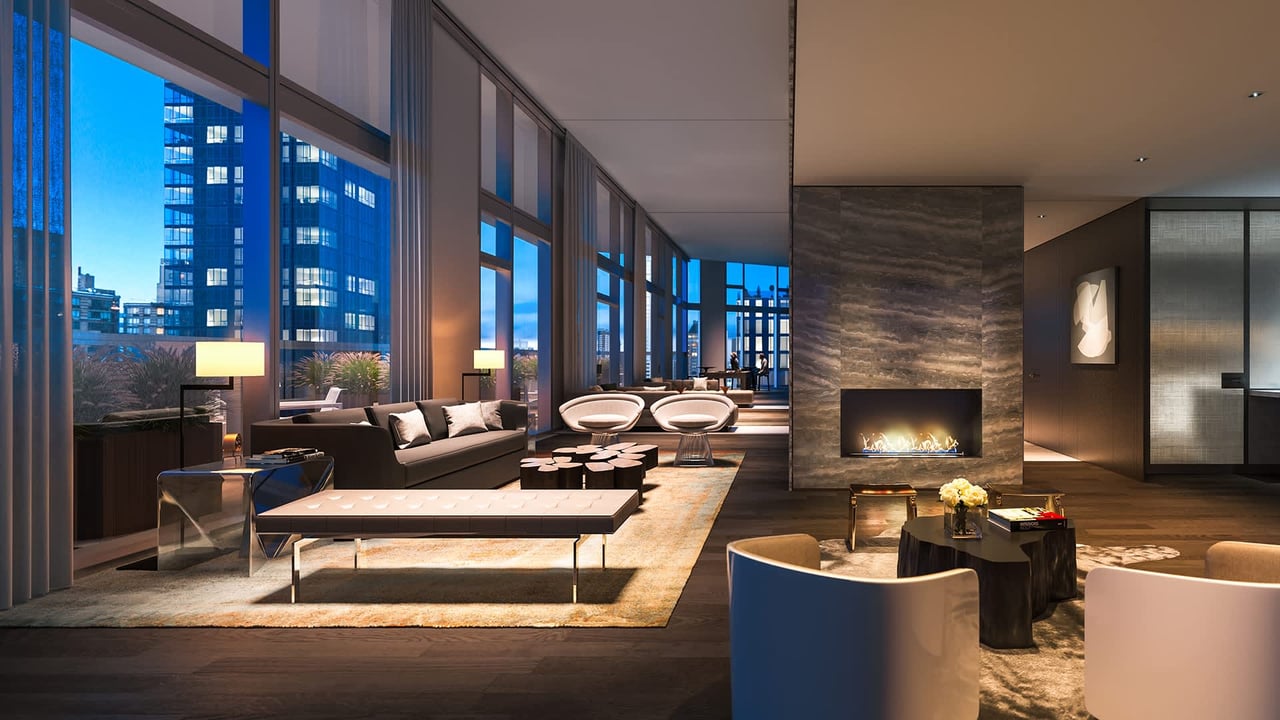
New developments are designed around this expectation. Many now function almost like vertical private clubs, offering residents access to coworking spaces, spas, dining rooms, screening lounges, golf simulators, and curated social programming.
However, while amenities matter, buyers are becoming more selective about quality over quantity. A well-designed wellness floor or exceptional service team often carries more value than an oversized amenities package that rarely gets used.
The strongest buildings today combine thoughtful design with operational excellence.
Why New Development Continues to Shape the Market
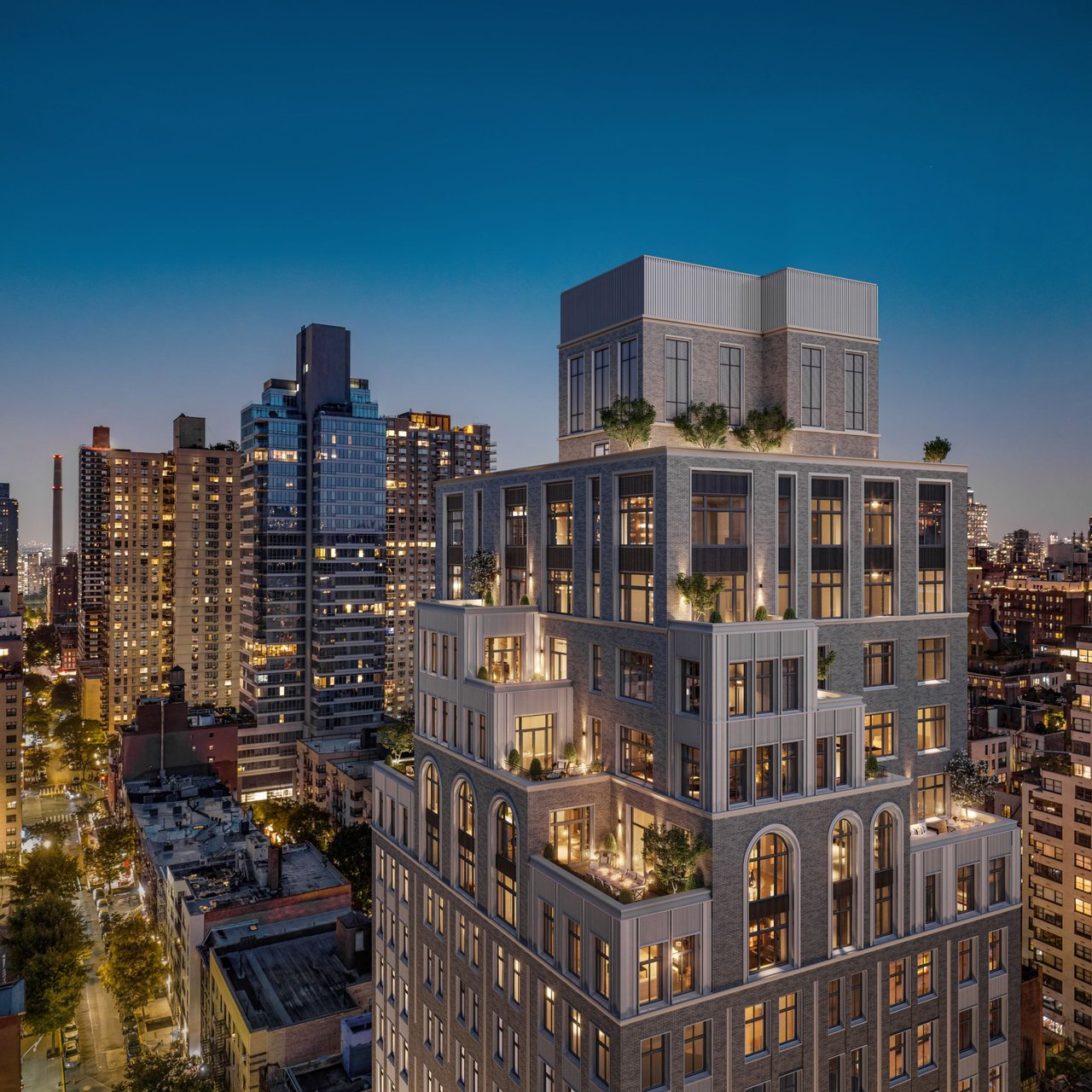
New development remains one of the most influential sectors of Manhattan real estate because it reflects how buyers want to live now rather than how they lived twenty years ago.
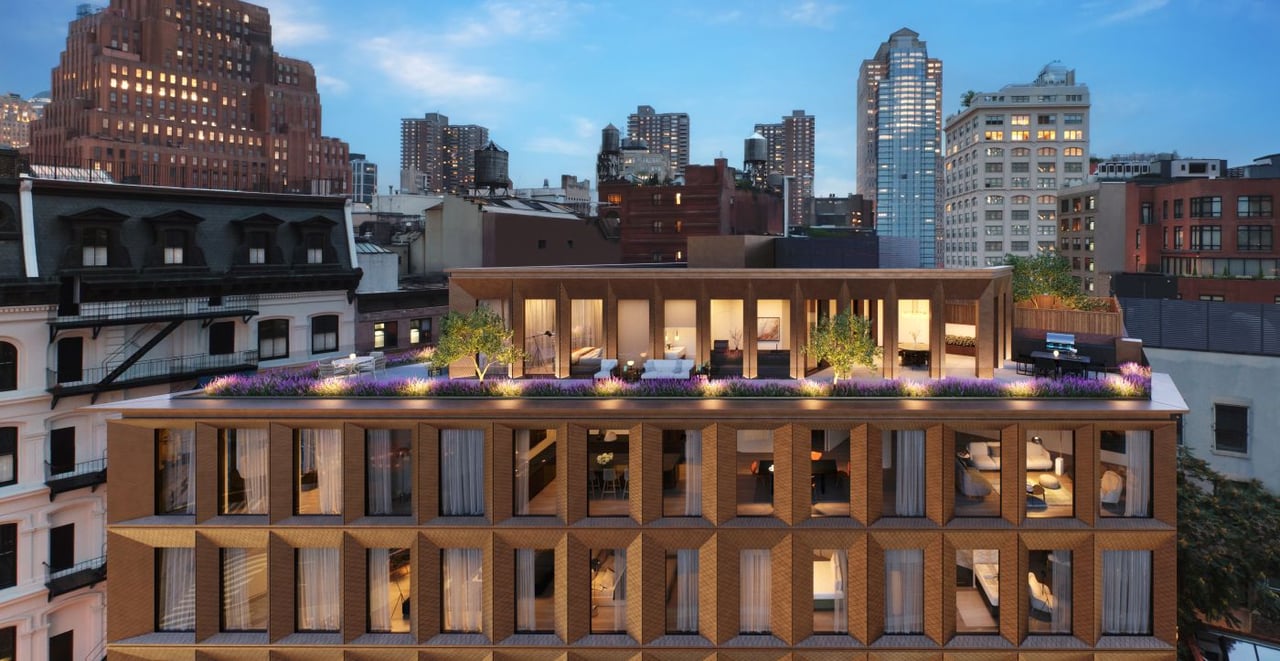
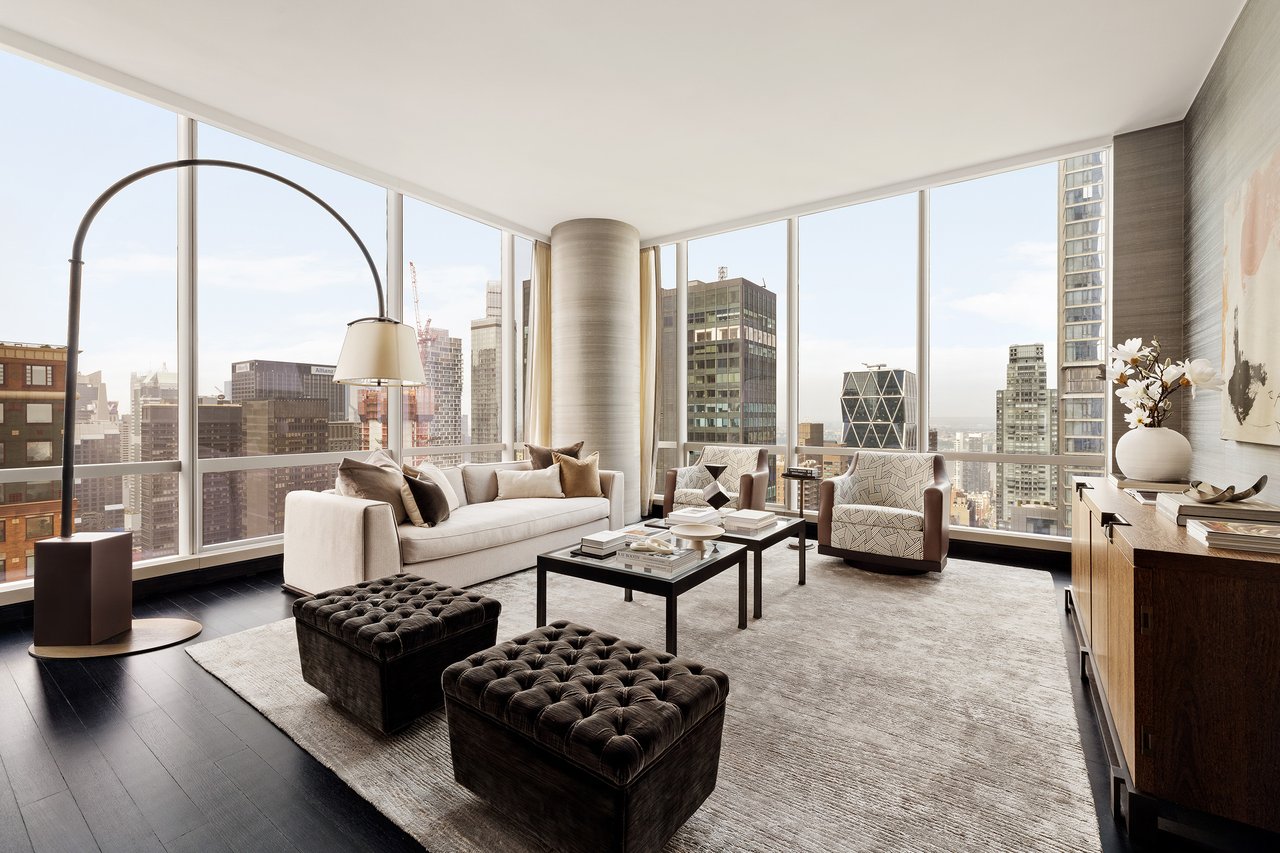
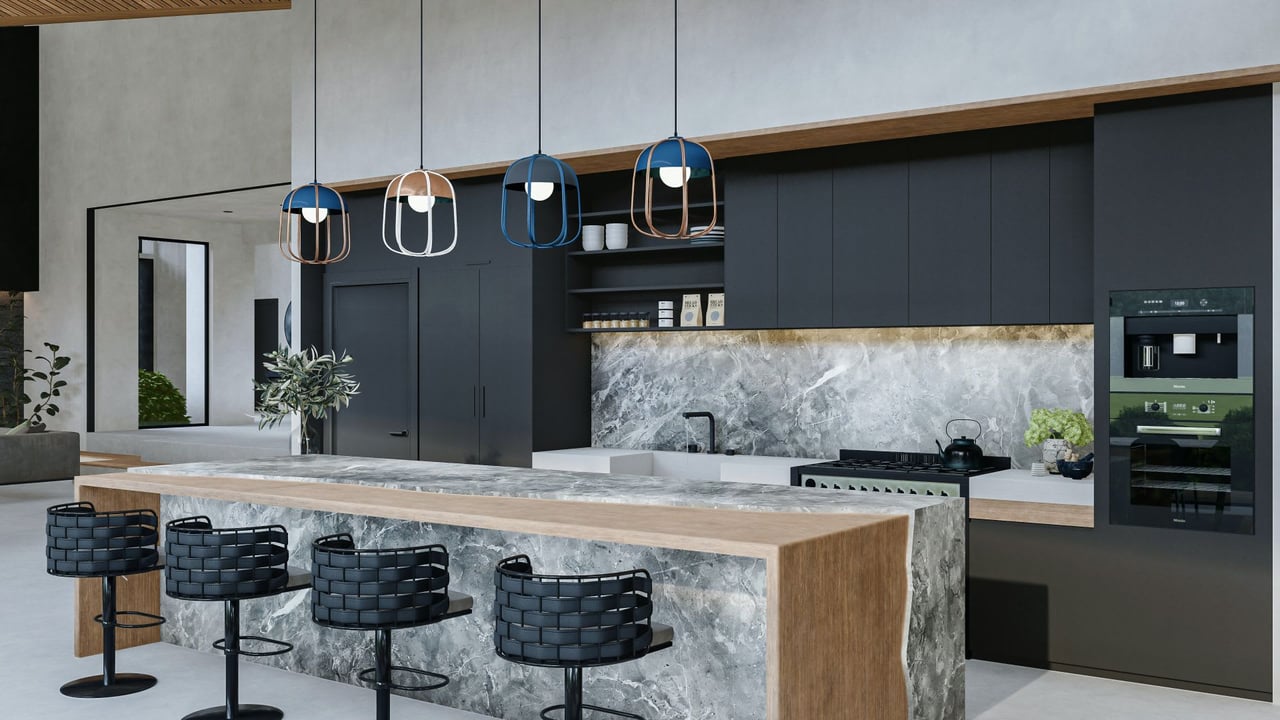
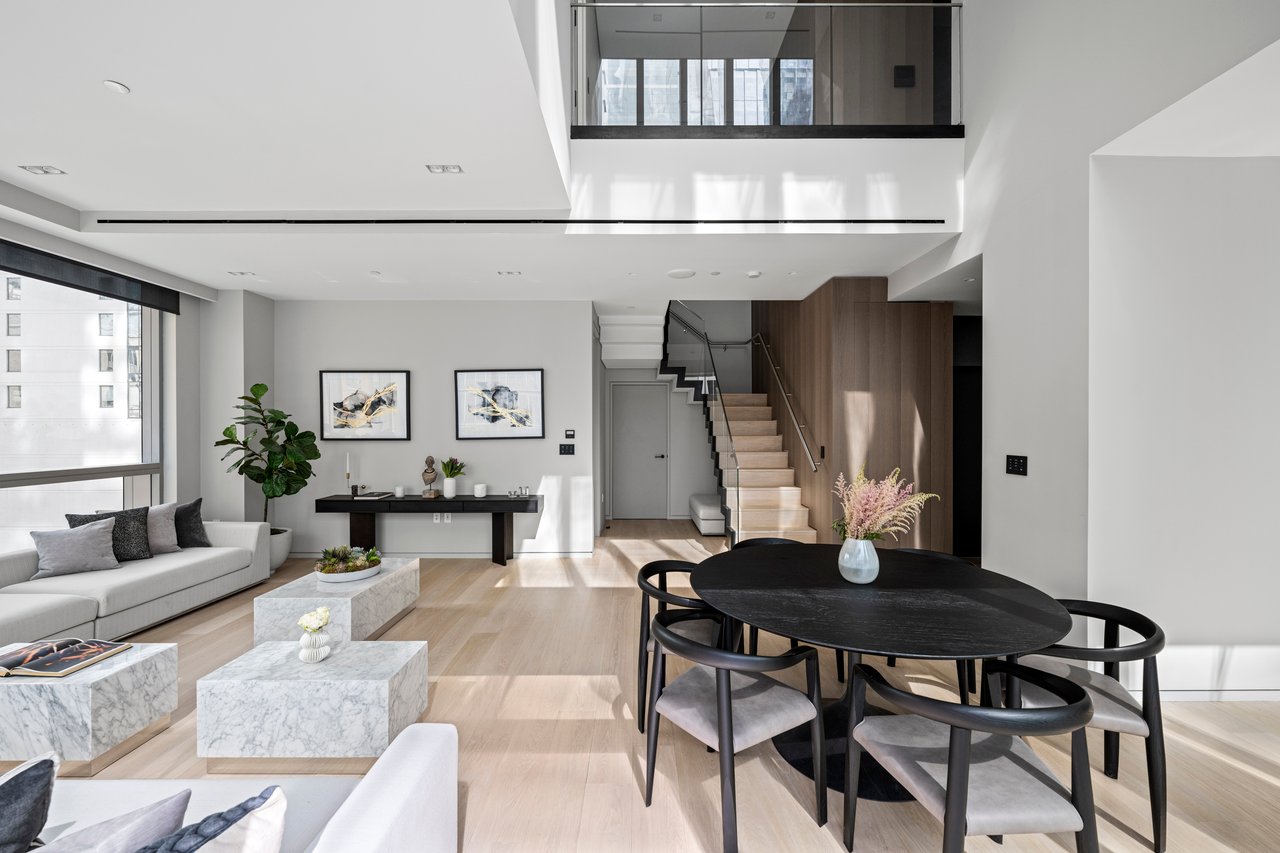
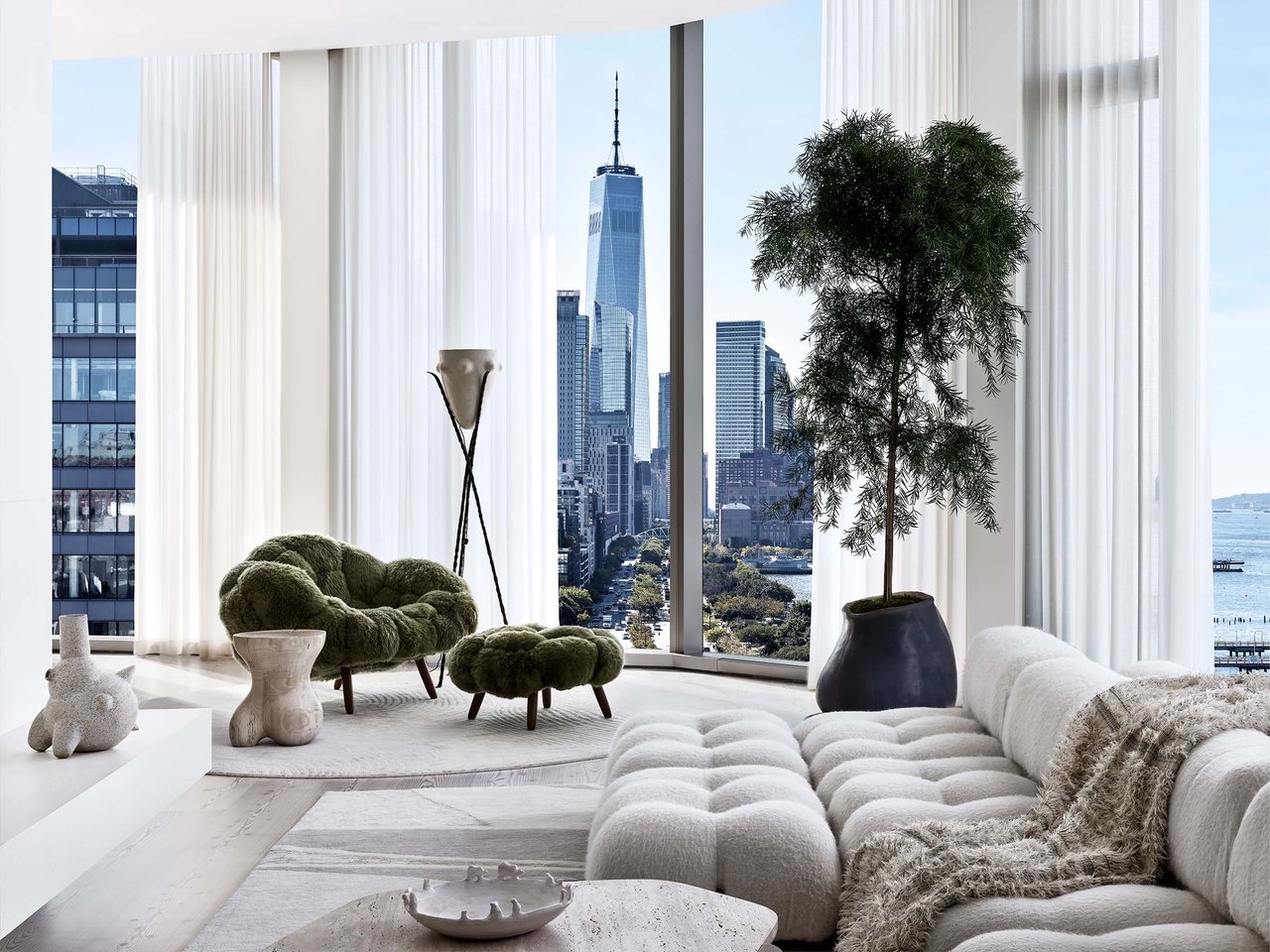
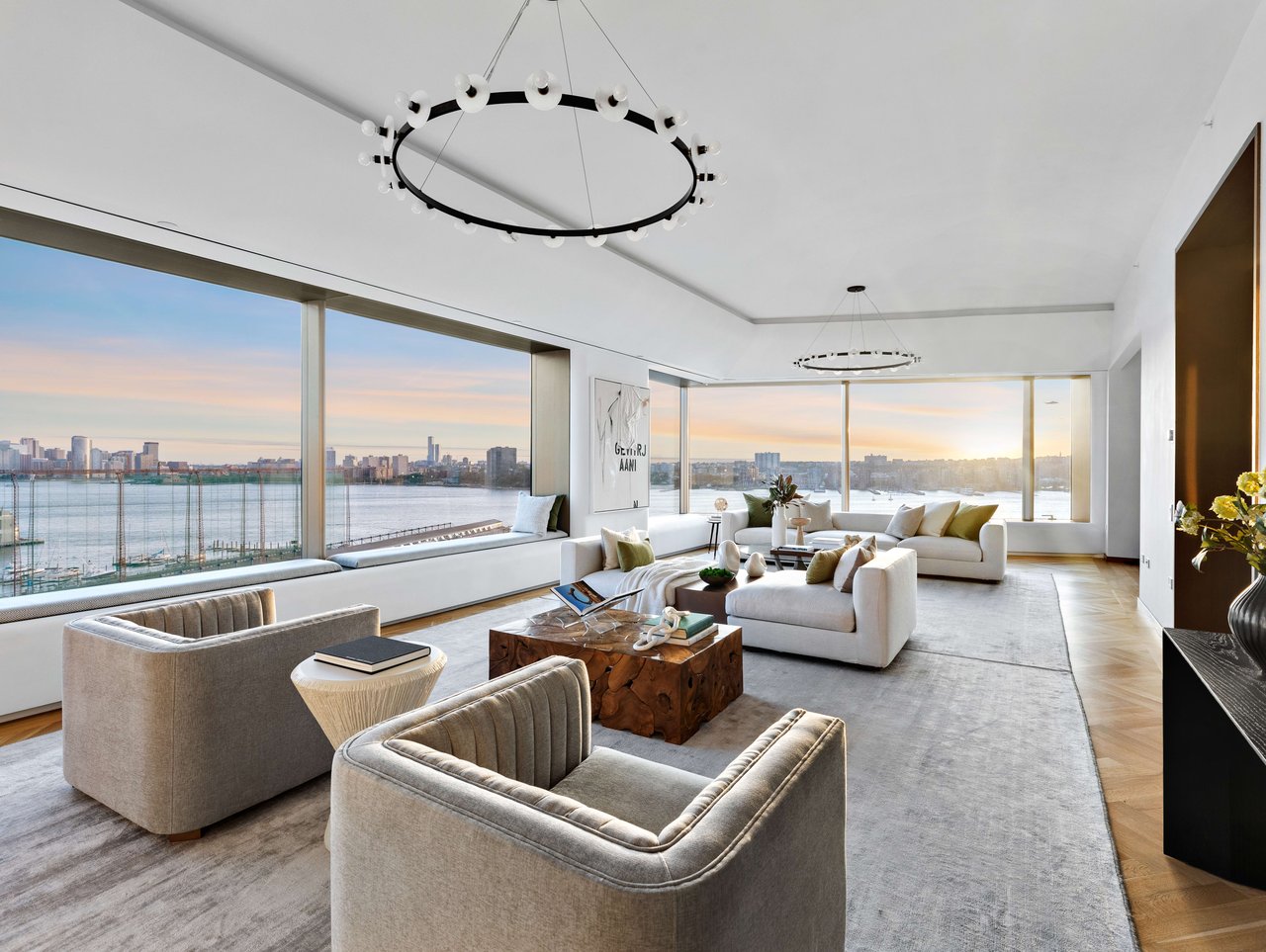
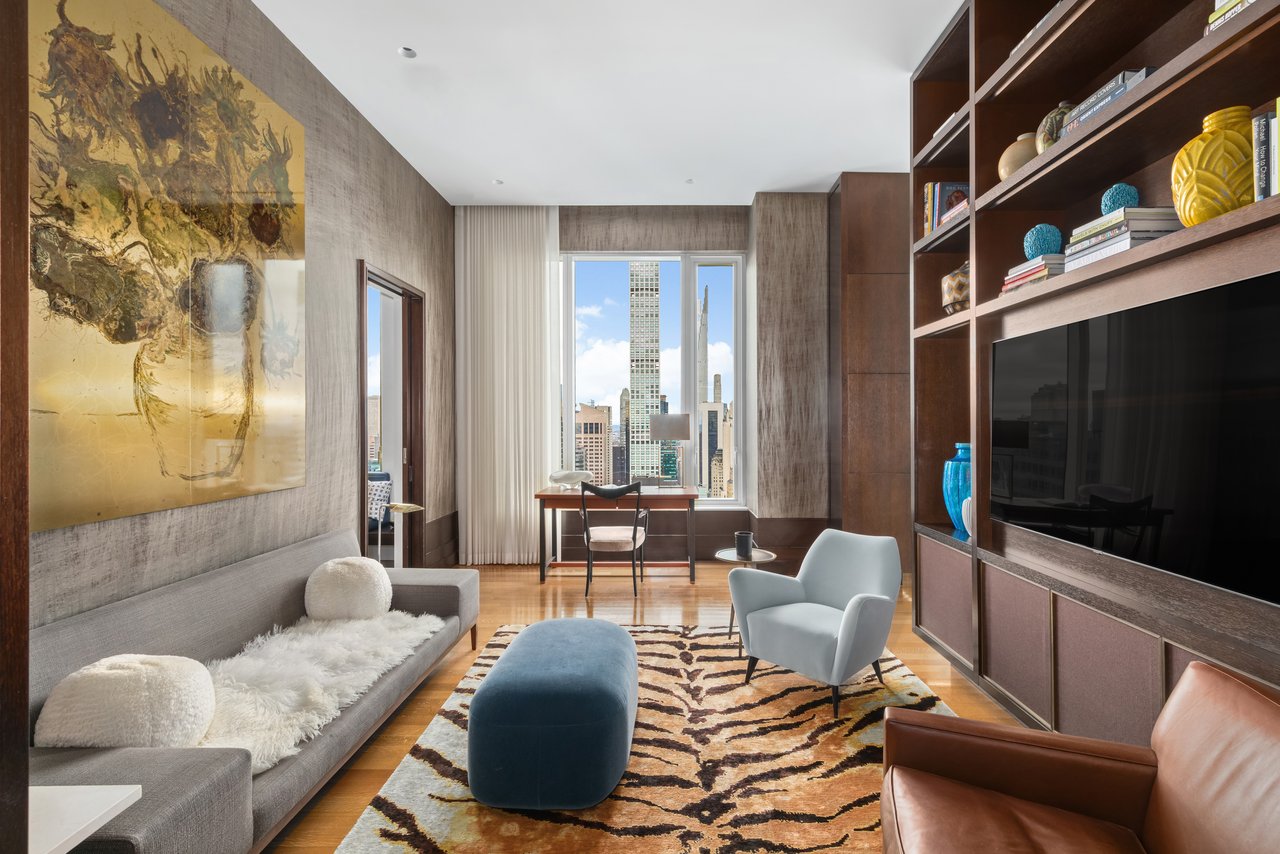
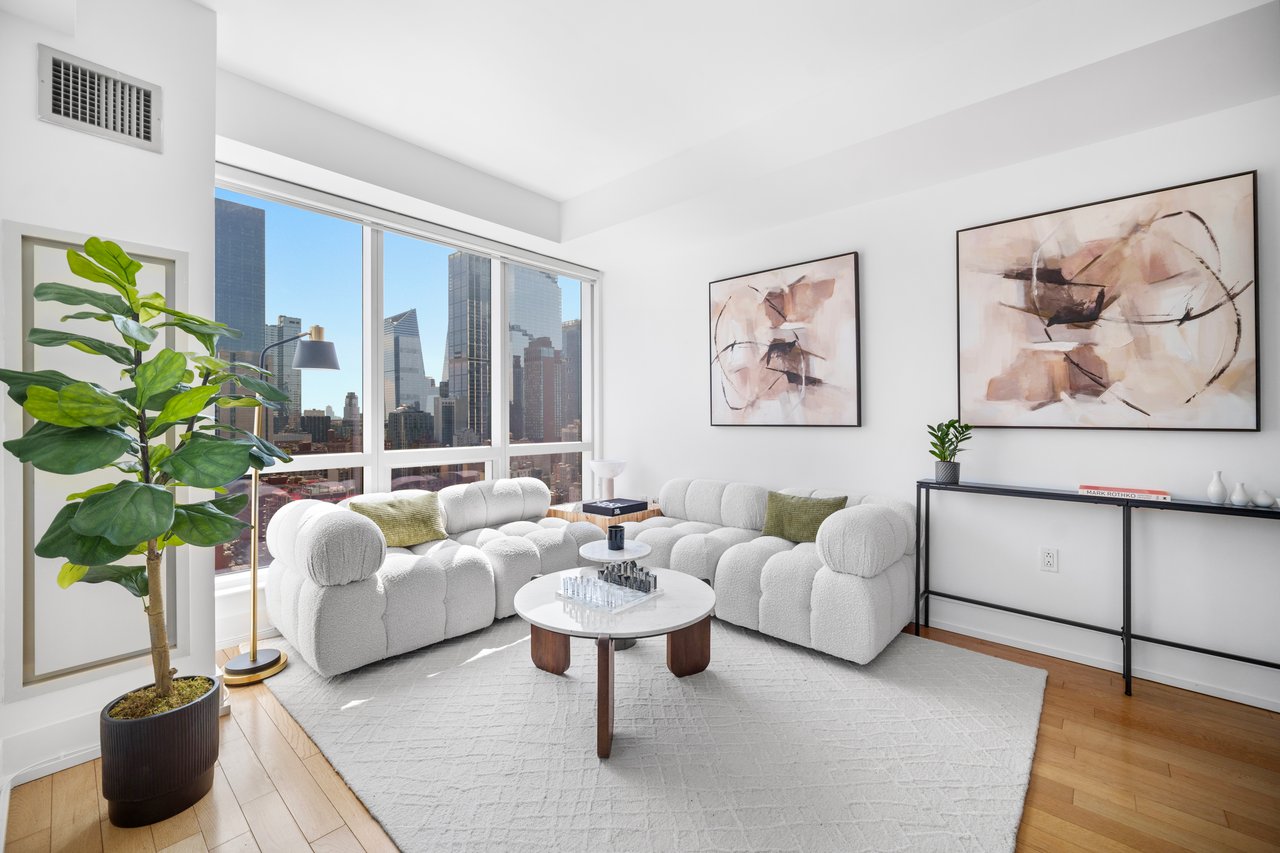
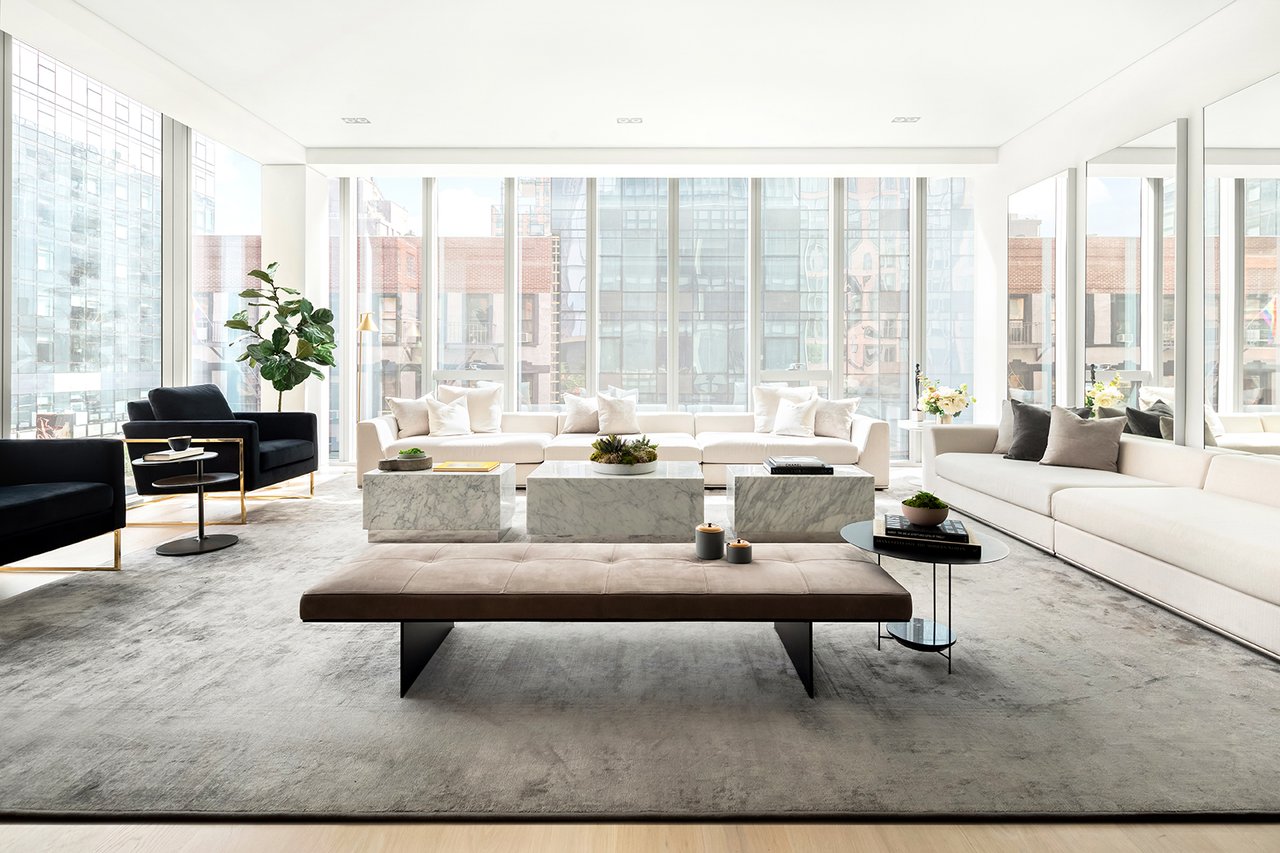
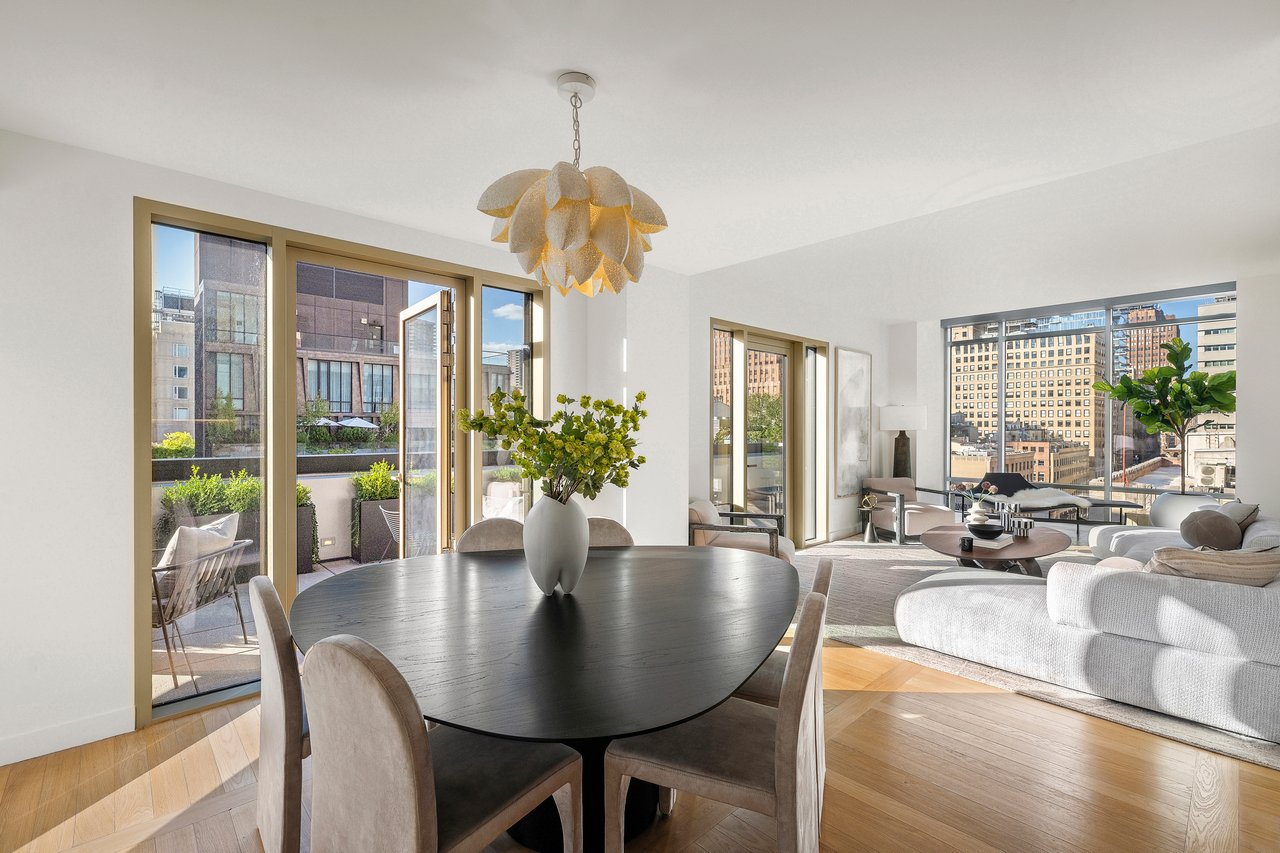
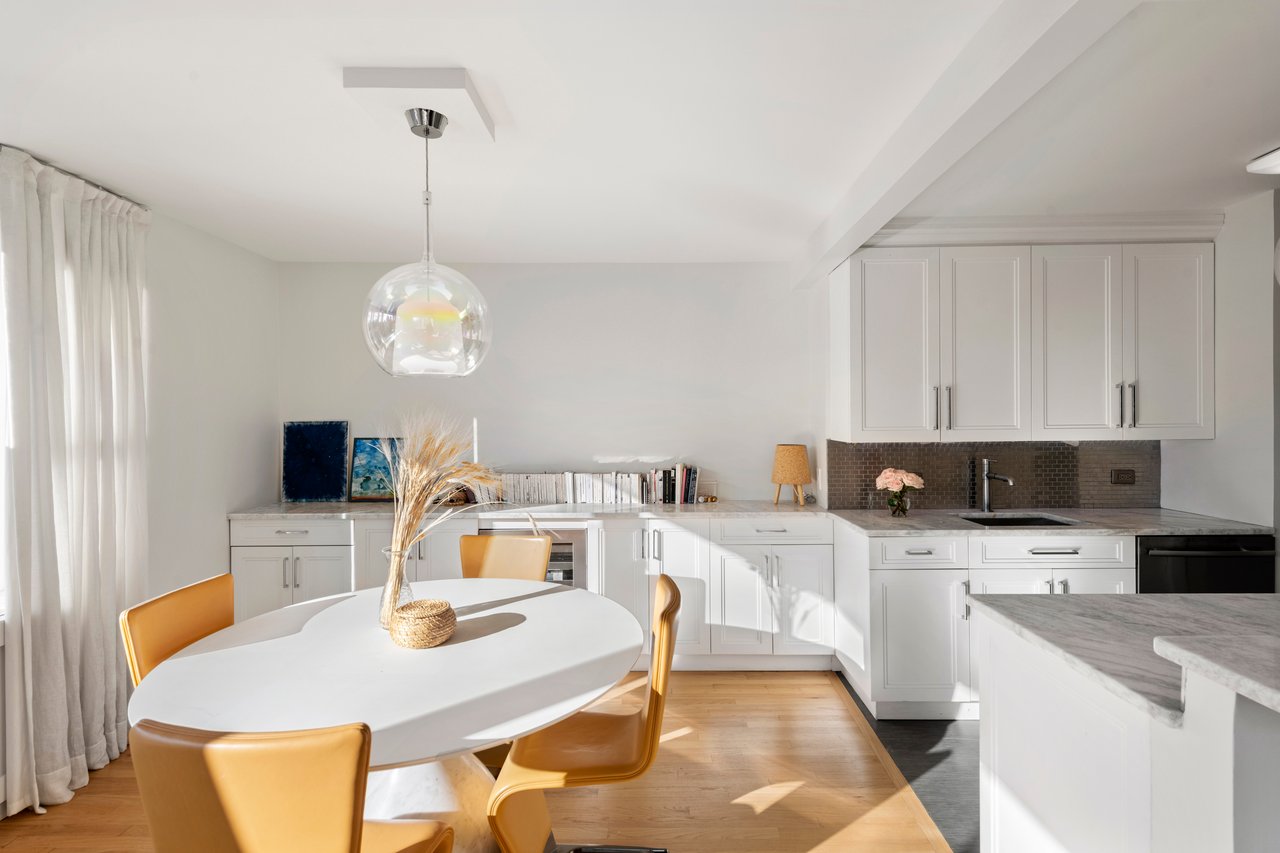
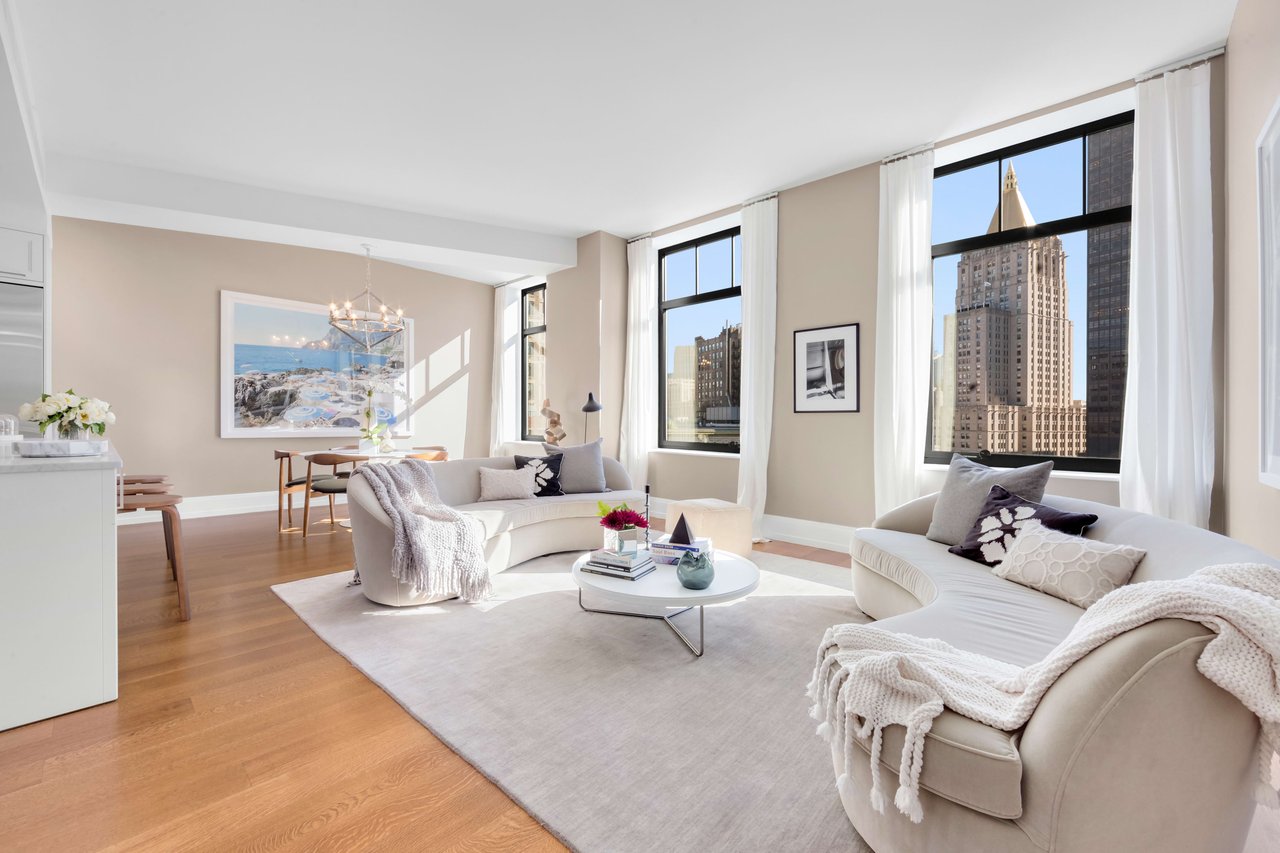
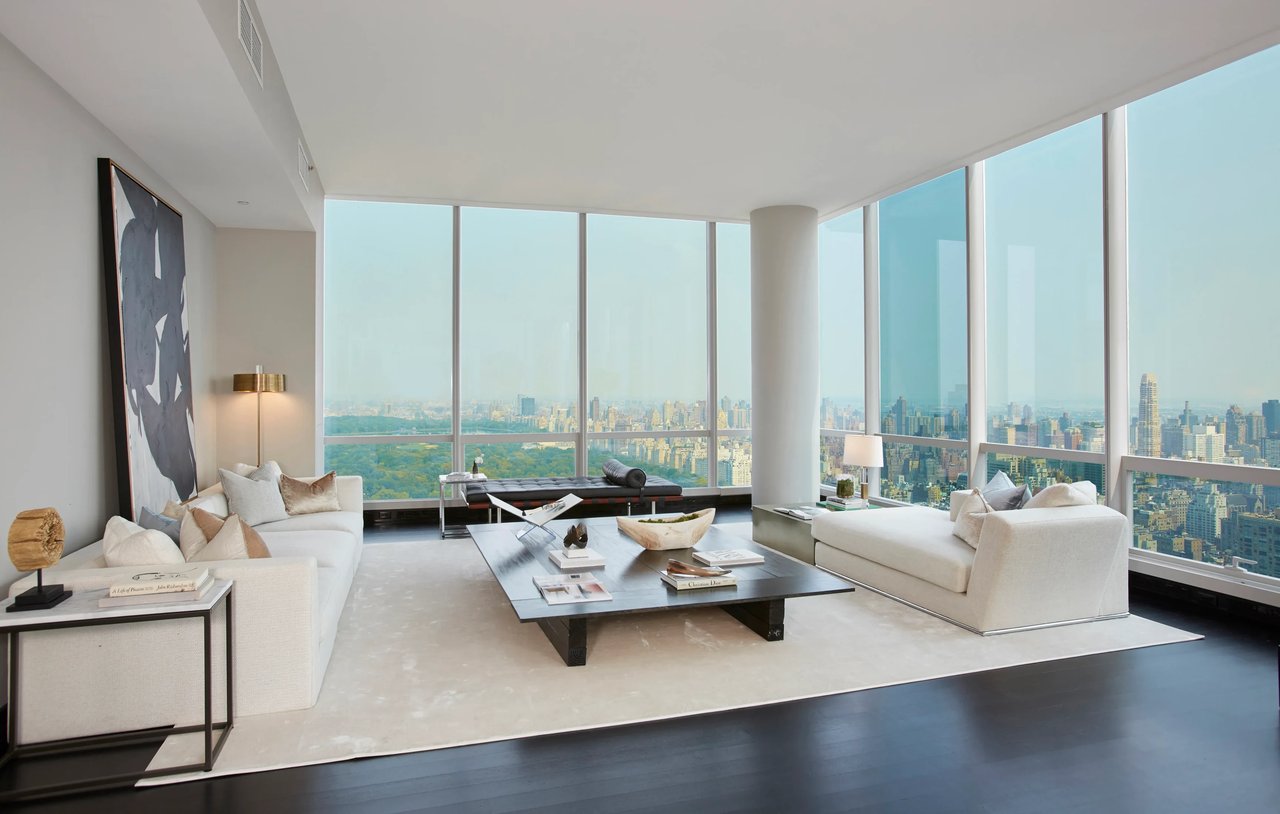
Modern layouts emphasize natural light, open kitchens, floor-to-ceiling windows, and flexible spaces that support hybrid lifestyles.
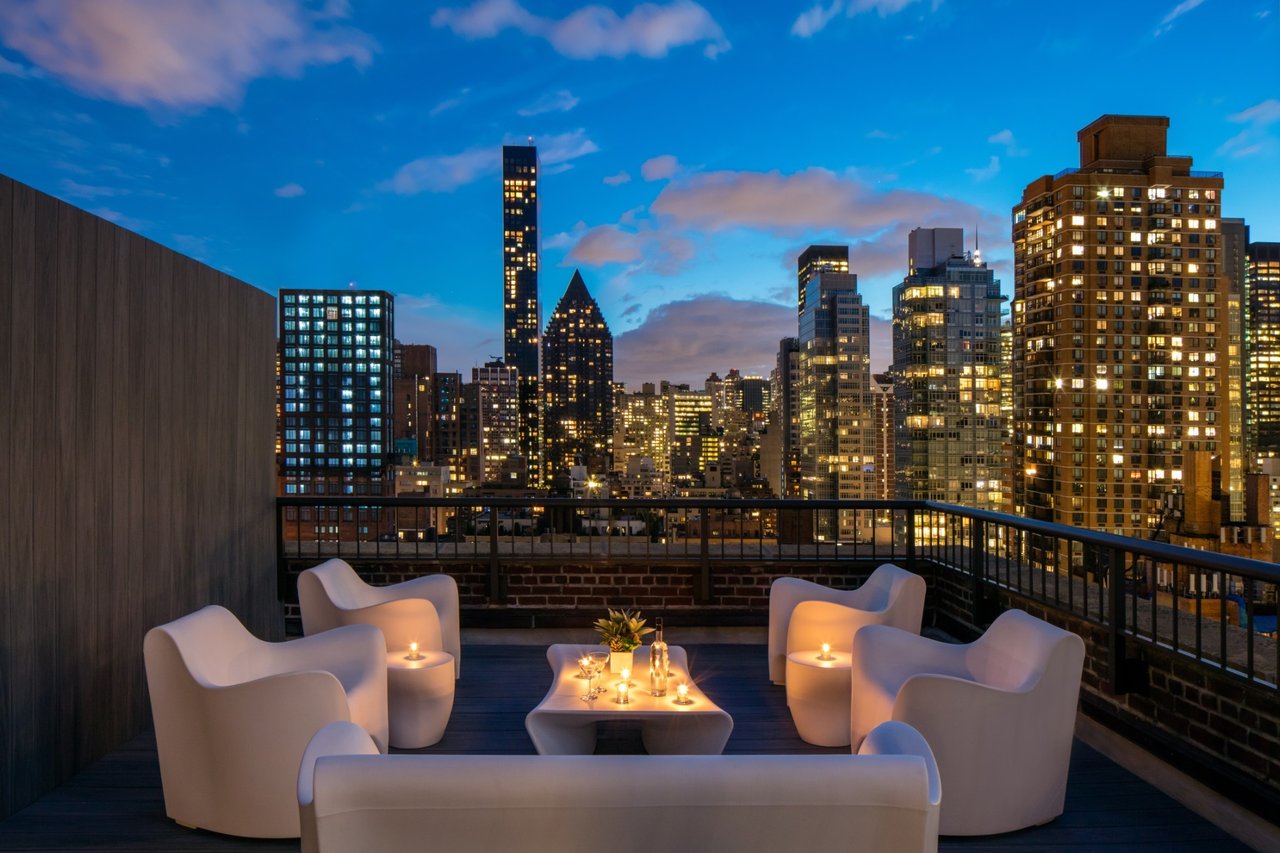
Developers are also paying closer attention to wellness, privacy, and material quality. Air filtration systems, private outdoor space, spa-inspired bathrooms, and sound insulation have become major selling points in the luxury market.
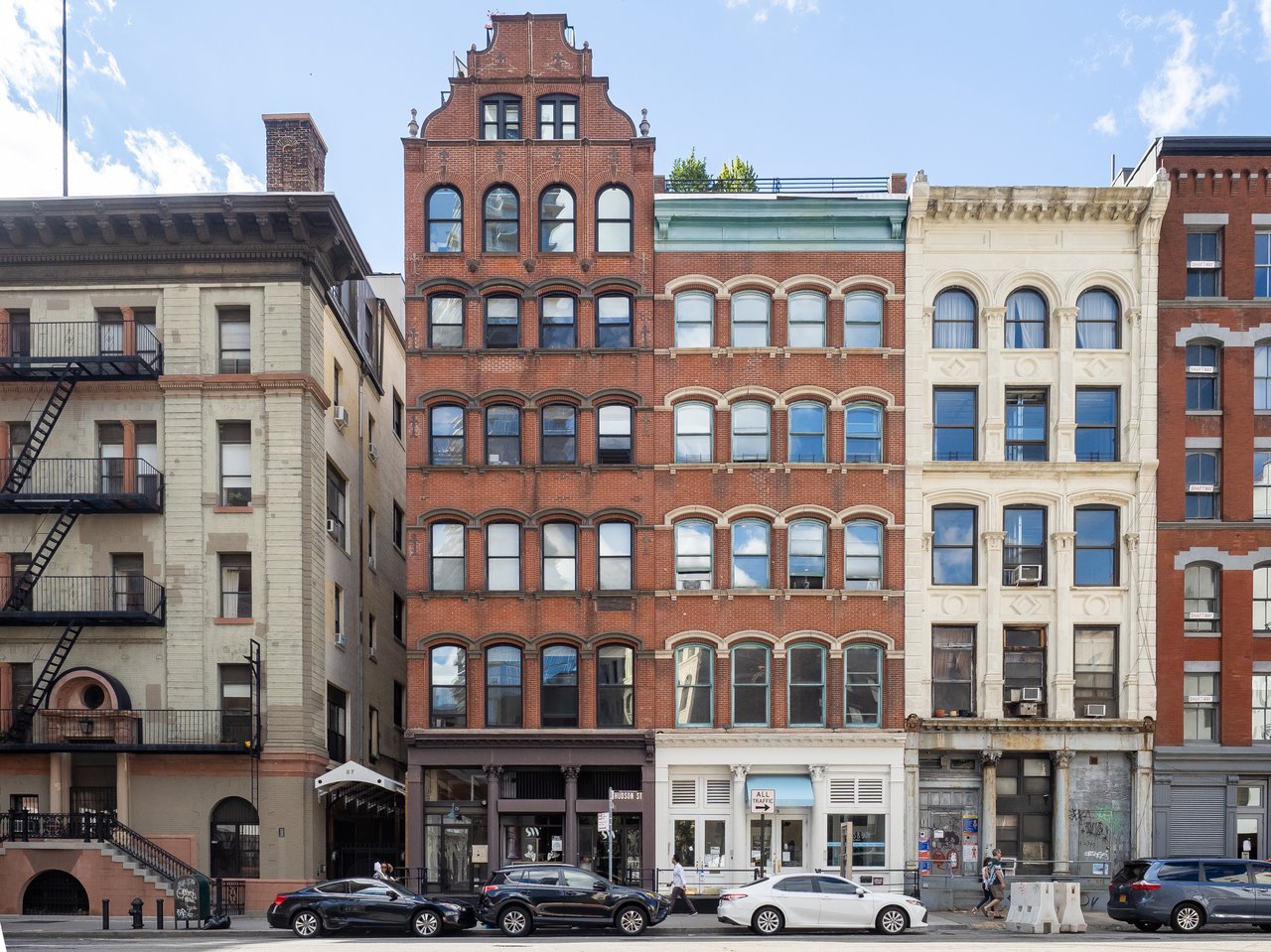
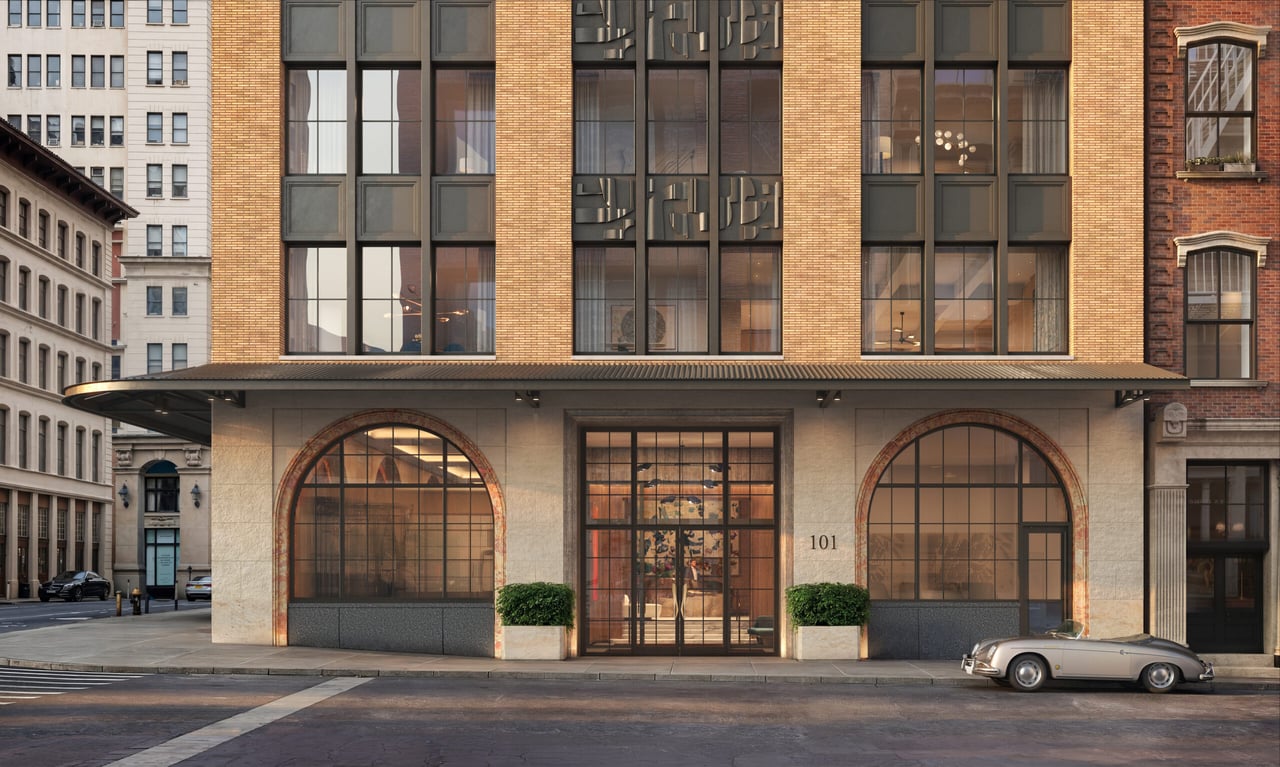
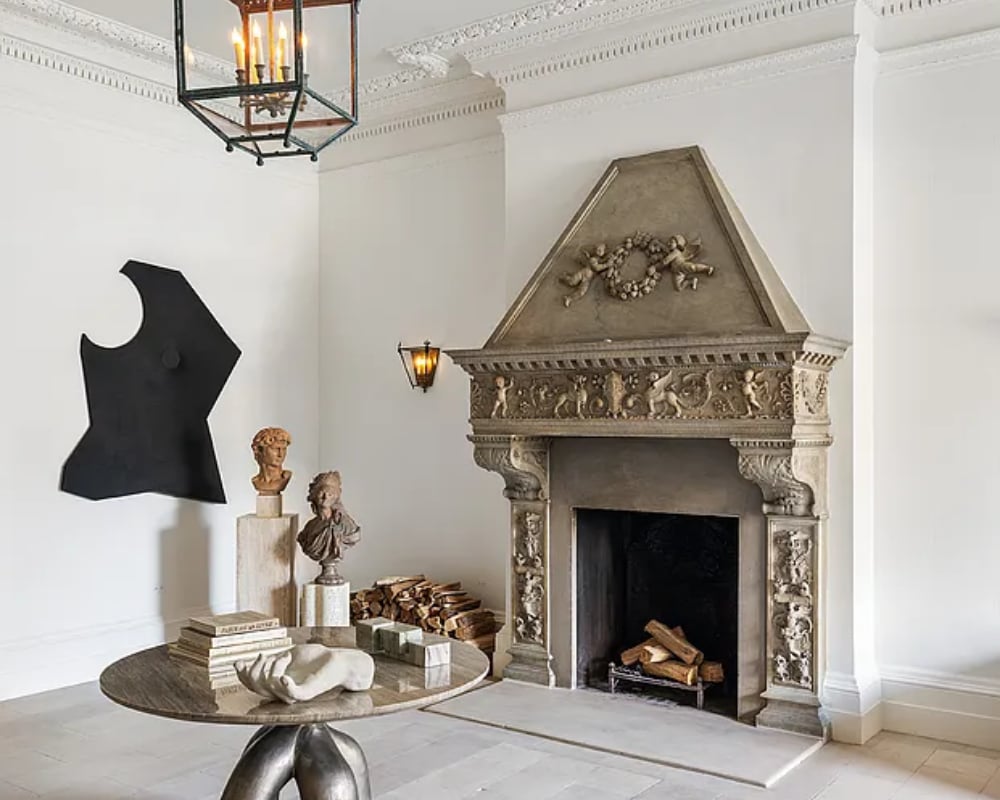
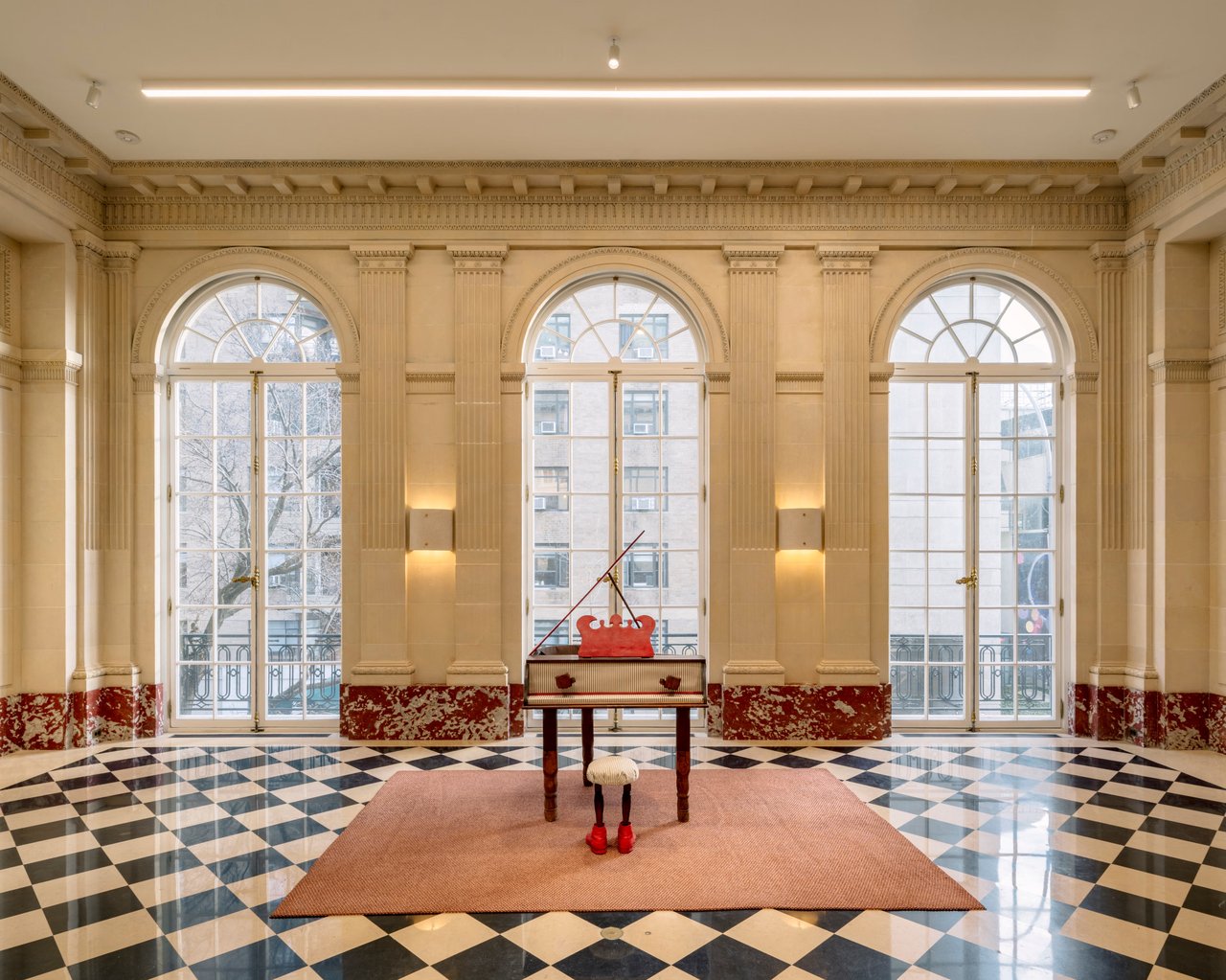
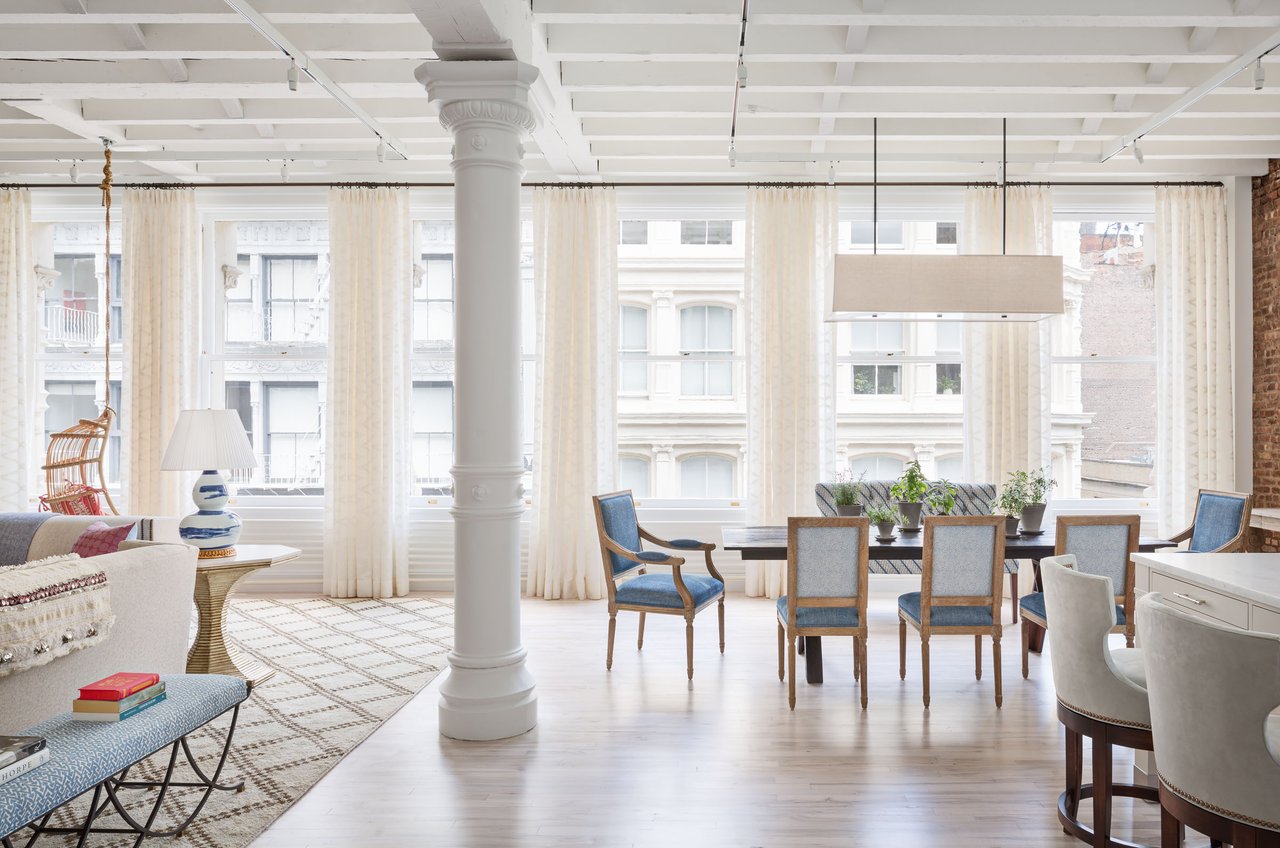
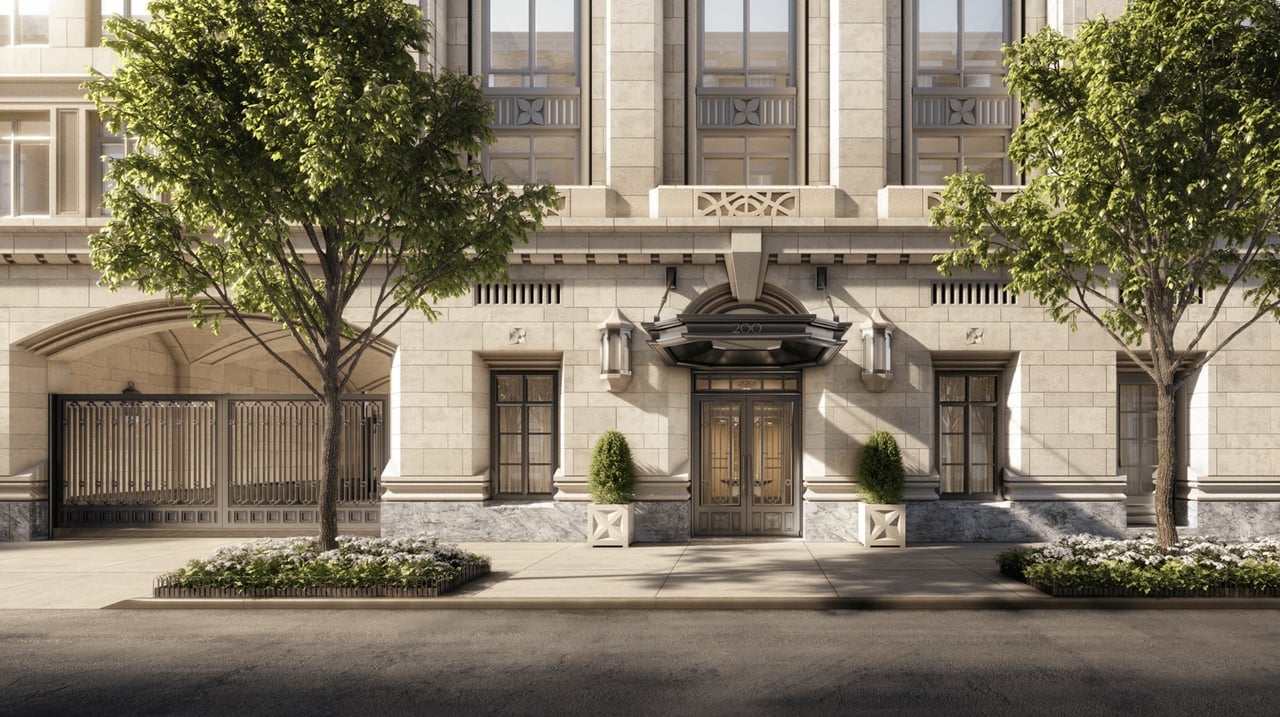
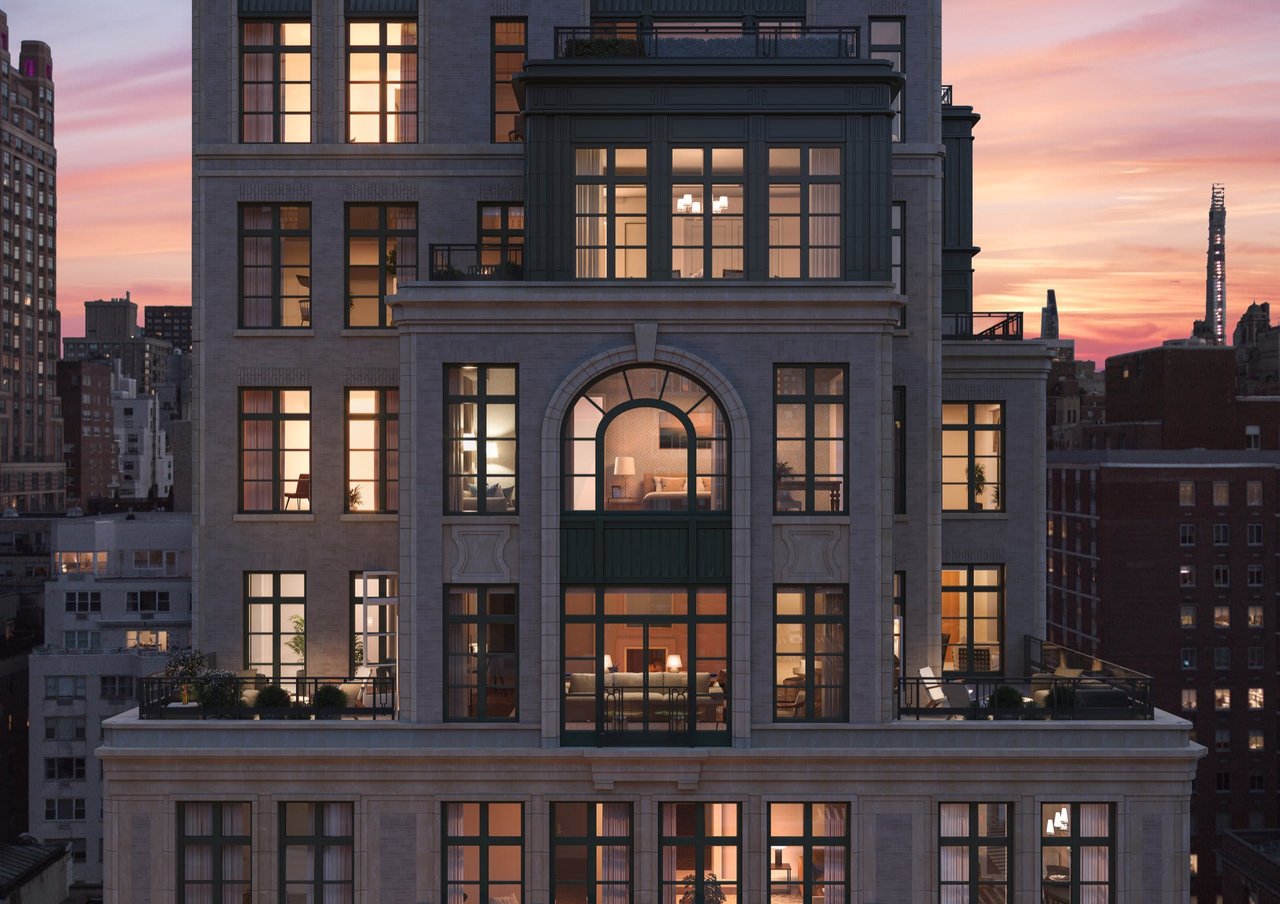
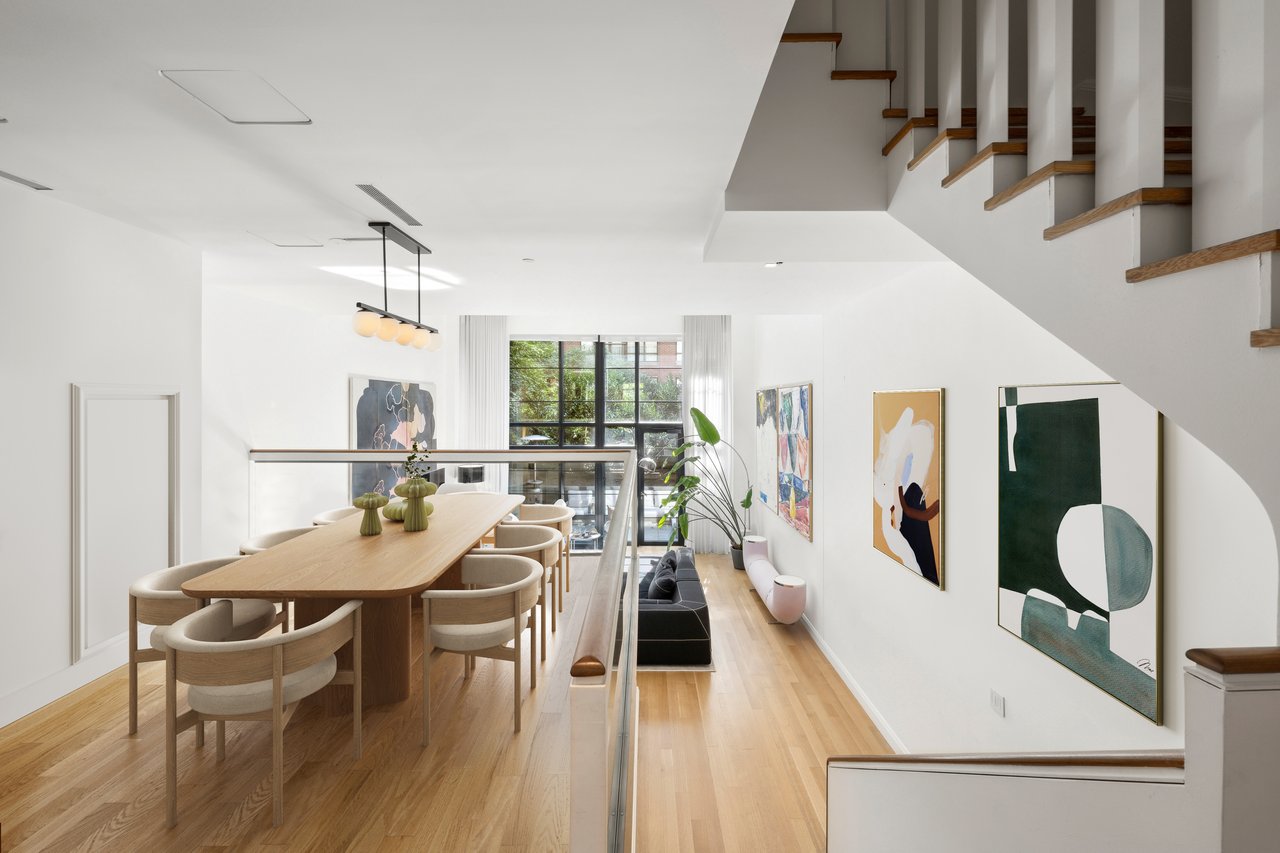
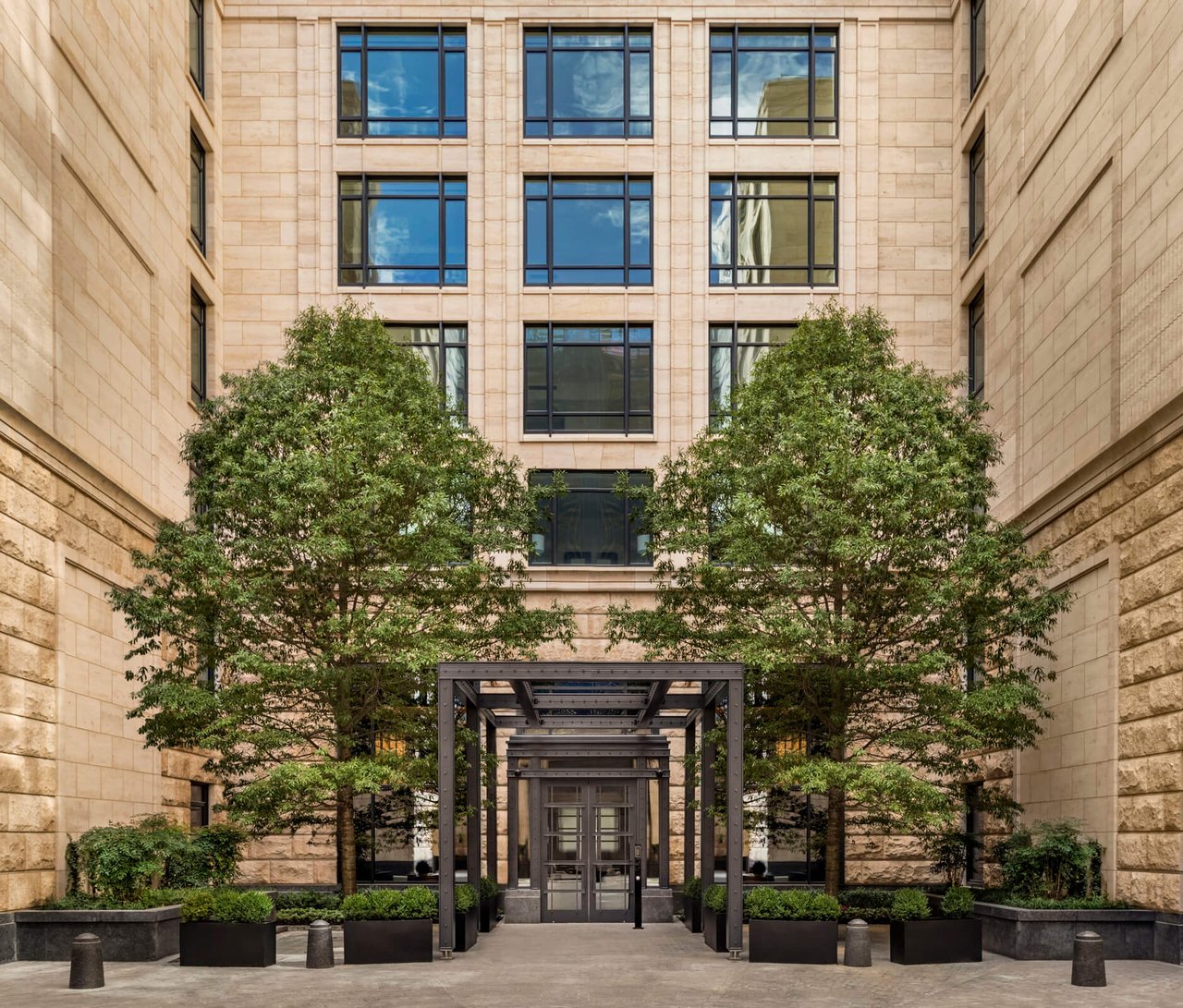
At the same time, buyers continue to value historic architecture and prewar character, particularly downtown. As a result, some of the most sought-after properties in Manhattan today are residences that successfully combine contemporary interiors with classic architectural frameworks.
That balance between old and new is part of what keeps Manhattan real estate visually and culturally distinctive.
International Buyers and Long-Term Confidence
Manhattan continues to attract international buyers because it is viewed not only as a place to live, but also as a long-term store of value.
Global buyers are often drawn to the city’s combination of economic influence, cultural relevance, educational institutions, and limited residential inventory in prime neighborhoods.
Even during periods of market fluctuation, Manhattan real estate has historically maintained a level of long-term desirability that few markets consistently achieve.
For many investors and second-home buyers, ownership in Manhattan represents both lifestyle access and global positioning.
What Buyers Are Looking for in 2026
Current demand trends show several clear priorities among Manhattan buyers:
- Move-in-ready residences
- High-quality finishes and materials
- Strong natural light
- Flexible layouts for hybrid work
- Wellness-oriented amenities
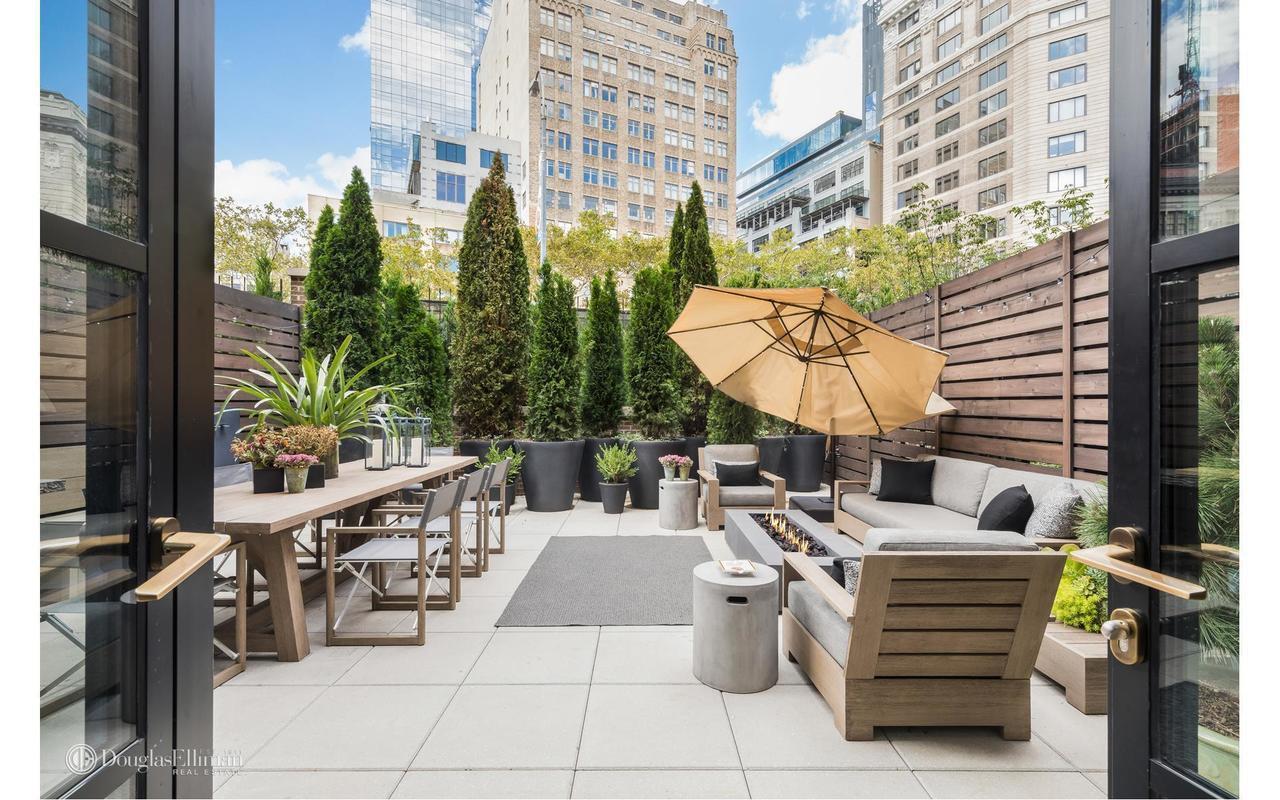
- Outdoor space or park proximity
- Walkable neighborhoods
- Privacy and security
- Boutique-style residential experiences
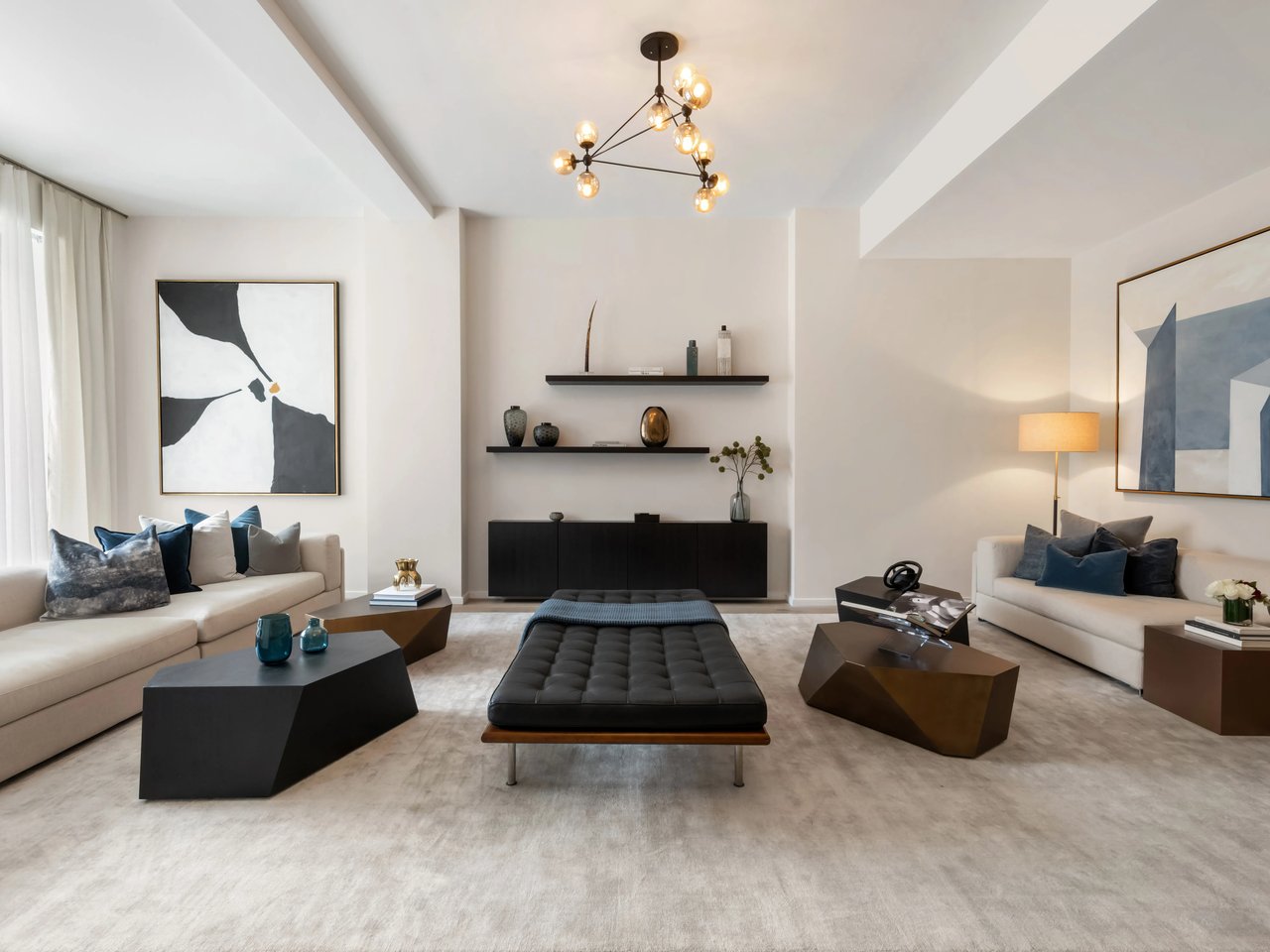
There is also growing appreciation for residences that feel timeless rather than trend-driven. Buyers increasingly favor understated luxury over overly branded or highly stylized interiors.
That shift has influenced both resale renovations and new development design across the city.
The Emotional Side of Manhattan Real Estate
What continues to separate Manhattan from many luxury markets is emotional connection.
People often move here for ambition, opportunity, creativity, or personal reinvention. Real estate becomes tied to identity in a way that feels unusually personal.
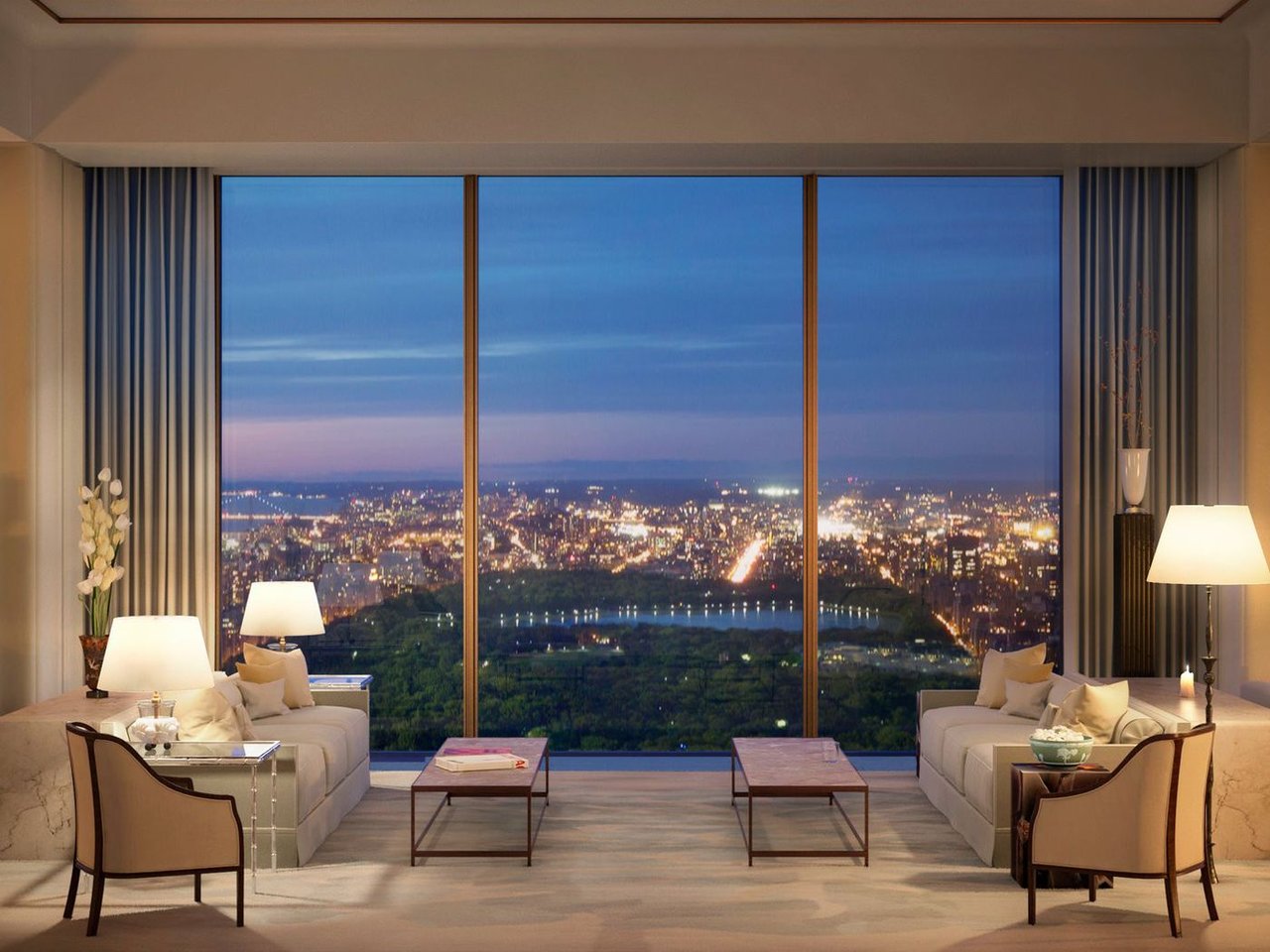
A downtown loft, a Fifth Avenue apartment overlooking the park, or a high-floor condominium above the skyline all represent very different versions of New York living.
That emotional component affects demand more than statistics alone can explain.
For many buyers, Manhattan is not simply a market cycle. It is a lifestyle they have imagined long before purchasing property here.
Looking Ahead
As Manhattan continues evolving, the market is likely to become even more experience-driven.
Buyers are prioritizing convenience, design quality, wellness, and neighborhood identity over excess. Buildings that successfully combine service, architecture, location, and lifestyle integration will likely continue outperforming the broader market.
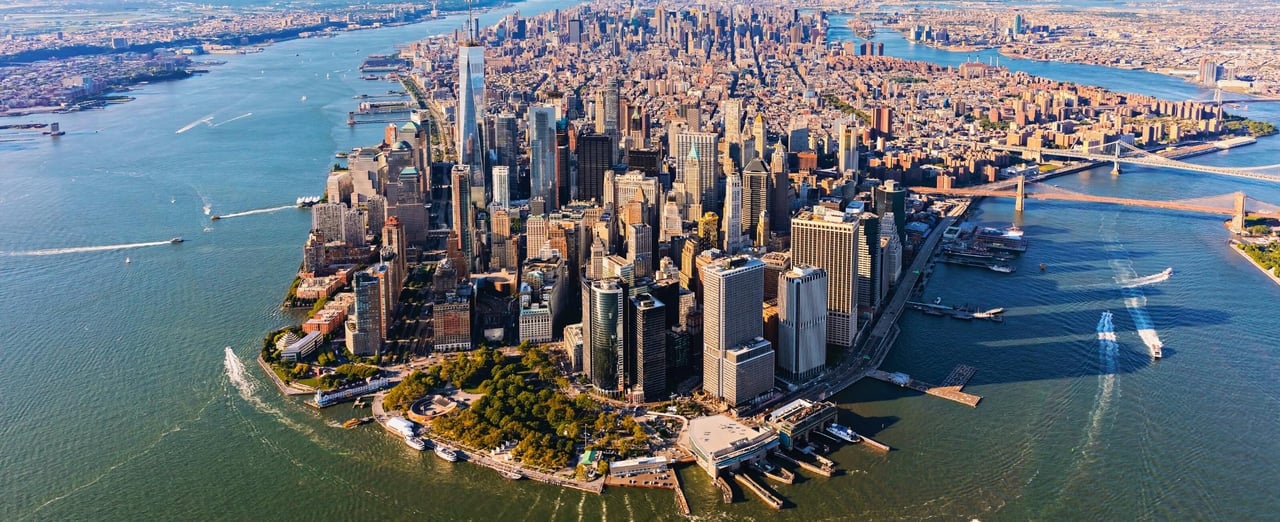
At the same time, Manhattan’s limited land supply and globally recognized neighborhoods continue supporting long-term demand.
The result is a market that constantly reinvents itself while still maintaining the core characteristics that made it iconic in the first place.
FAQs
- Why is Manhattan real estate considered globally important? Manhattan is viewed as one of the world’s leading luxury real estate markets because of its economic influence, cultural significance, limited inventory, and internationally recognized neighborhoods.
- What neighborhoods are most popular with luxury buyers? Tribeca, SoHo, the West Village, the Upper East Side, Hudson Yards, and Billionaires’ Row remain among the most sought-after areas depending on buyer lifestyle preferences.
- What amenities matter most to Manhattan buyers today? Buyers increasingly prioritize concierge services, wellness facilities, privacy, flexible layouts, outdoor space, and high-quality building management.
- Are buyers still interested in historic properties? Yes. Many buyers continue seeking prewar architecture, loft conversions, and residences with historic character, especially when paired with modern interiors and updated amenities.
- What makes Manhattan different from other luxury markets? Manhattan combines walkability, cultural density, architecture, career opportunities, and lifestyle convenience in a way that few global cities fully replicate.