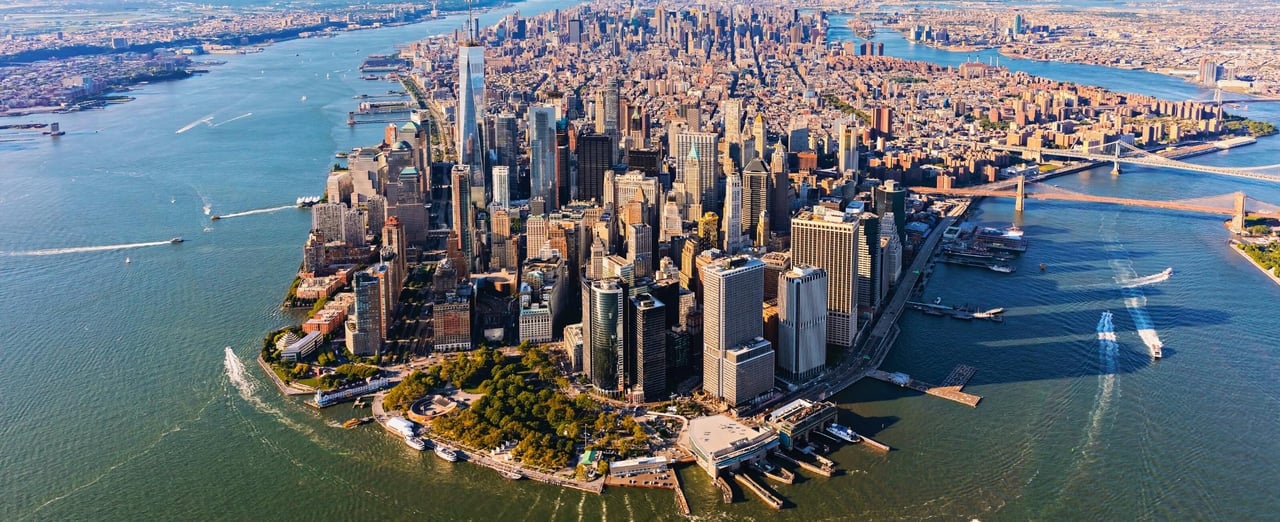
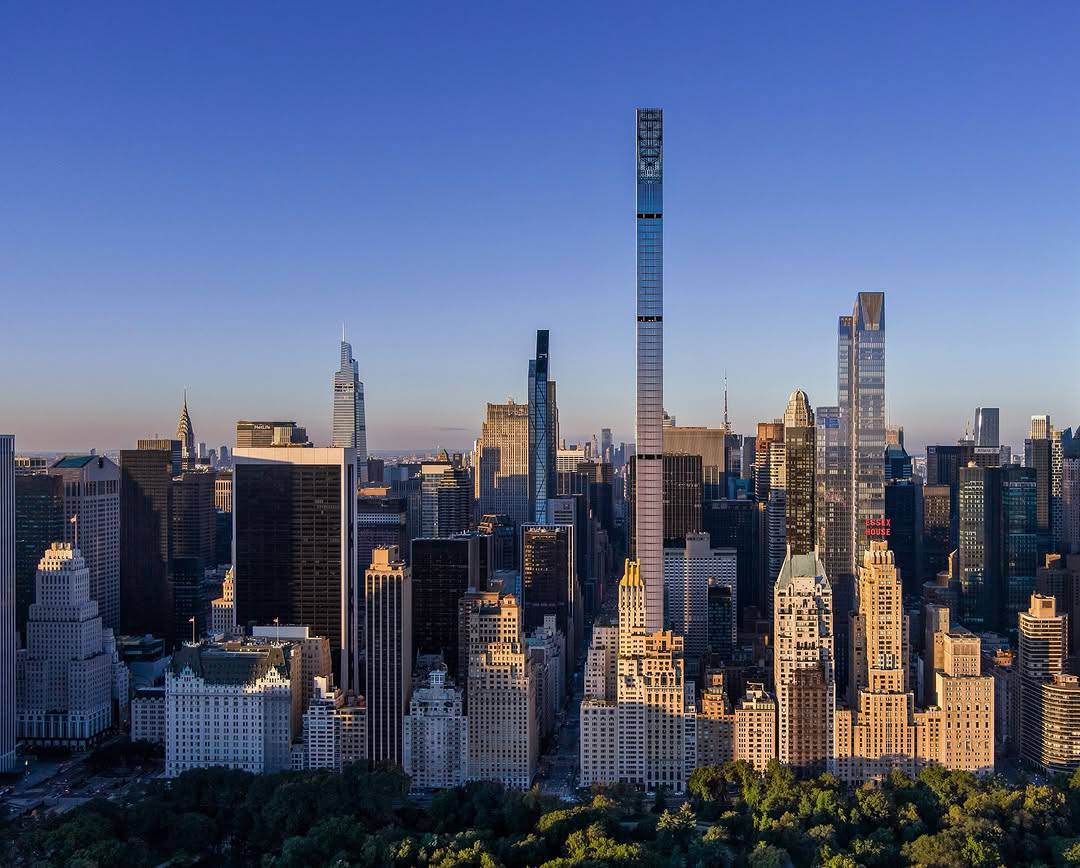
Ten office buildings across the Financial District, Tribeca, NoHo, Midtown, and Hell's Kitchen are currently being converted into apartments, adding roughly 2,900 new residential units to Manhattan. Most of the volume is rental housing tied to the city's 467-m tax incentive, but several projects — including a Tribeca vertical expansion and a Landmarks-approved NoHo building — are delivering new condominiums instead. Here's where each project stands as of mid-2026.
Why Are So Many Manhattan Office Buildings Converting to Housing Right Now?
Underutilized office space and a citywide push for more housing have lined up at the same moment. A major driver is the state's 467-m tax incentive program, which grants developers a 35-year property tax exemption in exchange for setting aside 25% of the building's units for renters earning around 80% of the area median income. Several of the largest projects in this current wave — including a 38-story Financial District tower and a Midtown East expansion — are structured around this incentive, which makes converting a half-empty office tower into a rental building financially viable in a way it often wasn't a few years ago. The result is a wave of conversions concentrated in exactly the submarkets that saw the steepest office vacancy after the pandemic: the Financial District and Midtown East in particular.
Financial District: The Largest Conversions by Unit Count
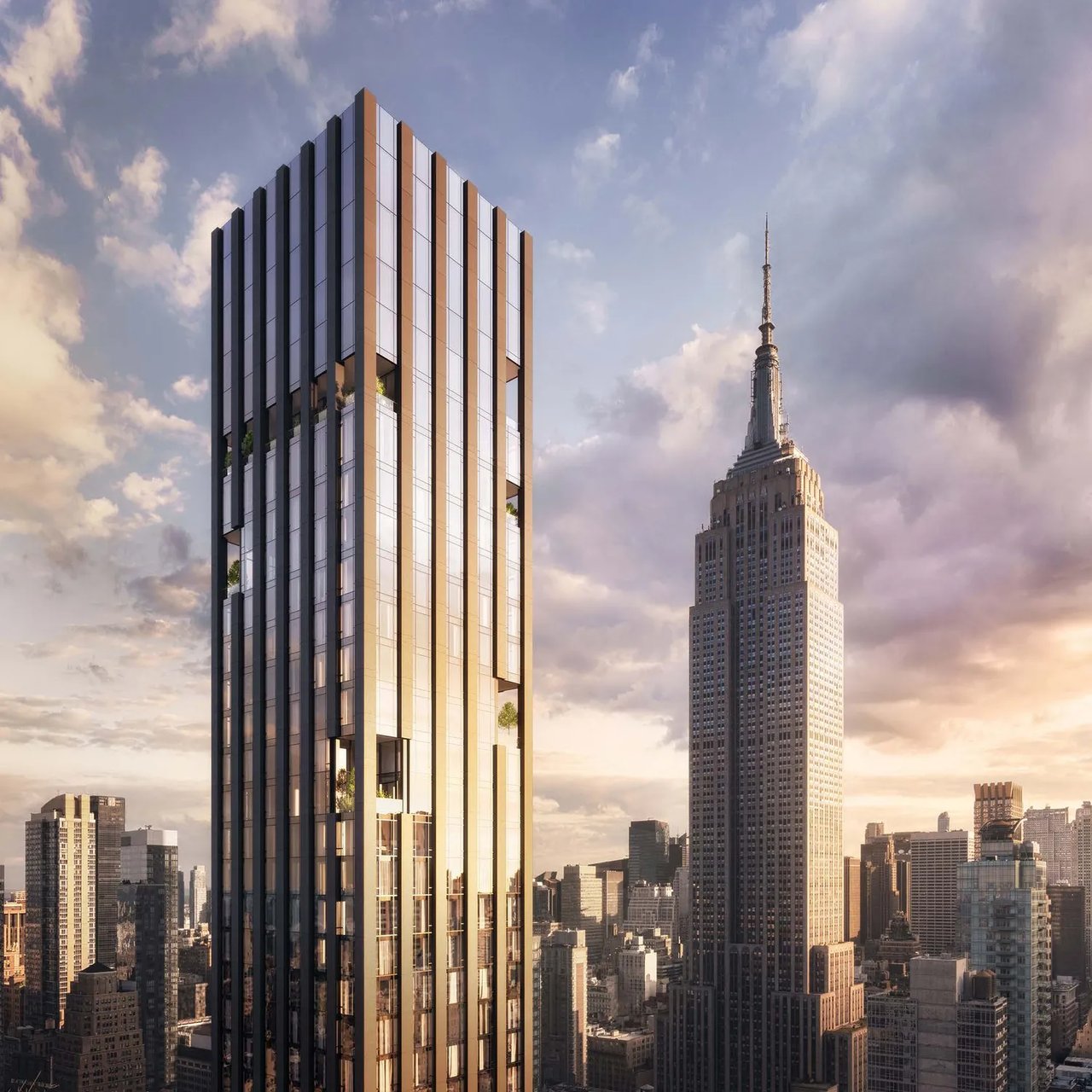
Two of the biggest projects in this cycle are rising downtown. At 77 Water Street, developer Vanbarton Group and architect CetraRuddy are adding seven floors to the existing 26-story tower, expanding it to 610,400 square feet and 647 rental units, a quarter of which will be income-restricted. Construction involves significant façade alterations, including large open-air cutouts and a new steel-framed addition rising above the original roofline; completion is targeted for spring 2027.
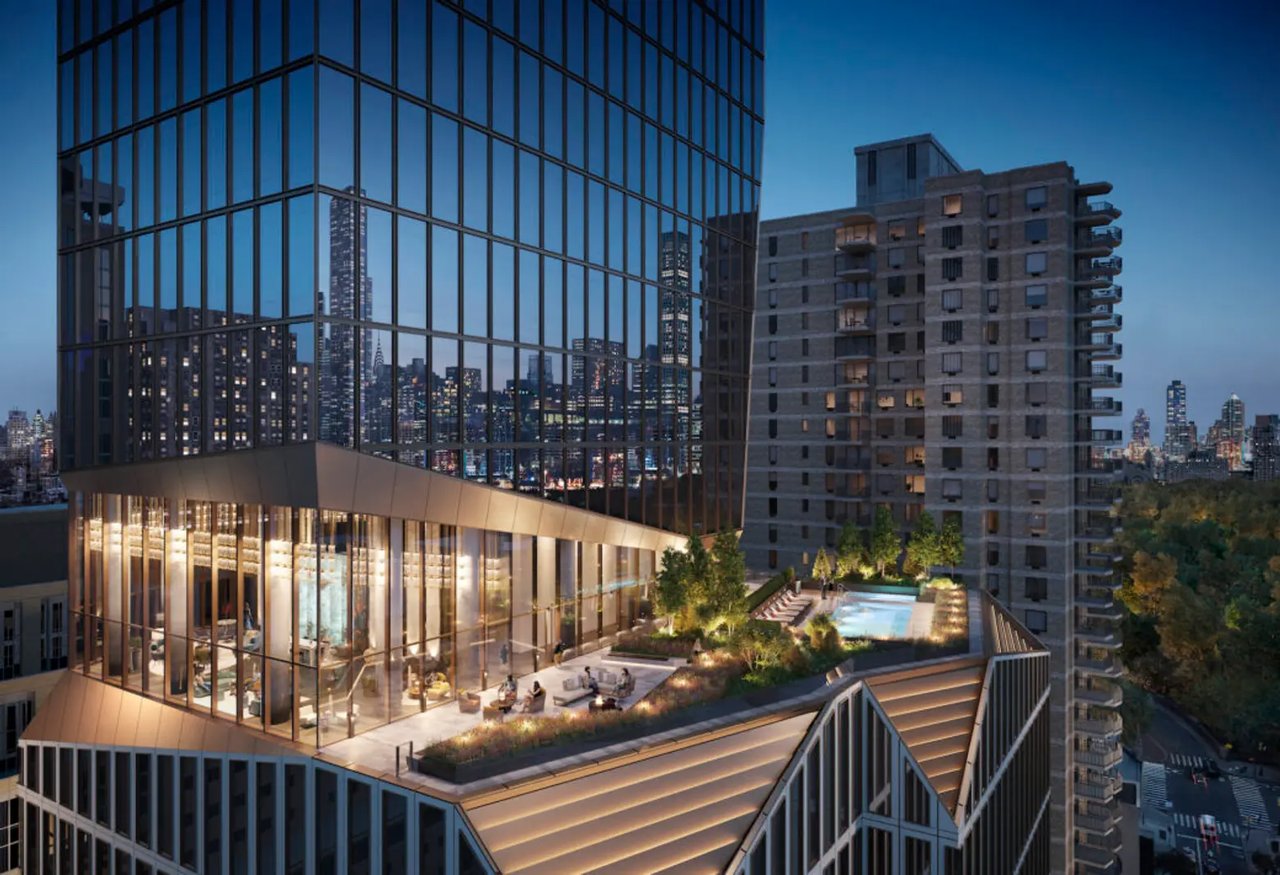
Nearby at 80 Pine Street — also marketed as Pearl & Pine — developer Bushburg is converting the lower 16 floors of a 1.2-million-square-foot tower into 713 rental units with ten floors of amenities, including a rooftop pool, a two-story fitness center, and a pickleball court. Bushburg acquired the property from Rudin Management for $160 million in 2024 and financed the conversion with a $320 million construction loan; the project is also using the 467-m program, and its first units delivered in January 2026.
Tribeca and NoHo: Boutique Conversions Adding Condominiums
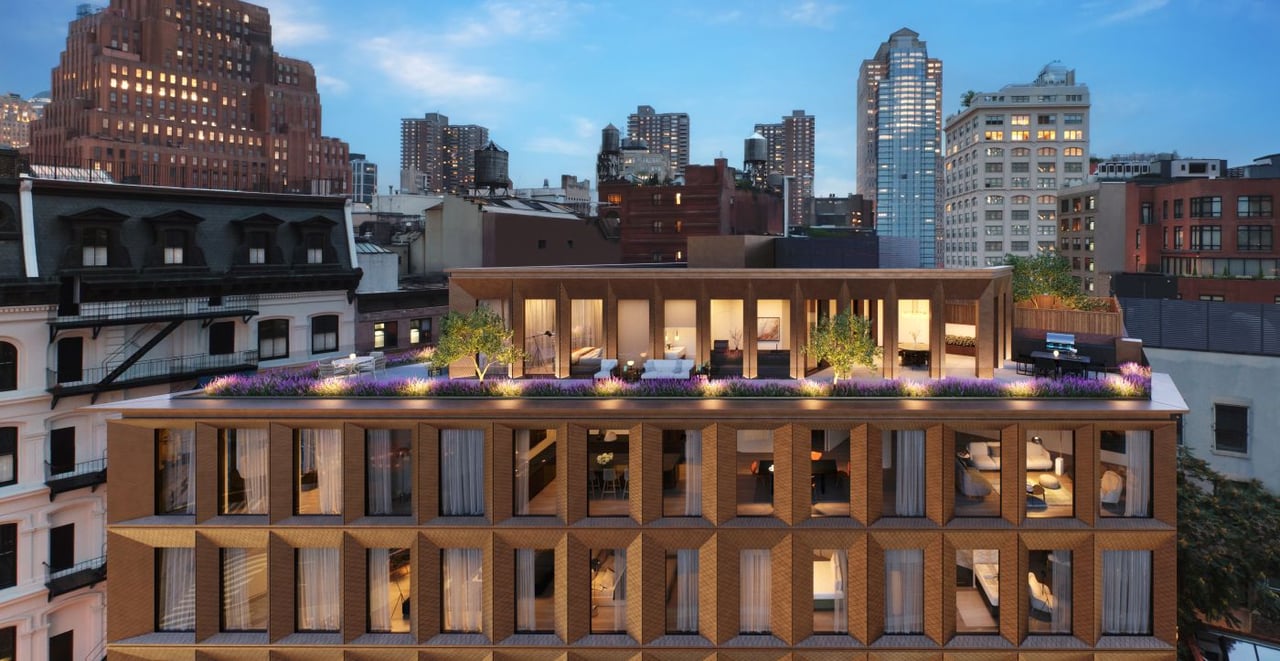
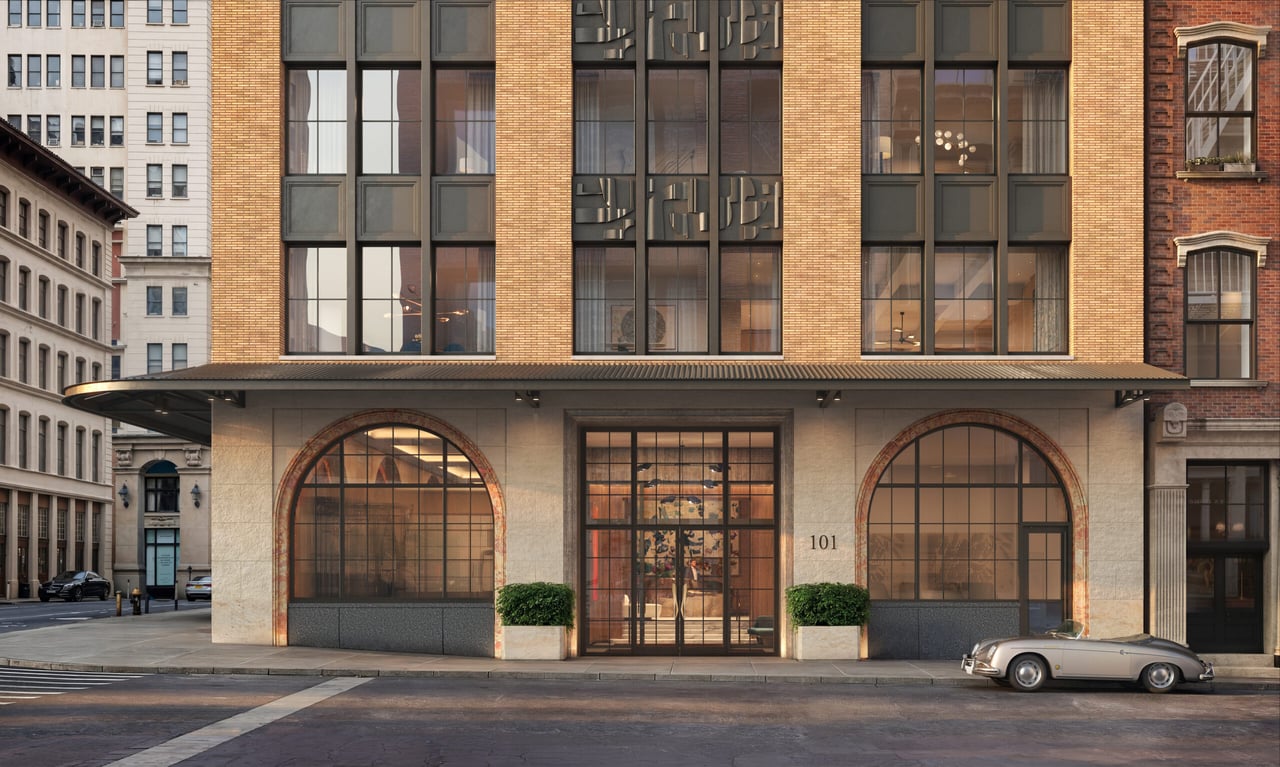
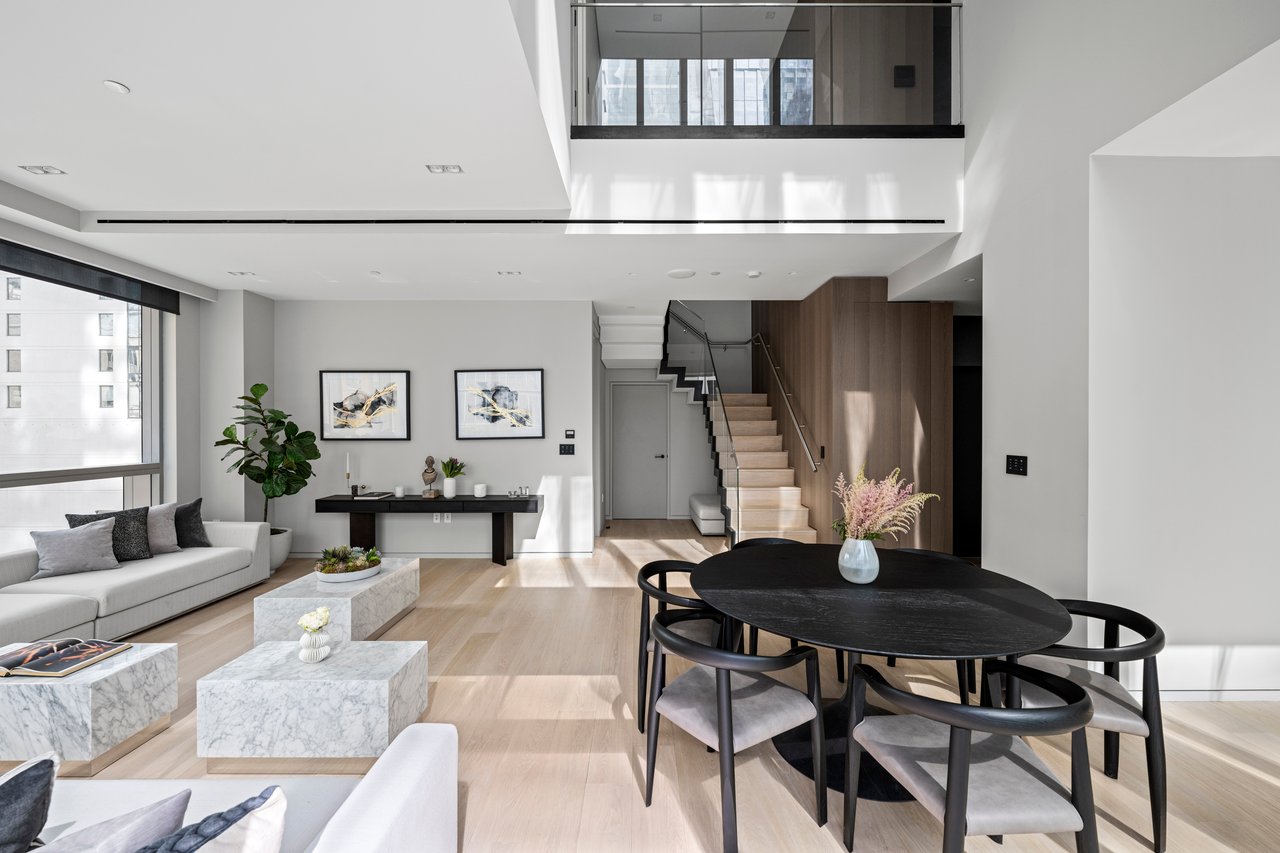
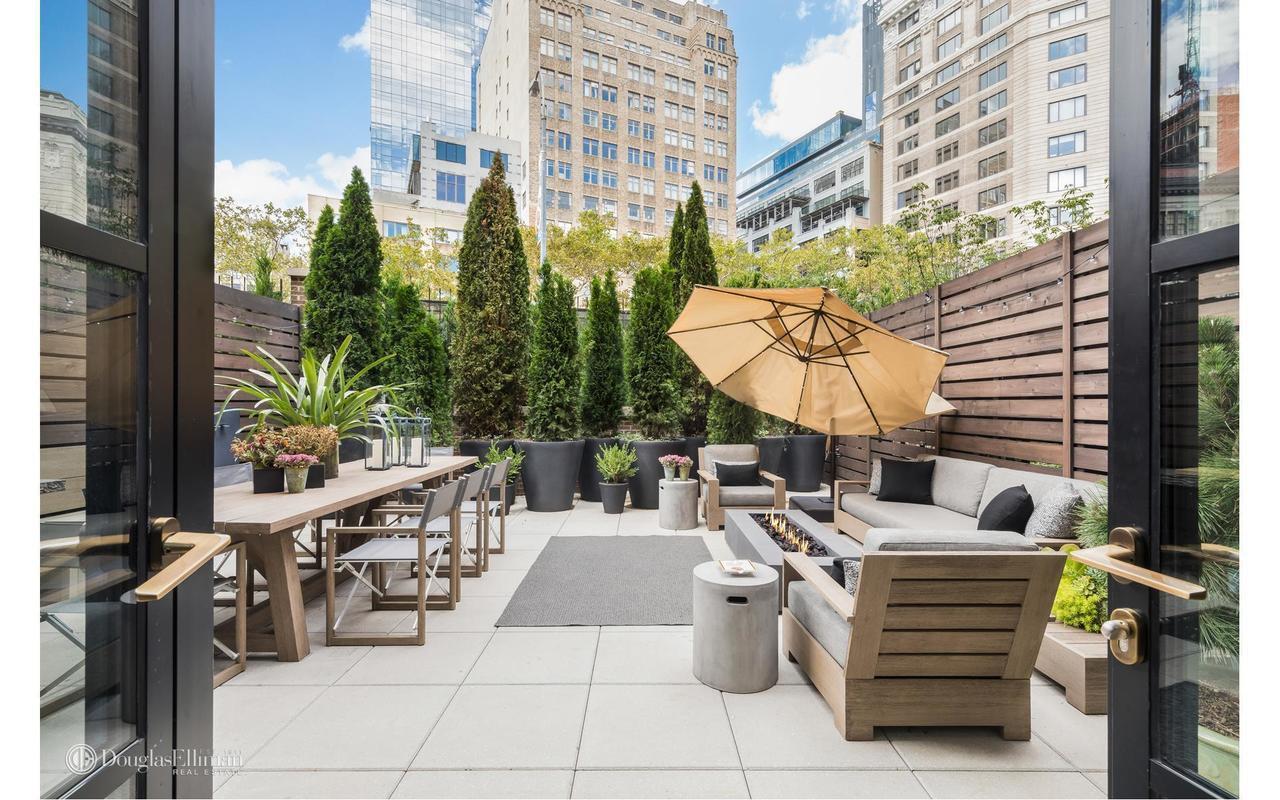
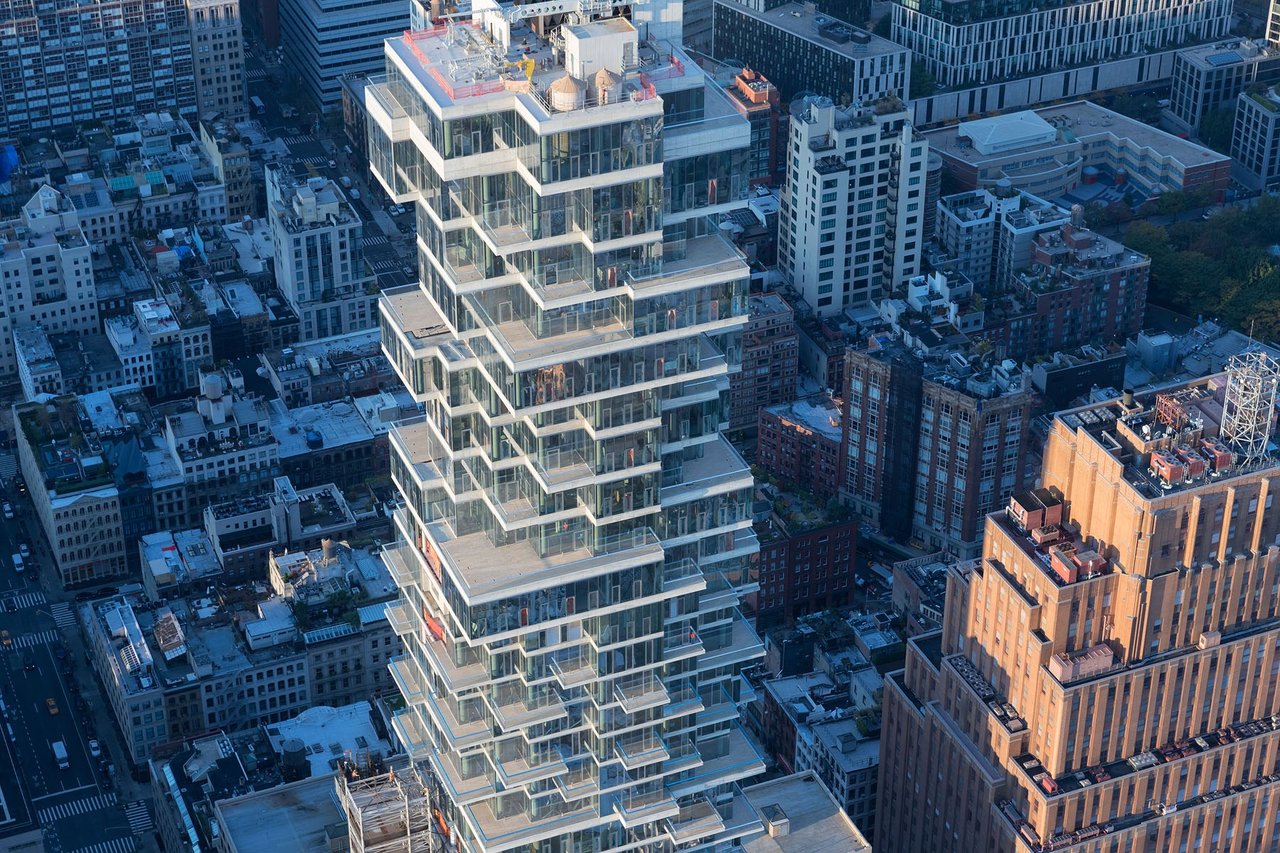
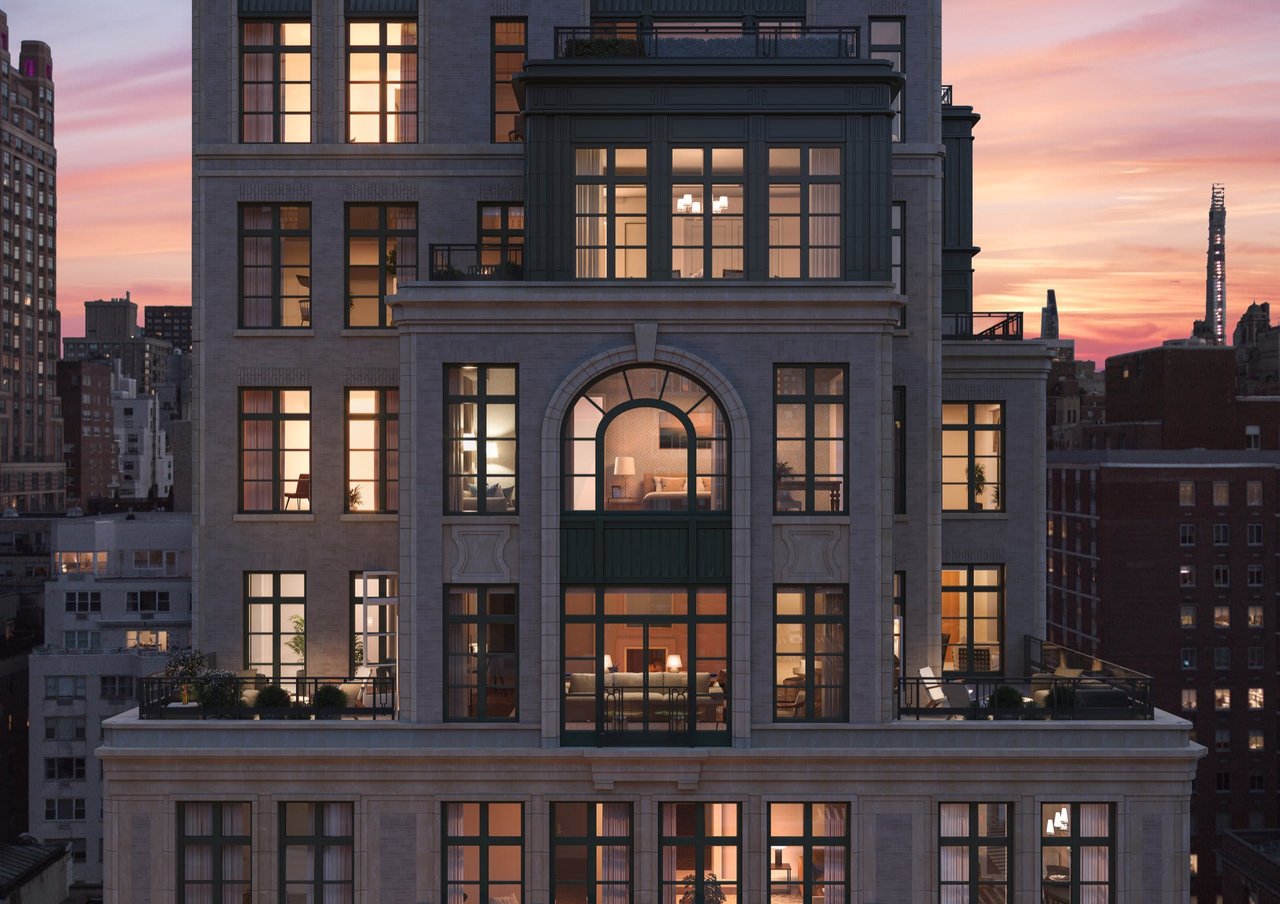
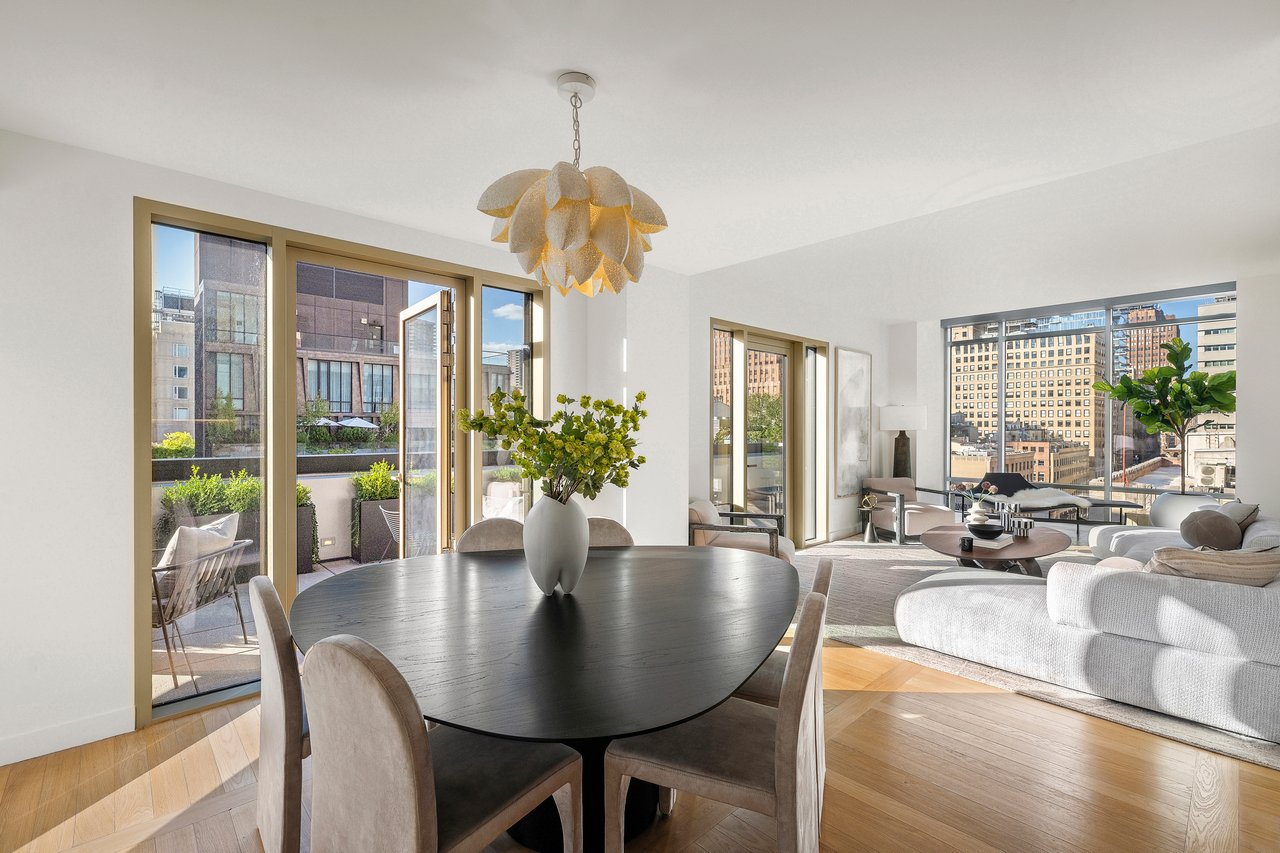
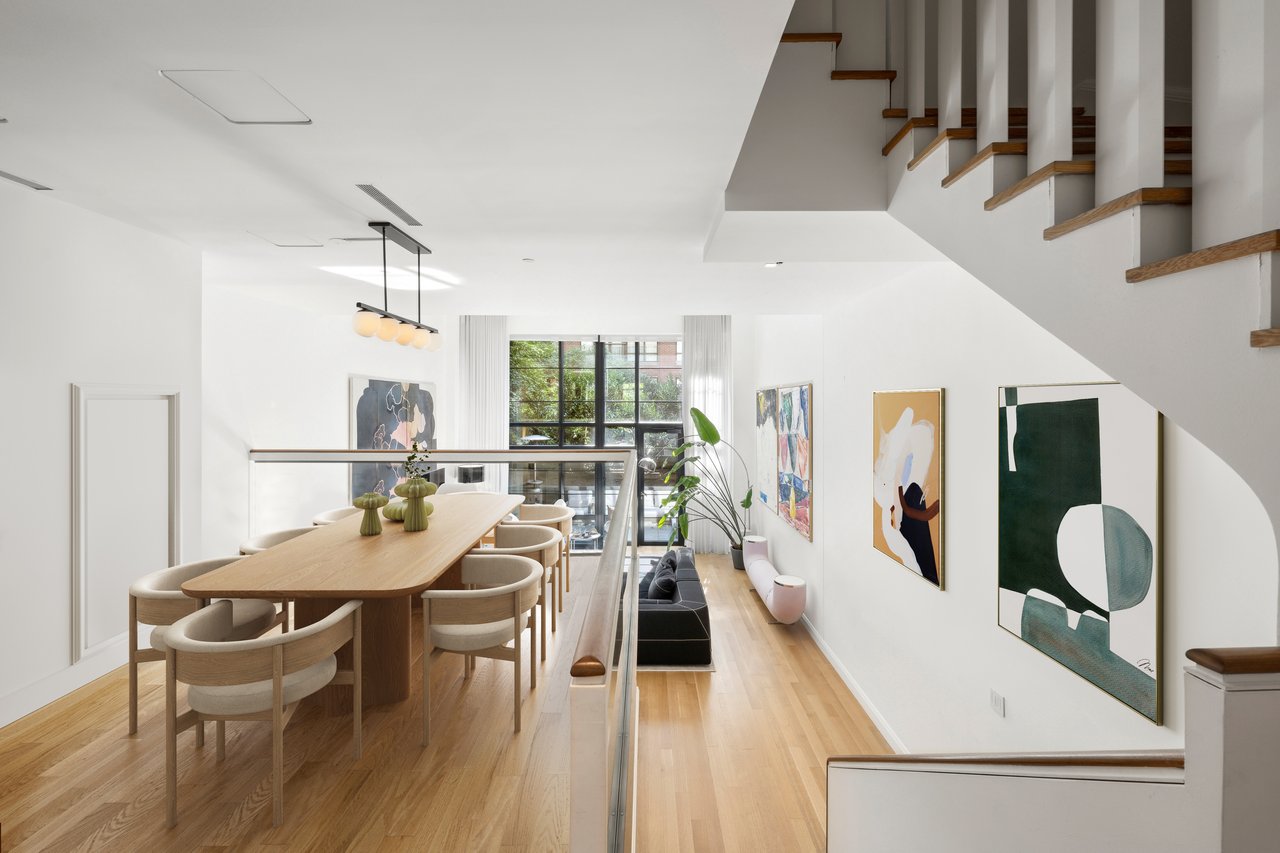
Unlike the rental-heavy Financial District projects, the conversions in Tribeca and NoHo are largely delivering for-sale condos. At 101 Franklin Street — alternately addressed 250 Church Street — Skylight Real Estate Partners, Cannon Hill Capital Partners, and TPG are adding four floors to an existing 17-story building, bringing it to 21 stories and 72 condominium units ranging from two to five bedrooms, alongside retail space and enclosed parking. Corcoran Sunshine Marketing Group is handling sales.
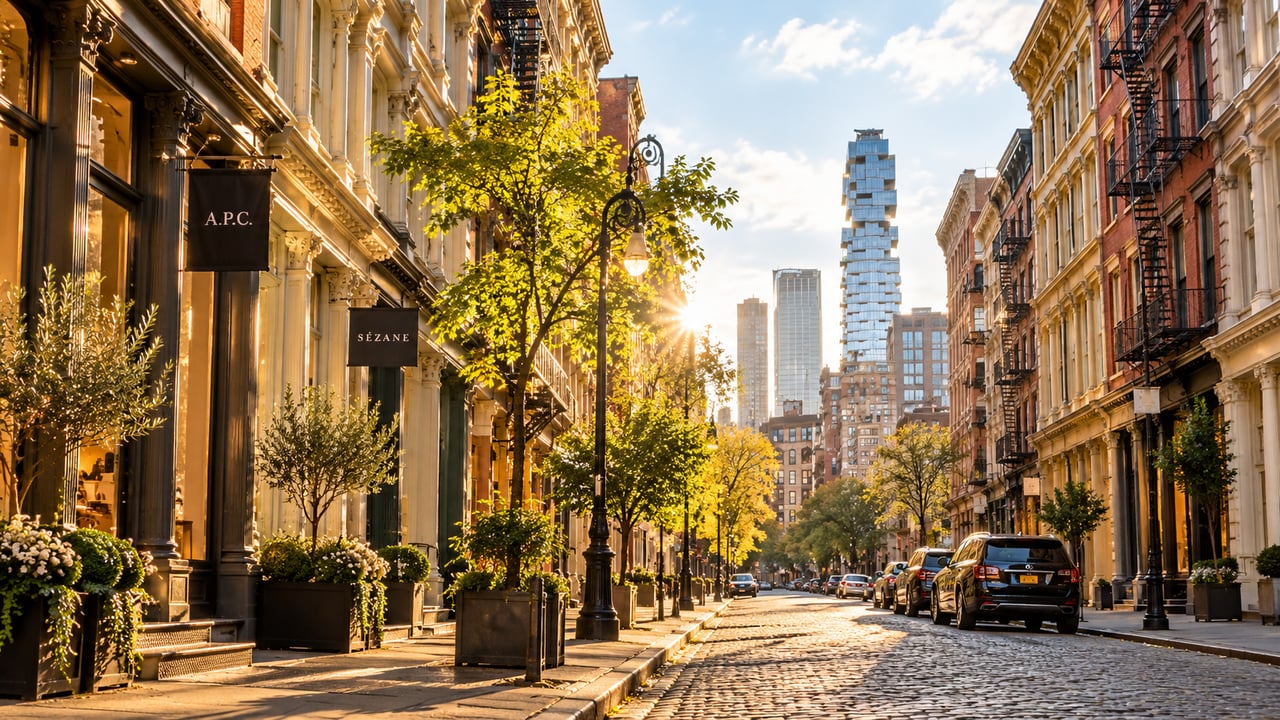
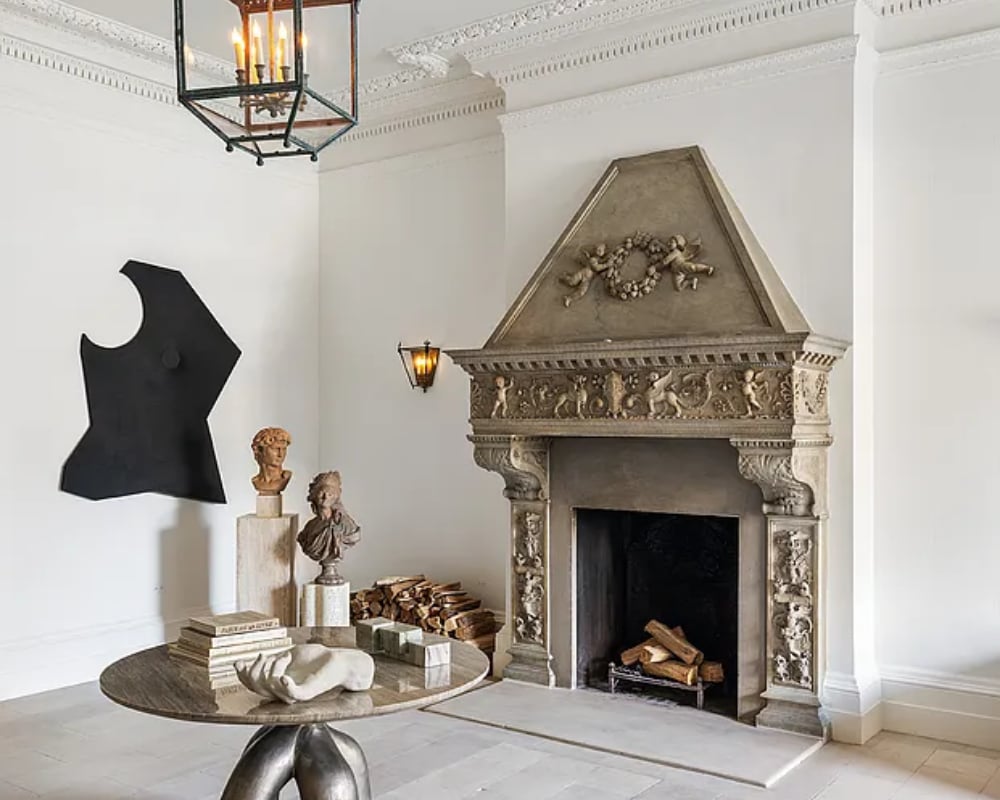
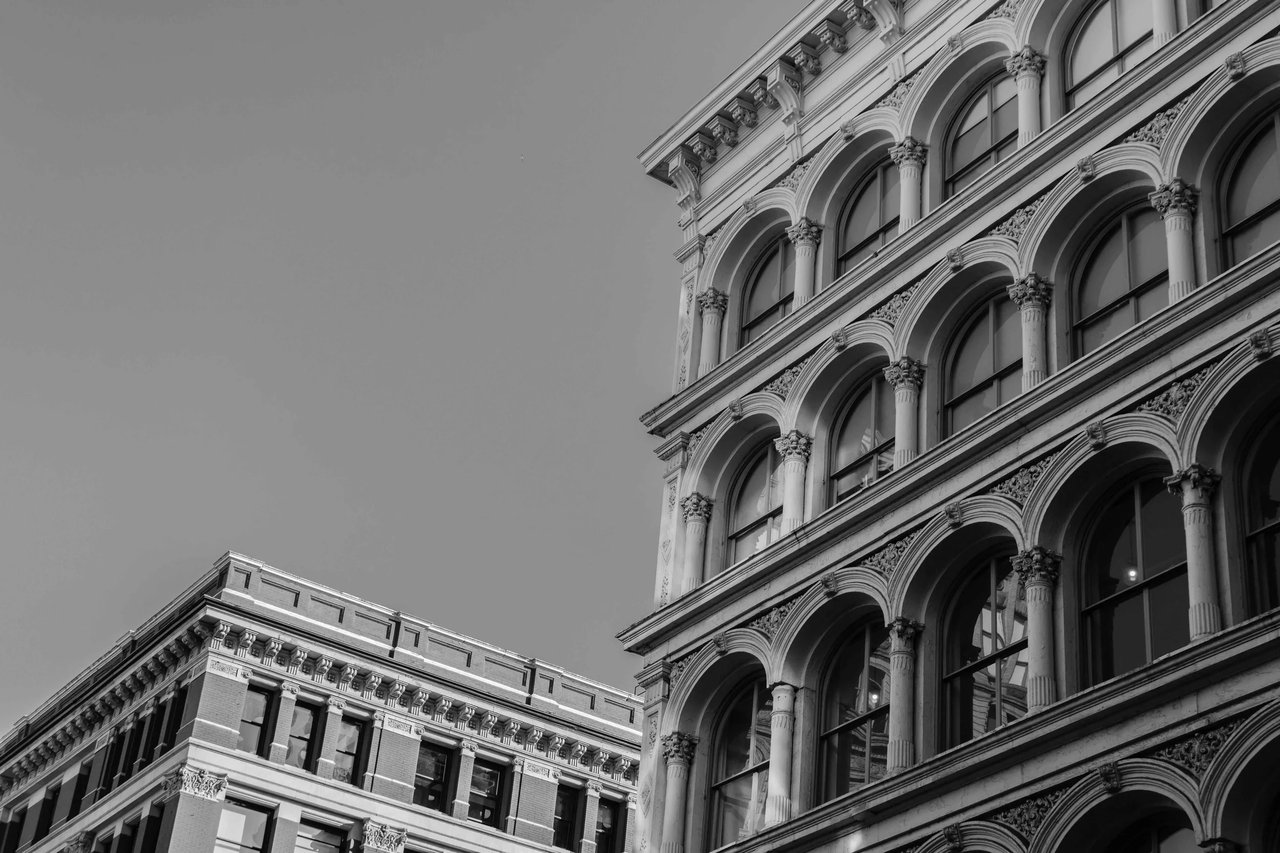
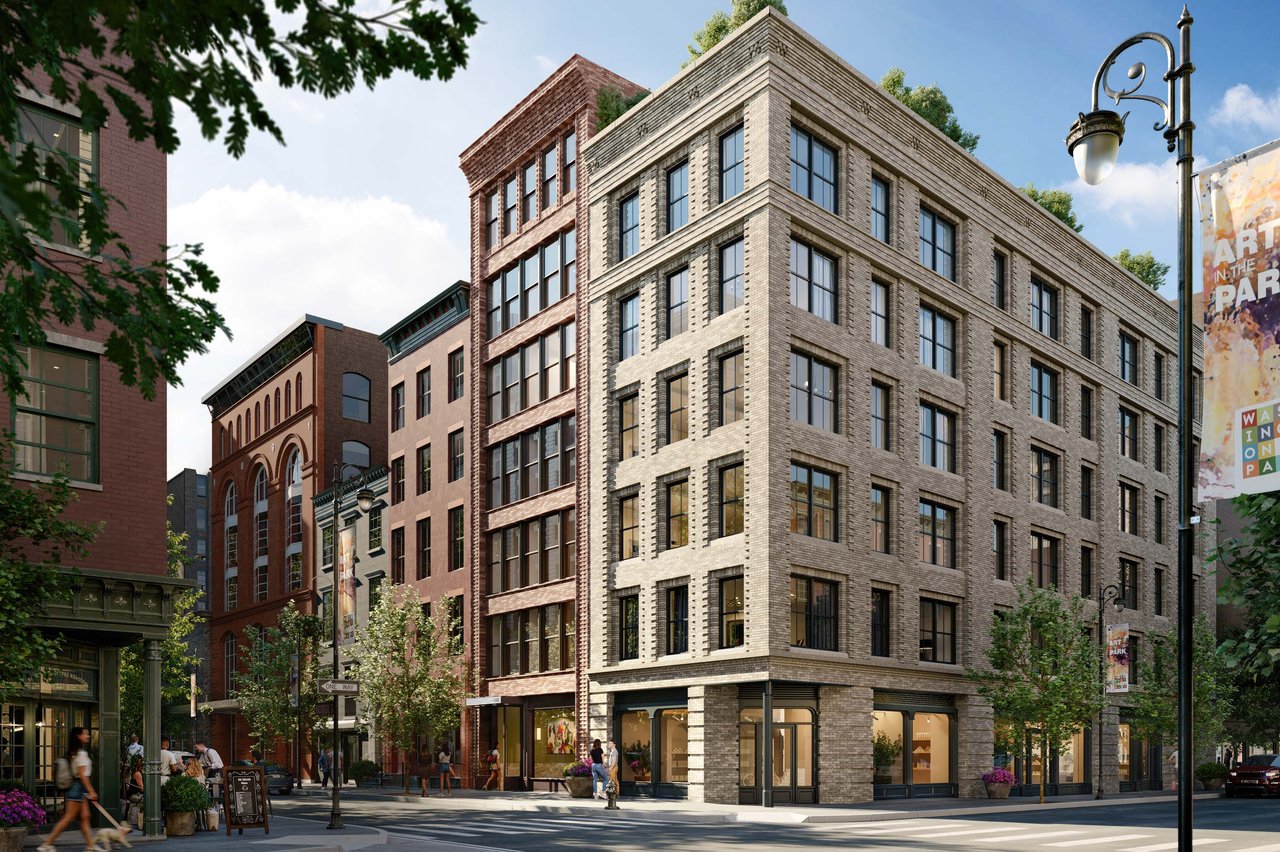
A few blocks away, the Landmarks Preservation Commission recently approved the conversion of 26 Bleecker Street, a 126-year-old Classical Revival building in the NoHo East Historic District that Izaki Group Investments purchased for $38.1 million. The project will yield 15 condo units plus two additional penthouse units built atop the existing roofline, with amenities including a fitness center, thermal spa, and shared roof deck — while preserving the building's original brick, terracotta, and cast-iron detailing.
Midtown and Hell's Kitchen: The Rental Pipeline
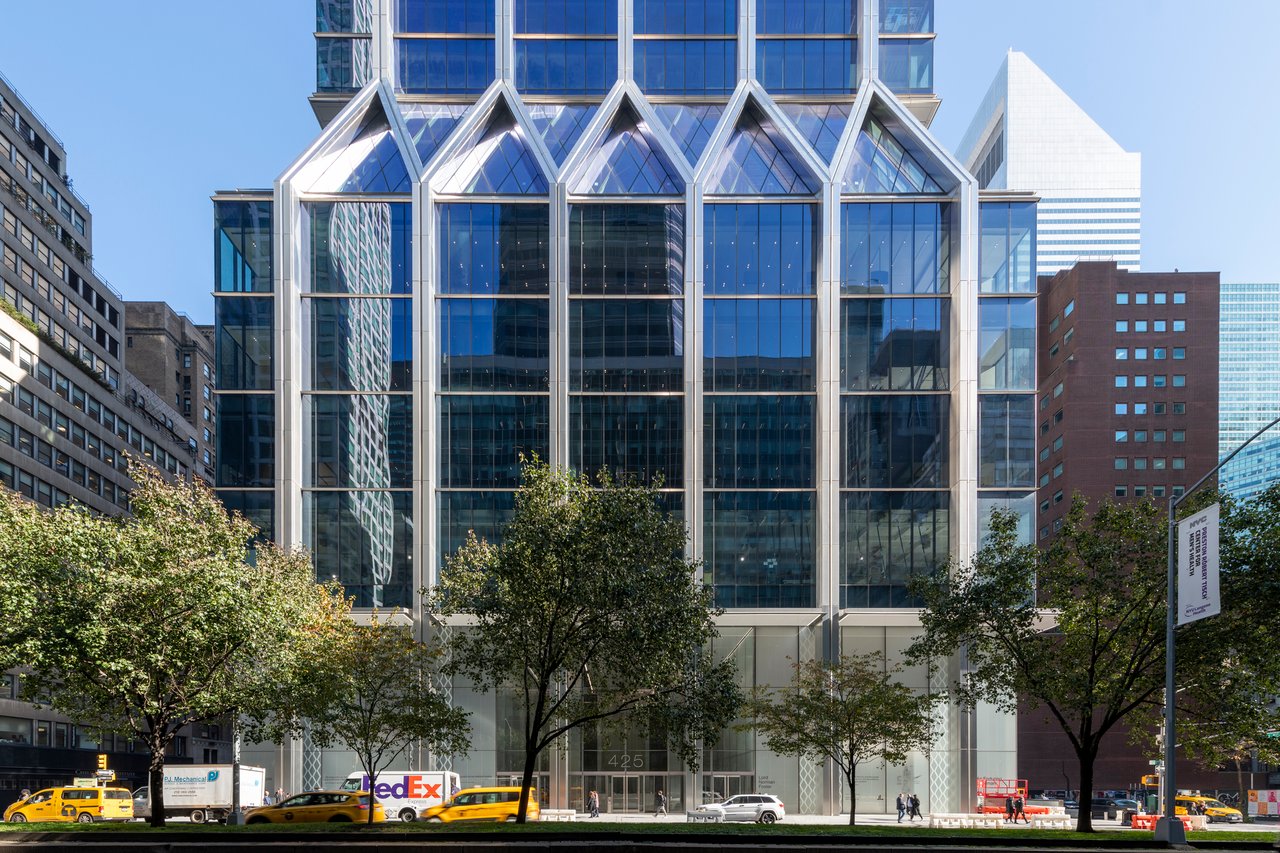
The largest concentration of projects by count is spread across Midtown and Hell's Kitchen. Rudin Management is expanding its own 355 Lexington Avenue by four floors as part of a $32 million project expected to yield 297 market-rate and affordable apartments. A few blocks east, CSC is partially converting 300 Second Avenue into 135 rental units using a $45 million loan from Northwind Group, while preserving the building's ground-floor retail and long-term office tenants — several of them diplomatic missions tied to the building's proximity to the United Nations.
At 675 Third Avenue, Metro Lift Management and David Werner Real Estate Investments are adding four floors to reach 35 stories, converting the tower into 464 rental units with a $90 million loan from Northwind Group; occupancy is targeted for the second quarter of 2027. Further west, Yellowstone Real Estate Investments is converting 1740 Broadway — acquired from Blackstone for nearly $186 million in 2024 — into 426 rental apartments using a $203 million construction loan.
Rounding out the Midtown/Hell's Kitchen pipeline: the DuArt Building at 245 West 55th Street, a former motion picture processing facility that Mandelbaum & Mandelbaum acquired for $28.5 million, is being expanded by six stories to yield 42 new condominium units, with completion targeted for spring 2027. And at 333 West 52nd Street, the Abramson Brothers are converting a 98-year-old, 14-story building into 108 residential units with ground-floor retail, coworking space, and on-site parking.
What Does This Wave of Conversions Mean for Buyers and Renters?
For renters, it means meaningful new supply is headed for two of Manhattan's tightest submarkets — the Financial District and Midtown East — much of it carrying income-restricted units under the 467-m program alongside market-rate apartments. For condo buyers, the opportunity is narrower but distinct: buildings like 101 Franklin Street and 26 Bleecker Street offer something genuinely rare in Manhattan's current new development pipeline — boutique, low-unit-count condo buildings in established downtown neighborhoods, rather than large-scale towers. If you're evaluating a purchase in one of these conversions, our new developments blog tracks pricing and sales pace as these buildings come to market, and our guide to buyer representation in new construction covers what to know before signing a sponsor contract in a conversion project specifically, where financing timelines can differ from a resale.
Frequently Asked Questions
- How many new apartments are being added to Manhattan through office conversions right now? Roughly 2,900 units across the ten projects currently underway, split between market-rate and income-restricted rentals and a smaller number of new condominiums in Tribeca and NoHo.
- Why are so many NYC office buildings being converted into housing? High post-pandemic office vacancy combined with the state's 467-m tax incentive — a 35-year property tax exemption for developers who set aside 25% of units as income-restricted — has made conversion financially viable for buildings that would otherwise sit underused.
- Are these office-to-residential conversions condos or rentals? Mostly rentals. Of the ten projects, seven are delivering rental units, largely in the Financial District, Midtown East, and Hell's Kitchen. Three — 101 Franklin Street, 26 Bleecker Street, and the DuArt Building at 245 West 55th Street — are condo conversions.
- When will these new Manhattan apartments be available? Timelines vary by project. 77 Water Street and the DuArt Building are targeting spring 2027, 675 Third Avenue is targeting the second quarter of 2027, and 80 Pine Street has already begun delivering its first units. Several other projects have not yet announced completion dates.
- What is the 467-m tax incentive program? It's a New York State program offering developers a 35-year property tax exemption on office-to-residential conversions, in exchange for reserving 25% of the resulting units for renters earning approximately 80% of the area median income.
Interested in a new condo or rental coming out of Manhattan's office conversion wave? Contact Elena Ash, licensed real estate agent with Compass, for early access and pricing guidance as these buildings come to market. Read more about Elena's background and approach.