Manhattan's market in 2026 favors preparation over waiting. Median sale prices are up 5.2% year over year to $1,225,000, rents just hit a record $5,099/month, and mortgage rates have eased to 6.23%. Inventory is tight across both the sale and rental markets, which means the buyers, sellers, and renters who move decisively — not the ones waiting for a better moment — are getting the best outcomes right now.
Is Manhattan a Buyer's Market or a Seller's Market in 2026?
Neither, cleanly — and that's exactly what makes it a good year to have representation. Manhattan closings rose for the sixth consecutive quarter in Q1 2026, with total sales volume hitting $6.2 billion. The Manhattan median home price reached $1,225,000, up 5.2% year over year, while active inventory sits around 6,000 listings — a five-year first-quarter low. Tight inventory typically favors sellers, but elevated mortgage rates are still keeping some buyers price-sensitive, which means well-priced listings move fast while overpriced ones sit. At the top of the market, the story tilts even further toward sellers: signed contracts in the $10M–$20M range jumped 47.4% year over year, and 2025 closed with nearly $12 billion in luxury sales across 1,400+ contracts.
What's Actually Driving Prices in 2026?
Three forces are doing most of the work: constrained supply, resilient employment in finance and tech, and a rental market so expensive it's pushing renters toward ownership. Only 81 new development units launched in Q1 2026 — about 75% below the 10-year Q1 average — which is keeping upward pressure on new construction pricing even as overall transaction volume grows. Mortgage rates, meanwhile, have eased to 6.23% from 6.81% a year ago, with Fannie Mae projecting a further slide toward the high-5% range by year-end. Every quarter-point drop expands buyer purchasing power by roughly 3%, which is steadily pulling sidelined buyers back into competition for the same limited inventory.
Should You Rent or Buy in Manhattan Right Now?
For many buyers, the math has flipped in favor of buying. Manhattan's median rent hit $5,099 a month in April 2026, an all-time high, up 6% year over year, with vacancy falling to 1.55% — the lowest level in more than six years. At that rent level, buyers looking at co-ops or condos in the $800,000–$1,500,000 range are often finding that monthly ownership costs — mortgage, maintenance, and taxes combined — now match or undercut what they'd pay to rent an equivalent apartment, particularly in co-ops where maintenance already bundles in property taxes. That crossover point is new, and it's reshaping who's shopping to buy this year.
Co-op or Condo: Which Fits the 2026 Market Better?
It depends on how fast you need to move and how much flexibility you want. Co-ops still make up the majority of Manhattan's housing stock and trade at a meaningful discount to condos — the Q1 2026 co-op median held flat at $850,000 versus a condo median of $1,750,000 — but they come with board approval, which can add weeks to a purchase timeline in a market where good listings move quickly. Condos offer easier financing, LLC and pied-à-terre purchases, and no board interview, which is part of why condo pricing has continued climbing 3–5% annually even as co-op prices stabilize. For a full breakdown of the cost and lifestyle trade-offs, see our guide on choosing between a condo, co-op, or townhouse.
Which Neighborhoods Are Leading the Market in 2026?
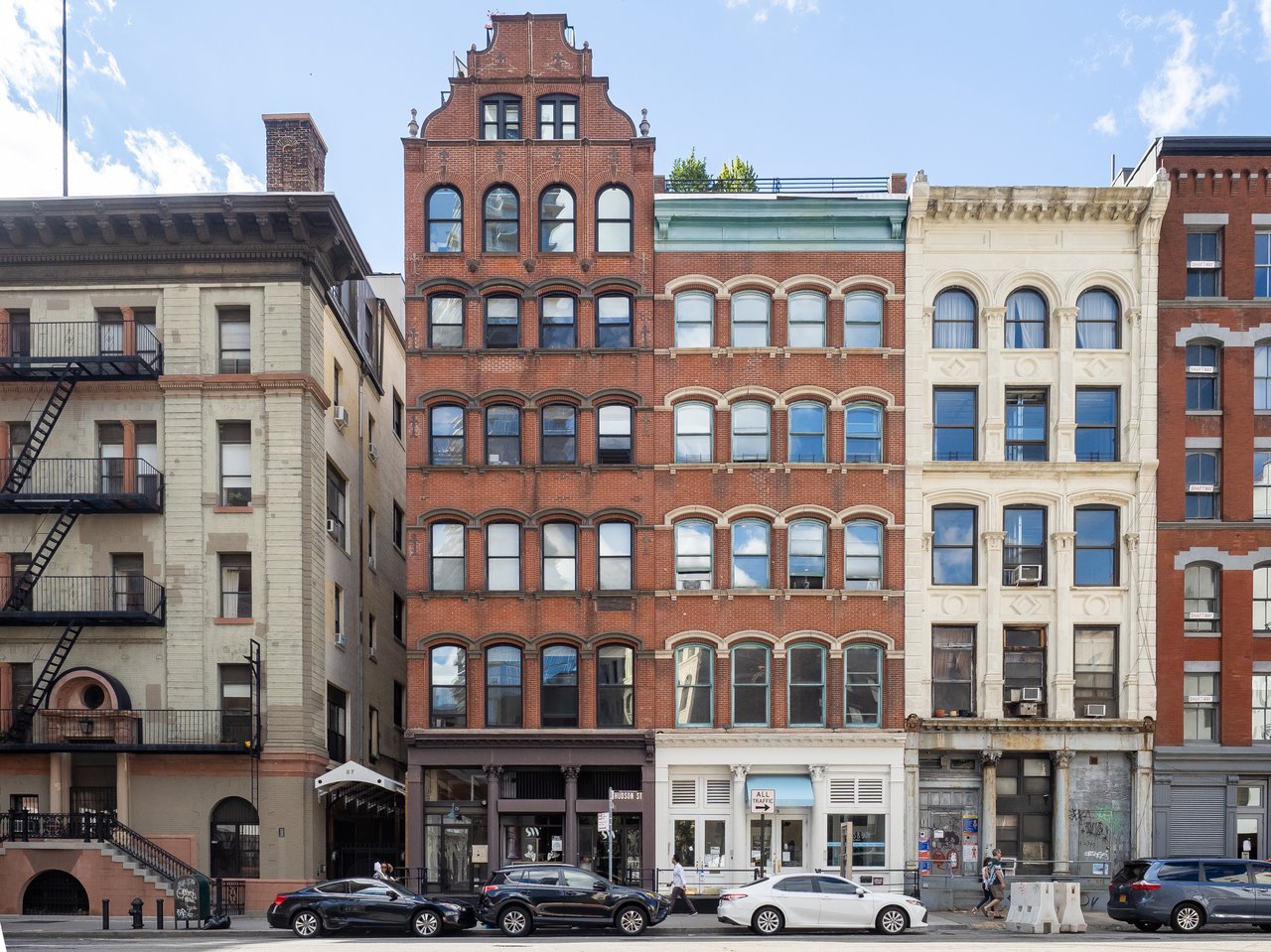
Growth isn't even across the island. Condos in the Hudson Yards, West Chelsea, and Midtown East new development corridors are showing the strongest appreciation this year, while among established neighborhoods, the West Village and Tribeca continue posting consistent price growth thanks to persistently limited supply — Tribeca one-bedroom rentals alone are now commanding roughly $6,250 a month, nearly double the citywide median. If you're deciding where to focus a search, our full neighborhoods guide breaks down pricing, inventory, and lifestyle fit across Manhattan's most active submarkets.
Is New Development Worth the Premium in 2026?
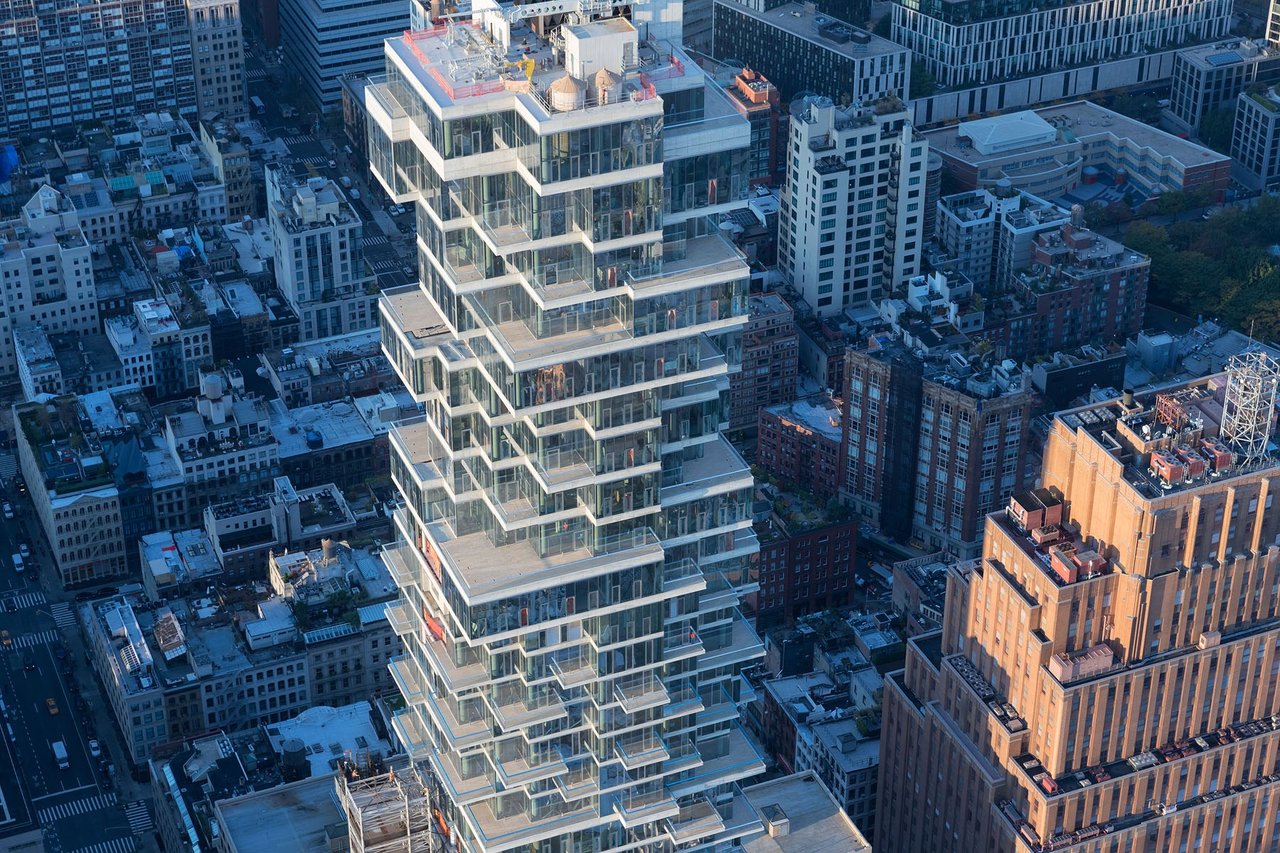
For buyers who value never-lived-in finishes, modern amenities, and bypassing board approval, yes — but go in with your own representation. New development sponsor sales carry cost layers that resales don't, including sponsor attorney fees and working capital contributions that can add 2–3% to total closing costs. What you get in exchange is scarcity-driven appreciation potential: with new development launches running far below historical averages, the buildings that are selling are absorbing units quickly. Our developments blog covers why new construction is drawing renewed demand this year and why buyer representation matters specifically in a sponsor sale.
Frequently Asked Questions
- Are Manhattan home prices going up or down in 2026? Up. The Manhattan median sale price is $1,225,000, a 5.2% increase year over year, and broad price declines are unlikely given constrained inventory and steady luxury demand.
- Is it cheaper to rent or buy in Manhattan in 2026? It depends on price point, but for properties in the $800,000–$1,500,000 range, ownership costs are now frequently matching or undercutting rent, since Manhattan's median rent hit a record $5,099/month in April 2026.
- What is the average mortgage rate for a Manhattan condo purchase in 2026? Around 6.23% for a 30-year fixed rate as of spring 2026, down from 6.81% a year earlier, with jumbo loans — which most Manhattan buyers need — pricing slightly higher depending on lender and loan-to-value.
- Which Manhattan neighborhoods are best for investment in 2026? Hudson Yards, West Chelsea, and Midtown East are showing the strongest new development appreciation, while Tribeca and the West Village continue to post consistent gains in the resale market due to limited supply.
- Is Manhattan rental inventory really that low in 2026? Yes — Manhattan recorded its lowest rental vacancy rate in more than six years in April 2026, and listings have declined year-over-year for over two years straight, among the longest inventory contractions on record.
Weighing whether to buy, sell, or keep renting in Manhattan this year? Contact Elena Ash, licensed real estate agent with Compass, for a strategy built around where the market actually is right now. Read more about Elena's background and approach.