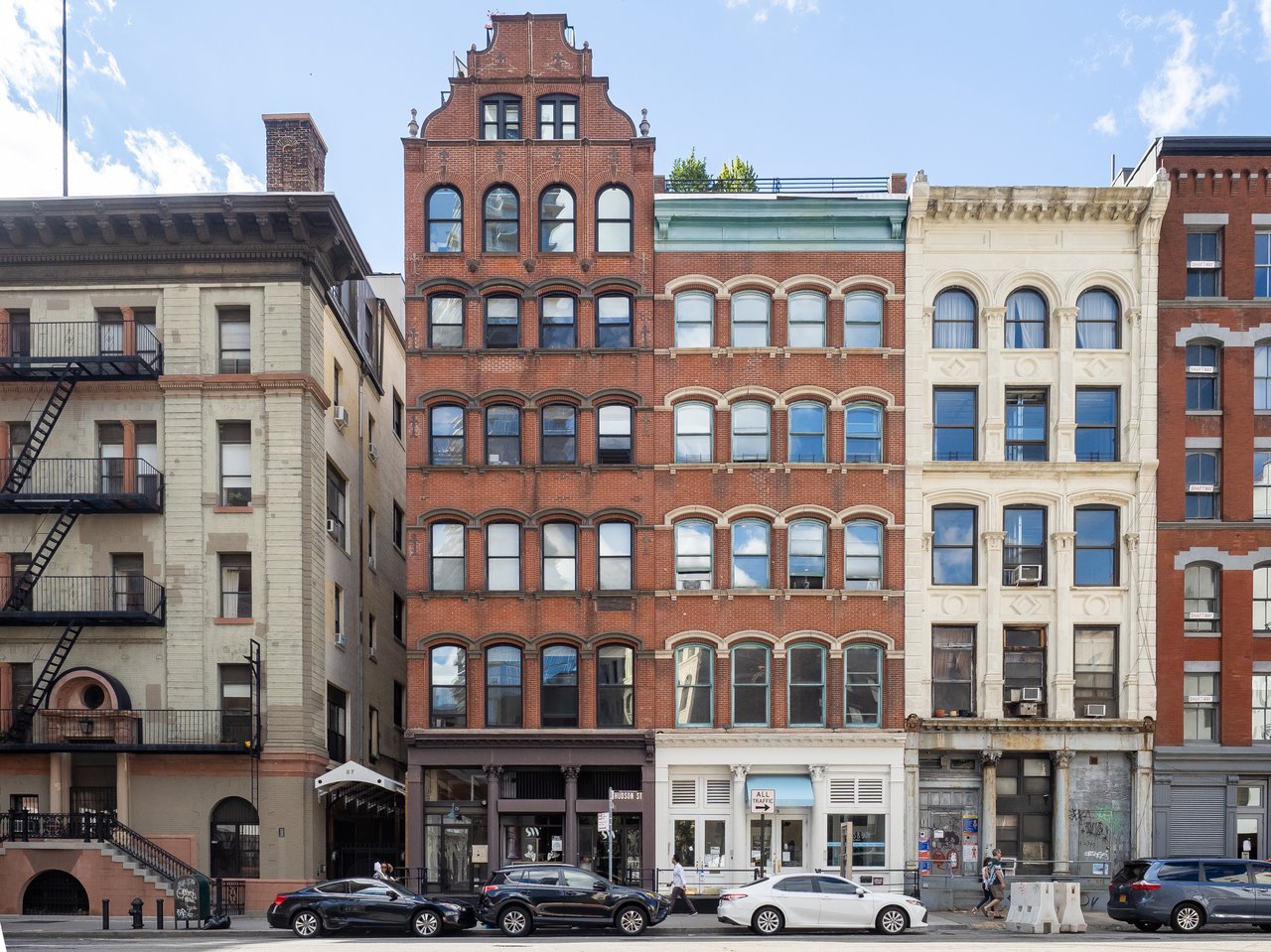
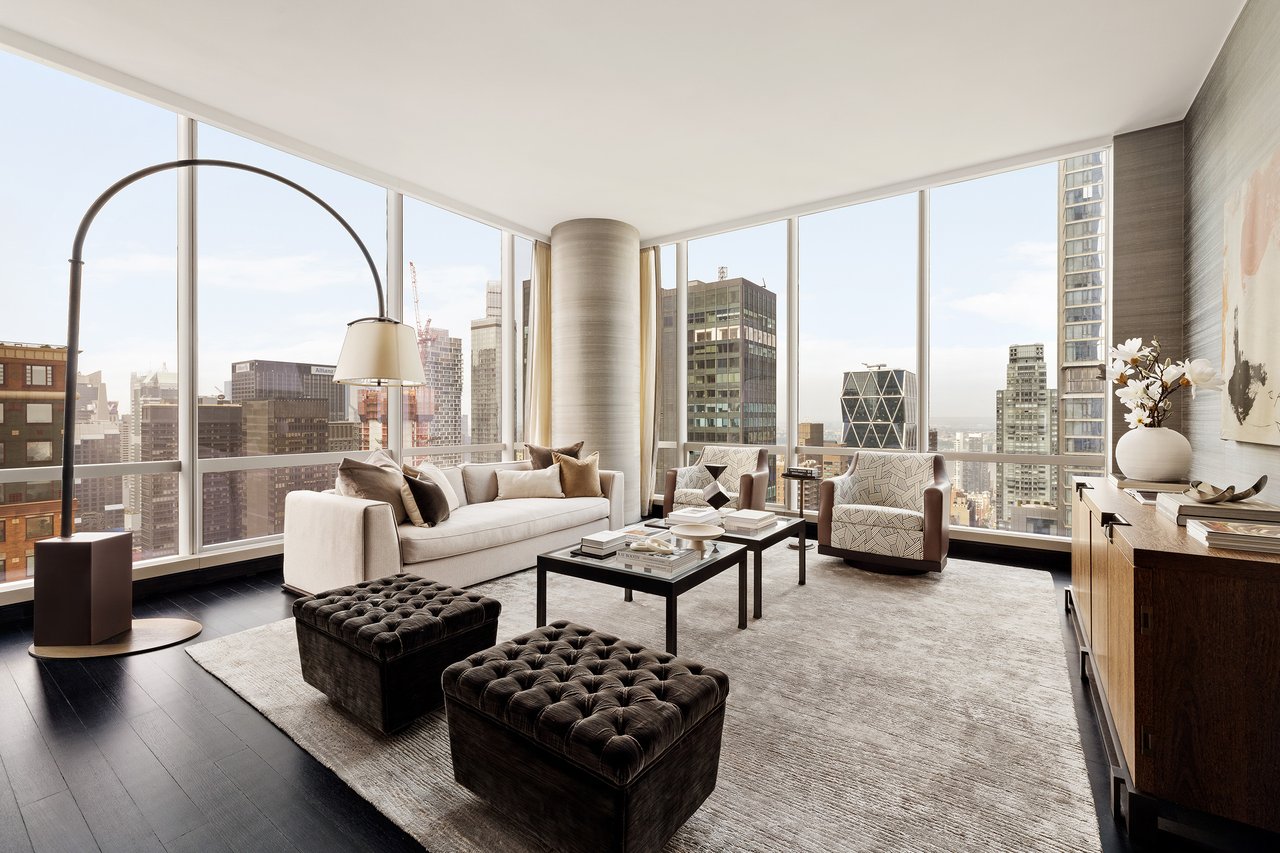
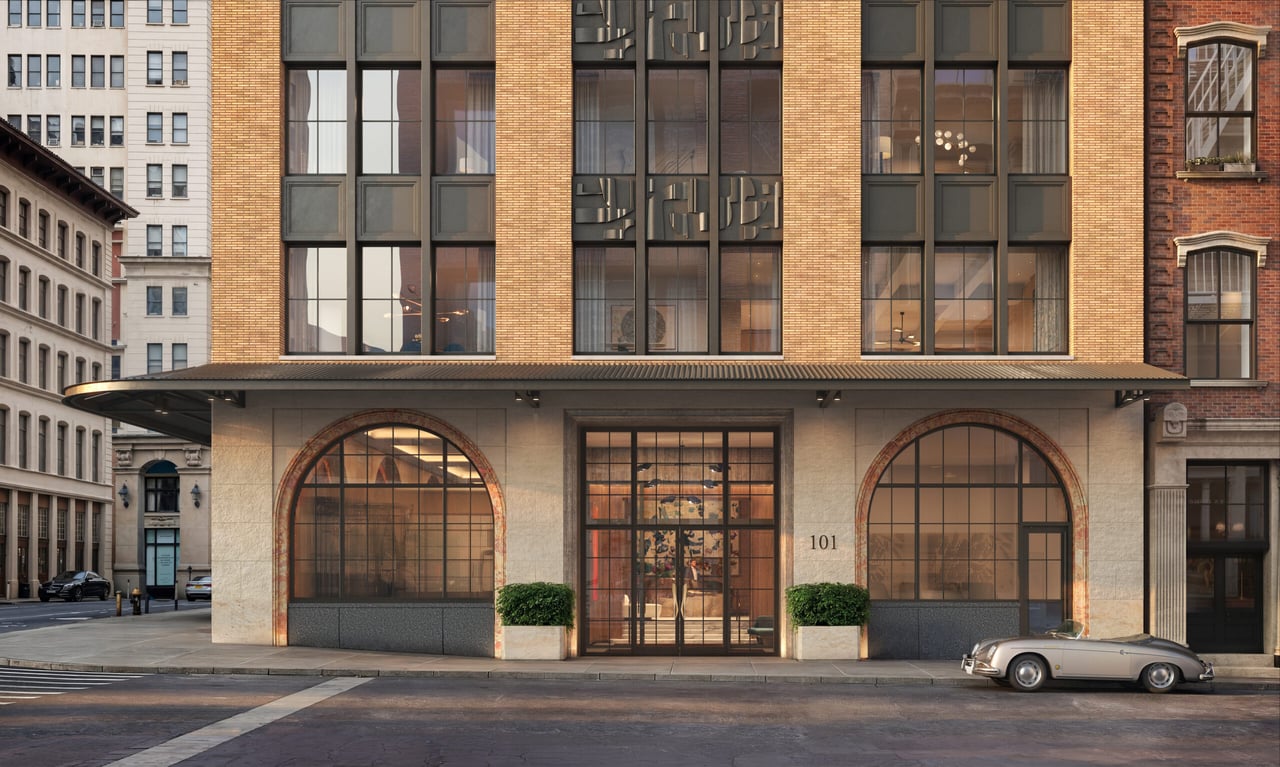
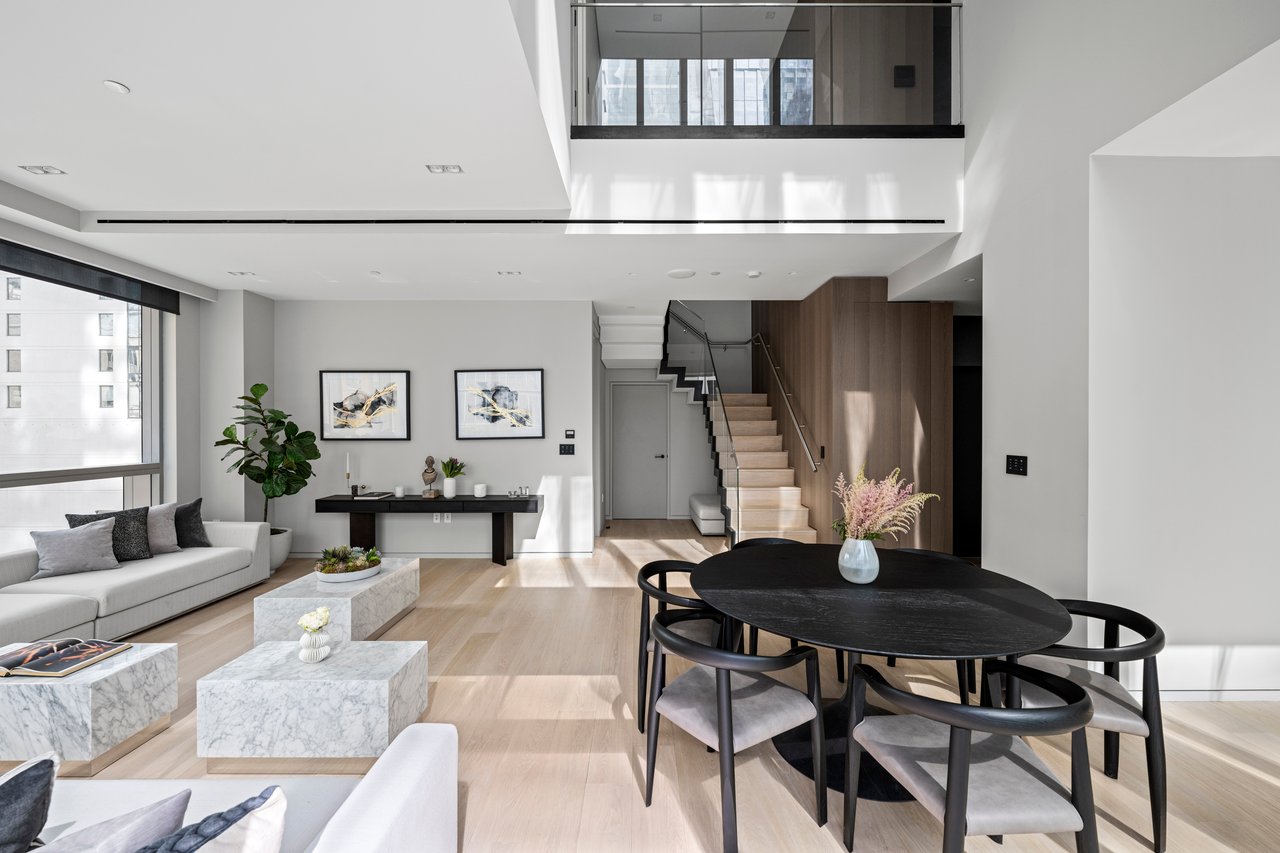
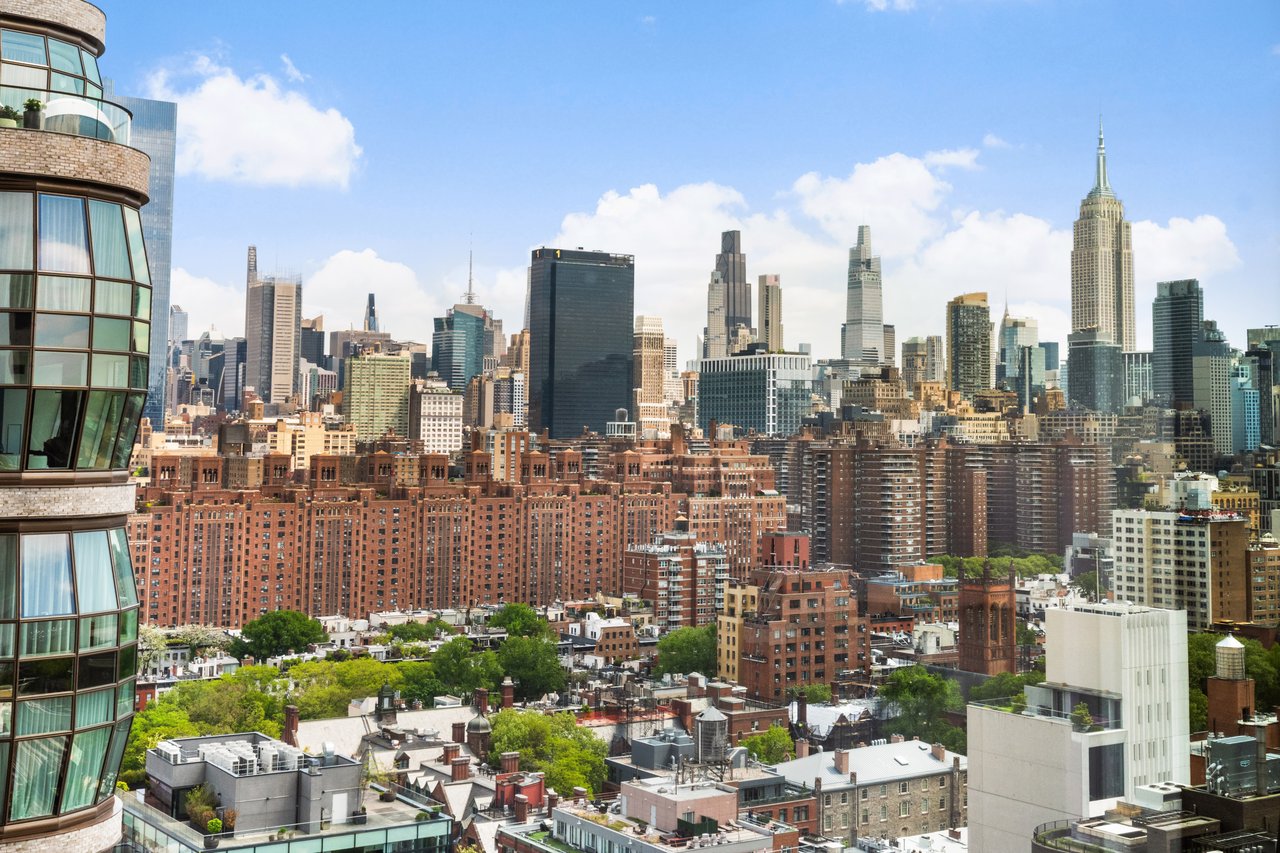
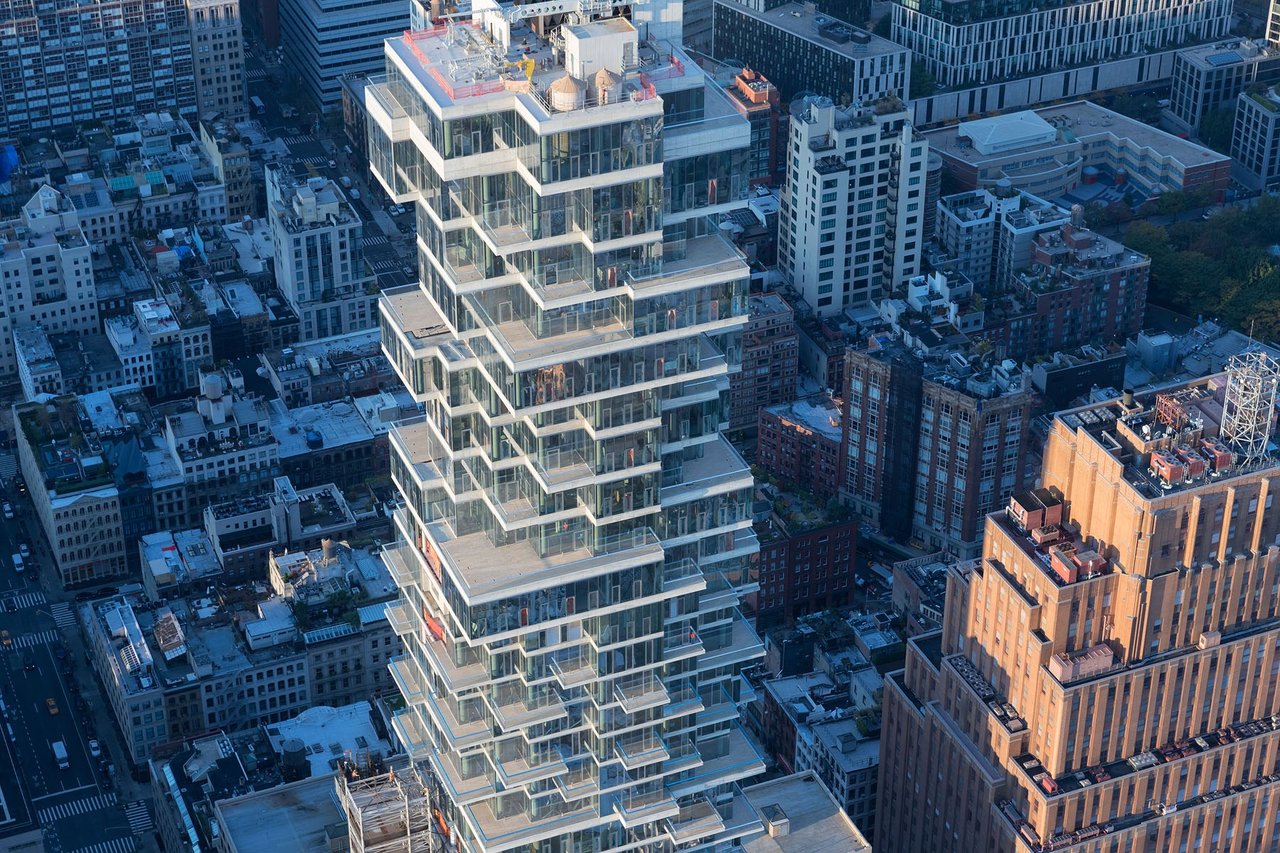
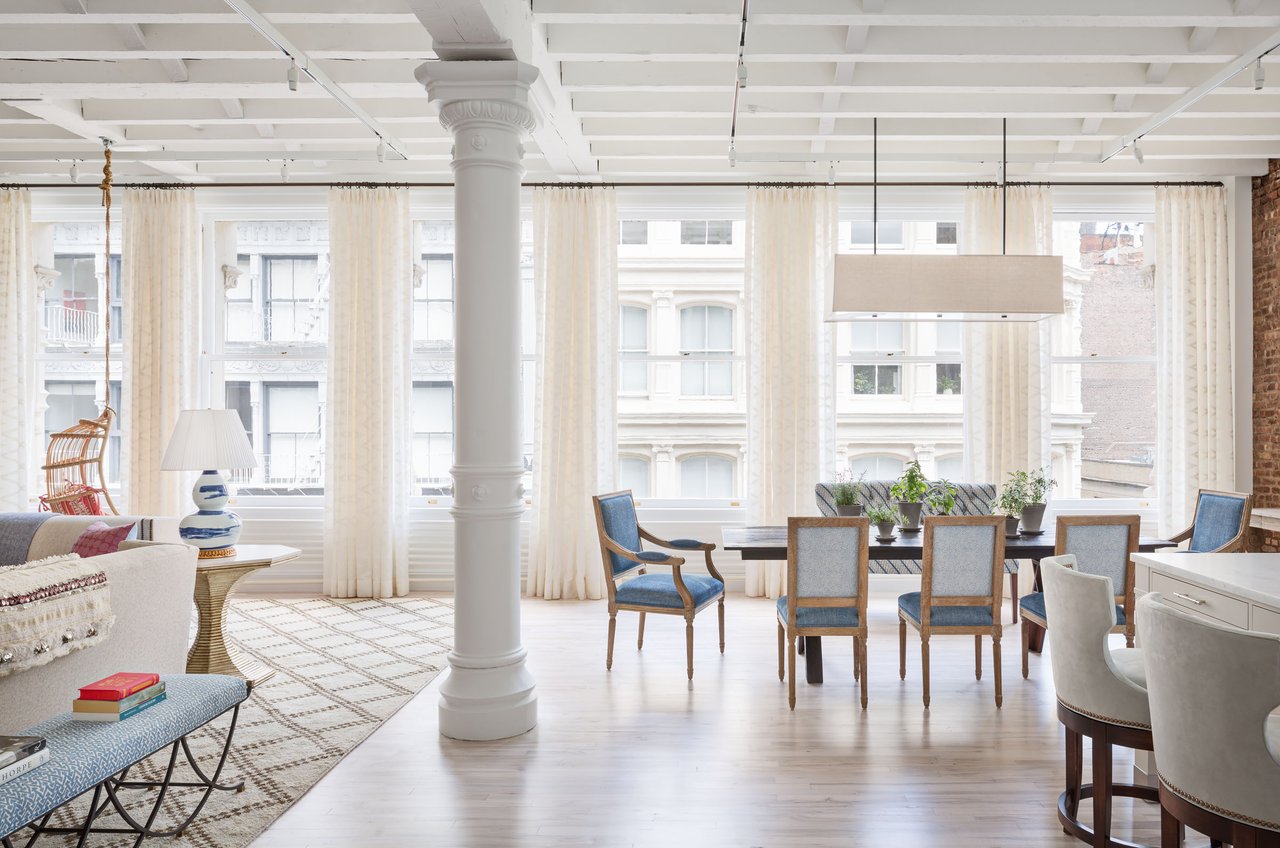
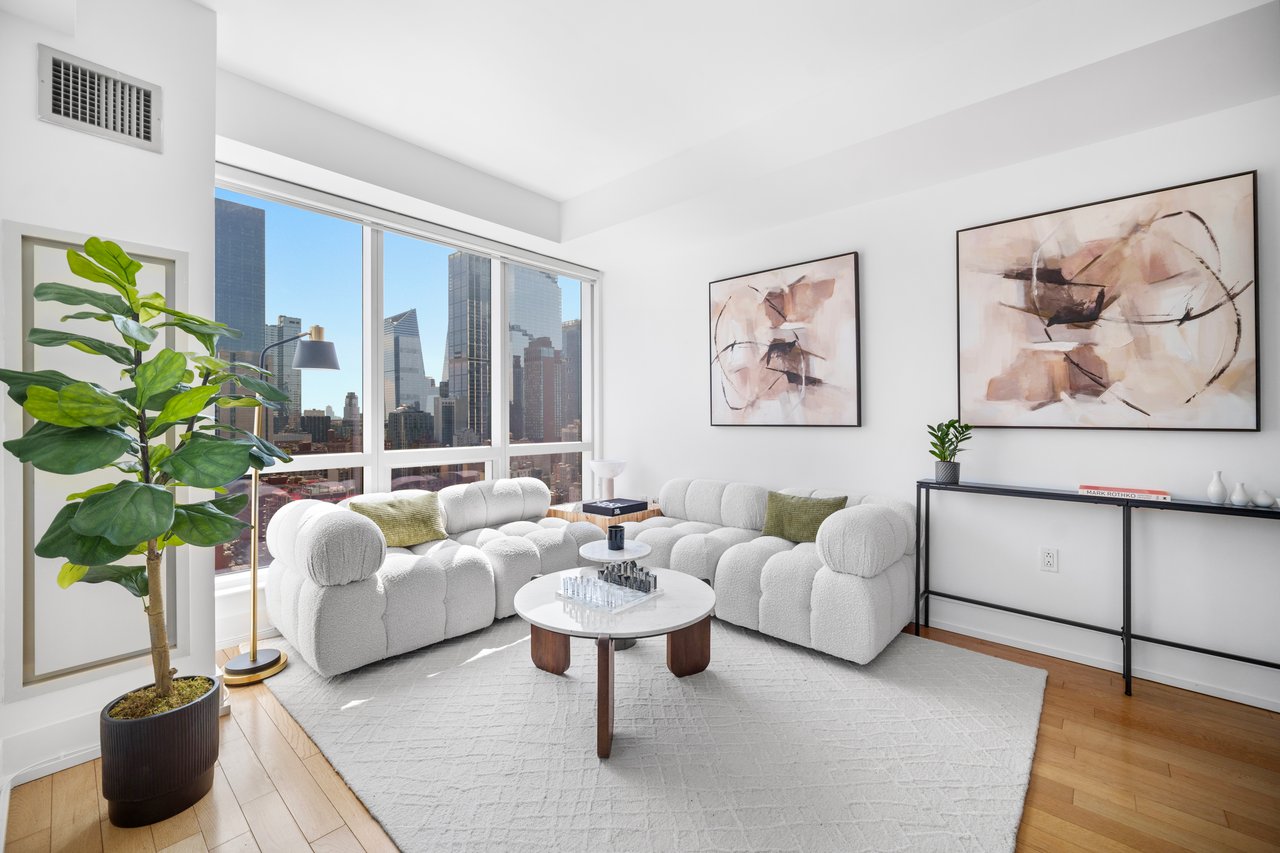
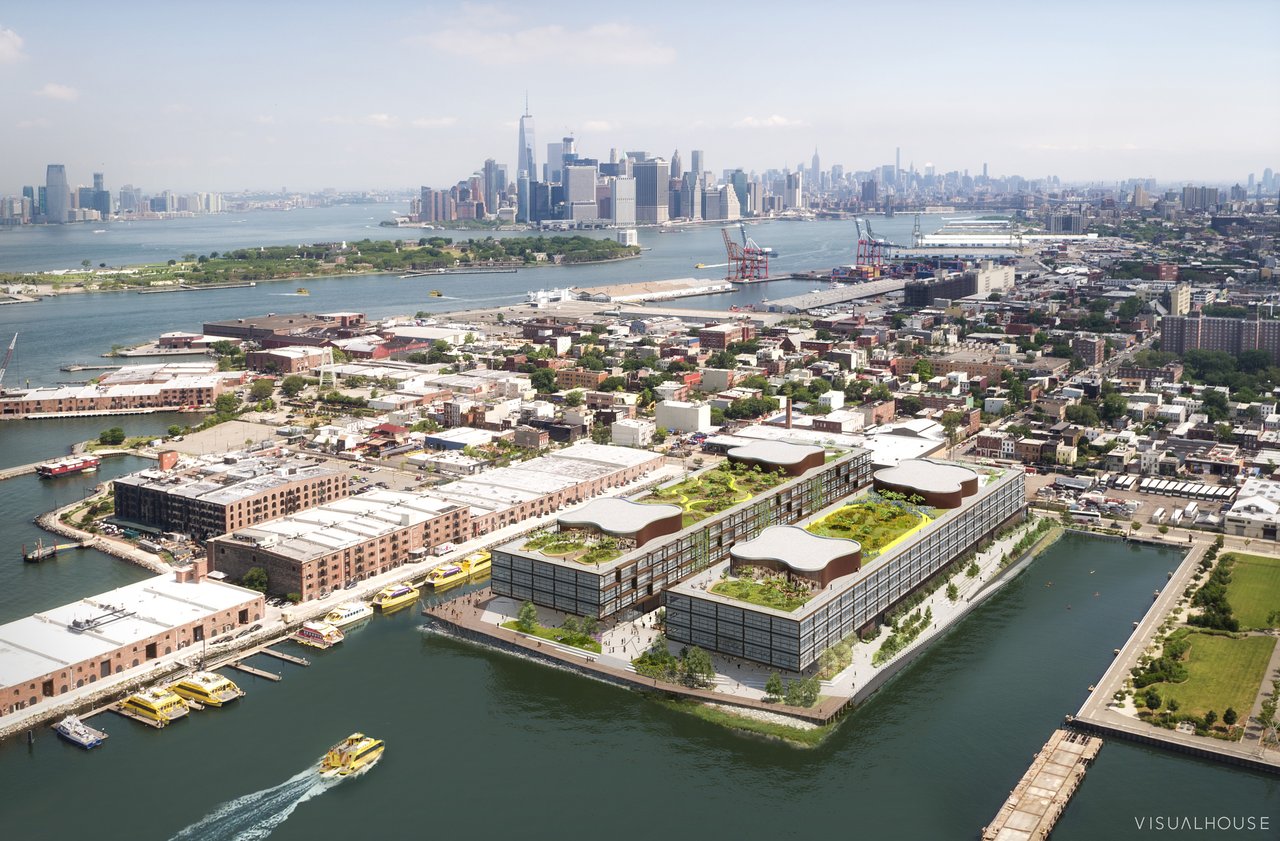
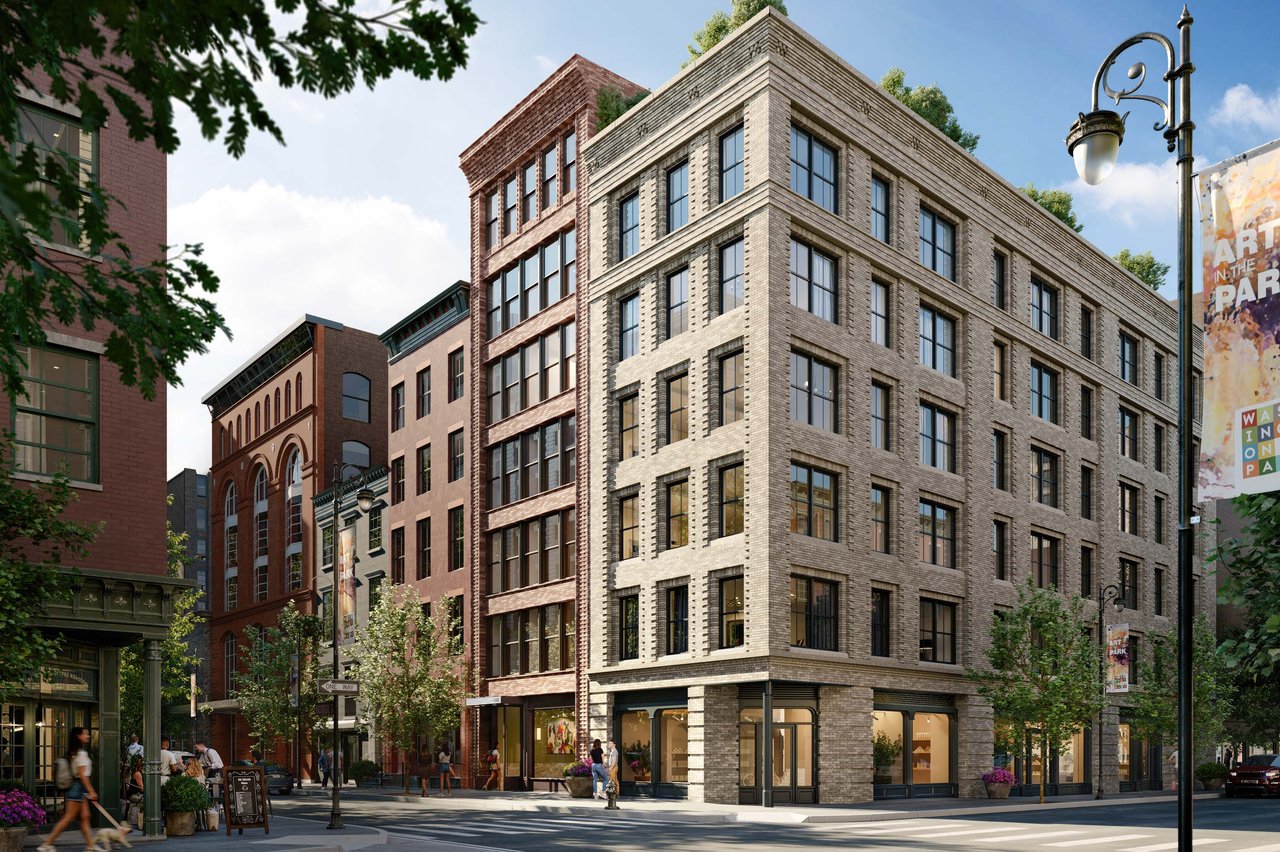
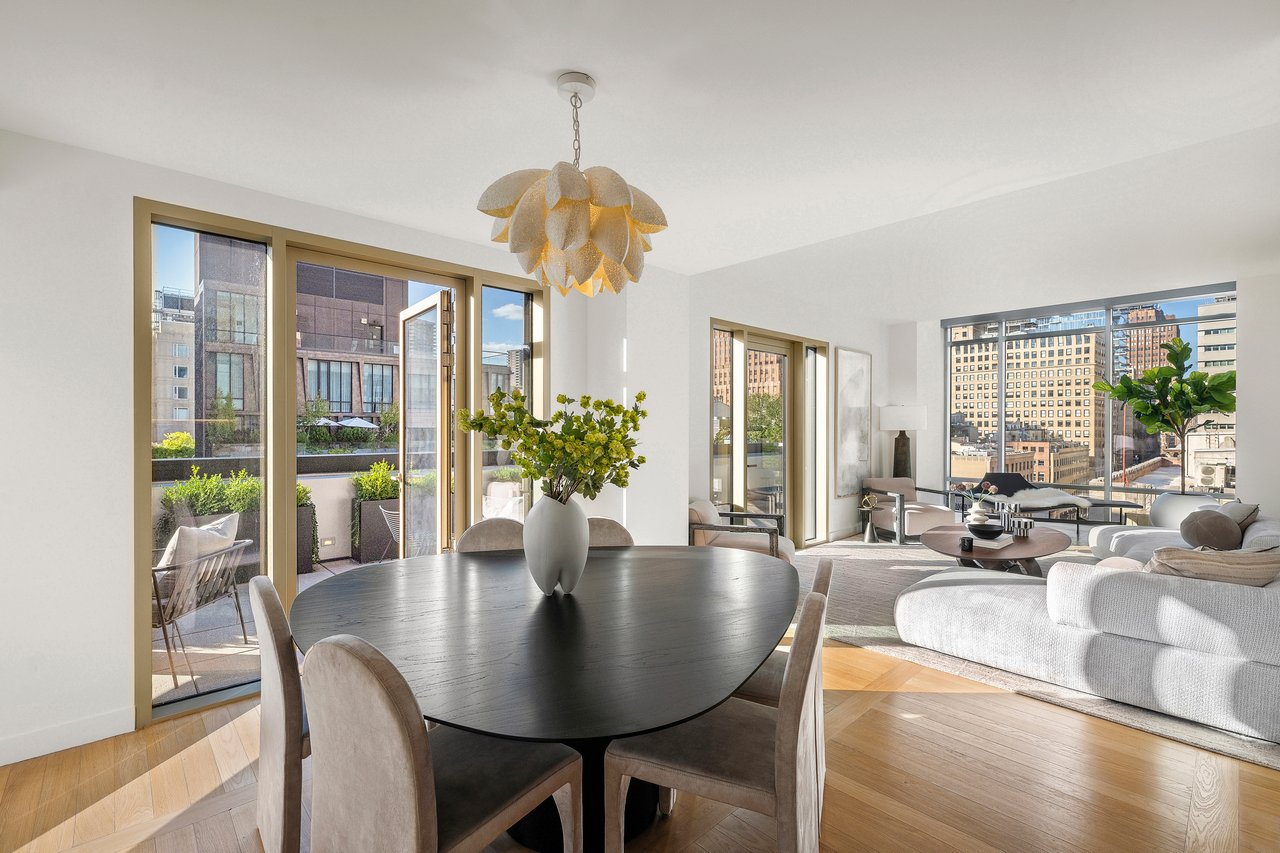
It depends on how much control you want versus how much you want to pay upfront. Condos cost 15–25% more than comparable co-ops but come with no board approval and easier resale. Townhouses cost the most overall but give you full ownership with zero shared decisions. Co-ops are the most affordable entry point — and make up roughly 70–75% of Manhattan's housing stock — but come with board approval and the strictest rules.
What's the Actual Difference Between a Condo, Co-op, and Townhouse?
Manhattan buyers usually think this is a two-way choice — condo or co-op — but there are really three structures on the table, and each one changes what you legally own.
- Condo: You receive a deed to your unit plus an undivided interest in the building's common areas. It's true real property, which is why condos allow easier financing, LLC purchases, and subletting.
- Co-op: You're not buying real estate — you're buying shares in the corporation that owns the building, plus a proprietary lease for your unit. The board approves every buyer, every sublet, and often every renovation.
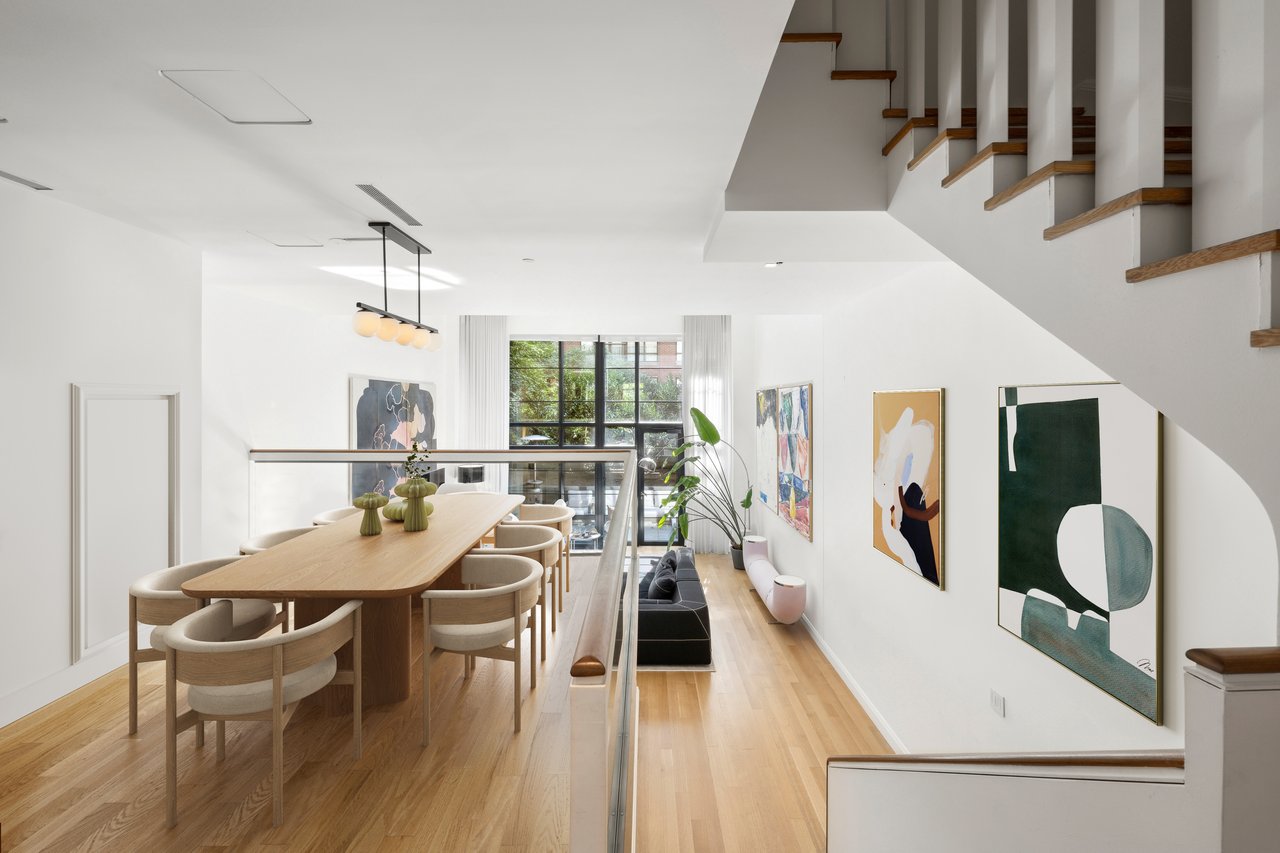
- Townhouse: You own the building and the land it sits on outright, like a single-family home. No board, no HOA in most cases, no shared walls with strangers deciding your building's rules — but also no doorman, no super, and no one else covering the boiler when it breaks.
Manhattan's housing stock skews heavily co-op — roughly 70–75% of the borough's for-sale apartments, versus about 20–25% condo and the remaining 5% townhouses and condops. That imbalance is exactly why co-ops trade at a discount: there's simply more supply, and a smaller pool of buyers willing to sit through board approval.
How Much More Expensive Is a Condo Than a Co-op?
Condos run 15–25% higher than a comparable co-op unit, largely because condo ownership comes with fewer restrictions — no board approval, easier subletting, and financing that works for LLCs, foreign buyers, and pied-à-terre purchases. In Q1 2026, that gap shows up clearly in the data: the Manhattan condo median sat at $1,750,000 while the co-op median held flat at $850,000.
There's a second cost most buyers miss: New York's mortgage recording tax adds 1.925% on any mortgage over $500,000, and it applies to condos and townhouses (real property) but not co-ops (which are personal property). On a $600,000 mortgage, that's an extra $11,550 due at closing — a co-op buyer with the same loan amount never pays it.
What Does a Townhouse Actually Cost in Manhattan?
Significantly more than either a condo or a co-op, and the market backs that up. In Central Harlem, single-family townhouses are trading in the $1.8 million to $3.0 million range. Further downtown, the West Village and Greenwich Village townhouse market saw real momentum in Q1 2026, including a signed contract at 16 Fifth Avenue for $45 million — confirming that demand at the top of the townhouse market hasn't softened at all.
Beyond the purchase price, townhouse ownership means every recurring cost — heating, roof, façade, sidewalk repairs, snow removal — comes out of your pocket with no building staff or reserve fund to share it. In exchange, you get lower relative property taxes than a comparable condo or co-op, full renovation freedom (outside landmark district rules), and the ability to Airbnb your property, since single-family homes are exempt from NYC's short-term rental restrictions that apply to condos and co-ops.
Monthly Carrying Costs: Co-op Maintenance vs. Condo Common Charges vs. Townhouse Upkeep
This is where the "cheaper on paper" property type can flip. Co-op maintenance fees run roughly $600 a month in older outer-borough buildings up to $2,000+ a month in premium Manhattan buildings — and that number climbs fast in buildings carrying a large underlying mortgage. Condo common charges tend to be lower per square foot but stack on top of separate property tax bills, since condo owners pay real estate tax directly rather than through a building-wide assessment. Townhouse owners pay no monthly fee to anyone else, but they're also the ones paying for the boiler, the roof, and the sidewalk violation — with no reserve fund cushioning a surprise repair.
If you're comparing specific numbers for a property you're considering, our closing costs guide breaks down exactly how mortgage recording tax, mansion tax, and monthly carrying costs differ by property type, so you can compare true total cost, not just the sale price.
Which Type Sells Faster — and Which Appreciates More?
Condos move fastest, typically closing within 60–90 days from offer to keys, thanks to a broader buyer pool of investors and international buyers who don't want board scrutiny. Co-ops average 110+ days on market, a direct result of the board approval bottleneck narrowing the buyer pool. Townhouses vary the most — a well-located brownstone in the West Village or Harlem can move quickly, while outer-neighborhood townhouses sit longer.
On appreciation, houses have historically outperformed on a percentage basis, driven by land scarcity, with condos close behind on the strength of new development pricing, while co-ops have appreciated more slowly due to their more restricted buyer pool. If long-term appreciation matters as much as monthly affordability, that trade-off is worth discussing directly — our neighborhoods guide breaks down which Manhattan submarkets are seeing the strongest price growth by property type right now.
Should You Buy a Condo, Townhouse, or Co-op — Based on Your Situation?
- Want the lowest possible price of entry and plan to stay long-term? A co-op stretches your budget furthest, especially in neighborhoods like the Upper West Side or Washington Heights, where co-ops still clear well below condo pricing for comparable space.
- Need flexibility to sublet, buy through an LLC, or travel frequently? A condo removes the board friction entirely — new development buildings like 400 East 84th Street on the Upper East Side offer one-bedrooms from roughly $1.1 million with condo flexibility built in.
- Want zero shared decisions and don't mind hands-on ownership? A townhouse is the only structure with no board and no co-owners, but budget for six-figure purchase premiums and every repair landing on you directly.
Frequently Asked Questions
- Is it cheaper to buy a co-op or a condo in NYC? Co-ops are cheaper upfront — typically 15–25% less than a comparable condo — because they come with board approval requirements, sublet restrictions, and personal-property (not deed) ownership that narrows the buyer pool.
- How much does a townhouse cost in Manhattan? It varies widely by neighborhood. Central Harlem single-family townhouses run $1.8 million to $3.0 million, while prime West Village and Greenwich Village townhouses can trade well above $20 million — a recent signed contract at 16 Fifth Avenue closed at $45 million.
- Do I need 20% down for a co-op in NYC? Most Manhattan co-op boards require at least 20% down, and some buildings set stricter thresholds. Condos are more flexible and can allow as little as 10% down depending on the lender and building.
- Can I rent out my condo in Manhattan? Generally yes, with fewer restrictions than a co-op. Condos typically allow subletting with minimal building approval, while co-op boards often cap the number of years you can sublet or require board sign-off each time.
- What's the difference between a townhouse and a brownstone? They're often used interchangeably, but technically a brownstone refers to the brown sandstone façade material, while townhouse describes the building type — a multi-story, single-family home built close to the street. All brownstones are townhouses; not all townhouses are brownstones.
Not sure which property type fits your budget and lifestyle? Contact Elena Ash, licensed real estate agent with Compass, to walk through the real numbers for your situation. Read more about Elena's background and approach.