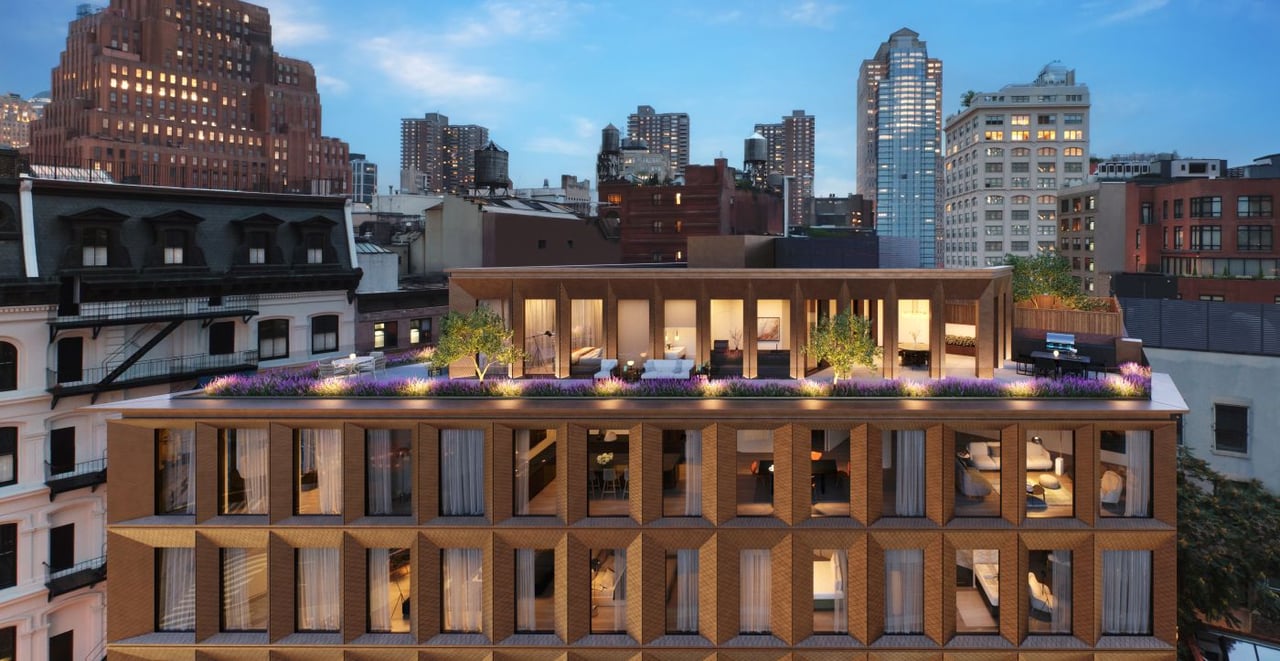
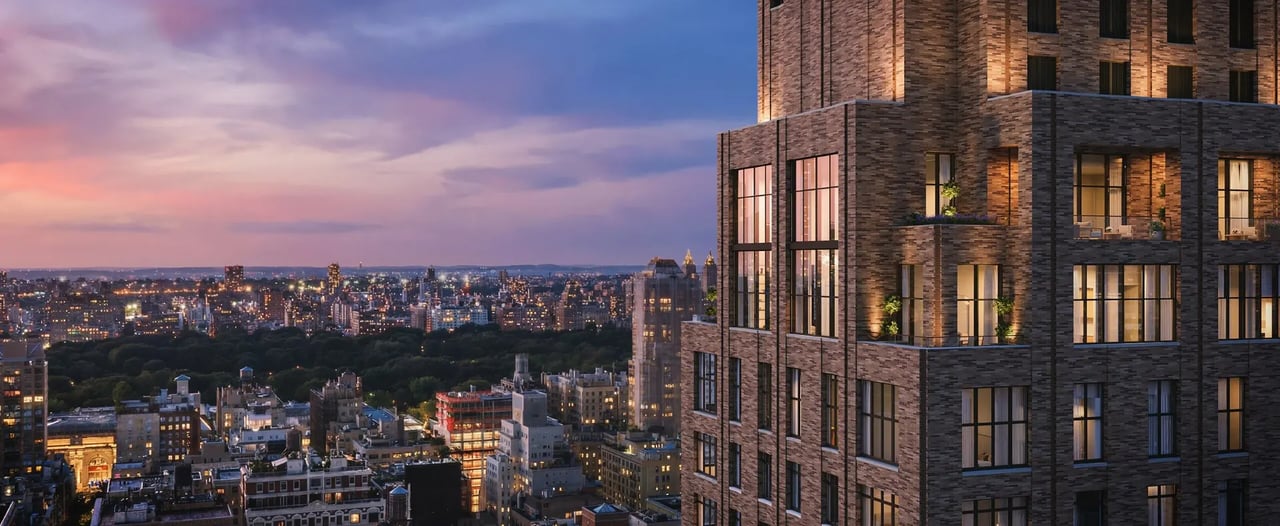
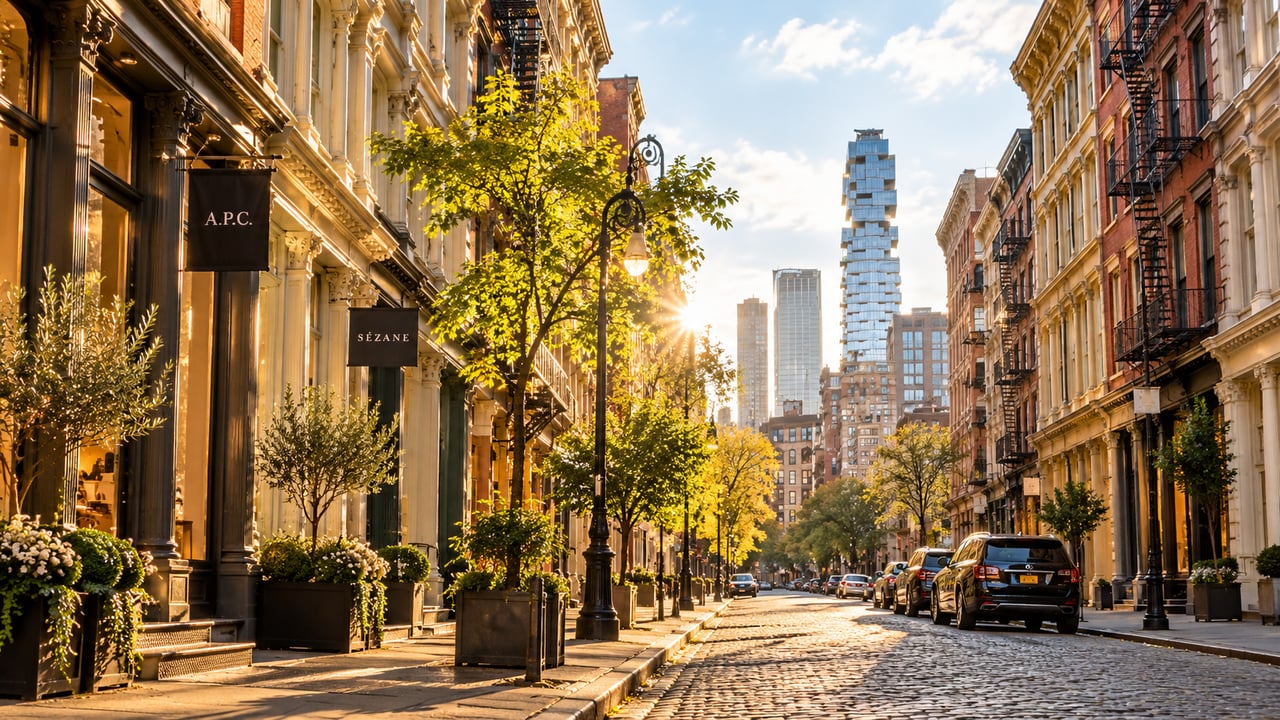
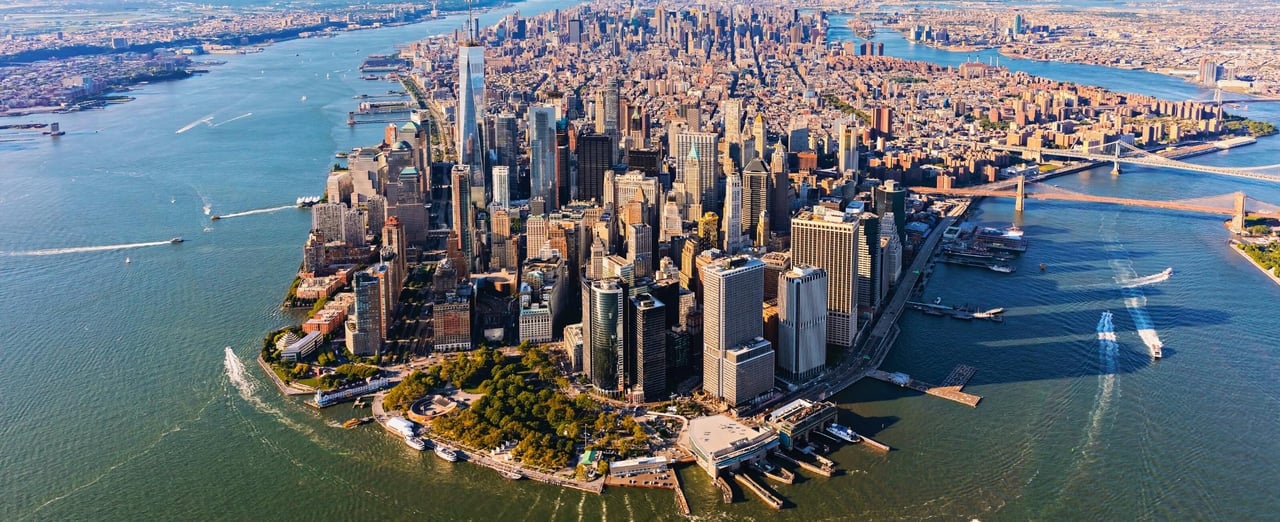
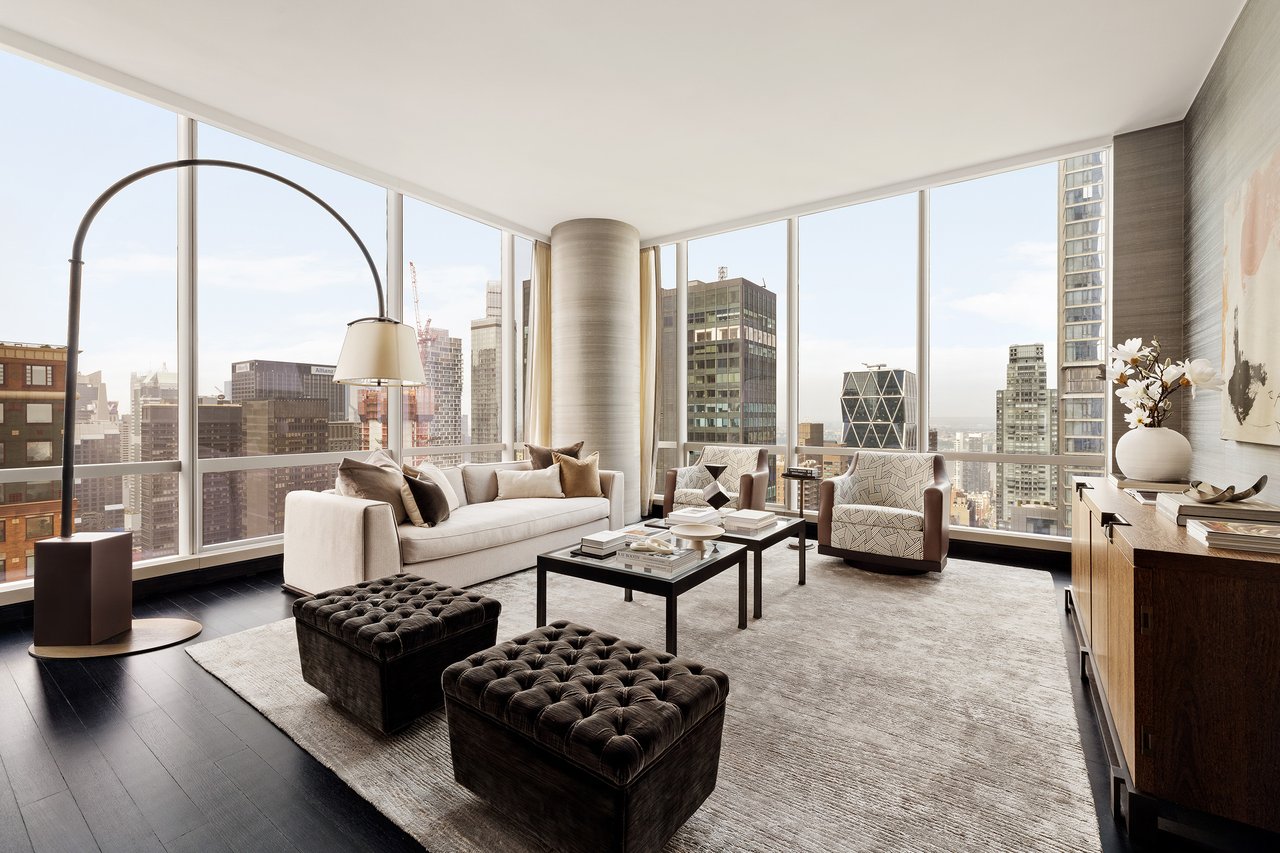
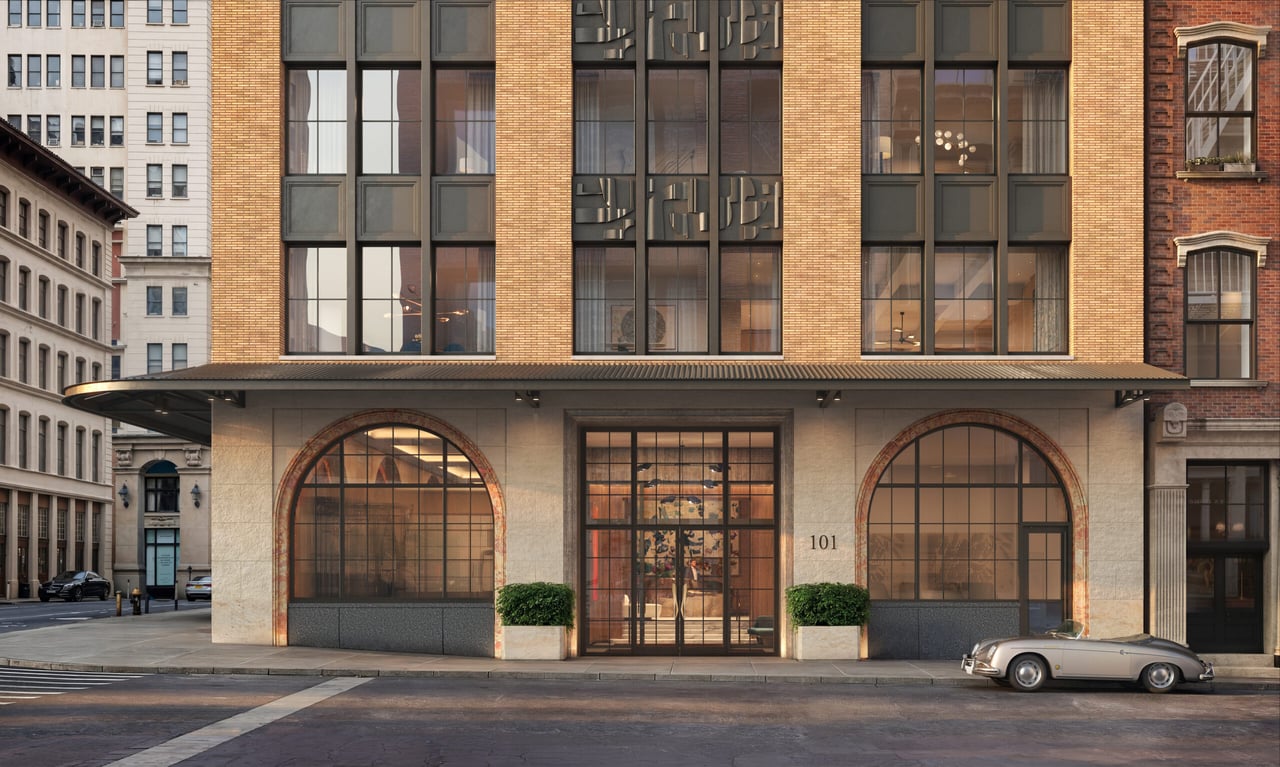
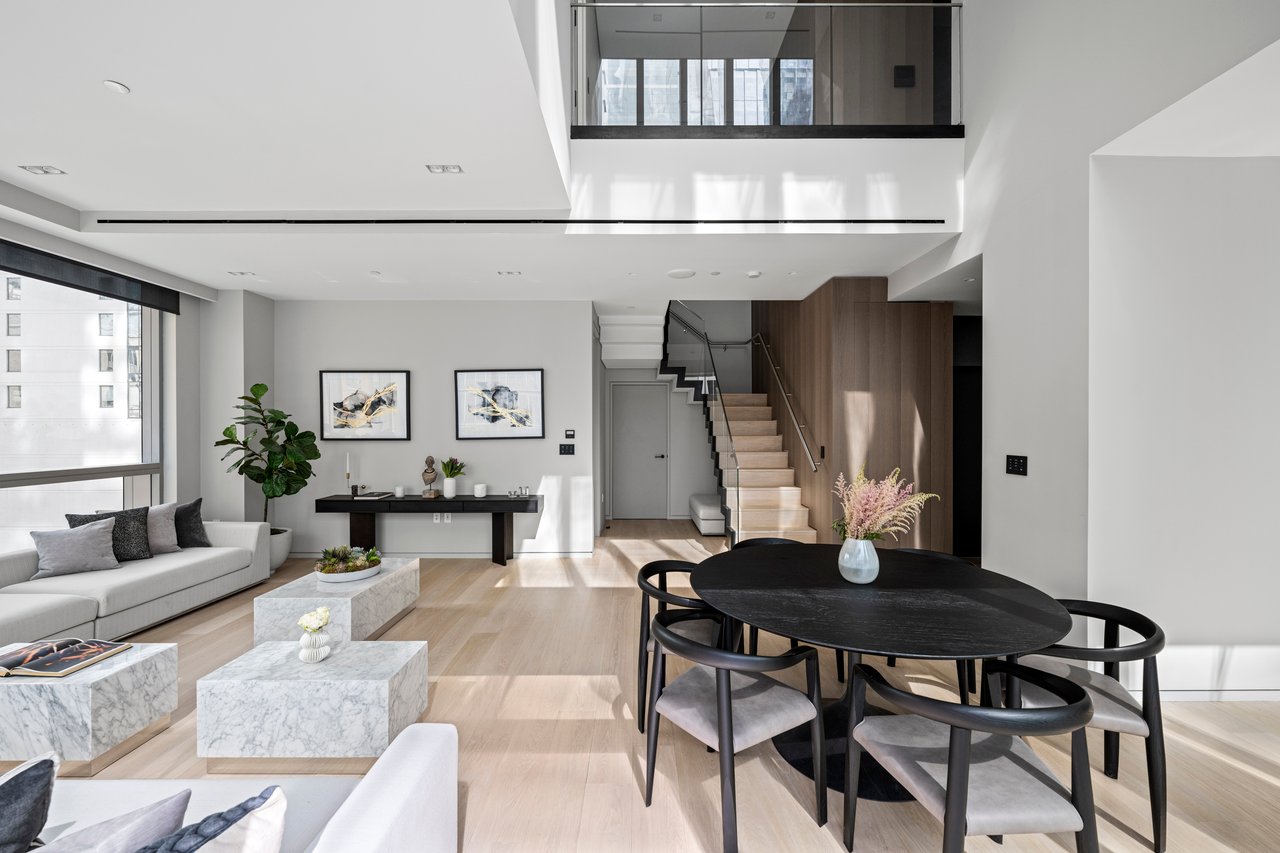
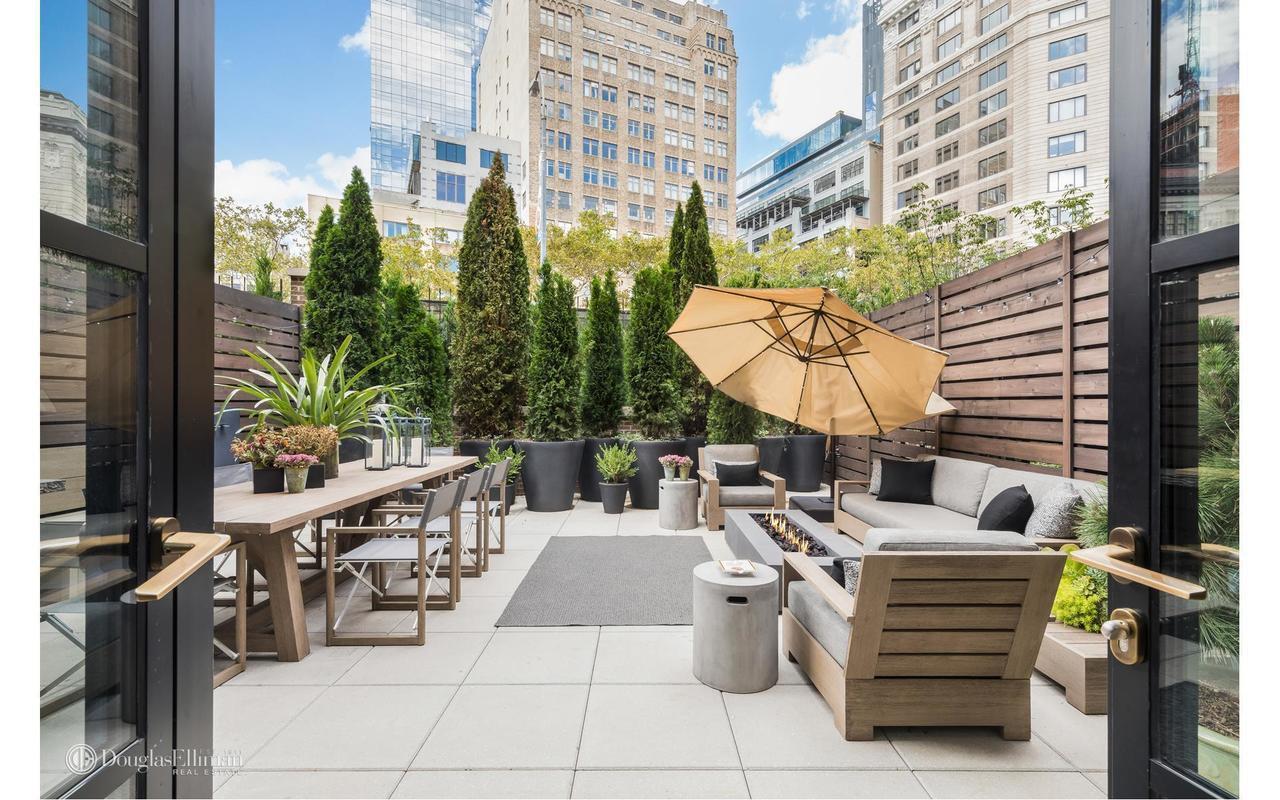
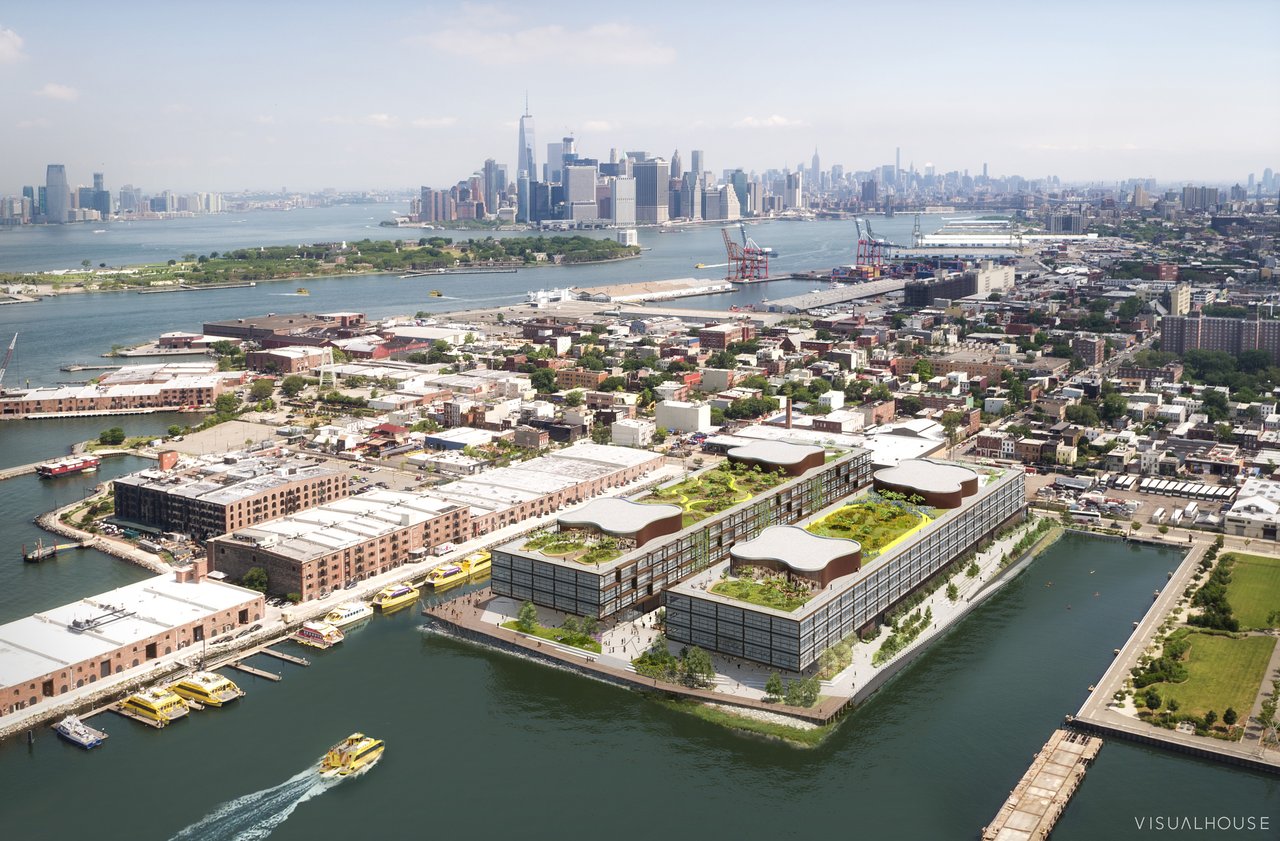
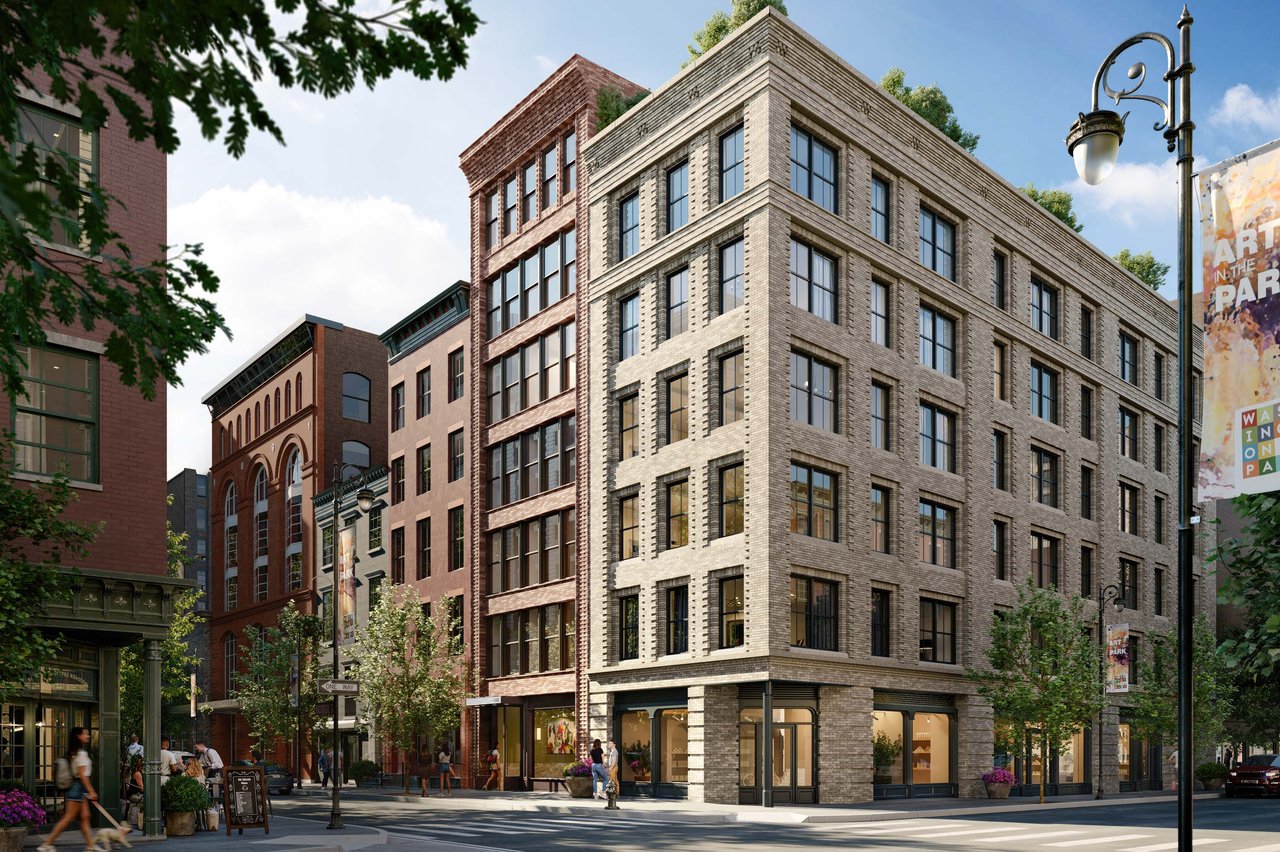
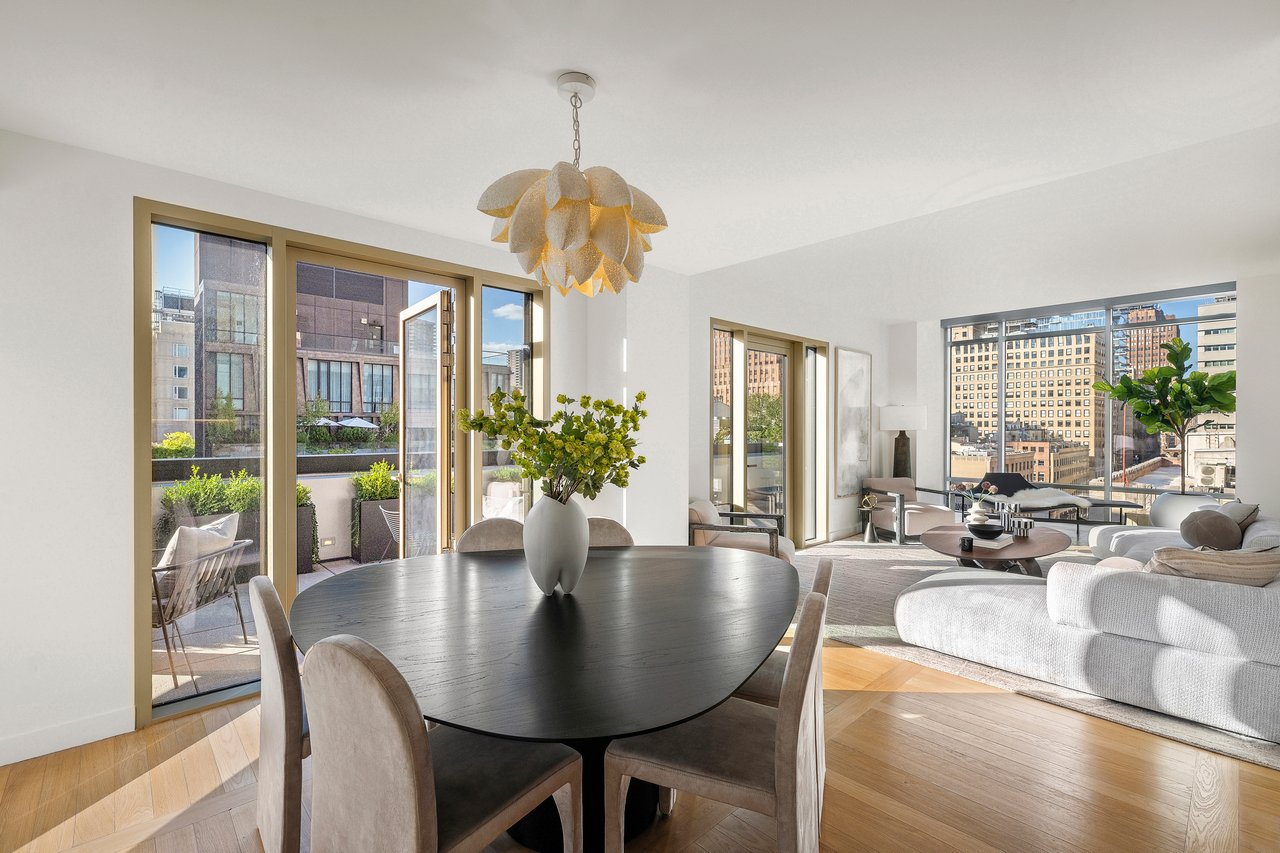
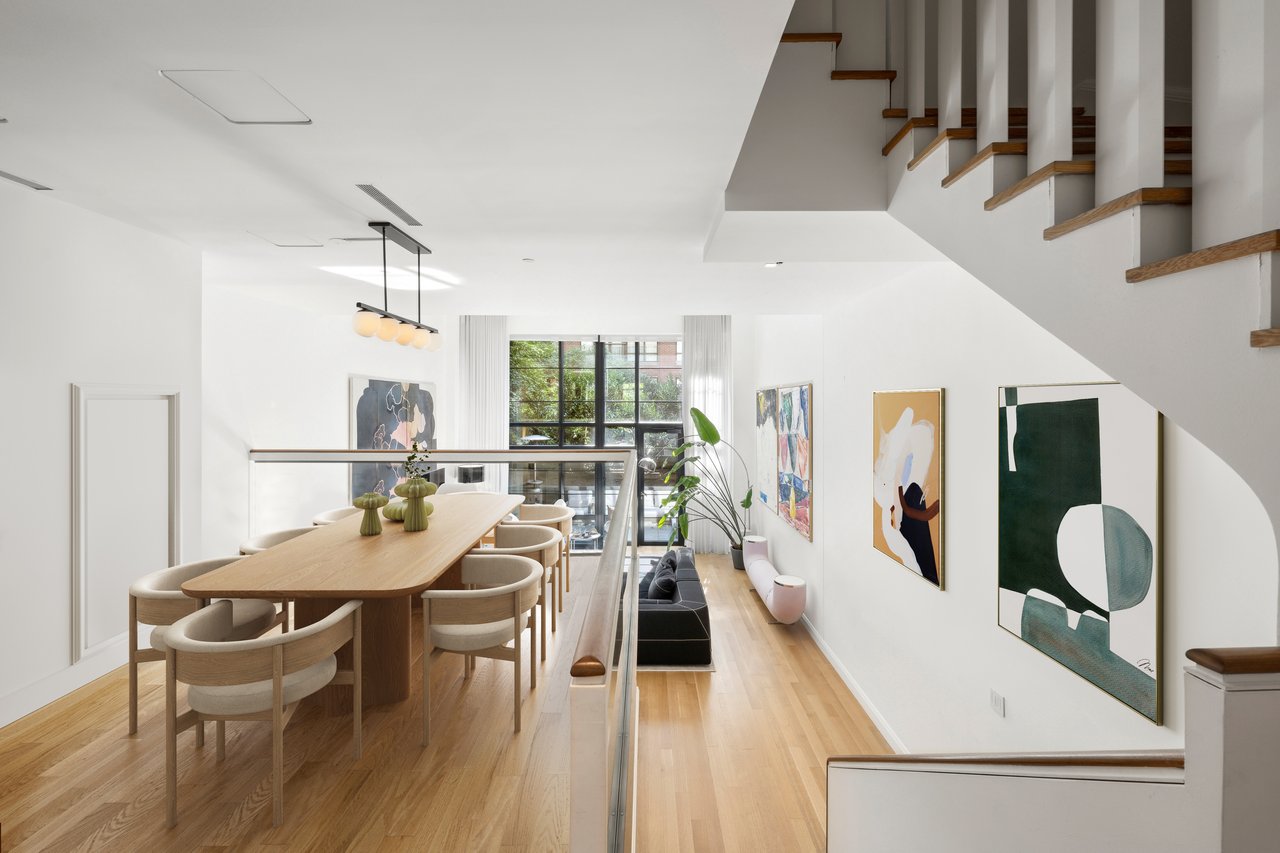
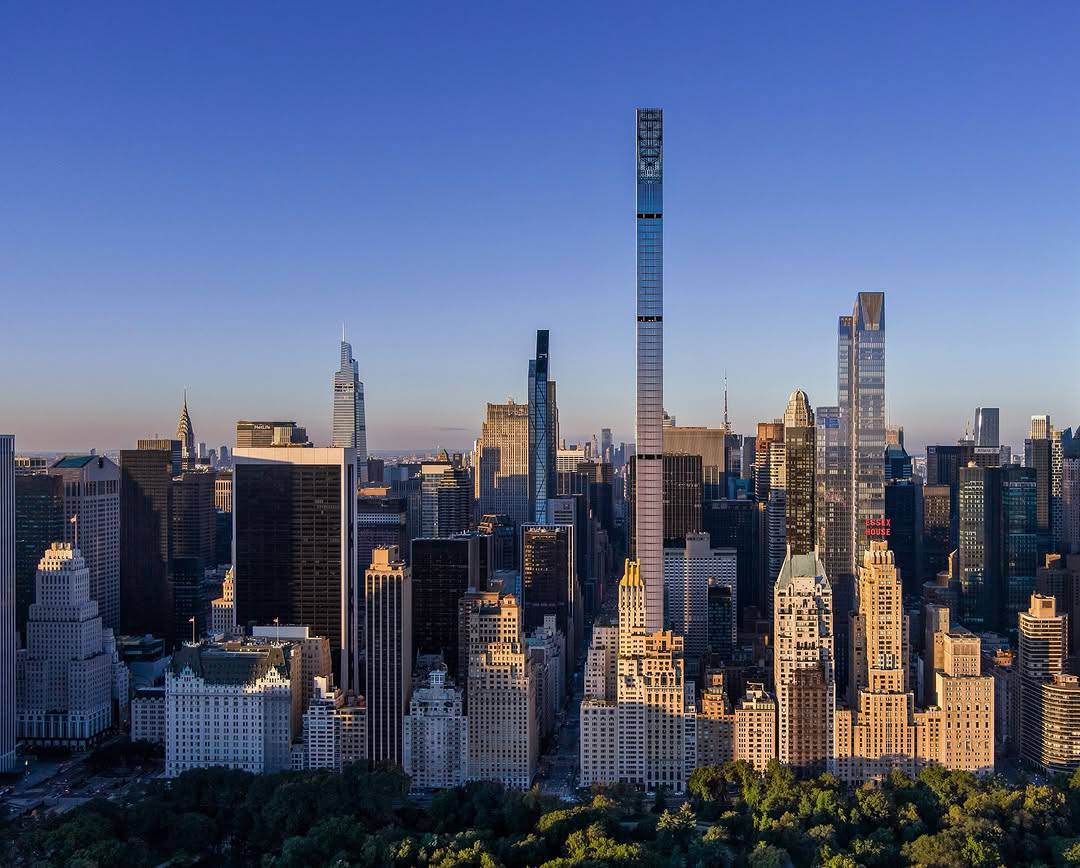
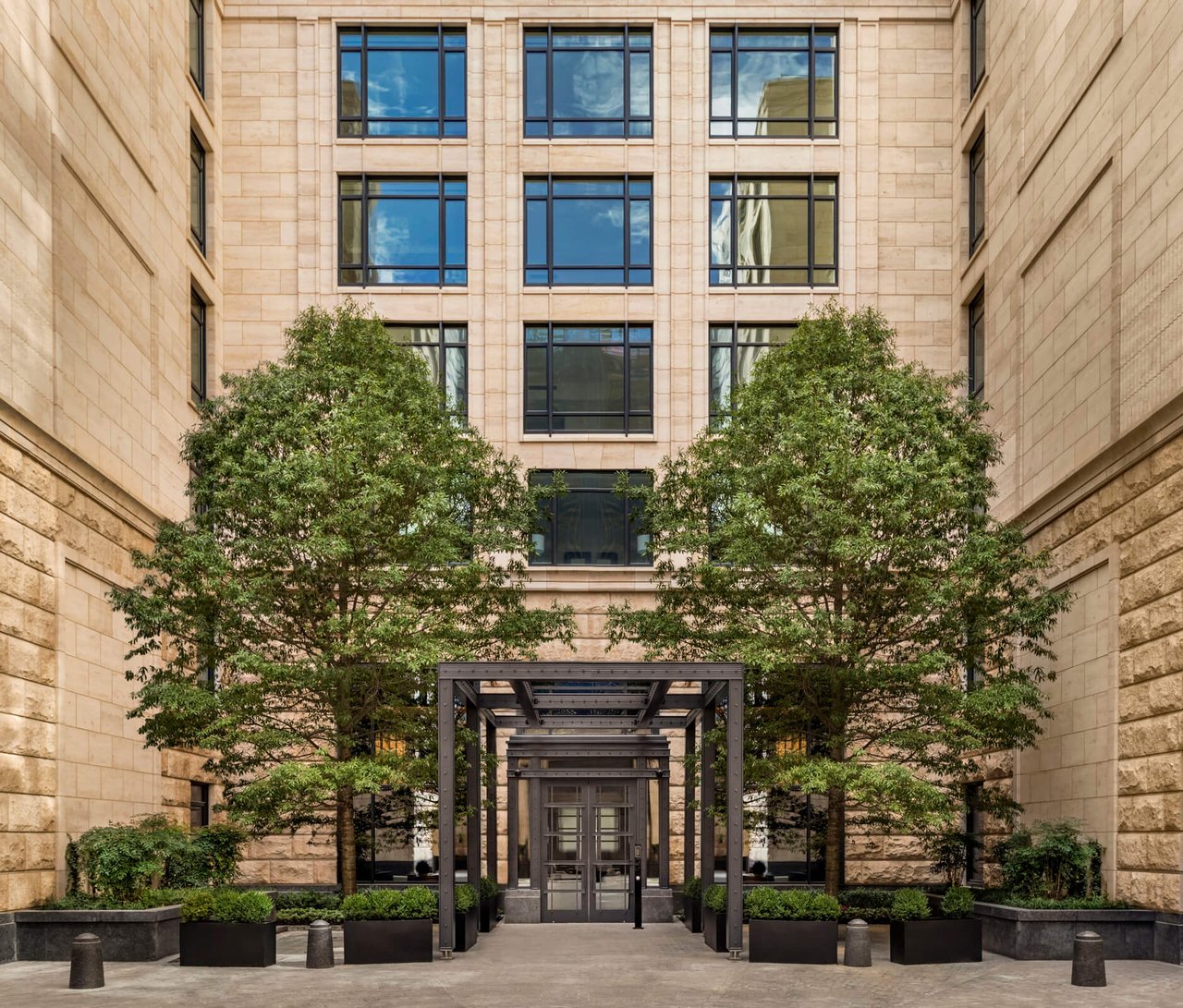
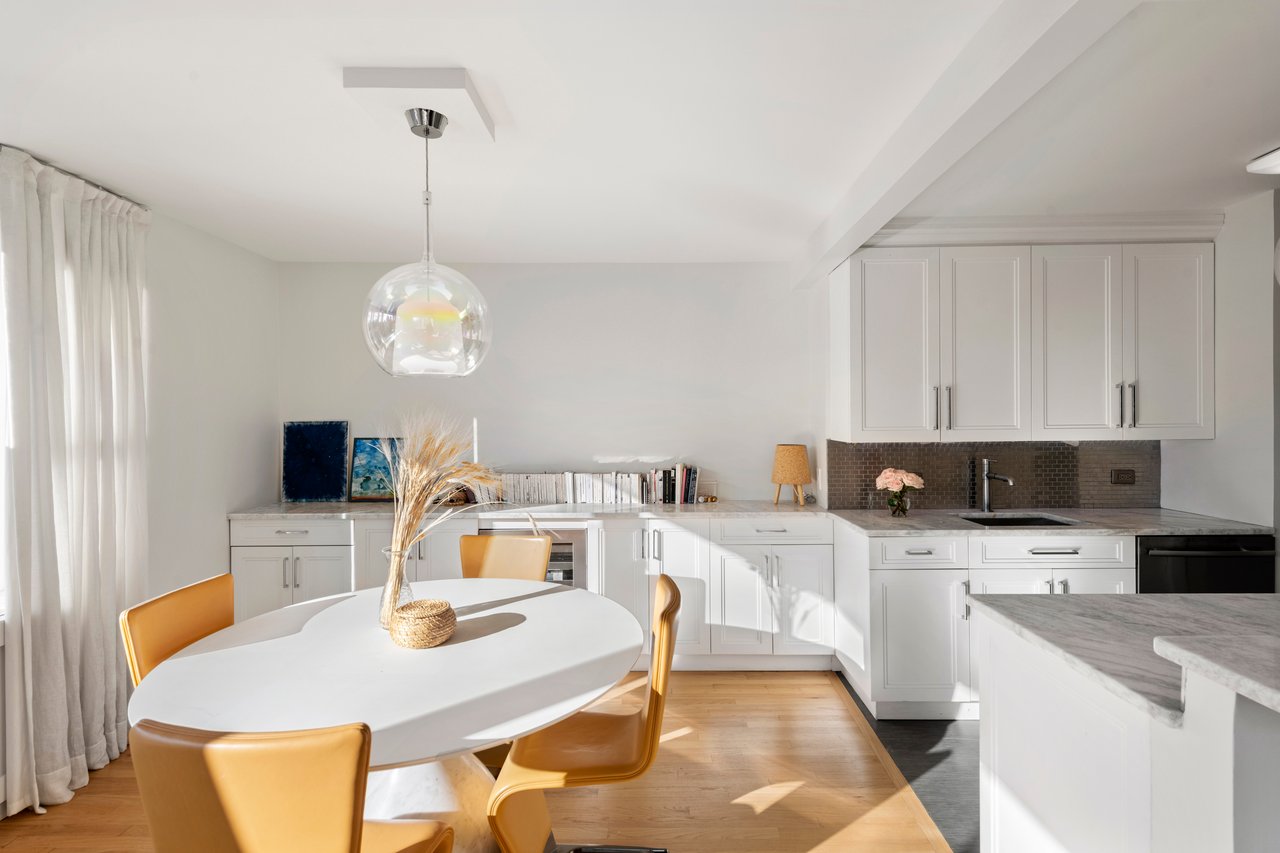
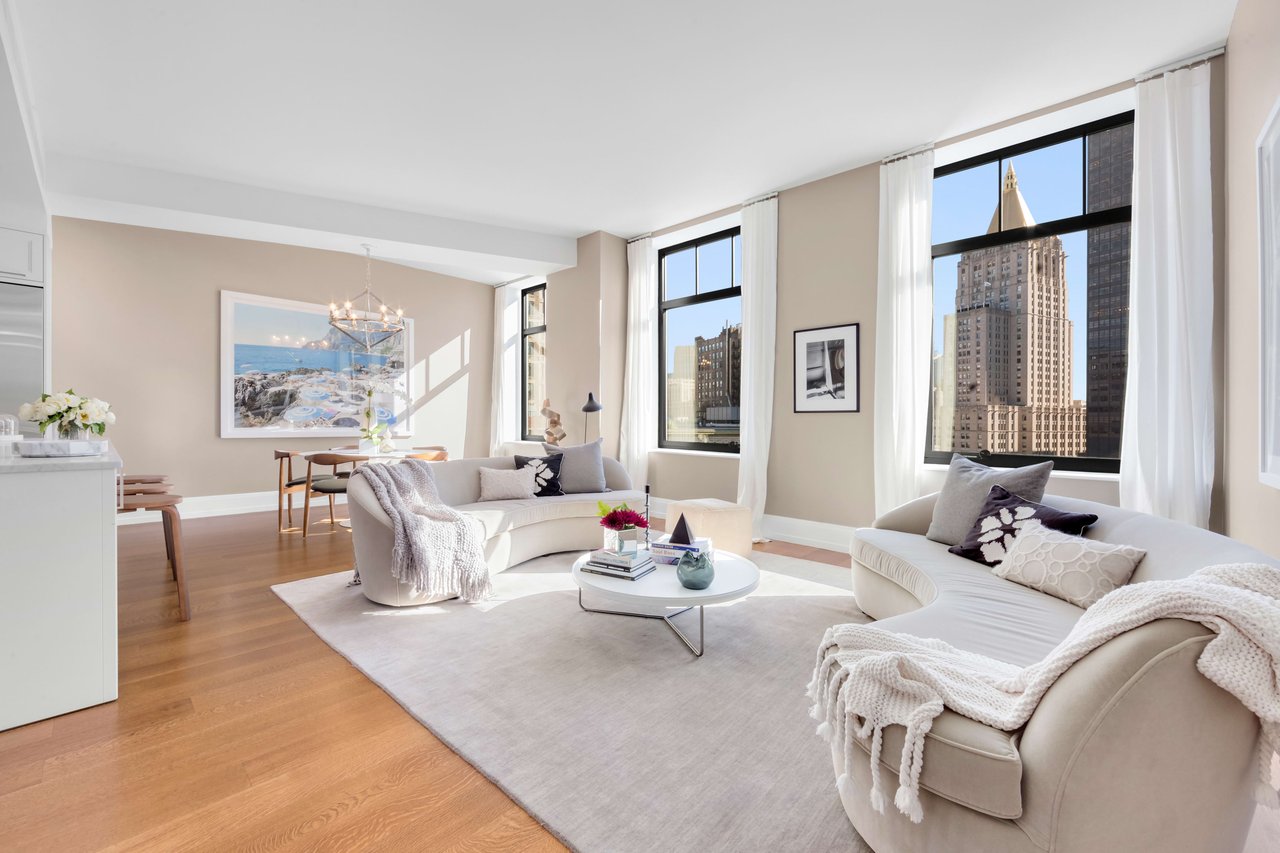
The Financial District, Hudson Yards, West Village, Tribeca, and the Upper East Side lead Manhattan for investment in 2026 — but each wins on a different metric. FiDi delivers the strongest rental yield and price-to-value; Hudson Yards and West Chelsea are seeing the fastest new-development appreciation; West Village and Tribeca offer the most scarcity-driven long-term value; and the Upper East Side offers the steadiest, lowest-volatility returns. Which one is "best" depends entirely on whether you're optimizing for cash flow or capital appreciation.
What Actually Makes a Manhattan Neighborhood Good for Investment?
Two numbers matter most, and they don't always point to the same neighborhood: appreciation rate and rental yield. Manhattan real estate has appreciated an average of roughly 6% per year over the past 27 years, but that return is heavily leveraged when financed and comes with historically modest rental yields — often below 3%, since investors have traditionally bought Manhattan property for capital preservation and appreciation rather than cash flow. That's shifted somewhat recently: with median Manhattan rent reaching $4,695–$4,950 a month in early 2026 (luxury doorman rentals hitting a record $5,295) while purchase prices have stayed comparatively flat, rental yields have climbed to 3–4.5% for well-positioned properties — genuinely high by Manhattan's historical standard. Vacancy sits around 2.5%, among the lowest in the country, which supports both rent growth and low tenant turnover risk.
Financial District (FiDi): Best for Rental Yield and Price-to-Value
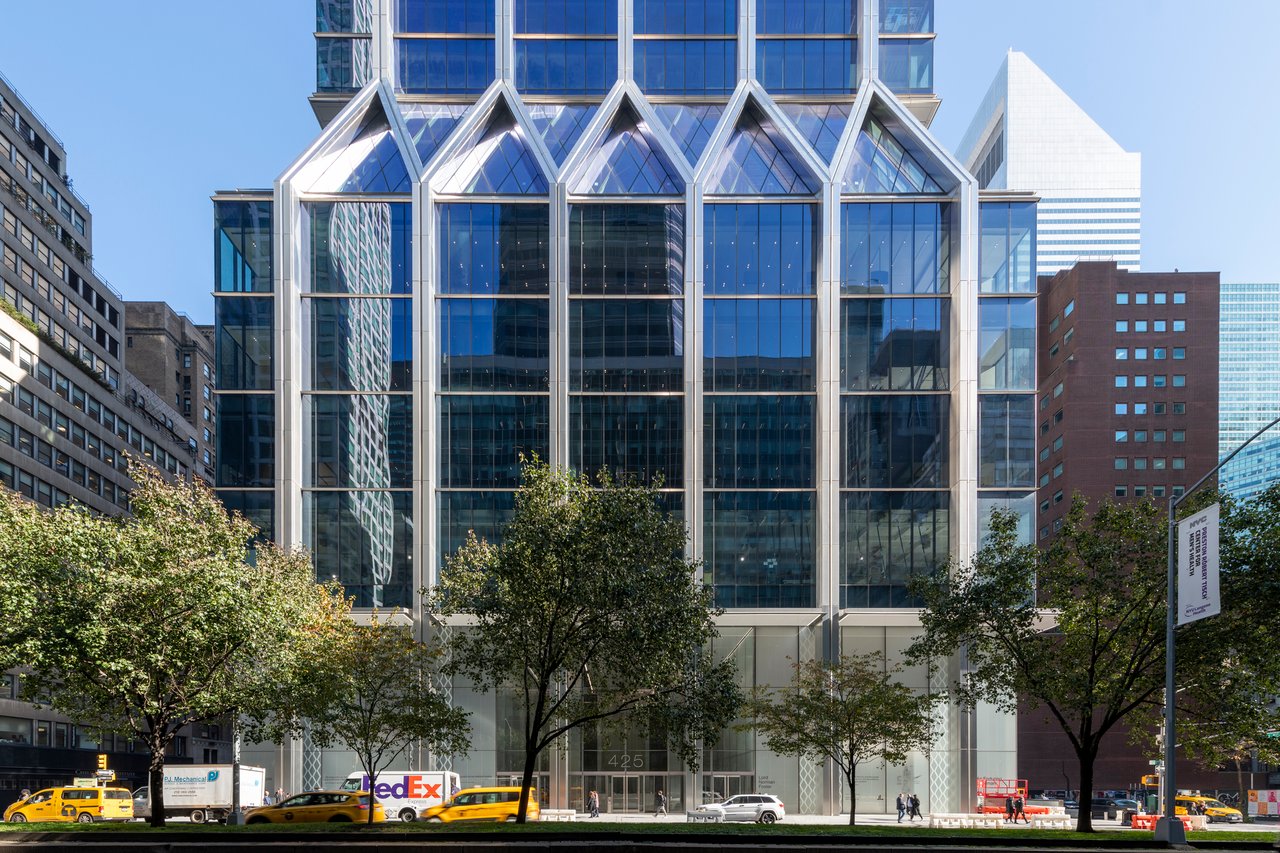
FiDi consistently ranks as Manhattan's best price-to-value entry point for investors, combining relatively lower per-square-foot pricing with strong, steady rental demand from young professionals working downtown. The neighborhood's modern condo stock (as opposed to the co-op-heavy inventory further uptown) also means fewer board-approval hurdles for investors, particularly those buying through an LLC or renting units out — a real advantage for anyone building a rental portfolio rather than buying a primary residence. FiDi's combination of yield and liquidity makes it the most straightforward "buy and rent" play in Manhattan.
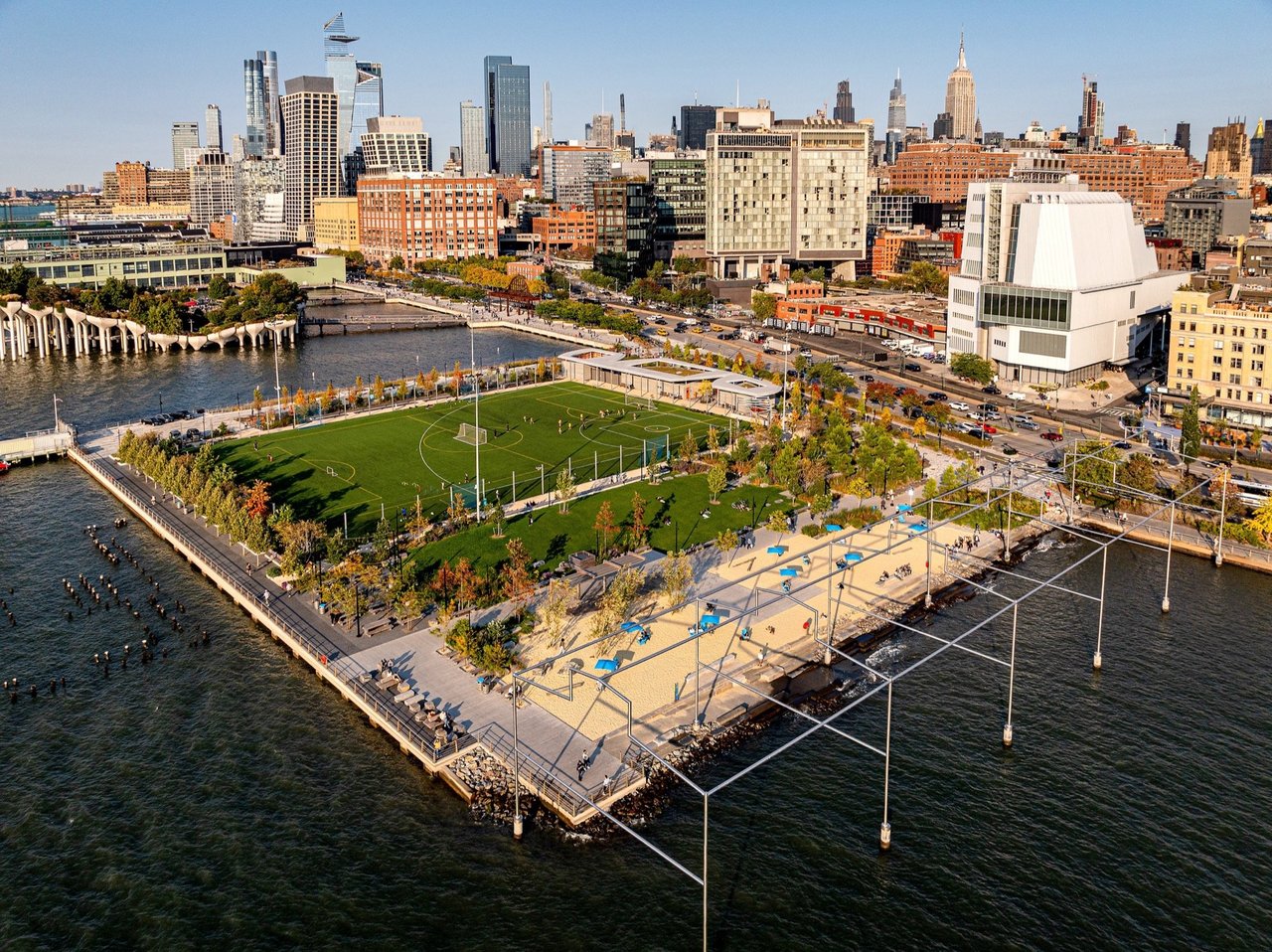
Hudson Yards, West Chelsea, and Midtown East: Best for New Development Appreciation
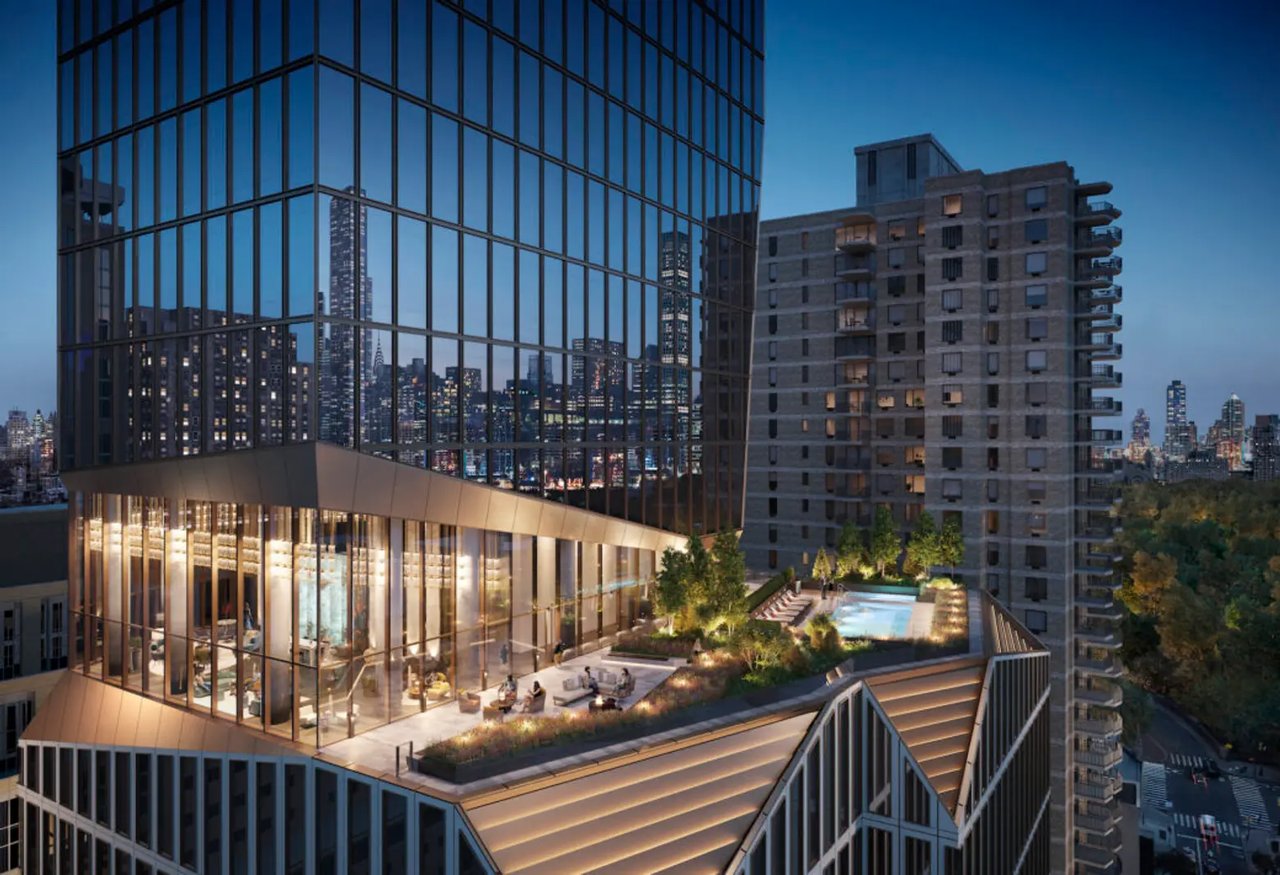
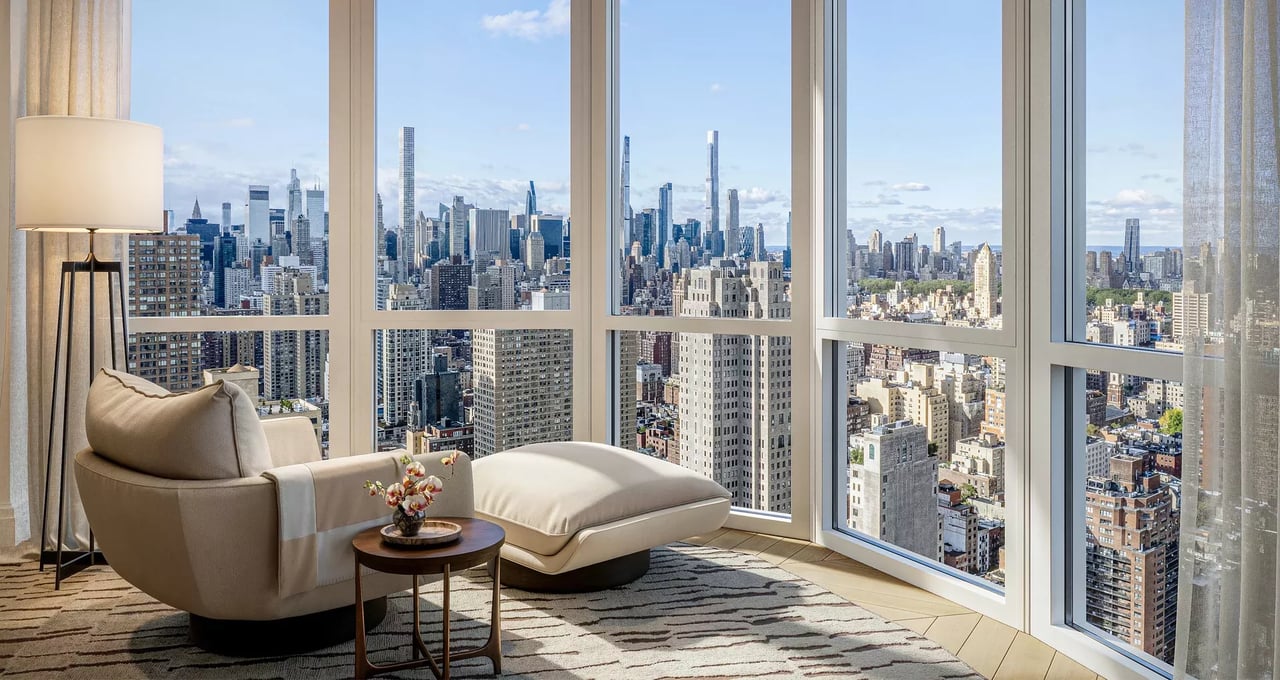
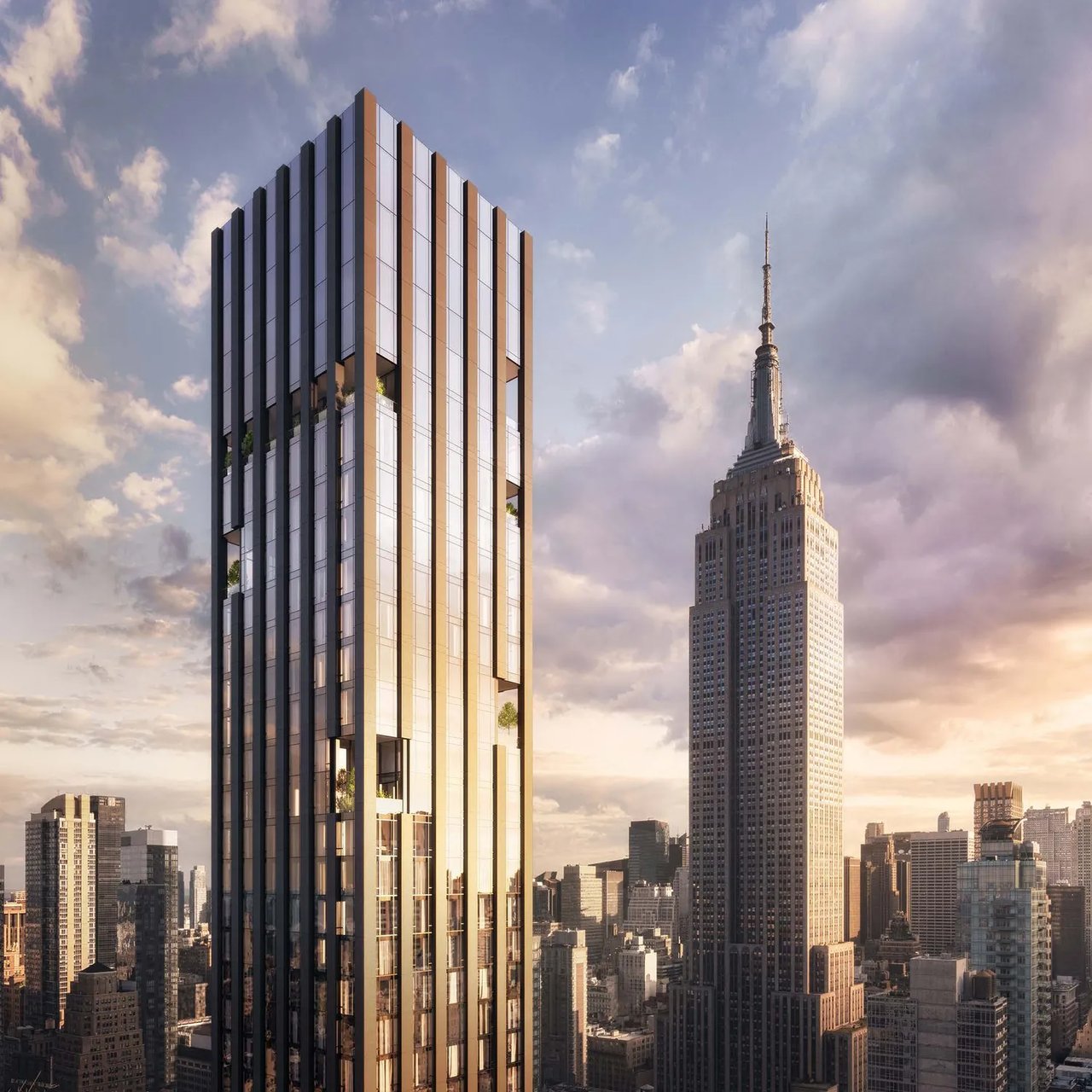
If capital appreciation is the priority, this corridor is currently outperforming the rest of Manhattan. Condos in Hudson Yards, West Chelsea, and the Midtown East new development pipeline are showing the strongest price appreciation in the borough, driven by continued corporate relocation to the area, the Hudson Yards retail and office ecosystem, and genuinely limited new supply relative to demand. The tradeoff: entry prices are high, and new development carries its own cost structure — sponsor closing costs typically run higher than a resale, which is worth factoring into your total return calculation. Our guide on buyer representation in new construction covers how to navigate that specifically as an investor rather than an owner-occupant.
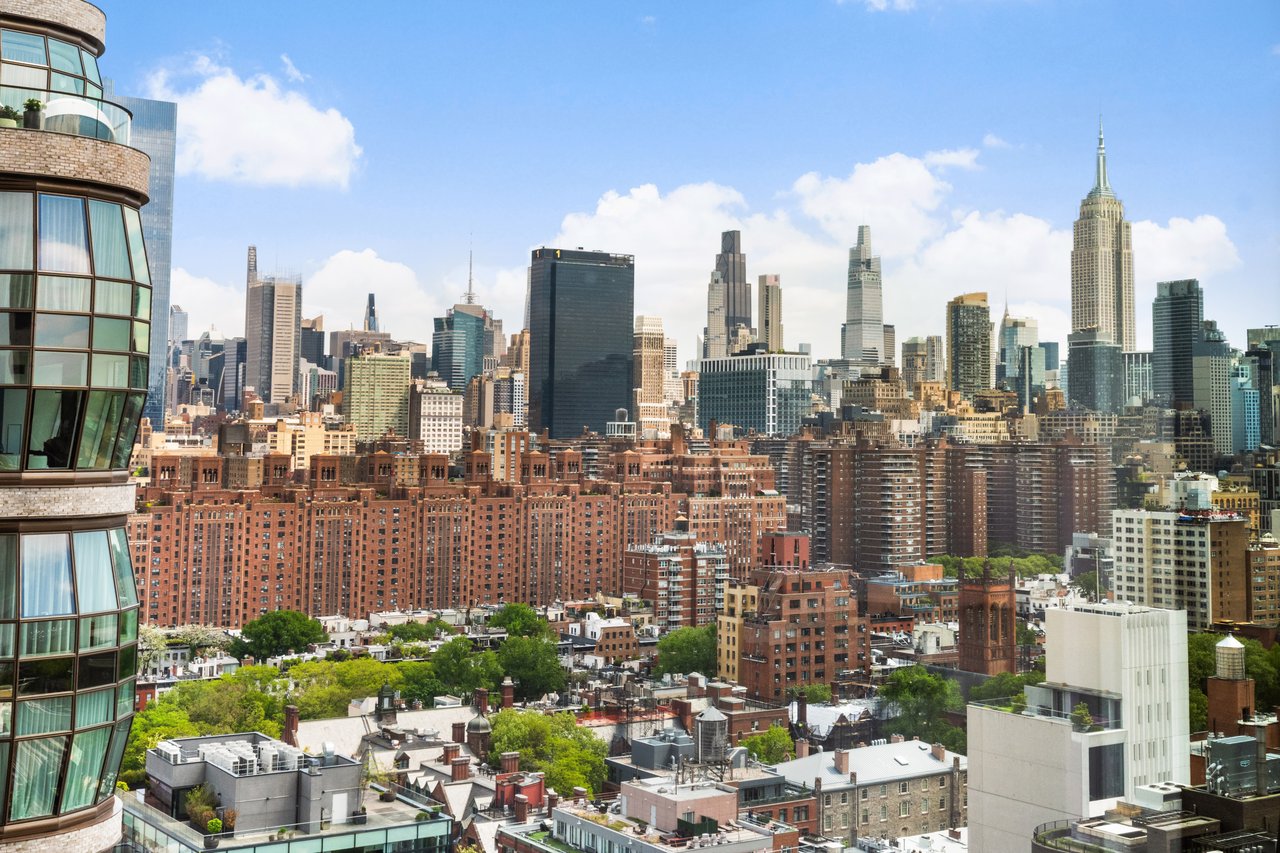
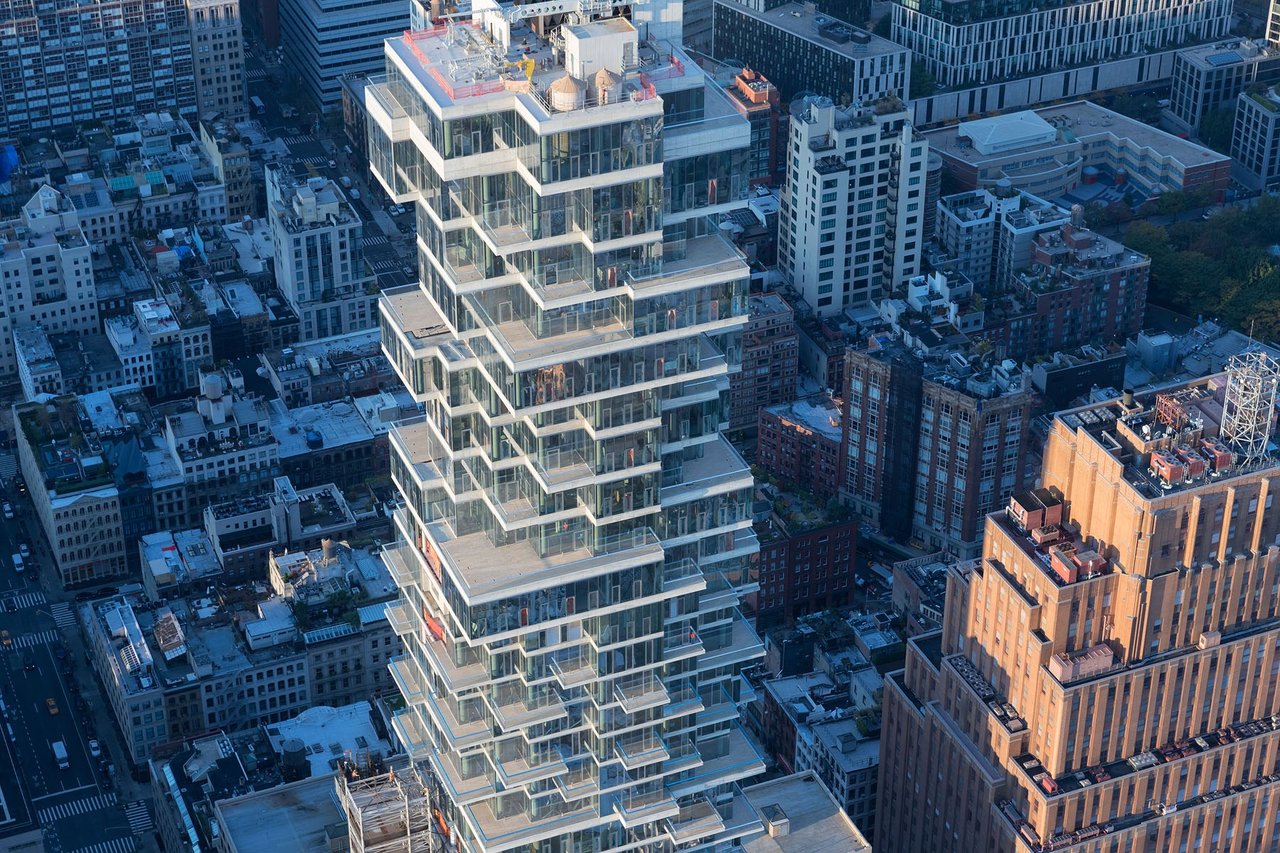
West Village and Tribeca: Best for Scarcity-Driven Long-Term Value
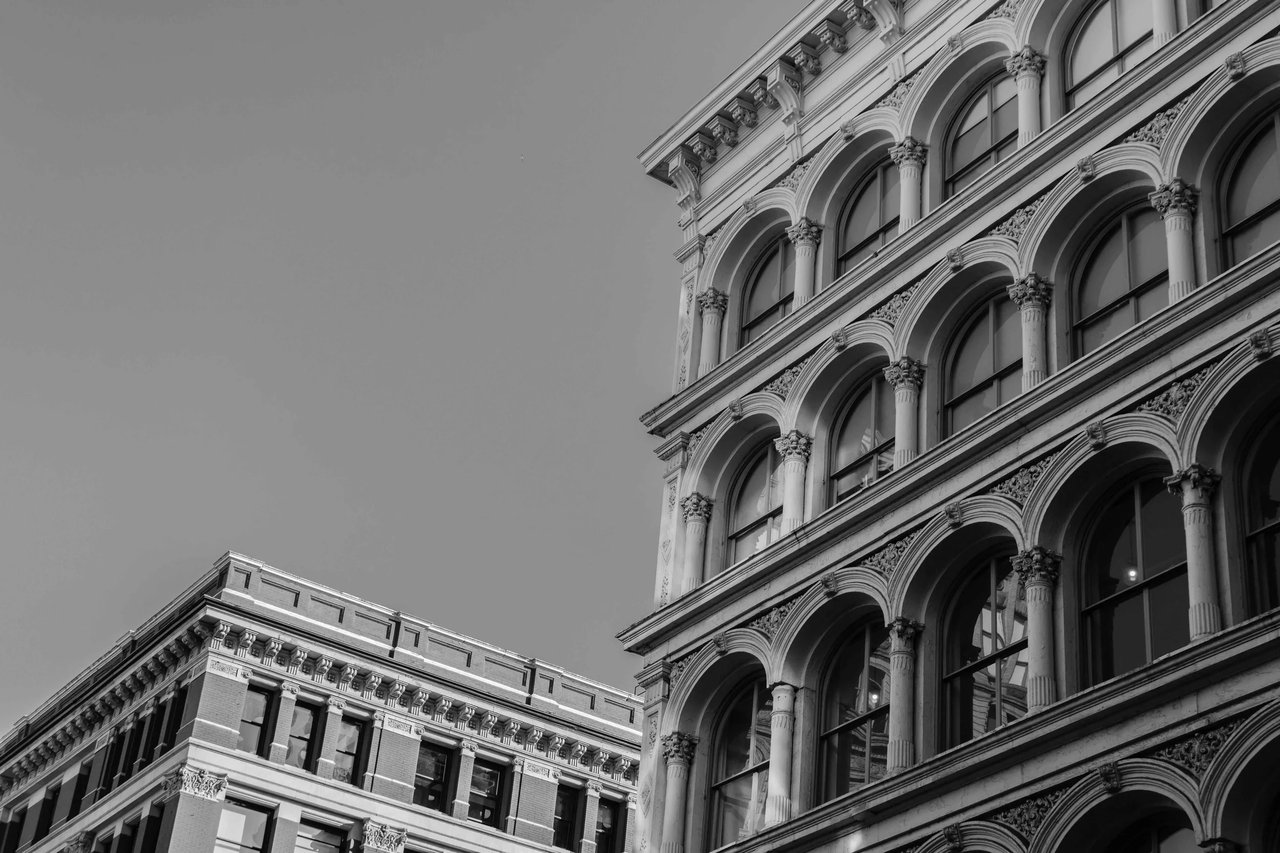
These two neighborhoods post some of Manhattan's most consistent price growth, and the reason is structural, not cyclical: both have extremely limited available land and near-total protection from new large-scale development due to historic district zoning. That scarcity means West Village and Tribeca inventory doesn't flood the market the way new-construction-heavy neighborhoods can, which has kept price appreciation steady even through periods when the broader market cooled. For investors thinking in 10-plus-year horizons rather than short-term yield, this combination of low supply and enduring demand is difficult to replicate anywhere else in Manhattan. Condo pricing in this segment is expected to continue appreciating 3–5% annually, even as co-op pricing in less land-constrained neighborhoods stabilizes.
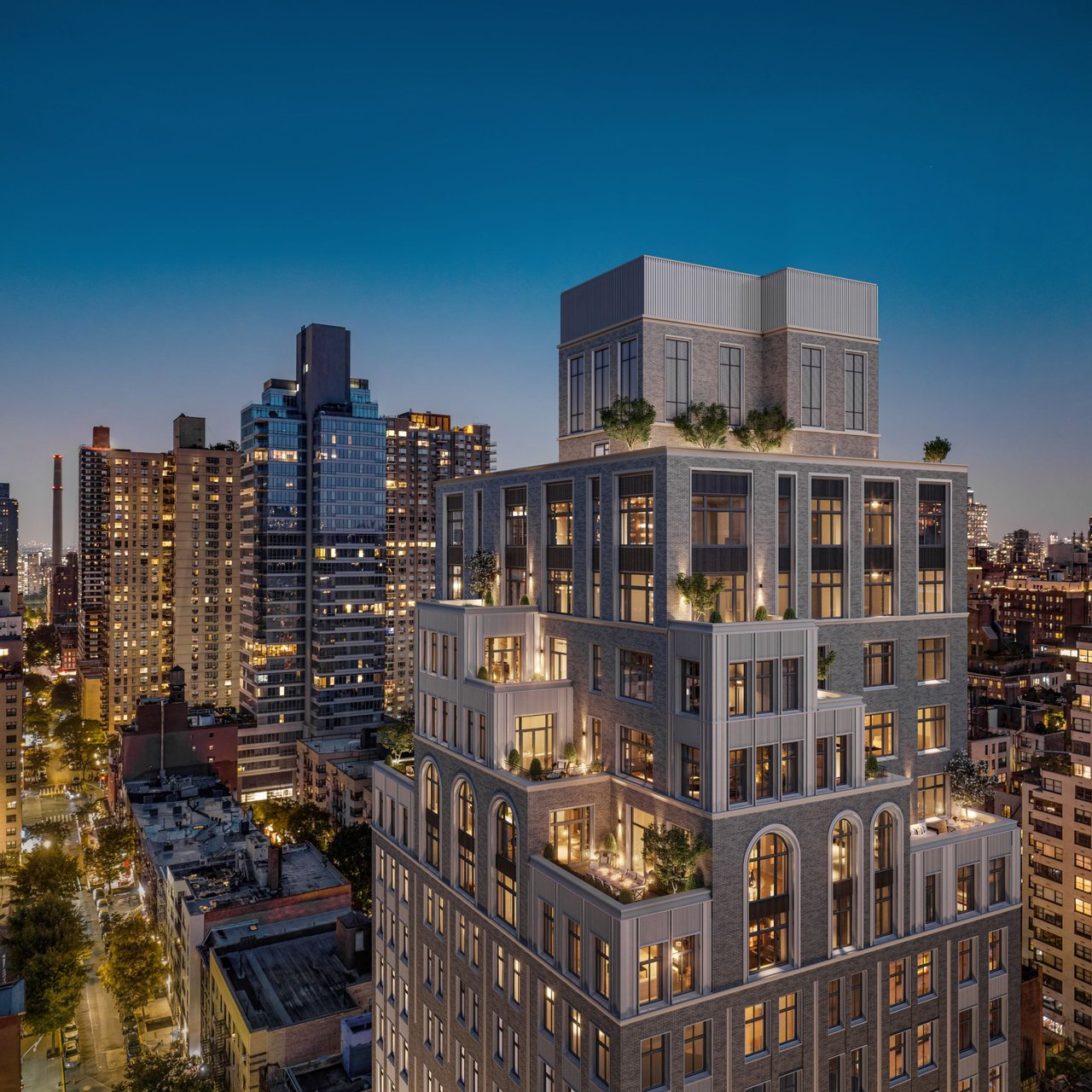
Upper East Side: Best for Stable, Lower-Volatility Returns
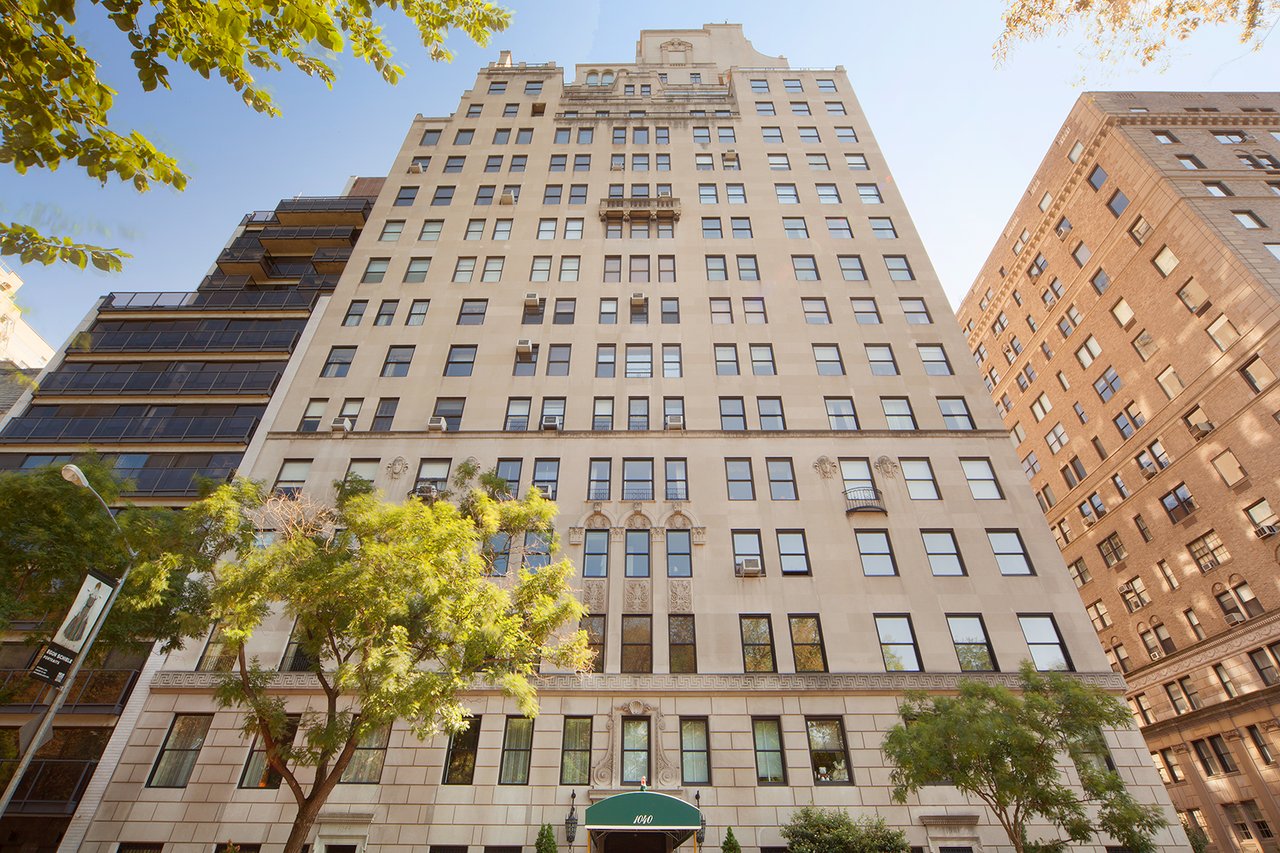
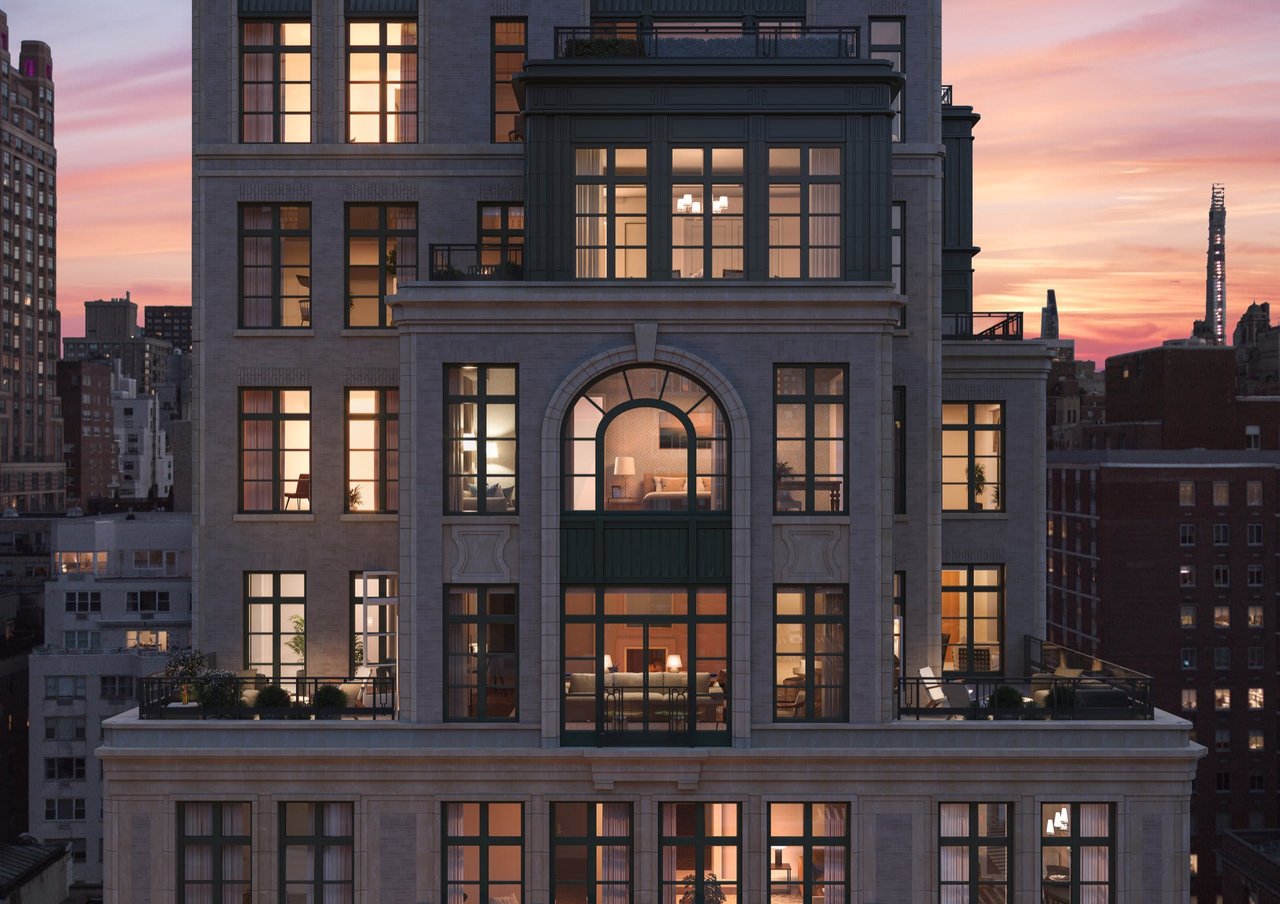
The Upper East Side isn't chasing the fastest appreciation — it's built for investors who prioritize stability over speed. Recent data shows roughly 4.1% year-over-year appreciation, a rate that's held with less volatility than trend-driven downtown neighborhoods. The area's deep inventory of prewar co-ops and proximity to Central Park, Museum Mile, and established private schools keeps a consistent buyer and renter pool coming back regardless of broader market cycles — the kind of demand base that makes this neighborhood a lower-risk, if lower-upside, hold. It's a common landing spot for investors who already have appreciation exposure elsewhere in their portfolio and want a Manhattan asset that behaves predictably.
Which Neighborhood Fits Your Investment Goal?
- Want rental income now, not just appreciation later? Financial District offers the strongest combination of yield and liquidity.
- Want maximum capital appreciation and can absorb new development costs? Hudson Yards, West Chelsea, and Midtown East are outperforming on price growth.
- Want the safest long-term bet with structurally limited competing supply? West Village and Tribeca reward patient capital.
- Want the lowest-volatility hold in your Manhattan allocation? Upper East Side has a long track record of steady, unspectacular growth — which is exactly the point for some portfolios.
Whichever fits your strategy, neighborhood-level data matters more than borough-wide headlines when you're underwriting an investment purchase — our full neighborhoods guide breaks down pricing, inventory, and demand trends across all of Manhattan's submarkets in more depth.
Frequently Asked Questions
- What is the best Manhattan neighborhood for rental income? The Financial District currently offers the strongest combination of rental yield and price-to-value, driven by steady demand from young professionals and a condo-heavy building stock that simplifies renting compared to co-op-restricted neighborhoods uptown.
- Which Manhattan neighborhood has the highest appreciation right now? Hudson Yards, West Chelsea, and the Midtown East new development corridor are currently showing the strongest price appreciation, driven by corporate relocation and limited new supply relative to demand.
- Is Manhattan real estate a good investment for rental yield or mainly appreciation? Historically, appreciation — Manhattan real estate has averaged roughly 6% annual appreciation over the past 27 years, with rental yields traditionally below 3%. That's shifted recently, with well-positioned properties now seeing 3–4.5% yields as rents have outpaced purchase price growth.
- Are co-ops or condos better for Manhattan real estate investors? Condos are generally easier for investors, since they allow more flexible subletting and LLC ownership without board approval. Co-ops can offer better value but often restrict or require board approval for renting units out, which matters if your strategy depends on rental income.
- Is now a good time to invest in Manhattan real estate? For investors focused on specific neighborhood dynamics rather than timing the broader market, yes — inventory remains constrained, vacancy is near historic lows around 2.5%, and rents have grown faster than purchase prices in several submarkets, improving yield without requiring a price rally.
Building a Manhattan real estate portfolio or evaluating your first investment property? Contact Elena Ash, licensed real estate agent with Compass, to run the numbers on specific neighborhoods and buildings. Read more about Elena's background and approach.