Manhattan's fall 2026 market offers opportunities for sellers, but the right strategy matters more than ever. According to Compass's Q3 Manhattan Market Report, the borough recorded 3,183 closed sales, up 2.7% year over year, while active inventory declined 10.9%. The median sale price reached $1.25 million, a 4.6% annual increase. More recently, Compass's October Market Insights recorded 926 signed contracts, a 44.5% increase from September. With fewer homes competing for buyers' attention, well-positioned properties have an opportunity to stand out. But selective buyers still expect realistic pricing, thoughtful presentation, and a compelling marketing strategy.
Is Now a Good Time to Sell in Manhattan?
For many sellers, the current market presents a favorable opportunity. Compass's Q3 2026 Manhattan report recorded 3,183 closed sales, an increase of 2.7% compared with the same quarter last year. The median sale price reached $1,250,000, up 4.6%, while active inventory fell to 6,028 listings, down 10.9% year over year.
The latest October figures offer another encouraging signal. According to Compass Manhattan Market Insights, 926 contracts were signed during the month, up 44.5% from September. Active inventory stood at 6,540 homes, still 11.2% below October 2025 levels.
Fewer available properties can mean less direct competition for sellers, particularly in desirable buildings and neighborhoods. However, limited inventory does not guarantee multiple offers or above-asking sales. Buyers remain selective, and properties that are priced beyond comparable sales can struggle to attract serious interest.
The takeaway: Manhattan remains an active market, but sellers need to position their properties carefully to capitalize on current conditions.
How Should You Price Your Manhattan Apartment?
Pricing is one of the most important decisions you'll make before listing. The right asking price should reflect recent closed sales, current competition, building-specific demand, and the condition of your apartment.
Compass's Q3 2026 report recorded an average discount of 6% from the original asking price across Manhattan. Condos averaged a 7% discount, while co-ops averaged 5%. These figures illustrate why sellers should distinguish between an attractive asking price and the price buyers are ultimately willing to pay.
Before setting a price, consider:
Recent comparable sales: Look at apartments in your building and nearby properties with similar layouts, square footage, views, and finishes.
Current competition: Evaluate active listings competing for the same buyer, including properties that have recently reduced their prices.
Building-specific factors: Maintenance, common charges, amenities, financial health, and upcoming assessments can influence buyer decisions.
Property condition: Renovation quality, natural light, floor level, and overall presentation all affect perceived value.
Overpricing can cost sellers valuable time. The longer a property remains on the market, the more likely buyers are to question its value or expect further negotiations.
A well-supported pricing strategy from the beginning can help generate early interest, attract qualified buyers, and create stronger negotiating conditions.
What Does It Cost to Sell an Apartment in NYC?
Selling a Manhattan property involves several expenses beyond the outstanding mortgage balance. Understanding these costs before listing helps you establish realistic expectations for your net proceeds.
The main expenses typically include:
Broker compensation: Negotiated between the seller and their brokerage. Compensation structures and amounts are not fixed and should be discussed before signing a listing agreement.
Transfer taxes: New York State and New York City impose real estate transfer taxes. The applicable rates depend on the transaction price and property type.
Attorney fees: Sellers typically retain a real estate attorney to prepare and review contracts, address legal matters, and coordinate the closing.
Building fees: Co-op and condo buildings may charge move-out, administrative, processing, or other transaction-related fees.
Co-op flip tax: Some co-op buildings impose a flip tax on sellers. The amount and calculation depend on the building's governing documents.
The total cost will vary depending on the sale price, ownership structure, building requirements, and negotiated terms.
Before bringing your property to market, ask your agent and attorney to prepare an estimated seller net sheet. This will help you understand your potential proceeds after expenses and avoid surprises at closing.
Does Staging Actually Help You Sell for More?
Presentation plays a significant role in how buyers perceive a property. Before scheduling a showing, many prospective buyers have already formed an impression based on listing photographs, videos, and online marketing.
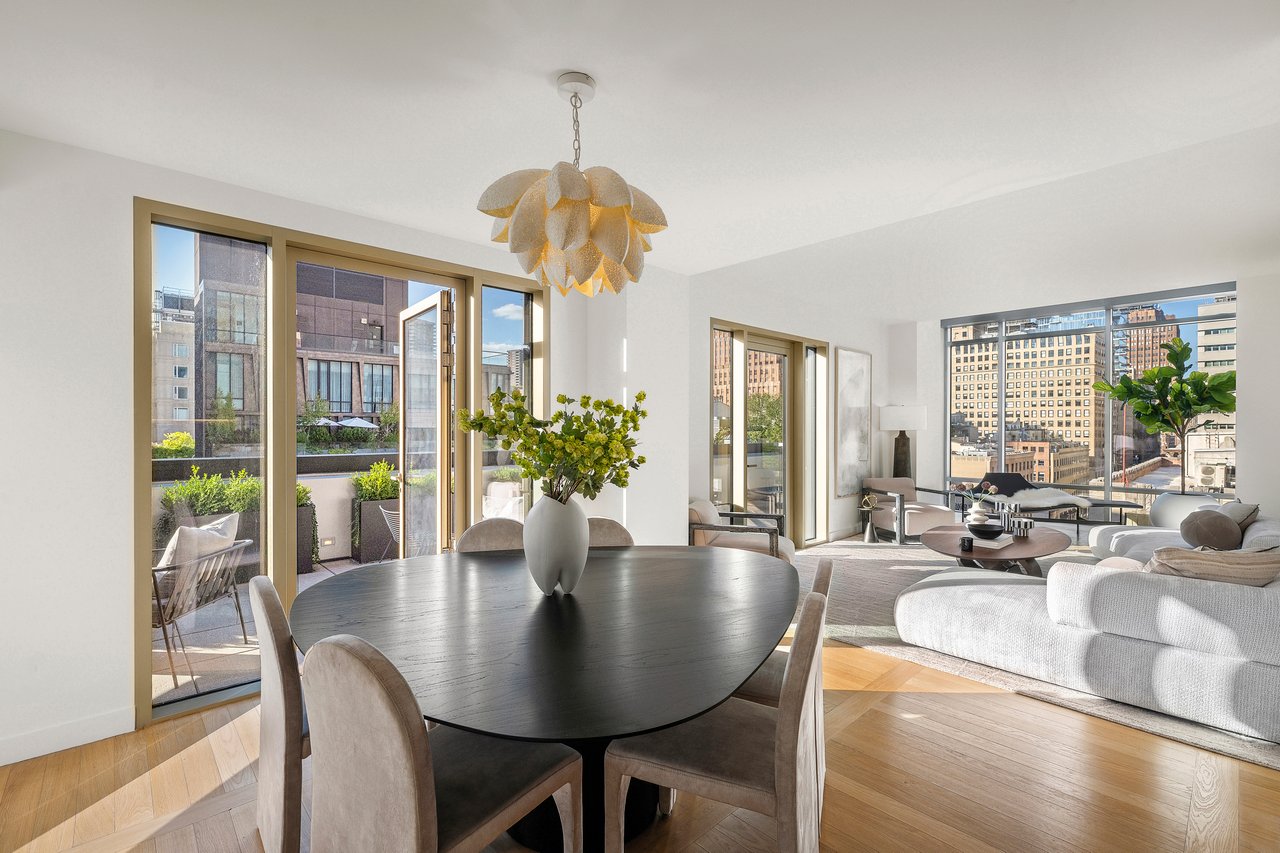
A thoughtfully prepared apartment allows buyers to understand its proportions, appreciate its best features, and imagine themselves living there.
Staging can be particularly valuable for vacant properties, where empty rooms may make it difficult to understand the scale and functionality of a space. For occupied apartments, decluttering, neutral styling, improved lighting, and minor cosmetic updates can make a meaningful difference.
Before listing, consider:
Removing unnecessary furniture and personal belongings.
Refreshing walls and addressing visible cosmetic issues.
Improving lighting and highlighting architectural details.
Arranging furniture to emphasize the apartment's layout and flow.
Investing in professional photography and video.
The objective isn't necessarily to undertake a major renovation. It's to present the property in its strongest possible light without spending unnecessarily on improvements that may not deliver a return.
What Is the Best Time of Year to List a Manhattan Apartment?
Manhattan's real estate market traditionally experiences two important selling seasons: spring and fall.
The spring market typically gains momentum after the winter holidays, with more buyers returning to their searches and sellers preparing new listings. The fall market generally picks up after Labor Day, when buyers return from summer travel and activity increases through October and early November.
Compass's October 2026 Market Insights recorded 926 signed contracts, up 44.5% from September, illustrating the seasonal pickup in buyer activity.
However, timing isn't determined by the calendar alone. A property's condition, pricing, competition, and target buyer can be just as important.
If you're considering selling, preparation should begin well before your desired launch date. This allows sufficient time for repairs, staging, photography, pricing analysis, and marketing planning.
A property that is ready to make a strong first impression is better positioned to take advantage of increased seasonal activity.
What Should Co-op and Condo Sellers Know Before Listing?
Manhattan's co-op and condo markets have different ownership structures, buyer considerations, and transaction requirements. Understanding these distinctions can help sellers prepare for the process.
Condominium sellers
Condos generally offer buyers greater flexibility. Purchasers typically own their individual units directly, and the approval process is usually less restrictive than that of a co-op.
Condo buyers may include primary residents, international purchasers, and investors, depending on the building's policies and applicable regulations.
According to Compass's Q3 2026 report, Manhattan condo sales increased 8.6% year over year to 1,459 transactions. The median condo sale price reached approximately $1.79 million, up 8.3%.
Co-op sellers
Co-op buyers purchase shares in a corporation that owns the building, receiving a proprietary lease for their apartment. Most co-ops require board approval, and buyers must typically submit a detailed application and financial documentation.
Sellers should prepare for this process by understanding their building's financial requirements, board procedures, subletting policies, and any restrictions that may affect prospective purchasers.
Compass recorded 1,724 co-op sales in Q3 2026, up 0.8% year over year. The median co-op sale price reached $887,500, an annual increase of 3.2%.
Both property types continue to attract buyers, but their pricing strategies and transaction timelines can differ considerably.
How Does Compass Help Sellers Market Their Properties?
Selling a Manhattan apartment involves much more than placing a listing online. Reaching the right audience requires a coordinated approach to pricing, presentation, exposure, and negotiation.
Compass offers sellers a range of marketing tools and strategies designed to support different property types and selling objectives.
Strategic Pricing and Market Analysis
A property-specific comparative market analysis helps establish an asking price based on recent transactions, current competition, and neighborhood trends.
Professional Presentation
Photography, videography, staging, and carefully developed marketing materials help communicate a property's strongest features and create a compelling first impression.
Three-Phased Marketing Strategy
Compass's marketing approach can include different stages of exposure, beginning with Private Exclusives, progressing to Coming Soon, and ultimately reaching the broader public market through Compass listings and participating MLS channels, subject to applicable rules and seller authorization.
This approach gives sellers flexibility in how and when their properties are introduced to the market.
Targeted Buyer Exposure
An effective marketing plan extends beyond listing portals. Agent networks, digital marketing, direct outreach, and targeted campaigns can help connect properties with qualified prospective buyers.
Negotiation and Transaction Management
Once offers arrive, an experienced listing agent evaluates not only the proposed purchase price but also financing, contingencies, buyer qualifications, and closing terms. The goal is to help sellers secure favorable terms while keeping the transaction moving toward closing.
Explore Compass's three-phased marketing strategy to learn more about its approach to property exposure.
Frequently Asked Questions
How long does it take to sell an apartment in Manhattan? According to Compass's Q3 2026 report, the average time on market was 99 days. Actual timelines vary depending on property type, pricing, condition, and location. Buyers may also need additional time to complete financing, attorney review, and co-op board approval.
How much below asking price do Manhattan apartments sell? Compass reported an average discount of 6% from the original asking price in Q3 2026. Condos averaged 7%, while co-ops averaged 5%. Individual results depend on pricing, demand, and property condition.
Is Manhattan currently a seller's market? Manhattan has several favorable conditions for sellers, including declining inventory and rising median sale prices. However, buyers remain selective, so well-priced and well-presented properties are better positioned than overpriced listings.
Should I renovate before selling my apartment? Not necessarily. Cosmetic improvements, repairs, decluttering, and staging may offer better value than a full renovation. The decision should depend on the property's current condition, competing listings, and the expectations of its target buyer.
Is it better to sell a co-op or condo in Manhattan? Neither property type is universally better. Condos generally offer greater flexibility for buyers, while co-ops often have more restrictive approval requirements. Pricing and demand depend on the specific building, apartment, and neighborhood.
When should I start preparing my apartment for sale? Ideally, begin several weeks or months before your intended listing date. This allows time for a pricing analysis, necessary repairs, staging, photography, and a comprehensive marketing plan.
Thinking about selling your Manhattan apartment? Contact Elena Ash, licensed real estate agent with Compass and a member of Après Global Team, for a personalized pricing analysis and marketing strategy informed by current Manhattan market conditions. Learn more about Elena's background and approach.